
Image Source: unsplash
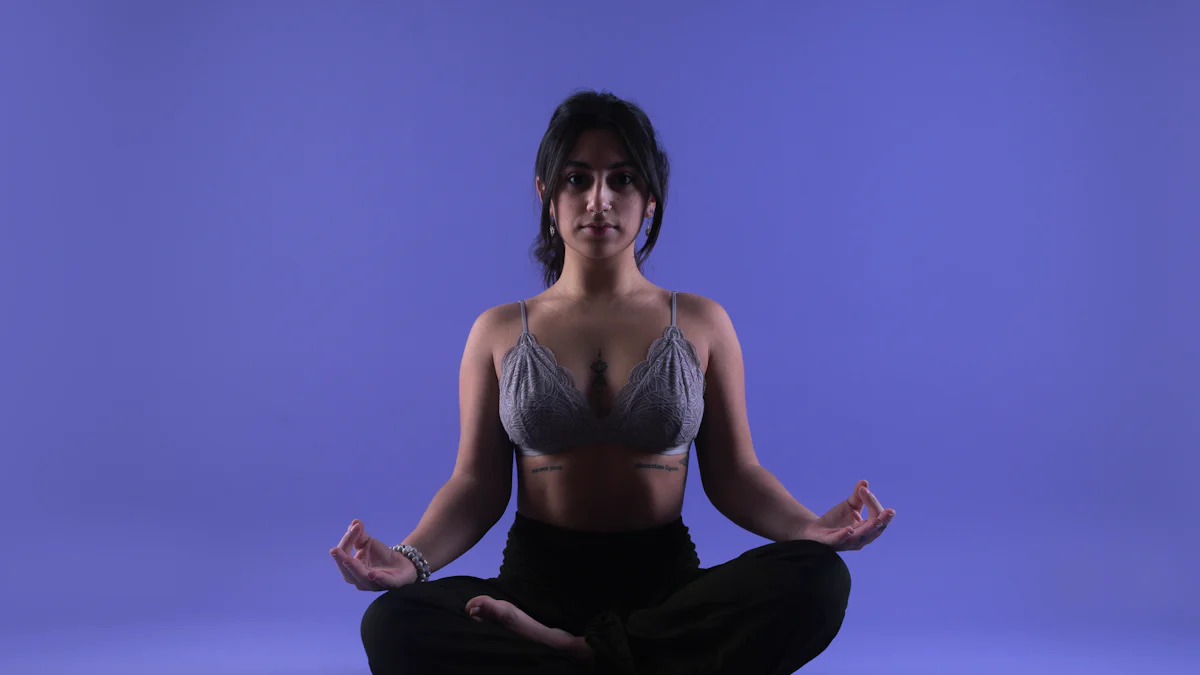
Starting a Sivananda yoga practice can bring many health and spiritual benefits. Known for its harmonious combination of asanas, pranayama, and relaxation, this yoga helps increase energy levels and reduce stress. To get started effectively, it's worth focusing on a few key aspects. First, regular practice is crucial. Second, choose the right place and time that promote focus. With these simple steps, you can reap the full benefits of Sivananda yoga practice.
Basic Principles of Sivananda Yoga
Correct Exercises
In Sivananda yoga practice, the correct execution of the exercises, or asanas, plays a crucial role. Asanas help strengthen the body, improve flexibility, and increase body awareness. Regular practice can lower high blood pressure (https://joga.org.pl/artykuly%2Cco-potrafi-joga-hania-luczak-tekst-z-magazynu-geo-z-2013-roku%2C5%2C26.html?page_number=2) and improve overall health. To achieve these benefits, focus on precise execution of each pose. Remember that quality is more important than quantity. Perform the asanas slowly and with full concentration, which will allow you to better understand your body and its needs.
Breathing
Breathing, or pranayama, is another foundation of Sivananda yoga. Through controlled breathing techniques, you can increase your energy levels and reduce stress. Breathing deeply and consciously helps you achieve a state of inner peace. Start with simple breathing exercises, such as full abdominal breathing. Focus on inhaling and exhaling evenly. This will improve your concentration and give you greater control over your emotions.
Relaxation
Relaxation is an integral part of Sivananda yoga practice. After intense practice and pranayama, relaxation allows for the regeneration of the body and mind. Regular relaxation practice, as research shows, helps both young and old achieve excellent health. Spend a few minutes in final relaxation in Savasana. Lying on your back, focus on relaxing every part of your body. Allow yourself a moment of peace and relaxation, which will bring you inner harmony.
Diet
Diet plays a key role in the practice of Sivananda yoga. Proper nutrition supports not only physical health but also influences your mental and emotional state. It is recommended to eat foods that are fresh, natural, and minimally processed. Choose whole grains, vegetables, fruits, and nuts. Avoid excess sugar and saturated fats.
The health benefits of such a diet are numerous. It helps maintain a healthy weight, improves digestion, and provides the body with essential nutrients. Research confirms that a healthy diet combined with regular yoga practice can lower blood pressure and improve overall health.
Positive Thinking
Positive thinking is the foundation of Sivananda yoga practice. Your approach to life influences how you perceive yourself and the world around you. Practicing yoga helps you develop a positive attitude through meditation and reflection. Focus on gratitude and acceptance, which will allow you to better cope with daily challenges.
Scientific studies show that positive thinking can increase energy levels and reduce stress. Regular yoga practice, including meditation, supports the development of positive thinking, leading to greater harmony and inner peace. This will help you gain better control over your emotions and improve the quality of your life.
Basic Sivananda Yoga Poses
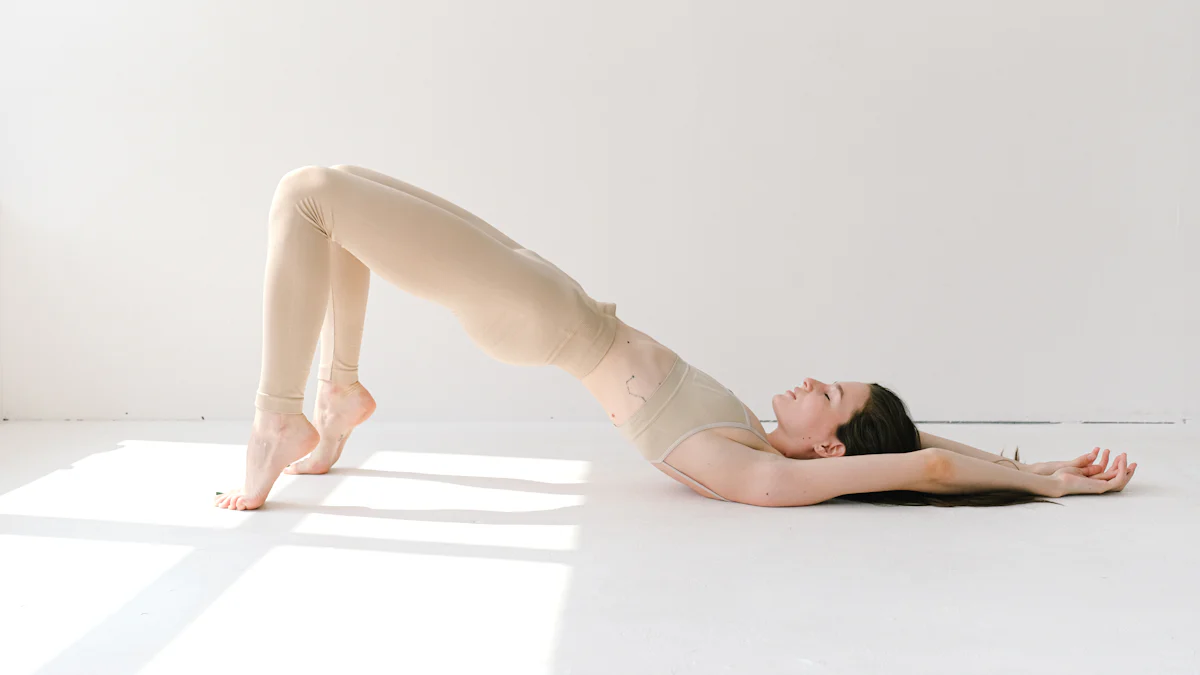
Image Source: pexels
Corpse Pose (Savasana)
Corpse Pose, known as Savasana, is one of the most important asanas in Sivananda yoga practice. You lie on your back, with your arms relaxed at your sides, and your legs slightly apart. This pose allows for complete relaxation of both body and mind. Regularly practicing Savasana helps reduce stress and tension, as confirmed by research showing that a relaxed state of body and mind reduces the risk of developing many diseases. Focus on your breathing and allow yourself a moment of peace, which will bring you inner harmony.
Plow Pose (Halasana)
Plow Pose, or Halasana, is an asana that strengthens the spine and improves flexibility. You lie on your back and then raise your legs behind your head, trying to touch the floor with your toes. This pose stimulates the nervous system and improves blood circulation. Regularly practicing Halasana can increase the body's endurance and immunity, as confirmed by research on the positive health effects of hatha yoga. Remember to practice this pose with caution and avoid it if you have back problems.
Fish Pose (Matsyasana)
Fish Pose, known as Matsyasana, is an asana that opens the chest and strengthens the back muscles. You lie on your back, lifting your chest up and supporting yourself on your forearms. This pose helps improve breathing and increases spine flexibility. Regularly practicing Matsyasana can relieve symptoms of chronic fatigue, which is especially beneficial for those struggling with high stress. Focus on even breathing and feel the energy flowing through your body.
Cobra Pose (Bhujangasana)
Cobra Pose, known as Bhujangasana, is one of the key asanas in Sivananda yoga. You lie on your stomach, place your hands under your shoulders, and then lift your chest by straightening your arms. This pose strengthens the back muscles and improves spine flexibility. Regularly practicing Bhujangasana can help relieve back pain and improve posture. Studies have shown that hatha yoga, which includes Bhujangasana, increases endurance and resilience. Focus on even breathing and feel the energy flowing through your body.
Locust Pose (Salabhasana)
Locust Pose, or Salabhasana, is an asana that strengthens the lower back and gluteal muscles. You lie on your stomach, then raise your legs and chest, resting on your stomach. This pose improves blood circulation and increases spine flexibility. Regular practice of Salabhasana can relieve symptoms of chronic fatigue, which is especially beneficial for people struggling with high stress. Research confirms that a relaxed state of body and mind reduces the risk of developing many diseases. Focus on even breathing and feel the energy flowing through your body.
Bow Pose (Dhanurasana)
Bow Pose, known as Dhanurasana, is an asana that opens the chest and strengthens the back muscles. You lie on your stomach, grasp your ankles with your hands, and lift your chest and legs, creating a bow shape. This pose helps improve breathing and increases spine flexibility. Regular practice of Dhanurasana can provide relief from symptoms of chronic fatigue. Studies have shown that hatha yoga, to which Dhanurasana belongs, has a positive impact on the health of its practitioners. Focus on even breathing and feel the energy flowing through your body.
Half-Circle Pose (Ardha Matsyendrasana)
Half-Circle Pose, known as Ardha Matsyendrasana, is one of the key asanas in Sivananda yoga. In this pose, you sit on the floor with one leg bent and the other crossed over it, twisting your torso toward the bent leg. This asana strengthens the spine and improves flexibility. Regularly practicing Ardha Matsyendrasana can help improve digestion and increase energy flow in the body. Studies have shown that the Hatha yoga style to which this pose belongs has a positive impact on health, increasing endurance and immunity. Focus on even breathing and feel the energy flowing through your body.
Crow Pose (Kakasana)
Crow Pose, or Kakasana, is an asana that requires balance and strength. In this pose, you place your hands on the floor, supporting your body on your arms, with your legs bent and raised in the air. This pose strengthens your arms, wrists, and abdominal muscles. Regular practice of Kakasana can improve concentration and balance. Research confirms that a relaxed state of mind and body reduces the risk of developing many diseases. Focus on even breathing and feel the energy flowing through your body.
Shoulder Stand Pose (Sarvangasana)
Shoulder Stand Pose, known as Sarvangasana, is one of the most important asanas in Sivananda yoga. You lie on your back, raising your legs and torso, supporting yourself on your arms. This pose improves blood circulation and strengthens the back muscles. Regularly practicing Sarvangasana can relieve symptoms of chronic fatigue and improve overall physical fitness. Studies have shown that Hatha yoga has a positive impact on the health of its practitioners, increasing flexibility and strengthening muscles. Focus on even breathing and feel the energy flowing through your body.
Headstand Pose (Sirsasana)
Headstand Pose, known as Sirsasana, is one of the most advanced asanas in the practice of Sivananda yoga. In this pose, you stand on your head, supporting yourself on your forearms. Sirsasana strengthens the muscles in your shoulders, neck, and back, and also improves balance and concentration. Regular practice of this asana can provide many health benefits, including improved blood circulation and increased endurance. Studies have shown that Hatha yoga, of which Sirsasana is a part, has a positive impact on health, increasing flexibility and strengthening muscles. Remember to practice this pose with caution and avoid it if you have back or neck problems.
Tree Pose (Vrikshasana)
Tree Pose, or Vrikshasana, is an asana that requires balance and focus. You stand on one leg and rest the other on your inner thigh. Your arms are raised above your head, creating a tree shape. Vrikshasana strengthens the leg muscles and improves balance. Regularly practicing this pose can help increase concentration and mental peace. Research confirms that a relaxed state of mind and body reduces the risk of developing many diseases. Focus on even breathing and feel the energy flowing through your body.
Triangle Pose (Trikonasana)
Triangle Pose, known as Trikonasana, is an asana that opens the chest and strengthens the leg muscles. You stand with your legs wide apart, then bend to the side, touching the floor or ankle with one hand while the other hand is raised upward. Trikonasana improves spine flexibility and increases energy flow throughout the body. Regularly practicing this pose can relieve symptoms of chronic fatigue and improve overall physical fitness. Studies have shown that hatha yoga has a positive impact on the health of its practitioners, increasing endurance and immunity. Focus on even breathing and feel the energy flowing through your body.
How to start practicing
Preparing for a yoga session
Before you begin practicing Sivananda yoga, it's worth preparing properly. Preparing for a yoga session begins with choosing comfortable clothing that allows for easy movement. Make sure you have a yoga mat to provide stability during the asanas. Swami Atmaramanada Yoga Acharya, a yoga teacher, emphasizes that regular practice of Sivananda yoga can significantly reduce stress and improve well-being. Before beginning a session, it's also worth taking a moment to quiet your mind, which will allow you to better focus on the practice.
Choosing the Right Place and Time
Choosing the right place and time is crucial for a successful Sivananda yoga practice. Find a quiet place where you won't be disturbed. This could be a corner of your home or a garden. It's important that the space is well-ventilated and quiet. Anonymous user, a yoga practitioner, notes that Sivananda yoga sessions often begin and end with the chanting of the OM mantra, which helps with focus and sets the mood. Choose a time that best fits your schedule. Mornings are ideal, as the mind is fresh and the body is rested.
Avoiding the Most Common Mistakes
It's important to avoid several common mistakes when practicing Sivananda yoga. First, don't push yourself. Yoga isn't a race, and each pose should be performed mindfully and at your own pace. Swami Sivananda emphasizes that the goal of yoga is to achieve physical and mental health, not competition. Secondly, remember to breathe regularly. Pranayama, or breathing techniques, are an integral part of Sivananda yoga and help achieve inner peace. Finally, be patient. The effects of yoga don't appear immediately, but regular practice brings long-term health and spiritual benefits.
Benefits of Sivananda Yoga Practice
Physical Benefits
The practice of Sivananda yoga offers many physical benefits. Regularly practicing asanas strengthens muscles and improves flexibility. This can lead to increased endurance and improved posture. One yoga practitioner who practiced yoga for 12 years recalls feeling a surge of happiness and positive fatigue after each session. This feeling stems from improved blood circulation and reduced muscle tension. Regular practice can also help lower blood pressure and improve overall health.
Mental Benefits
Sivananda Yoga is an excellent way to reduce stress and improve mental health. _A person who began practicing in 1988 emphasizes that Sivananda Yoga was an excellent relaxation system for her. _Through breathing techniques and meditation, you can achieve a state of inner peace. Regular practice helps increase concentration and improve the quality of sleep. You may notice that you are more relaxed and better able to cope with daily challenges.
Spiritual Benefits
Sivananda Yoga is not only physical exercise but also a path to spiritual development. This practice helps achieve harmony between body and mind. Through meditation and reflection, you can develop positive thinking and gratitude. Yoga practitioners often emphasize that Sivananda Yoga leads to greater harmony and inner peace. This experience can help you better understand yourself and the world around you, leading to a deeper sense of fulfillment and happiness.
Integrating Asanas with Pranayama and Relaxation
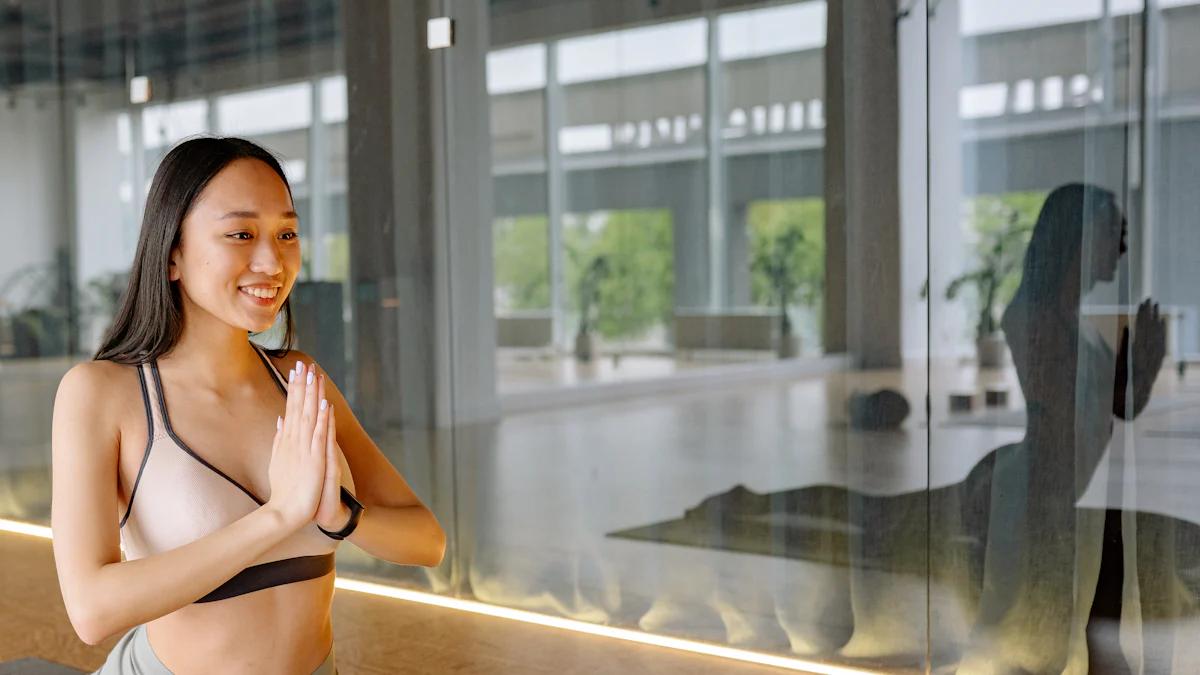
Image Source: pexels
Combining Asanas with Breathing Exercises
In Sivananda yoga, combining asanas with pranayama, or breathing exercises, is crucial. This allows you to achieve a deeper level of relaxation and harmony. While performing asanas, focus on even and deep breathing. This allows for better oxygenation of the body and increased energy flow. Swami Atmaramanada, known as the "traveling Swami," emphasizes that breath control is an integral part of Sivananda yoga practice (https://waw4free.pl/wydarzenie-118409-joga-klasyczna-wedlug-s-sivananda). It helps you better understand your body and mind.
"Breathing is the bridge between body and mind" - Swami Atmaramanada
During practice, try to synchronize your body movements with your breathing. For example, inhale when raising your arms up, and exhale when lowering them. This synchronization helps you achieve a state of inner peace and concentration. Regular breathing exercises can also help reduce stress and improve your well-being.
Final Relaxation in Savasana Pose
After completing your asana and pranayama sessions, final relaxation in Savasana pose is extremely important. You lie on your back, your arms resting loosely at your sides, and your legs are slightly apart. Focus on relaxing every part of your body, starting with your feet and ending with your head. Allow yourself a moment of peace and relaxation.
Regular practice of Savasana helps regenerate your body and mind. Studies show that a relaxed state of body and mind reduces the risk of developing many diseases. Swami Atmaramanada emphasizes that relaxation is a key element of Sivananda yoga practice, allowing you to achieve inner harmony.
"Relaxation is a time when the body and mind can regenerate" - Swami Atmaramanada
During Savasana, focus on your breathing and allow yourself a moment of peace. This experience will bring you inner harmony and a sense of fulfillment.
In summary, starting a Sivananda yoga practice is a step towards health and harmony. Key principles such as proper exercise, breathing, and relaxation form the foundation of this practice. I encourage you to begin with a positive attitude (http://cilulko-dolega.pl/joga-wg-sivananda-harmonia-serca-umyslu-i-ciala/). Regular practice brings peace and inner contentment. As Ja sama mentions, the practice of Sivananda yoga brings a surge of happiness and positive fatigue. Let your yoga become a path to self-discovery and achieving inner balance. See also
How to Start an Asana Practice in Sivananda Yoga
How to Initiate Relaxing Yoga in the Boho Style
How to Start a 20-Minute Yoga Session for Beginners
How to Initiate Your Ashtanga Yoga Journey
[How to Start the First Ashtanga Yoga Series] Yoga](https://yogalife.world/blog/jak-rozpoczac-praktyke-pierwszej-serii-ashtanga-jogi/)

Written by
Maria Yogalife
Maria | Yoga & Wellness Writer at YogaLife.World Maria is a passionate yoga and wellness writer at YogaLife.World, dedicated to sharing knowledge, inspiration, and practical guidance for a healthier, more balanced lifestyle. Through her articles, she explores yoga practices, meditation, mindfulness, holistic wellness, and the transformative benefits of mindful living. With an accessible and inspiring approach, Maria helps readers of all levels discover new practices, deepen their understanding of yoga, and bring greater balance, awareness, and well-being into their everyday lives.
Visit website


