
Image Source: pexels
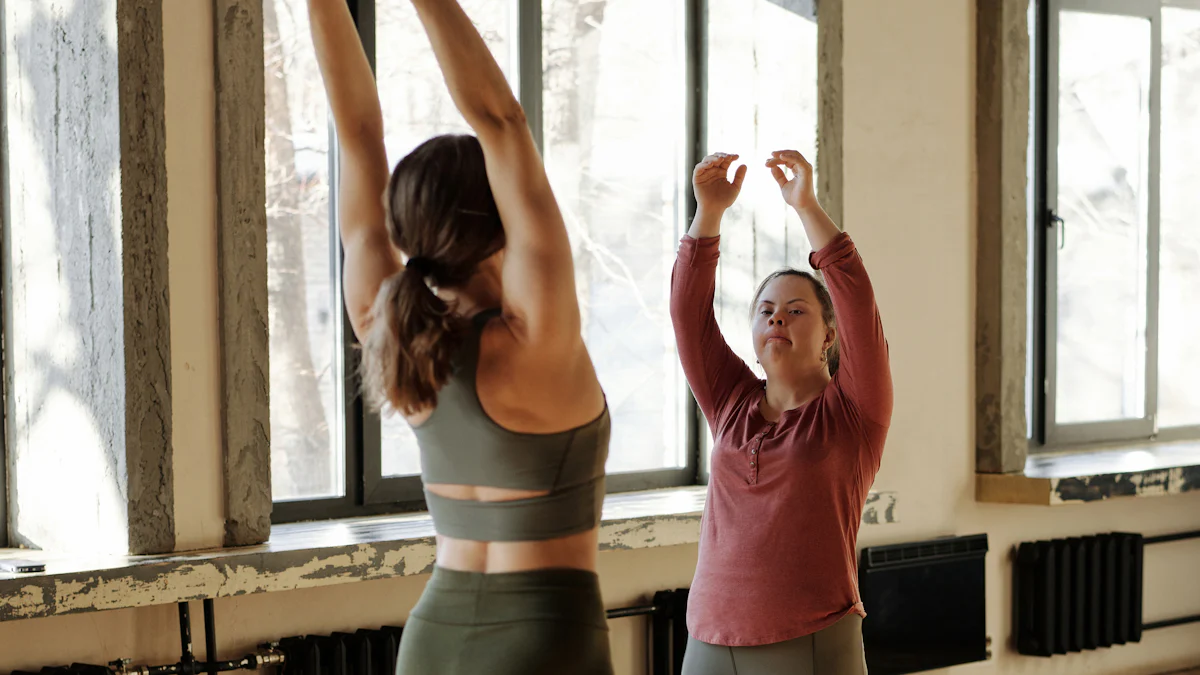
Ashtanga yoga is a dynamic form of yoga that combines movement with breathing. For many, it is a challenge, but also a path to inner peace and harmony. Yoga is gaining popularity in Poland. Approximately 5.5 million Poles practice yoga, and 3.5 million do so regularly. Starting a yoga practice, especially one like basic ashtanga yoga, can bring many benefits. It helps improve physical and mental well-being, as confirmed by 82% of respondents in surveys.
What is Ashtanga yoga?
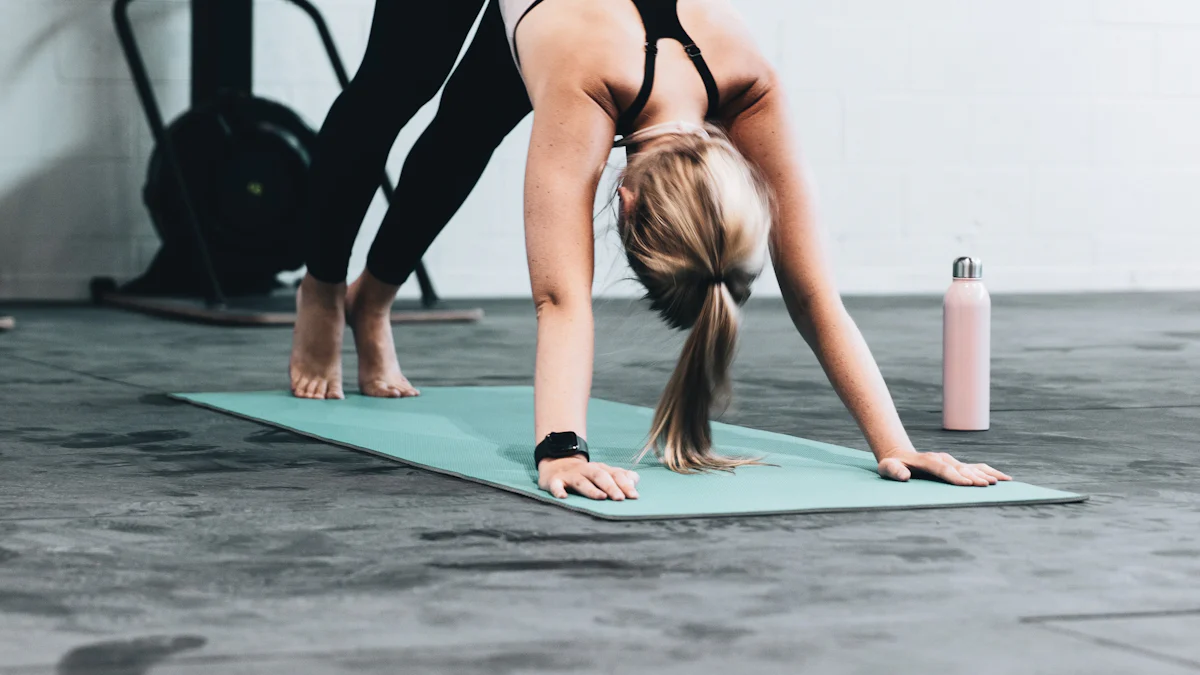
Image Source: unsplash
Ashtanga yoga is one of the most dynamic forms of yoga, combining movement and breathing into a harmonious whole. For many, it is a challenge, but also a path to inner peace and harmony.
History and Origins
Ashtanga yoga has its roots in ancient yogic texts. Passed down through generations, it has reached the present day thanks to the work of many teachers, especially in Mysore, India. It was there that Sri K. Pattabhi Jois developed and popularized this form of yoga, making it accessible to people worldwide.
Traditions and Philosophy
Ashtanga yoga traditions are based on eight paths of yoga that lead to self-realization. Each path aims to develop different aspects of spiritual and physical life. The philosophy of Ashtanga yoga emphasizes discipline, regularity, and commitment to practice.
Key Figures in the Development of Ashtanga Yoga
Sri K. Pattabhi Jois is one of the key figures in the development of Ashtanga yoga. His teachings and methodological practice contributed to the popularization of this form of yoga worldwide. Thanks to his work, Ashtanga yoga has become accessible to a wide range of practitioners.
Basic Principles
Basic Ashtanga yoga is based on several key principles that help achieve harmony of body and mind.
Sequences and Series
Ashtanga yoga consists of established sequences and series of asanas, practiced in a specific order. Each series aims to develop different aspects of the body and mind, from basic poses to more advanced ones.
The Role of Breathing and Concentration
Breathing and concentration play a key role in the practice of Ashtanga yoga. Synchronizing breathing with movement helps maintain balance and focus. This makes the practice more effective and brings greater health benefits.
Preparing for Practice
Choosing the Right Place and Time
To begin practicing Ashtanga yoga, you need to find the right place and time. Choose a space that is quiet and free from distractions. This can be a room in your home or an outdoor area where you feel comfortable. It's important that the space is large enough for you to comfortably perform all the asanas.
The Importance of Regularity
Regularity is key to a successful yoga practice. Try to practice at the same time every day. This will help you create a habit and maintain discipline. Even if you only have 15 minutes, dedicate this time to your practice. Regular practice yields better results than sporadic, long sessions.
Creating a Space for Practice
Create a space that promotes relaxation and concentration. You can use candles, incense, or soft music to create the right atmosphere. Make sure you have enough room to spread out your mat and move freely. The space should be clean and uncluttered to help you focus on your practice.
Essential Accessories
To practice Ashtanga yoga, you need a few basic accessories that will ensure your comfort and safety.
Mats and Clothing
Yoga mats are essential for your practice. Choose a mat made of high-quality materials that has anti-slip properties. This will ensure stability and safety while performing asanas. At the Miś Yoga store, you'll find eco-friendly and anti-slip mats that will meet your expectations. Appropriate yoga attire is comfortable and allows for easy movement. Choose clothing that fits well but is flexible enough to allow for ease in performing various poses.
Other Useful Items
Besides your mat and clothing, it's worth stocking up on a few additional accessories. These can include yoga blocks, straps, or pillows that will help you modify the asanas and adapt them to your abilities. These items can be especially helpful for beginners who are just learning the basic poses. Remember that the most important thing is to feel comfortable and safe during your practice.
First Steps in Ashtanga Yoga
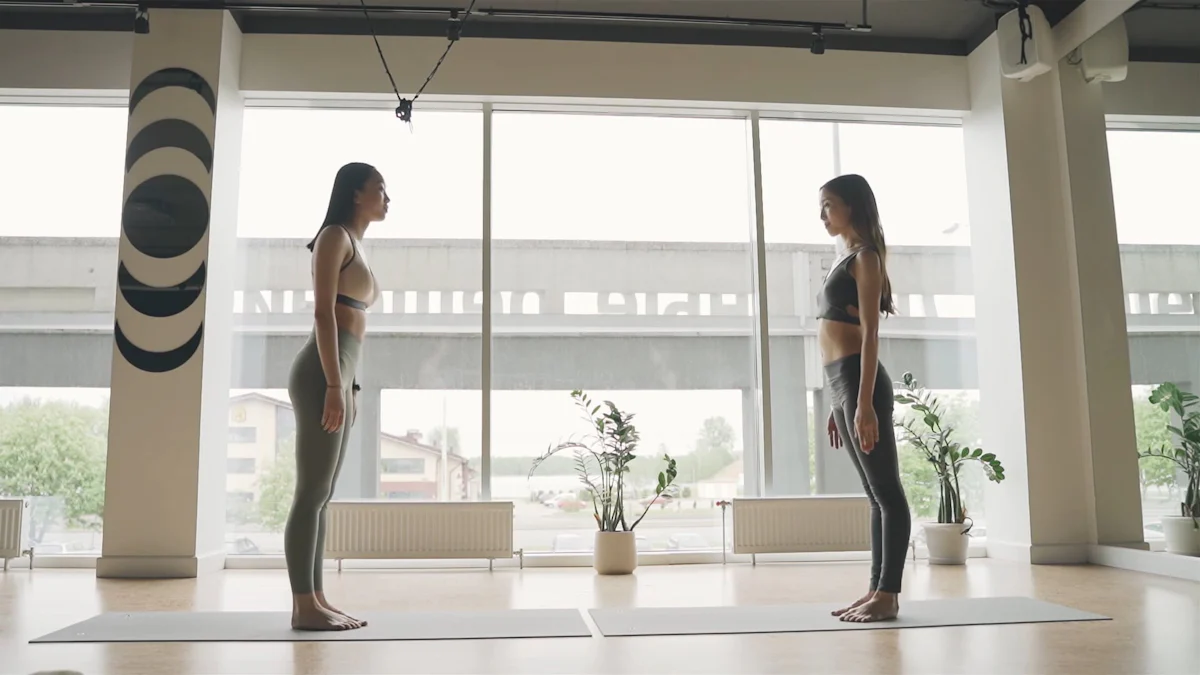
Image Source: pexels
Learning the Basic Poses
Beginning an Ashtanga yoga practice requires mastering the basic poses. These will build a solid foundation for further development.
Standing Poses
Standing poses are the foundation of Ashtanga yoga practice. They help build strength and balance. Start with simple poses like Tadasana (Mountain Pose) or Virabhadrasana (Warrior Pose). Focus on maintaining balance and proper breathing. Regularly practicing these poses will strengthen your body and improve your posture.
Seated Poses
The seated poses in Ashtanga yoga help with stretching and relaxation. Dandasana (Staff Pose) and Paschimottanasana (Forward Bend) are excellent starting positions. Focus on lengthening your spine and deep breathing. These poses will improve flexibility and help reduce muscle tension.
The Importance of a Teacher
In Ashtanga yoga, the teacher plays a crucial role. Their knowledge and experience will help you perform the asanas correctly and avoid injury.
How to Find the Right Instructor
Choosing the right instructor is an important step in your practice. Look for a teacher with experience and certification in Ashtanga yoga. You can ask friends for recommendations or search online. Make sure the teacher can adapt the practice to your individual needs and abilities.
Benefits of Learning Under the Guidance of an Expert
Practicing under the guidance of an expert offers many benefits. An unidentified Ashtanga yoga expert emphasizes that it is considered a therapeutic practice. A teacher will help you perform asanas correctly, which will increase the effectiveness of your practice. Their guidance will help you progress faster and avoid mistakes. Learning with an expert also motivates you to practice regularly and develop your skills.
Integrating Ashtanga Yoga into Your Daily Life
Ashtanga yoga is not just a set of exercises, but also a lifestyle that can be integrated into your daily habits. With regular practice, you can experience numerous health and mental benefits.
Creating a Routine
To fully reap the benefits of Ashtanga yoga, it's worth creating a consistent routine.
Scheduling Your Session
Scheduling your yoga sessions is key to success. Choose consistent times that best fit your schedule. This could be in the morning when your body is rested, or in the evening when you need to unwind after a challenging day. Regularity will help you stay motivated and progress in your practice.
Goal Setting
Setting goals is another important element of integrating yoga into your daily life. Consider what you want to achieve from your practice. It could be improving flexibility, increasing strength, or reducing stress. Clearly defined goals will help you focus on what's most important and monitor your progress.
Health and Mental Benefits
Regular Ashtanga yoga practice offers numerous health and mental benefits, as confirmed by numerous scientific studies.
Improved Flexibility and Strength
Basic Ashtanga yoga engages all muscle groups, leading to increased flexibility and strength. With regular exercise, you'll improve your posture (https://jogawlesnicy.pl/joga-i-medytacja-starozytne-sztuki-na-wspolczesne-wyzwania/) and balance, which will positively impact your daily functioning. Research shows that yoga helps relieve pain and improve coordination.
Stress Reduction and Improved Concentration
Ashtanga yoga is also an excellent tool for reducing stress and improving concentration. Synchronizing your breathing with movement helps achieve a state of inner peace and emotional balance. Regular practice supports coping with anxiety (https://fitmeshop.pl/poradnik-dla-poczatkujacych-joge/?srsltid=AfmBOorT_GlLB_ttSBinwJ1lA6IKe_Y-jpY2QqdTohhAEu0s9x3q8oKq), depression, and low mood. This will help you focus better on daily tasks and enjoy improved well-being.
Challenges and How to Overcome Them
Common Difficulties for Beginners
When starting an Ashtanga yoga practice, you may encounter various challenges. It's important to approach them with an open mind and patience.
How to Deal with Pain and Discomfort
You may experience pain or discomfort during your first sessions. This is natural as your body adapts to new postures. It's crucial to listen to your body. If you feel pain, take a break or modify the pose. Don't force yourself to stay in a posture that causes you pain. _One person shared their experience that Iyengar yoga wasn't right for her because they forced her into uncomfortable positions. _In Ashtanga yoga, it's important to enjoy the movement and avoid injury.
Motivation for Regular Practice
Maintaining a consistent practice can be challenging. To stay motivated, set realistic goals and track your progress. You can also find a practice partner to boost your motivation. Remember, even a short session is better than none. Regularity brings benefits that become increasingly evident over time.
Long-Term Commitment
Ashtanga yoga is a journey that requires commitment and patience. Over time, you'll notice your body and mind transform.
Maintaining Interest
To maintain your interest, experiment with different sequences and poses. You can also attend workshops or classes with different teachers. Choosing the right style and teacher is crucial, as illustrated by the story of someone who fell in love with Ashtanga yoga because it reminded her of dancing. Find what brings you joy and inspires you to continue practicing.
Developing Your Practice
Develop your practice by gradually introducing more advanced poses. Don't rush. Everyone has their own pace. Focus on quality, not quantity. Over time, you'll notice your body becoming stronger and more flexible. Remember that yoga is not just physical exercise, but also spiritual and emotional development. Enjoy every step along the way.
Practicing Ashtanga yoga offers many benefits. It strengthens the body and shapes the mind and spirit. With regular sessions, you improve flexibility, strength, and concentration. Ashtanga yoga is not just exercise, but a lifestyle that helps you achieve inner peace and harmony.
Ashtanga yoga: "An intensive form of yoga that focuses on movement and breath control."
I encourage you to begin your own yoga journey. Discover its potential and experience positive changes in your life. It's time to get started!
See also
How to Start a Fun Boho Yoga Class
How to Do Cakravakasana Correctly in Yoga
How to Do Cow Pose Correctly in Yoga

Written by
Maria Yogalife
Maria | Yoga & Wellness Writer at YogaLife.World Maria is a passionate yoga and wellness writer at YogaLife.World, dedicated to sharing knowledge, inspiration, and practical guidance for a healthier, more balanced lifestyle. Through her articles, she explores yoga practices, meditation, mindfulness, holistic wellness, and the transformative benefits of mindful living. With an accessible and inspiring approach, Maria helps readers of all levels discover new practices, deepen their understanding of yoga, and bring greater balance, awareness, and well-being into their everyday lives.
Visit website


