
Image Source: pexels
Ashtanga yoga, known worldwide as an intensive form of yoga, attracts the attention of millions of practitioners. In Poland, as many as 3.5 million people practice it regularly. The first series, Ashtanga Yoga Series 1, is an excellent starting point for anyone wanting to begin this practice. Approaching it with the right mindset is crucial to reap the full benefits of this therapeutic form of yoga (https://portalyogi.pl/blog/joga-ashtanga/). With it, you can reduce stress, strengthen your body and mind, and achieve emotional balance, which will positively impact your professional and personal life.
Understanding Ashtanga Yoga
History and Philosophy
Origins of Ashtanga Yoga
Ashtanga yoga, a dynamic form of yoga (https://sportofino.com/blog/ashtanga-joga-jak-cwiczyc-i-jakie-daje-korzysci), was developed by K. Pattabhi Jois in the 1930s. Its roots lie in ancient Indian traditions that emphasized the connection between body, mind, and spirit. Ashtanga yoga, as a system, is based on the eight stages of yoga practice that Patanjali outlined in his writings. These stages serve as a guide for practitioners, leading them from initial ethical discipline to advanced levels of meditation and enlightenment.
Philosophical Foundations
The Ashtanga yoga philosophy focuses on accepting one's limitations and patiently transcending them. It teaches self-compassion while regularly testing this tolerance. This practice has a therapeutic effect (http://aldonayoga.com/ashtanga-joga-plusy-i-minusy/), transforms lives, helps overcome fears, and gains peace and self-confidence. Ashtanga yoga offers not only physical benefits but also mental support, making it popular among those seeking balance in their professional lives.
Structure of the First Series
Sequence of Postures
The first series of Ashtanga Yoga, known as Ashtanga Yoga Series 1, consists of a strictly defined sequence of postures. It begins with sun salutations, which prepare the body for further practice. Then, you move on to standing, sitting, and concluding poses. Each of these poses has its place and purpose within the sequence, allowing for the gradual strengthening of the body and mind.
Goal and Benefits
The goal of the first series is to cleanse and heal the body. Regular practice strengthens the body and shapes the mind and spirit. Ashtanga yoga teaches you how to accept your own limitations and how to patiently and gradually transcend them. This not only gains physical strength but also emotional balance, which positively impacts your professional and personal life.
Preparing for Practice
Image Source: pexels
Choosing the Right Place and Time
Preparing for an Ashtanga Yoga practice requires careful selection of the location and time. Regularity is the key to success. Practice at the same time every day to establish a routine and discipline in your life. Choose a time when you are most focused and energized. For many people, morning is the ideal time to practice, as the mind is fresh and the body is rested.
The Importance of Regularity
Regularity in Ashtanga Yoga practice brings many benefits. It helps build strength, flexibility, and endurance. Daily practice strengthens the body and mind and helps achieve inner balance. Regularity will help you see progress and gain greater confidence.
Creating a Space for Practice
Create a space that promotes concentration and relaxation. Choose a quiet place free from distractions. Make sure you have enough space to perform all the poses comfortably. You can add items that help you relax, such as candles, incense, or plants.
Essential Accessories
To begin practicing Ashtanga Yoga, you'll need a few basic accessories. The most important is a yoga mat. Choosing the right mat is crucial for comfort and safety during your practice.
Yoga Mat
A yoga mat is the foundation of any practice. Choose a mat that is non-slip and provides good grip. Rubber mats are ideal for beginners. They are abrasion-resistant and provide stability. If you travel frequently, consider a lightweight mat that rolls up easily and is easy to clean. A yoga mat that's great for travel is an excellent choice for those who need mobility.
Clothing and other accessories
Choose clothing that's comfortable and allows for unrestricted movement. Loose, stretchy clothing allows for freedom of movement during poses. You can also consider purchasing additional accessories, such as yoga straps or blocks, to help modify poses and increase the comfort of your practice. Remember that proper preparation and equipment are key to a successful Ashtanga Yoga practice.
Breathing Techniques and Concentration
Ujjayi Pranayama
Breathing Technique
Ujjayi Pranayama, also known as "victor's breath," is a breathing technique that plays a key role in Ashtanga Yoga practice. To begin, sit comfortably and close your eyes. Focus on your breathing. Inhale and exhale through your nose while slightly contracting your throat. This creates a gentle, gurgling sound, reminiscent of the roar of the ocean. This sound helps maintain concentration and rhythm during practice.
Benefits for Practice
Ujjayi Pranayama offers many benefits. Scientific studies have shown that breath control in pranayama can lower blood pressure and improve cardiovascular function. Regular practice of this technique allows for deeper relaxation and increased awareness of the body and mind. This allows you to focus better on the poses you are performing and achieve greater harmony in your practice.
Drishti and Concentration
Focus Points
Drishti is a technique that involves focusing your gaze on a specific point while performing a pose. In Ashtanga Yoga, there are nine traditional drishti points, such as the tip of the nose, the thumbs, and the navel. Focusing your gaze on one of these points helps maintain balance and concentration. This allows you to better control your body and mind during practice.
The Importance of Concentration
Concentration plays a key role in Ashtanga Yoga practice. Focusing on your breath and drishti allows you to achieve a meditative state, which is an inherent element of this form of yoga. Through concentration, you can better understand your body and its needs. This helps you avoid injury and increases the effectiveness of your practice. Regularly practicing concentration leads to greater awareness of yourself and the world around you, which translates into better well-being and emotional balance.
Pose Modifications and Safety
Listening to Your Body
When beginning an Ashtanga Yoga practice, you must learn to listen to your body. Each of us has different abilities and limitations, so it's important to recognize your limits.
Recognizing Limitations
Your body sends signals that inform you about its capabilities. Pay attention to what you feel while performing asanas. If you experience pain or discomfort, it's a sign that you should stop or modify the pose. Recognizing your limitations helps you avoid overexertion and injury.
Avoiding Injuries
Safety in yoga practice is crucial. To avoid injury, always start with a warm-up. Perform poses in moderation and don't overexert yourself. Remember that yoga is not a race, but a process that requires patience and understanding your body.
Modifications for Beginners
For those just starting out in Ashtanga Yoga, modifications to poses may be necessary. These can help you gradually increase your flexibility and strength while maintaining safety.
Alternative Poses
Some poses in Ashtanga Yoga Series 1 may be difficult for beginners. In such cases, it's worth using alternative poses that are easier to perform. For example, if Crow Pose is too demanding, you can try a simpler version that will allow you to gradually build strength and balance.
Using Aids
Accessories such as yoga straps or blocks can also be helpful. They facilitate balance and correct execution of the poses. They allow you to focus on technique and avoid unnecessary tension in your body. Using a support is an excellent way to tailor your practice to your needs and abilities.
The Importance of Warm-Up and Cool-Down
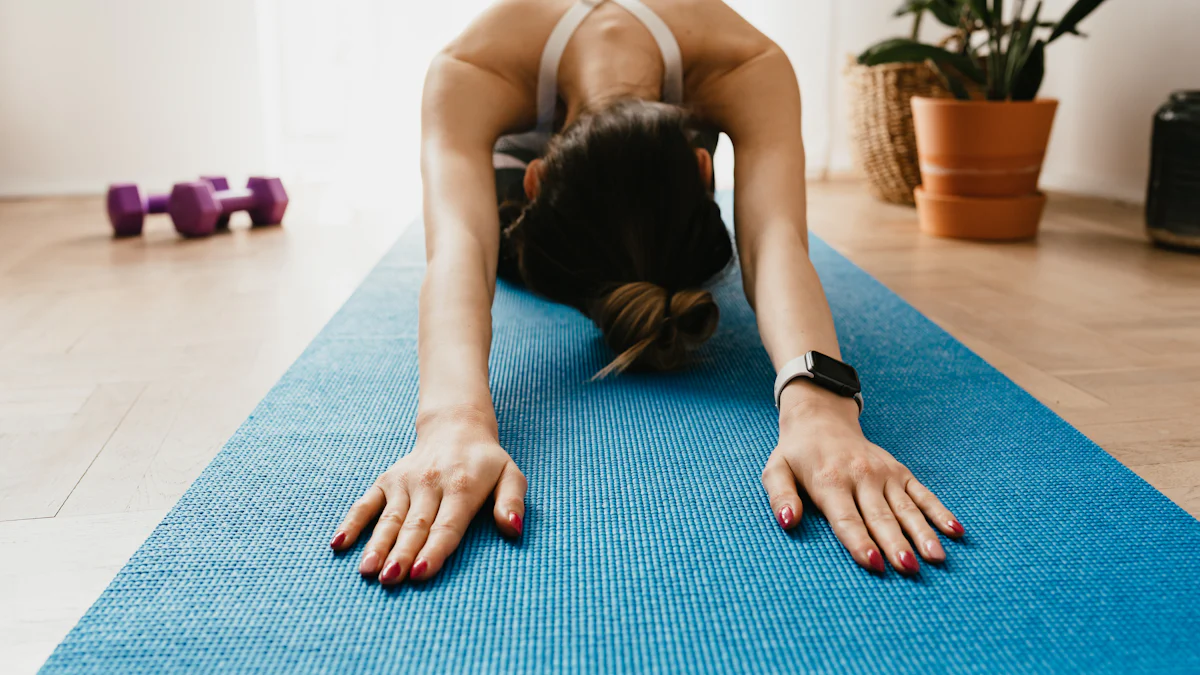
Image Source: pexels
When beginning an Ashtanga Yoga practice, it's important to remember to warm up and cool down properly. These two elements are crucial to achieving the full benefits of the practice and to ensure safety and comfort.
Warm-up before practice
Warm-up exercises
Warming up prepares the body for the intense practice of Ashtanga Yoga Series 1. By performing simple warm-up exercises, you increase blood flow to the muscles, improving their flexibility and reducing the risk of injury. You can start with gentle torso twists, shoulder raises, and hip circles. These movements help loosen the joints and muscles, which is essential before moving on to more challenging poses.
Preparing the body
Preparing the body for practice involves not only a physical warm-up but also a mental one. Focus on your breathing and quiet your mind. This will help you enter a state of concentration, which is essential when performing a sequence of asanas. Remember that the warm-up is a time to connect the body and mind, allowing for a more complete experience of the practice.
Recovery after practice
Relaxation techniques
After an Ashtanga Yoga session, it's worth devoting some time to relaxation techniques. You can use the Jacobson method (https://portalyogi.pl/blog/joga-ashtanga/), which involves tensing and relaxing various muscle groups. This technique helps reduce tension and stress, which is especially important after an intense practice. Relaxation allows the body to regenerate and prepare for future challenges.
Rest and Recovery
Rest after practice is just as important as the practice itself. Give yourself time to recover so that your body can strengthen and regenerate. Regular rest supports your immune and nervous systems, which is crucial for maintaining health and well-being. Remember that recovery is not just physical rest but also time for reflection and inner peace.
In summary, starting an Ashtanga Yoga practice, especially the first series, is a step towards better health and well-being. Regular practice brings both physical and emotional benefits. It can help you reduce stress, strengthen your body and mind, and achieve emotional balance. Jagoda Kaczorowska emphasizes that Ashtanga Yoga changes lives by overcoming fears and increasing self-confidence. We encourage regular practice and patience, as it's an investment in your health and professional effectiveness. Remember that each session is a step towards harmony and peace. See also
How to Start Your Ashtanga Yoga Adventure
How to Start a Simple Boho Yoga Class
How to Correctly Perform Cakravakasana in Yoga

Written by
Maria Yogalife
Maria | Yoga & Wellness Writer at YogaLife.World Maria is a passionate yoga and wellness writer at YogaLife.World, dedicated to sharing knowledge, inspiration, and practical guidance for a healthier, more balanced lifestyle. Through her articles, she explores yoga practices, meditation, mindfulness, holistic wellness, and the transformative benefits of mindful living. With an accessible and inspiring approach, Maria helps readers of all levels discover new practices, deepen their understanding of yoga, and bring greater balance, awareness, and well-being into their everyday lives.
Visit website


