
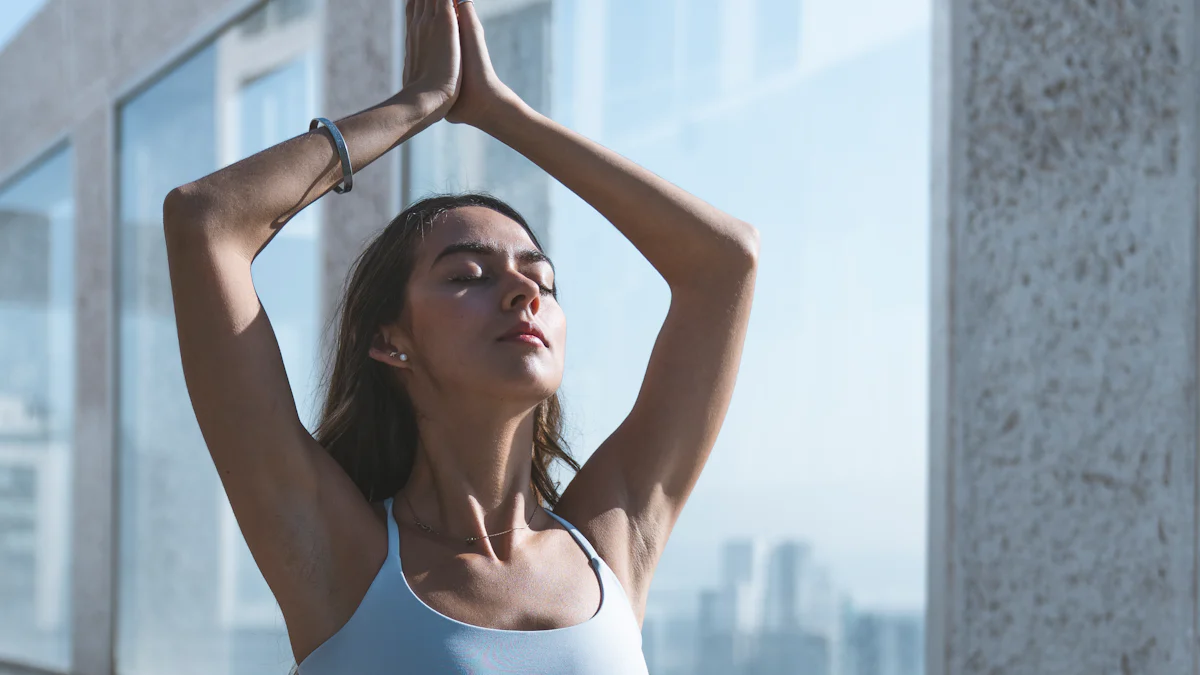
Image Source: pexels
Starting a Sivananda Yoga practice can be a transformative experience. This form of yoga, known worldwide, combines asanas, breathing techniques, and meditation, creating a holistic approach to health and well-being. In Poland, [Sivananda Yoga](https://bosonamacie.pl/polscy-jogini-sie-policzyli is gaining popularity), offering access to a practice tailored to each participant's individual abilities. With regular practice, you can improve your physical and mental health and find inner peace and harmony.
Basic Sivananda Yoga Asanas
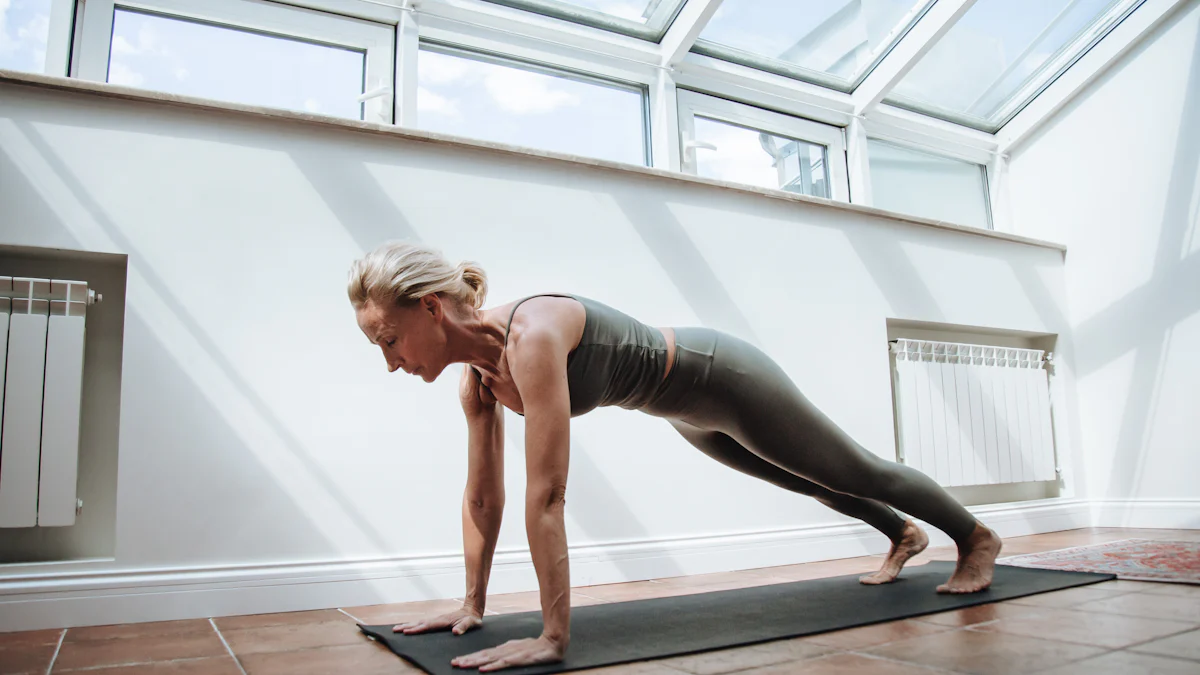
Image Source: pexels
Corpse Pose (Savasana)
Corpse Pose, known as Savasana, is one of the most important asanas in Sivananda yoga practice. In this pose, you lie on your back with your arms at your sides and your legs slightly apart. Savasana promotes deep relaxation and regeneration. Regular practice of this asana can reduce stress and improve sleep quality. Scientific research indicates that meditation and relaxation in Savasana can reduce stress levels (https://portalyogi.pl/blog/czy-joga-wydluza-zycie-badania-naukowe-udowodnija/), positively impacting the hypothalamic-adrenal axis.
Crocodile Pose (Makarasana)
Crocodile Pose, or Makarasana, is another key asana in Sivananda Yoga. In this pose, you lie on your stomach, with your hands folded under your forehead, and your legs hip-width apart. Makarasana helps relax the back muscles and improve spine flexibility. Regularly practicing this asana can relieve back pain and improve posture. This pose can also increase body awareness and the ability to respond to bodily sensations.
Plow Pose (Halasana)
Plow Pose, known as Halasana, is a more advanced asana that requires some flexibility. In this pose, you lie on your back and then raise your legs above your head until your feet touch the floor behind your head. Halasana strengthens the abdominal and back muscles and also improves blood circulation. Regular practice of this asana can help reduce stress and improve heart function. Studies show that yoga, including Halasana, can improve cardiorespiratory parameters and increase muscle strength.
Fish Pose (Matsyasana)
Fish Pose, known as Matsyasana, is an asana that opens the chest and strengthens the back muscles. In this pose, you lie on your back, lifting your chest and resting on your elbows, with your head slightly tilted back. Matsyasana helps improve posture and increases spine flexibility. Regular practice of this asana can also support respiratory health, which is especially beneficial for people with asthma. Scientific research indicates that yoga, including Matsyasana, can improve oxygen flow to cells, which affects overall body function.
Cobra Pose (Bhujangasana)
Cobra Pose, or Bhujangasana, is one of the most recognizable asanas in Sivananda Yoga. In this pose, you lie on your stomach, lifting your upper body with your arms, with your elbows close to your body. Bhujangasana strengthens the back muscles and improves spine flexibility. Regular practice of this asana can help relieve back pain and improve posture. Furthermore, Bhujangasana stimulates the abdominal organs, which can support digestion and improve digestive function.
Locust Pose (Shalabhasana)
Locust Pose, also known as Shalabhasana, is an asana that strengthens the lower back and glutes. In this pose, you lie on your stomach, lifting your legs and chest simultaneously, with your arms extended by your sides. Shalabhasana helps improve spinal flexibility and strengthens the abdominal muscles. Regular practice of this asana can help reduce stress and improve overall muscle strength. Studies show that yoga, including Shalabhasana, can increase muscle strength and improve cardiorespiratory parameters, which is beneficial for heart health.
Bow Pose (Dhanurasana)
Bow Pose, also known as Dhanurasana, is a dynamic asana that engages the entire body. In this pose, you lie on your stomach, grasping your ankles with your hands and lifting your chest and legs to form a bow shape. Dhanurasana strengthens the back muscles (https://naukawpolsce.pl/aktualnosci/news%2C103276%2Cpotencjal-jogi-w-profilaktyce-i-leczeniu-jest-wielki-co-pokazuja-badania), arms, and legs, while improving spinal flexibility. Regular practice of this asana can help improve posture and muscle strength. Scientific research indicates that yoga, including Dhanurasana, can increase muscle strength and improve cardiorespiratory parameters, which is beneficial for heart health.
Half Moon Pose (Ardha Chandrasana)
Half Moon Pose, or Ardha Chandrasana, is an asana that develops balance and coordination. In this pose, you stand on one leg, raising the other leg back while simultaneously leaning your torso forward, creating a crescent shape. Ardha Chandrasana strengthens the leg muscles and improves hip flexibility. Regular practice of this asana can help increase body awareness and the ability to respond to bodily sensations. Research shows that yoga practices, including Ardha Chandrasana, can alleviate psychosomatic symptoms and improve well-being.
Tree Pose (Vrikshasana)
Tree Pose, known as Vrikshasana, is a classic asana that develops concentration and stability. In this pose, you stand on one leg, with the other bent and the foot resting on the inner thigh. Vrikshasana strengthens the leg muscles and improves balance. Regular practice of this asana can help reduce stress and improve concentration. Scientific studies indicate that yoga, including Vrikshasana, can reduce stress levels and positively impact the hypothalamic-pituitary-adrenal axis, contributing to overall relaxation and harmony of body and mind.
Triangle Pose (Trikonasana)
Triangle Pose, known as Trikonasana, is one of the fundamental asanas in the practice of sivananda yoga. In this pose, you stand with your legs wide apart and then bend to the side, touching your ankle or the floor with one hand while your other arm lifts upward. Trikonasana develops balance and flexibility while strengthening the leg and spine muscles.
The health benefits of practicing Trikonasana regularly are numerous. This pose improves blood circulation, which is beneficial for heart health. Scientific research indicates that regular yoga practice, including Trikonasana, can increase muscle strength and improve cardiorespiratory function. This can help you feel more energized and feel better every day.
Trikonasana also helps reduce stress and improve concentration. Performing this asana requires focus and precision, which helps develop concentration skills. Regular practice can also alleviate psychosomatic symptoms such as muscle tension and headaches, as confirmed by numerous studies.
To perform Trikonasana correctly, remember a few key elements:
-
Foot Position: Spread your legs about three feet apart. Your front foot should point forward, and your back foot should point slightly outward.
-
Hand Position: Extend your arms out to your sides, parallel to the floor, then bend to the side, touching your ankle or the floor with your hand.
-
Breathing: Focus on even and deep breathing, which will help maintain balance and concentration.
Regularly practicing Trikonasana as part of Sivananda Yoga can bring many health benefits and improve your overall quality of life. Remember to adapt the pose to your individual abilities and avoid excessive tension.
How to Perform Asanas
Technique and Posture
Performing asanas in Sivananda Yoga requires precise technique and proper posture. Each asana has its own unique requirements, which you must understand to reap its full benefits. Swami Vishnu, proponent of the Sivananda Method, compares asanas to a lubricant that allows all parts of the body to function smoothly. To achieve harmony, focus on proper body alignment. Keep your spine straight and your muscles relaxed. Avoid tension and strive for smooth movements. Remember that each pose should be tailored to your individual abilities.
The Importance of Breathing
Breathing plays a key role in the practice of Sivananda Yoga. Swami Vishnu compares pranayama, or breathing techniques, to a battery that provides energy. While performing asanas, focus on deep and even breathing. Inhaling and exhaling should be calm and controlled. This will increase your concentration and relax your mind. Breathing also helps maintain balance and stability in the poses. Regular practice of pranayama supports respiratory health and improves overall bodily function.
Concentration and Meditation
Concentration and meditation are integral elements of Sivananda Yoga. Swami Sivananda, a renowned Indian master and physician, recommended yoga practice as a way to develop the mind. While performing asanas, focus on the present moment. Bring your attention to your body and breathing. Meditation helps you achieve inner peace and harmony. Regular meditation practice strengthens your concentration and reduces stress. This allows you to better cope with everyday challenges.
Benefits of Sivananda Yoga Practice
Physical Benefits
Practicing Sivananda Yoga offers numerous physical benefits. Regularly practicing asanas strengthens muscles, improves flexibility, and increases endurance. Research from the Patanjali Research Foundation shows that yoga increases muscle strength in the upper and lower limbs, and back, which is particularly beneficial for obese individuals. Regular exercise can also improve posture and reduce the risk of injury. Yoga helps maintain a healthy circulatory system, as confirmed by Harvard research demonstrating its effectiveness in preventing frailty in seniors.
Mental Benefits
Sivananda Yoga has a positive impact on mental health. Regular practice helps reduce stress and improve concentration. Research from the University of Illinois Urbana-Champaign has shown that yoga improves brain functions such as working memory and inhibitory control. This will help you better cope with everyday challenges and increase your effectiveness in school and work. Yoga also alleviates symptoms of depression (https://www.acusmed.pl/blog/co-daje-joga-wplyw-jogi-na-zdrowie/) and anxiety, contributing to a general sense of well-being (https://naukawpolsce.pl/aktualnosci/news%2C103276%2Cpotencjal-jogi-w-profilaktyce-i-leczeniu-jest-wielki-co-pokazuja-badania).
Spiritual Benefits
The practice of Sivananda yoga is not limited to physical and mental benefits. Yoga also has a profound impact on spiritual development. Through meditation and concentration, you can achieve inner peace and harmony. Yoga helps you discover your identity and understand your place in the world. With regular practice, you can develop empathy and compassion, which leads to deeper relationships with others. Sivananda Yoga is not just a physical practice, but also a path to self-discovery and spiritual growth.
Tips for Beginners
Starting a yoga practice may seem challenging, but with the right guidance, it becomes a pleasant experience. Here are some tips to help you get started. Starting a Yoga Practice
How to Get Started
-
Choose the Right Place: Find a quiet spot in your home where you can concentrate. Make sure you have enough space to perform the asanas freely.
-
Invest in a Yoga Mat: A good mat will provide comfort and stability during your practice. Choose one that is non-slip and of the right thickness.
-
Establish a Regular Schedule: Practice yoga at the same time each day. Regularity will help you build a habit and increase the effectiveness of your practice.
-
Start with the Basics: Focus on basic asanas like Corpse Pose and Tree Pose. These poses will help you build a foundation and understand the technique.
-
Listen to Your Body: Don't push yourself. If you feel pain, stop. Yoga isn't a race, but a journey to better understand yourself.
Common Mistakes and How to Avoid Them
-
Pace Too Fast: Many beginners want to move quickly to advanced poses. Focus on technique and breathing, not speed.
-
Poor Posture: Make sure you're performing the asanas correctly. You can refer to instructional videos or ask an instructor for help.
-
Forgetting to Breathe: Breathing is key in yoga. Focus on deep and even breathing, which will help you concentrate and relax.
Motivation for Regular Practice
-
Set Goals: Determine what you want to achieve through yoga. It could be improved flexibility, reduced stress, or better concentration.
-
Track Progress: Record your achievements and the changes you notice in your body and mind. This will help you see how far you've come.
-
Find Support: Join a yoga group or find a partner to practice with. Practicing together can be motivating and inspiring.
-
Enjoy the Process: Remember that yoga is not just physical exercise, but also a spiritual journey. Enjoy every moment and be patient with yourself.
_"I've been practicing yoga for years, but the workshops with the Krakow yoga school opened my eyes to new aspects of the practice. This experience showed me how important it is to constantly learn and develop," says one practitioner.
Beginning a yoga practice is the first step to better health and well-being. Over time, you'll notice its positive impact on your life.
Sivananda Yoga and Its Unique Elements
The Role of Breathing Exercises
Breathing exercises, known as pranayama, play a key role in Sivananda yoga practice. Pranayama is a technique that helps control your breathing, which is essential for achieving inner peace and concentration. During yoga practice, you focus on deep and even breathing, which allows for better oxygenation of the body and reduction of stress.
"Breathing is the bridge between body and mind," Swami Sivananda said, emphasizing the importance of pranayama in daily practice.
Regular breathing exercises can improve respiratory function and increase the body's endurance. Research shows that pranayama has a beneficial effect on mental health, helping to reduce symptoms of anxiety and depression. Thanks to pranayama, you can better cope with everyday challenges while maintaining calm and balance.
Adapting poses to individual abilities
One of the unique elements of Sivananda yoga (https://joga-abc.pl/sivananda-joga-magdalena-dymarczyk/) is adapting the asanas to the individual abilities of the practitioner. Each person has different needs and limitations, so it's important to listen to their body and adapt the poses to their own abilities.
Yoga instructors emphasize that precision in performing the asanas accelerates progress and helps to work through muscle and joint blockages. Therefore, it's worth using additional accessories, such as straps or blocks, that facilitate proper execution of the poses.
"Yoga is a journey to the inner self, not a race," experienced practitioners remind us, encouraging patience and understanding.
Adapting the poses to individual abilities allows for a safe and effective practice that brings both physical and mental benefits. This makes Sivananda yoga accessible to everyone, regardless of age or skill level.
In short, Sivananda Yoga offers comprehensive benefits for body, mind, and spirit. Regular practice strengthens muscles, improves flexibility, and reduces stress. Scientific studies confirm that yoga reduces cortisol levels, improves posture, and alleviates psychosomatic symptoms. We encourage you to embark on this transformative journey. Discover the inner peace and harmony that yoga can bring. We invite you to explore further and discover new facets of this ancient practice. See also
How to Start Your Ashtanga Yoga Journey
How to Start the First Ashtanga Series Practice
How to Initiate Easy Boho Yoga Classes
How to Start an Ashtanga Practice with an Instructor
[How to Start a 20-Minute Yoga Session for Novices

Written by
Maria Yogalife
Maria | Yoga & Wellness Writer at YogaLife.World Maria is a passionate yoga and wellness writer at YogaLife.World, dedicated to sharing knowledge, inspiration, and practical guidance for a healthier, more balanced lifestyle. Through her articles, she explores yoga practices, meditation, mindfulness, holistic wellness, and the transformative benefits of mindful living. With an accessible and inspiring approach, Maria helps readers of all levels discover new practices, deepen their understanding of yoga, and bring greater balance, awareness, and well-being into their everyday lives.
Visit website


