
Dog Yoga Pose: Quick and Easy Guide
Image Source: unsplash
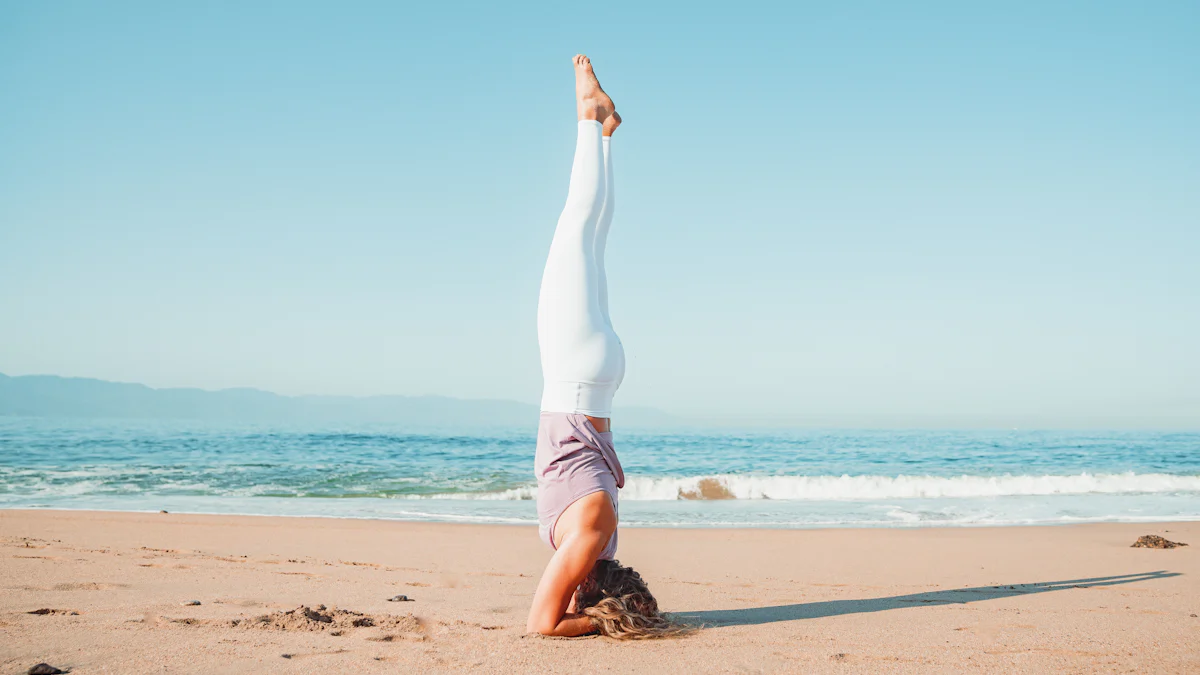
The dog yoga pose, known as Adho Mukha Svanasana, is one of the most popular postures in Hatha Yoga. To perform it, you should start in a quadruped position, raising your hips and forming an inverted "V" with your body. This posture not only tones the muscles of the arms and legs, but also helps relieve stress and anxiety. Furthermore, it improves flexibility and promotes mental balance, making it an essential practice for physical and emotional well-being.
Preparation for Downward-Facing Dog Yoga
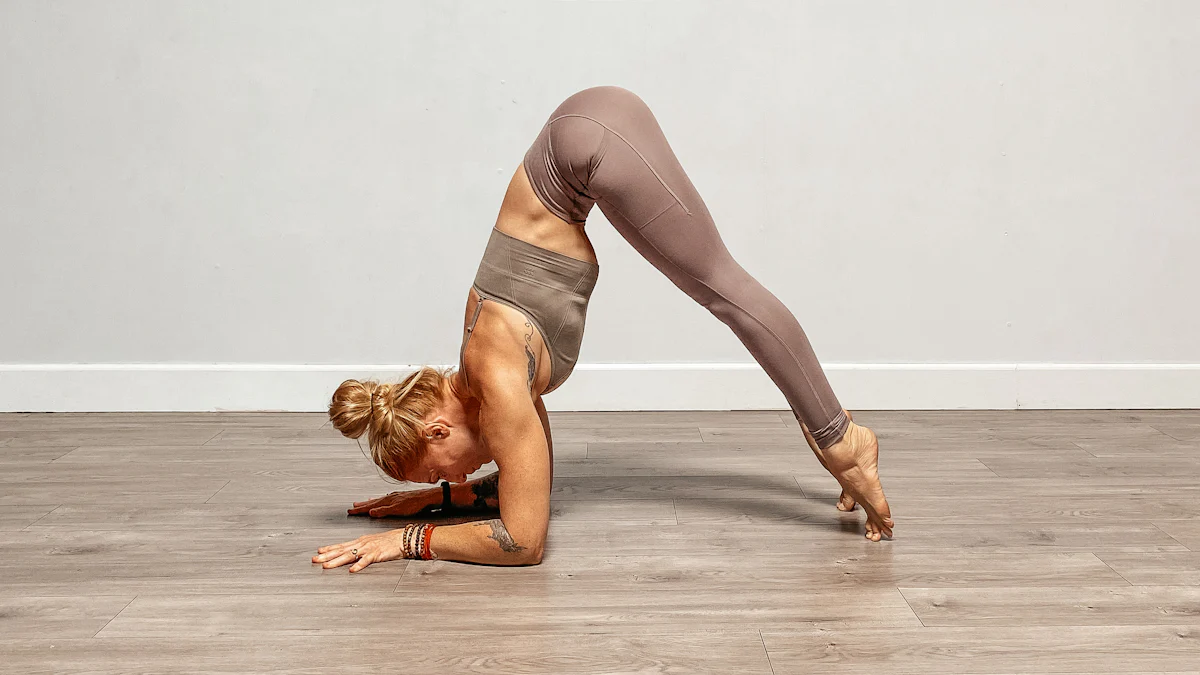
Image Source: unsplash
Before diving into the practice of Downward-Facing Dog Yoga, it's essential to prepare both your body and your environment. This preparation ensures that you perform the pose safely and effectively, maximizing its benefits.
Preparing the Body
Initial Warm-up and Stretching
To begin, warm up your body with some light exercises. Movements like arm circles and hip rotations help loosen the joints. Initial stretching is crucial to prevent injuries and prepare the muscles for the downward-facing dog yoga pose. Focus on stretching the muscles in your legs and shoulders, as they are heavily used during the pose.
Importance of Breathing
Breathing plays a vital role in yoga practice. During preparation, practice deep, controlled breathing. Inhale through your nose, filling your lungs, and exhale slowly. This technique not only oxygenates the body but also calms the mind, preparing you for the downward-facing dog yoga pose. As mentioned by a Yoga Instructor (https://yogalife.world/blog/pt-br/atividade-e-exercicios-que-voce-pode-fazer-com-o-seu-cao/), the combination of breathing and stretching techniques is fundamental for effective practice.
Preparing the Space
Choosing a Suitable Location
Choosing the right place to practice the downward-facing dog yoga pose is essential. Look for a quiet space where you can concentrate without interruptions. A calm environment helps maintain focus and connection with the practice.
Use of a yoga mat or comfortable surface
A yoga mat provides the necessary grip for the downward-facing dog yoga pose. If you don't have a mat, choose a comfortable, non-slip surface. This prevents slipping and ensures you maintain the correct posture. The proper surface also protects your joints, allowing you to focus on performing the pose.
By following these preparation steps, you will be ready to make the most of the downward-facing dog yoga pose, integrating body and mind in a harmonious practice.
Performing the Downward-Facing Dog Pose
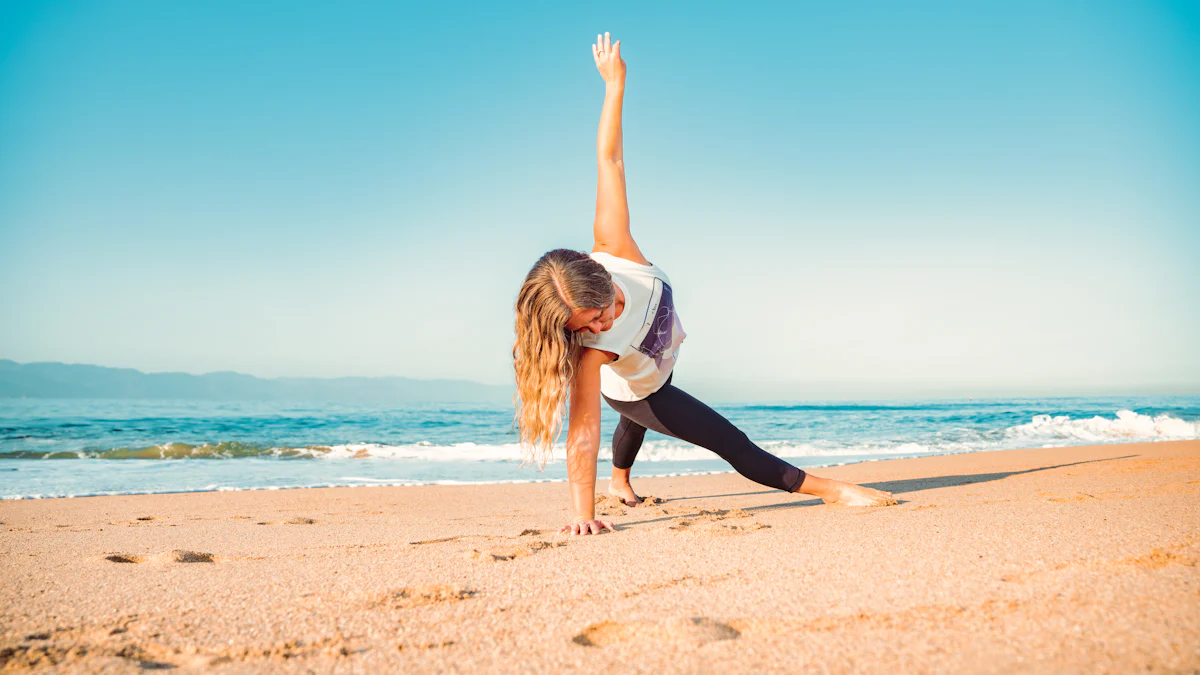
Image Source: unsplash
Step-by-Step Instructions for Getting into the Pose
To perform the Downward-Facing Dog pose, follow these detailed instructions:
-
Start on all fours: Place your hands and knees on the floor. Keep your wrists aligned with your shoulders and your knees aligned with your hips.
-
Raise your hips: Inhale deeply and, as you exhale, lift your hips toward the ceiling. Form an inverted "V" with your body. Keep your arms and legs extended.
-
Position your hands and feet: Your hands should be firmly planted on the floor, with your fingers spread wide. Your feet should be hip-width apart, with your heels pointing towards the floor.
-
Adjust your spine: Lengthen your spine, pushing the floor with your hands. Keep your head between your arms, looking towards your feet.
-
Breathe deeply: Keep your breathing fluid and steady. With each inhale, lengthen your spine. With each exhale, deepen the pose.
Tip: The downward-facing dog yoga pose is not just a [resting pose], but can also be adapted to be more dynamic and active, [energizing and rejuvenating] the body.
Adjustments and Tips
To ensure comfort and effectiveness in the downward-facing dog yoga pose, consider the following adjustments:
-
Adjust the distance between your hands and feet: If you feel discomfort in your shoulders or back, try adjusting the distance between your hands and feet. This can help relieve tension.
-
Slightly bend your knees: If your heels don't touch the ground, don't worry. Slightly bending your knees can help lengthen your spine and relieve pressure on your legs.
-
Common mistakes and how to avoid them:
-
Poorly positioned hands and feet: Make sure your hands are wide open and your feet are hip-width apart.
-
Arched spine: Keep your spine straight and elongated, avoiding arching your back.
-
Shallow breathing: Remember to breathe deeply, which helps maintain posture and calm the mind.
Regular practice of the Downward Facing Dog yoga pose can improve blood flow, increase lung capacity, and strengthen chest muscles. With attention to detail and adjustments, you can maximize the benefits of this essential yoga pose.
Benefits of Downward Facing Dog Yoga Pose
The Downward Facing Dog yoga pose offers a range of benefits that go beyond the physical, also promoting mental well-being. By integrating this pose into your regular practice, you can experience significant improvements in various areas of your life.
Physical Benefits
Improved Flexibility and Strength
The Downward Facing Dog yoga pose is excellent for increasing flexibility. By practicing it, you stretch your spine, hamstrings, calves, and Achilles tendons. This not only improves flexibility but also strengthens the chest muscles, arms, shoulders, legs, and feet. This posture tones muscles and promotes better blood flow throughout the body, increasing lung capacity.
Relief from tension and pain
Practicing the downward-facing dog yoga pose regularly can help relieve tension and pain, especially in the back. The posture reduces headaches and insomnia, in addition to strengthening bones. By oxygenating the body, you reduce accumulated tension, providing significant relief for the body.
Mental Benefits
Stress and Anxiety Reduction
The downward-facing dog yoga pose calms the mind, helping to relieve stress and anxiety. By practicing this posture, you stimulate better blood flow to the brain, which can help relieve headaches and fatigue. Regular practice of this posture promotes a feeling of tranquility and mental well-being.
Increased Concentration and Focus
In addition to calming the mind, the downward-facing dog yoga pose also increases concentration and focus. By maintaining the pose, you engage your core muscles and strengthen your abdominal organs, which helps keep your mind alert and focused. This pose is an excellent way to improve mental clarity and concentration.
Incorporating the downward-facing dog yoga pose into your routine can bring lasting benefits to both body and mind. By practicing regularly, you not only improve your physical health but also promote a mental balance essential for overall well-being.
In this guide, you learned the importance of proper preparation and correct execution of the downward-facing dog yoga pose. This pose offers numerous physical and mental benefits, such as increased flexibility, tension relief, and improved concentration. Regular practice can transform your health and well-being.
Tip: Integrate the downward-facing dog yoga pose into your daily yoga routine. This not only enhances your practice but also promotes a harmonious balance between body and mind. Try it and feel the difference in your life!
See also
Yoga Poses for Two: A Beginner's Guide
Yoga on the Wall: A Practical Guide for Everyone
Surya Namaskar: An Easy Guide for Practitioners

Written by
Maria Yogalife
Maria | Yoga & Wellness Writer at YogaLife.World Maria is a passionate yoga and wellness writer at YogaLife.World, dedicated to sharing knowledge, inspiration, and practical guidance for a healthier, more balanced lifestyle. Through her articles, she explores yoga practices, meditation, mindfulness, holistic wellness, and the transformative benefits of mindful living. With an accessible and inspiring approach, Maria helps readers of all levels discover new practices, deepen their understanding of yoga, and bring greater balance, awareness, and well-being into their everyday lives.
Visit website


