
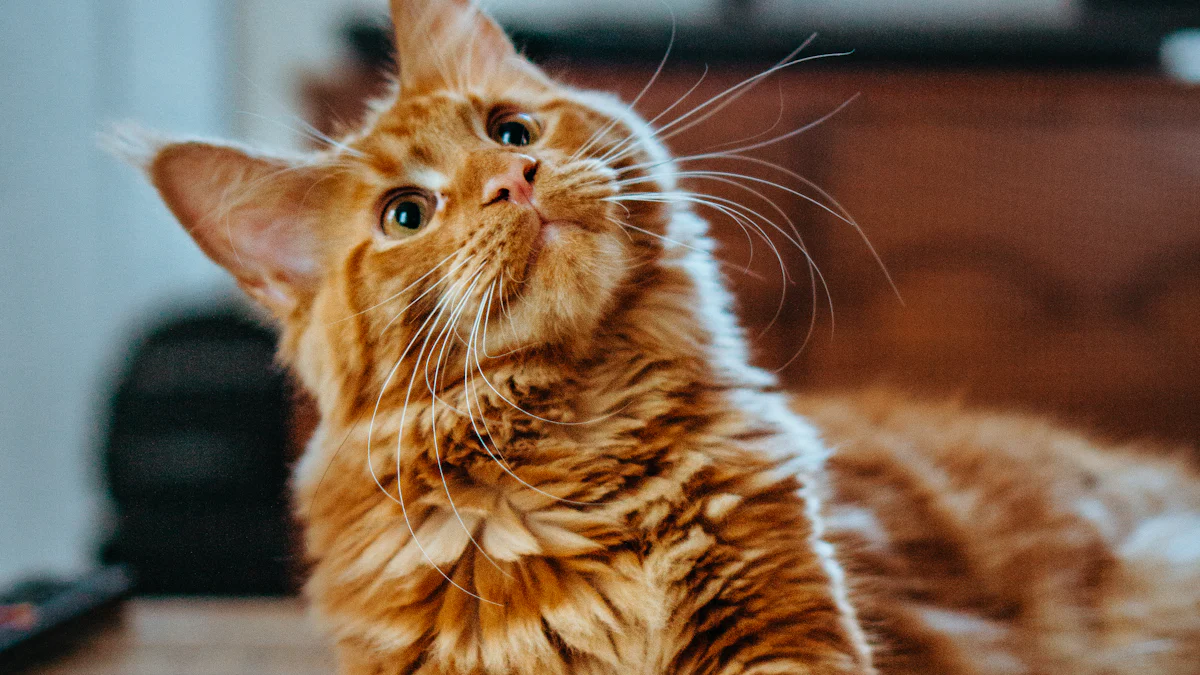
Image Source: unsplash
Have you ever heard of Animal Yoga? This fun and educational practice combines yoga movements with animal-inspired postures. Created for children, it helps develop body awareness and motor coordination. In addition, Animal Yoga stimulates creativity and improves concentration. Children become calmer and more focused, which contributes to better school performance. With the "Animal Yoga Printable" guide, you can bring this experience home, making learning even more accessible and engaging.
What is Animal Yoga?
Origin and Purpose
History of the Practice
Animal Yoga emerged as an innovative way to introduce children to the world of yoga. Inspired by animal postures, this practice seeks to make learning more playful and accessible. By imitating the movements of different animals, children connect with nature and develop physical and emotional skills. This fun and educational approach has its roots in ancient traditions but has been adapted to meet the needs of modern children.
Main Objectives
The main objective of Animal Yoga is to promote children's well-being. The practice aims to increase body awareness, helping children better understand their bodies and limits. Furthermore, it aims to improve motor coordination and concentration, essential aspects for school and emotional development. Another objective is to stimulate creativity, allowing children to explore new forms of movement and expression.
Benefits for Children
Development of body awareness
Practicing Animal Yoga helps children develop greater body awareness. By imitating animal postures, they learn to perceive their own movements and understand how the body works. This not only improves posture but also contributes to better balance and coordination.
Improvement of motor coordination
Motor coordination is fundamental for child development. Animal Yoga, with its animal-inspired postures, offers a fun way to improve this skill. Studies show that regular yoga practice can increase children's strength, physical endurance, and balance, preparing them for more complex physical activities.
Increased Concentration
Concentration is a crucial skill for academic success. Animal Yoga teaches children to focus on their postures and movements, which can translate into better concentration in the classroom. Parents report that after practicing yoga, their children demonstrate more calmness and focus, resulting in improved academic performance.
Stimulating Creativity
Animal Yoga is not just about movement; it's also a form of creative expression. By imitating animals, children are encouraged to use their imagination and explore new ways to move. This not only stimulates creativity but also promotes emotional development, helping children express themselves more freely and confidently.
How to Practice Animal Yoga
Practical Activities
Practicing Animal Yoga is a fun and educational experience for children. You can start with simple activities involving animal sounds and movements.
Imitating Animal Sounds
Encourage children to imitate animal sounds. This not only makes the practice more fun but also helps develop auditory and speech skills. For example, ask them to roar like a lion or croak like a frog. This activity stimulates creativity and vocal expression.
Animal-Inspired Movements
Animal-inspired movements are at the heart of Animal Yoga. You can teach children to move like a slithering snake or a stretching cat. These movements help improve motor coordination and body awareness. Children learn to control their bodies while having fun imitating their favorite animals.
Practicing at Home
Practicing Animal Yoga at home is a great way to spend quality time with your children. Here are some tips to make this experience even more enjoyable.
Tips for Parents and Caregivers
Create a safe and comfortable environment for practice. Choose a space with a soft floor or use a yoga mat. Always supervise children during activities to ensure their safety. Children's yoga teachers often emphasize the importance of supervision to prevent accidents and ensure children practice the poses correctly.
Sample Sessions
You can start with short sessions of 10 to 15 minutes. Begin with a light warm-up, such as simple stretches. Then, introduce some animal poses, such as the downward-facing dog or cat pose. Finish with a relaxation activity, such as lying on your back and breathing deeply. This structure helps children focus and calm down, which can improve their [school performance and posture], as reported by many parents.
Printable Animal Yoga
Image Source: unsplash
Additional Resources
To enrich the practice of Printable Animal Yoga, you can explore various additional resources that make the experience even more fun and educational.
Books and Materials
Books are an excellent way to introduce children to the world of yoga. One example is the book "[Yoga for Adults and Children] - Learning with Animals," which presents yoga postures inspired by animals. Each posture is accompanied by illustrations and detailed descriptions, making practice at home easier. In addition, the book offers stories and interesting facts about animals, encouraging imagination and learning.
Illustrated Decks
The illustrated decks from Yoga of the Animals are incredible tools for teaching yoga interactively. With 165 cards (https://www.yogadosbichos.com.br/pages/visite-a-pagina-do-projeto-yoga-dos-bichos?srsltid=AfmBOoojrtpjTZAC47U8jDZZLkcqXbRC5BfN-w7dzmKfUoLEnwKwuHZc), each representing an animal and its corresponding pose, these decks spark children's curiosity about global fauna. The cards not only aid in practicing the poses but also encourage the creation of stories and activities, promoting creativity and ecological awareness.
Educational Videos
Educational videos are valuable resources for learning yoga in a visual and dynamic way. They allow children to see the poses in action and follow the step-by-step instructions.
Channels and Platforms
You can find a variety of videos about Animal Yoga on platforms like YouTube. Channels dedicated to children's yoga offer free classes that you can watch with your children. These videos are a great way to learn new poses and techniques, as well as providing fun family moments.
Suggested Content
Look for content that combines yoga with animal stories. Videos that narrate adventures while teaching poses are especially engaging for children. They not only keep the little ones' attention but also stimulate their imagination and creativity. By integrating these resources into the practice of Printable Animal Yoga, you create a rich and educational experience that children will love.
Creating a Safe and Comfortable Environment
Preparing the Space
To ensure that the Animal Yoga practice is safe and enjoyable, it is essential to prepare the space properly. Here are some tips to get you started:
Choosing the Location
Choose a quiet and distraction-free location. A calm environment helps children concentrate better on the activities. An outdoor space, such as a garden, can be ideal, but a spacious room indoors also works well. Make sure the location is safe and free of objects that could cause accidents.
Necessary Materials
You will need some basic materials for practice. A yoga mat is essential for comfort and to prevent slips. Also, have cushions or blankets on hand to support children in some poses. These items help create a welcoming and safe environment, allowing children to focus on the practice without worry.
Safety Tips
Safety is a priority when it comes to children's activities. Here are some tips to ensure that Animal Yoga practice is safe for everyone.
Adult Supervision
Adult supervision is essential during practice. You should be present to guide the children and ensure they perform the poses correctly. Cris Pitanga, a specialist in children's yoga, emphasizes that supervision helps prevent accidents and ensures that children practice safely. Furthermore, the presence of an adult can make the experience more fun and interactive.
Environmental Care
Make sure the environment is free of sharp or dangerous objects. Remove furniture that could cause accidents and keep the space well-lit. Michelle, an enthusiast of yoga for children, highlights that the practice teaches children to care for their environment with love and affection. By creating a safe space, you are also teaching children to value caring for their surroundings.
By following these guidelines, you will be creating a safe and comfortable environment for practicing Animal Yoga. This not only ensures the safety of children, but also contributes to a more enriching and fun experience.
Animal Yoga offers numerous benefits for children. It improves posture, calms the most restless and awakens the most apathetic. In addition, it increases concentration and school performance. Regular practice helps children develop focus, strength, and flexibility. Encourage your child to explore this practice at home. By doing so, they will discover their abilities and increase their self-esteem. Remember, each session is an opportunity for growth and self-discovery. Continue encouraging this fun and educational journey!
See also
Practical Guide for Yoga Beginners in Contagem
Essential Manual for Male Beginners in Yoga
Explore Atibaia: Top Yoga Studios

Written by
Maria Yogalife
Maria | Yoga & Wellness Writer at YogaLife.World Maria is a passionate yoga and wellness writer at YogaLife.World, dedicated to sharing knowledge, inspiration, and practical guidance for a healthier, more balanced lifestyle. Through her articles, she explores yoga practices, meditation, mindfulness, holistic wellness, and the transformative benefits of mindful living. With an accessible and inspiring approach, Maria helps readers of all levels discover new practices, deepen their understanding of yoga, and bring greater balance, awareness, and well-being into their everyday lives.
Visit website


