
Image Source: pexels
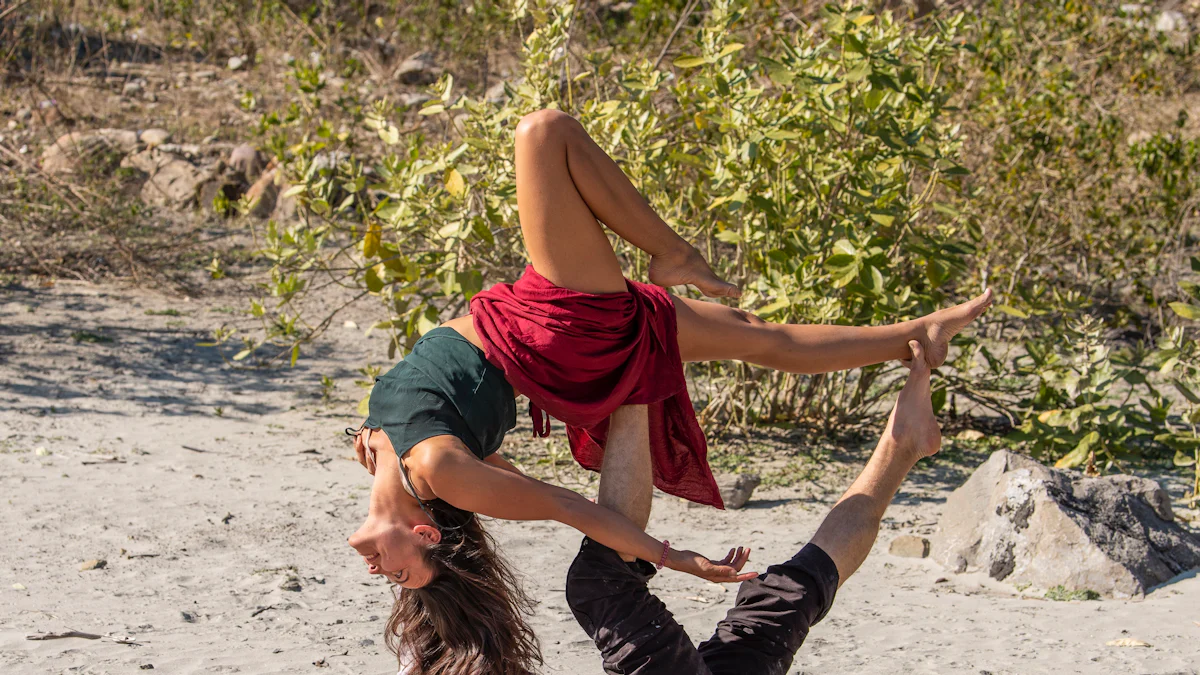
Have you ever heard of yoga for two? This practice not only strengthens the body but also strengthens emotional bonds. Starting with beginner poses is essential. This ensures that you and your partner develop trust and harmony from the beginning. Furthermore, yoga for two promotes union, complicity, and even passion. By practicing together, you not only improve flexibility, but also strengthen the emotional connection. So, how about trying this journey of well-being and partnership?
What is Yoga for Two?
Yoga for Two, also known as partner yoga, is a practice that involves two people working together to perform yoga postures. This modality not only challenges the body but also strengthens the connection between partners. Let's explore more about what this practice is and its benefits.
Definition and Concept
Yoga for Two is a form of yoga that focuses on cooperation and synchronicity between two people. Unlike individual yoga, where you focus on your own breath and posture, in yoga for two, you need to be in sync with your partner. This creates a unique experience of unity and collaboration.
History of Partner Yoga
The practice of partner yoga has ancient roots, but has gained popularity in recent decades. Originally, yoga was a solitary practice, but over time, people began to realize the benefits of practicing in pairs. This modern approach to yoga emphasizes the importance of human connection and partnership.
Differences between Individual and Partner Yoga
In individual yoga, you focus on your own body and mind. In partner yoga, the emphasis is on communication and mutual trust. You and your partner need to work together to maintain balance and correct posture. This not only improves technique but also strengthens the bond between you.
Benefits of Partner Yoga
Practicing partner yoga offers a range of benefits that go beyond the physical. Let's explore some of them.
Physical Benefits
-
Increased Flexibility: Working in pairs allows you to explore a greater range of motion, helping to improve flexibility.
-
Muscle Strengthening: Partner poses require strength and endurance, which contributes to muscle strengthening.
-
Improved Balance: Partner practice challenges your balance, as you need to constantly adjust to your partner's movement.
Emotional and Relational Benefits
-
Improved Communication: Partner yoga requires constant communication, which can improve your communication skills off the mat.
-
Increased Confidence: Trusting your partner to support and guide you through complex poses strengthens mutual trust.
-
Closeness and Intimacy: Practicing together creates a safe space to explore intimacy and emotional connection. "Yoga means union." (https://ge.globo.com/eu-atleta/treinos/noticia/yoga-para-casais-atividade-trabalha-corpo-mente-e-libido.ghtml). And according to yoga instructor Adriana Camargo, this union, in the practice of people who like each other, know each other, and share a life, helps to further improve the relationship, working on body, mind, trust, intimacy, and libido.
Yoga for Two is not just a physical practice; it's a journey of discovery and connection. By exploring these postures together, you and your partner can find a new level of understanding and mutual support.
Preparation for Practice
Before diving into the world of yoga for two, it's essential to prepare properly. This ensures that you and your partner have a safe and enjoyable experience. Let's explore how to create the perfect environment and what materials are needed to get started.
Environment and Necessary Materials
Choosing the Location
Choosing the right location makes all the difference in practicing yoga in pairs. Look for a quiet space free from distractions. It could be a room at home, a garden, or even a park. The important thing is that the environment allows you to concentrate on each other and on the postures. Make sure the space is large enough for both of you to move freely without bumping into furniture or objects.
Equipment and Accessories
To begin, a good yoga mat is essential. The Yoga Mat for Beginners is an excellent choice, as it offers comfort and grip, fundamental for the practice. Additionally, consider investing in a Comfort Beginner Yoga Kit. This kit includes yoga blocks and stretching straps, which are great for helping with posture execution and providing greater versatility. These accessories are especially useful for beginners, as they assist in the safe and effective progression of postures.
Tips for Beginners
Importance of Warming Up
Before starting any yoga session, it is crucial to warm up the body. Warming up prepares the muscles and joints, reducing the risk of injury. Start with gentle movements, such as neck and shoulder rotations, followed by light stretches. This not only helps prevent injuries but also improves flexibility and readiness for more challenging poses.
Communication with Your Partner
Communication is key to a successful partner yoga practice. Talk to your partner about boundaries and expectations before you begin. During practice, maintain an open dialogue about what is working and what needs adjusting. This not only improves the execution of poses but also strengthens trust and connection between you. Remember, partner yoga is a shared journey, and effective communication is what makes this experience truly enriching.
Partner Yoga Poses for Beginners
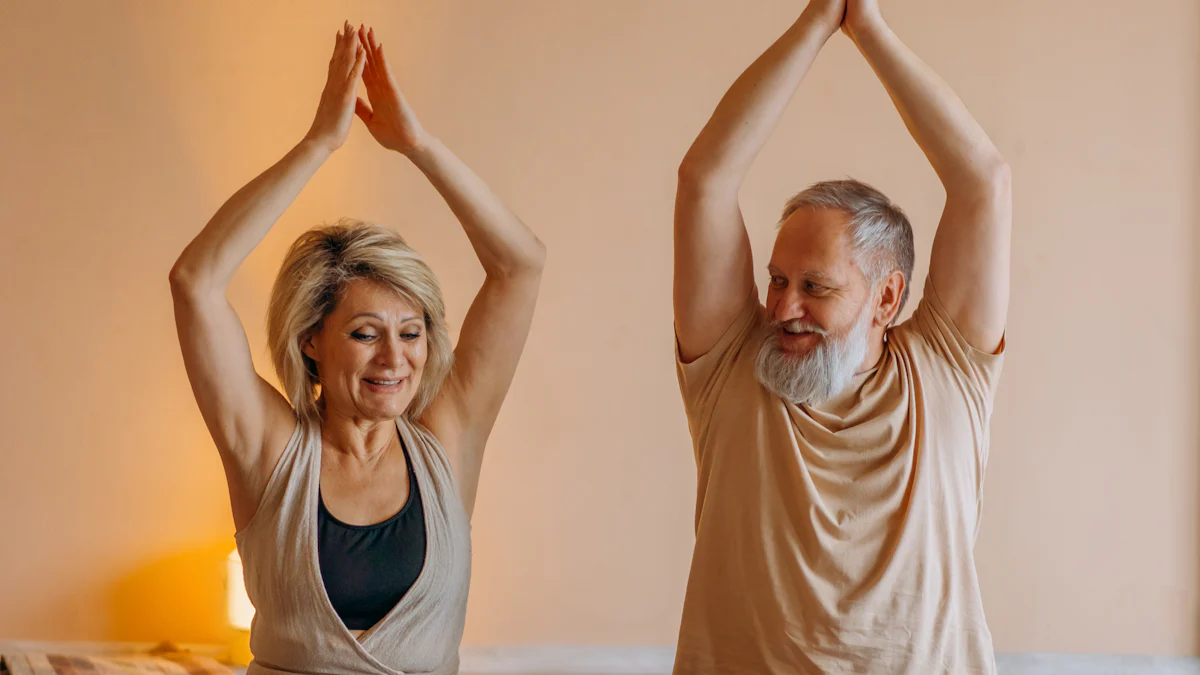
Image Source: pexels
Practicing partner yoga is an amazing way to strengthen both your body and your connection with your partner. Let's explore some basic poses that are perfect for beginners.
Double Mountain Pose
How to Perform
To begin, face each other with your feet together and hands joined in front of your chest. Keep your spine straight and your shoulders relaxed. Breathe deeply and feel the energy flowing between you. This simple pose helps establish a solid foundation of trust and harmony. #### Specific Benefits
The Double Mountain Pose improves posture and balance. Furthermore, it promotes concentration and presence, essential for any yoga practice for two people. By connecting in this pose, you develop a sense of stability and mutual support.
Double Boat Pose
How to Perform
Sit facing each other, with your knees bent and your feet touching your partner's. Hold each other's hands and lift your feet off the ground, extending your legs to form a "V" with your body. Keep your abdomen contracted and breathe deeply while holding the pose.
Specific Benefits
The Double Boat Pose strengthens the core and improves coordination. Working together in this pose helps develop trust and communication, as you need to constantly adjust your balance. This joint practice also promotes relaxation and physical development.
Double Bridge Pose
How to Perform
Lie on your backs, side by side, with your knees bent and feet on the floor. Hold your partner's hands and lift your hips, forming a bridge with your bodies. Hold the position for a few breaths, feeling the connection and mutual support.
Specific Benefits
The Double Bridge Pose strengthens the glutes and lower back. In addition to the physical benefits, this pose promotes intimacy and trust, essential for a successful partner yoga practice. By working together, you develop a deeper understanding of each other's limits and capabilities.
Practicing these partner yoga poses not only improves flexibility and strength, but also strengthens the emotional connection between you. As you explore these poses, you embark on a journey of self-discovery and partnership, creating a safe space to grow together.
Tips for a Safe and Effective Practice
Communication and Trust
Importance of Constant Communication
Communication is the foundation of a successful partner yoga practice. You need to talk to your partner about limits and expectations before you begin. During practice, maintain an open dialogue about what is working and what needs to be adjusted. This not only improves the execution of the poses, but also strengthens trust and the connection between you. As yoga instructor Adriana points out, "doing yoga as a couple helps you better understand your own limits and the limits of your partner." This mutual understanding is essential for a harmonious practice.
Building Mutual Trust
Trust is fundamental in partner yoga. You must trust your partner to support and guide you through complex postures. This mutual trust develops over time and with practice. Adriana, an experienced yoga instructor, emphasizes that "practicing yoga as a couple strengthens the relationship even further." Working together creates a safe space to explore intimacy and emotional connection. This trust not only enhances your yoga practice but also strengthens your bond off the mat.
Adjustments and Modifications
How to Adapt the Poses
Not all yoga poses are suitable for everyone. It's important to adapt the poses to suit your needs and abilities. If a pose feels uncomfortable or challenging, make adjustments. Use props like yoga blocks or stretching belts to make it easier to perform. Remember that the goal is to find a balance between challenge and comfort. Yoga practice should be an enjoyable and safe experience for both of you.
When to Seek Professional Guidance
If you or your partner have questions or difficulties with the poses, consider seeking professional guidance. A qualified yoga instructor can offer valuable tips and help adjust poses to ensure a safe practice. Adriana Camargo, a renowned yoga instructor, emphasizes the importance of adjustments in partner yoga practice. She suggests that, on special occasions, such as Valentine's Day, it's possible to learn partner exercises that complement traditional practice. Seeking professional guidance can enrich your experience and ensure you're on the right track for a safe and effective yoga practice.
Practicing yoga as a couple brings numerous benefits. You strengthen your body, improve flexibility, and, most importantly, strengthen the emotional bond with your partner. Adriana Camargo, a yoga instructor, highlights that this practice helps you get to know your partner's body and mind better, generating even greater intimacy.
To get the most out of it, practice regularly. Consistency is key to reaping all the benefits. If you want to delve deeper, consider exploring books, online videos, or even participating in workshops. This way, you and your partner can continue to evolve together on this journey of well-being and connection.
See also
Essential Guide for Male Beginners in Yoga
Yoga Practice in Contagem: Simple Guide for Beginners
Printable Animal Yoga: Fun Guide

Written by
Maria Yogalife
Maria | Yoga & Wellness Writer at YogaLife.World Maria is a passionate yoga and wellness writer at YogaLife.World, dedicated to sharing knowledge, inspiration, and practical guidance for a healthier, more balanced lifestyle. Through her articles, she explores yoga practices, meditation, mindfulness, holistic wellness, and the transformative benefits of mindful living. With an accessible and inspiring approach, Maria helps readers of all levels discover new practices, deepen their understanding of yoga, and bring greater balance, awareness, and well-being into their everyday lives.
Visit website


