
Image Source: unsplash
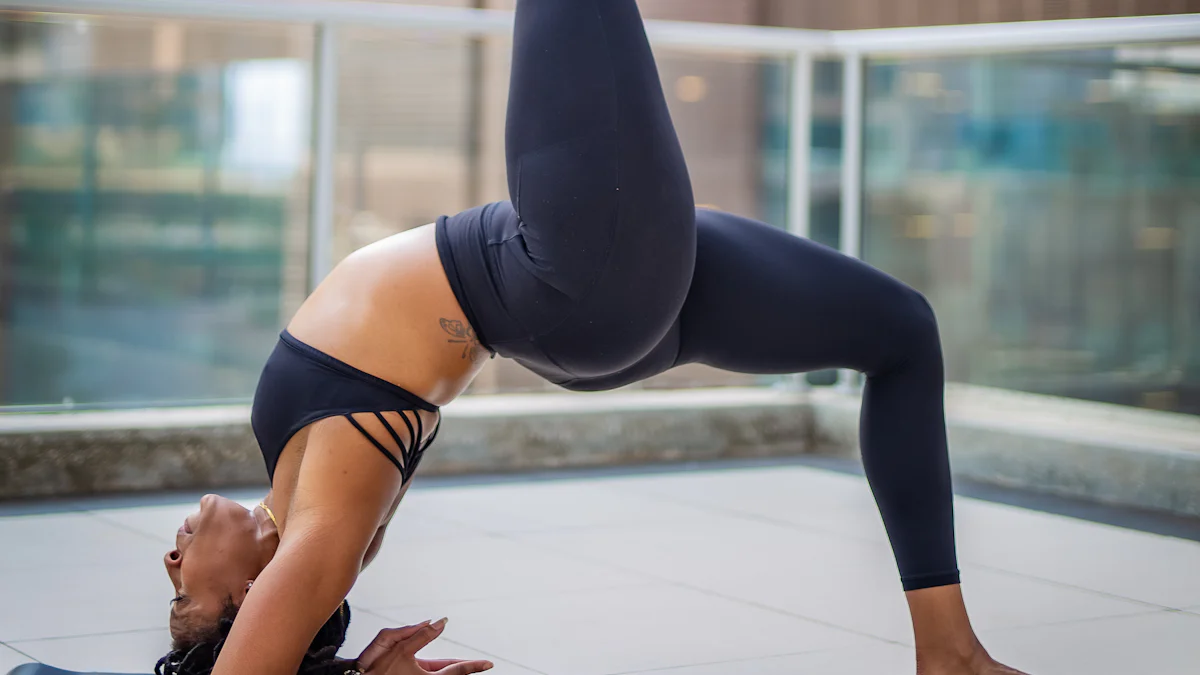
Practicing Surya Namaskar and yoga correctly is essential to maximize the benefits and avoid injuries. When you execute each movement with precision, your body gains flexibility and strength. Additionally, a correct technique improves your overall experience in yoga. You feel a deeper connection between mind and body. Surya Namaskar and yoga, together, provide physical and mental balance. By focusing on posture and breathing, you transform your practice into an enriching day. Therefore, dedicate yourself to learning and applying appropriate techniques to reap all the fruits of this practice of millenarianism.
What is Surya Namaskar?
Definition and Origin
Surya Namaskar, also known as Salutation to the Sun, is a sequence of yoga postures that you perform in a continuous flow. This practice has deep roots in Indian tradition and is an essential part of yoga. Surya Namaskar is believed to have developed as a form of reverence to the sun, a vital source of energy and life. By practicing this sequence, you not only exercise the body, but also cultivate a spiritual connection with nature.
Importance of Yoga
No matter the context of yoga, Surya Namaskar plays a crucial role. It serves as an effective warm-up before more intense yoga sessions. By integrating Surya Namaskar into your daily practice, you improve your flexibility, strength and balance. Additionally, the sequence helps to synchronize breathing with movement, promoting a greater bodily awareness. Surya Namaskar and yoga, together, provide a solid foundation for any practitioner, from beginners to the more experienced. By incorporating this practice, you will experience a physical and mental transformation, becoming more centered and energized.
Benefits of Surya Namaskar
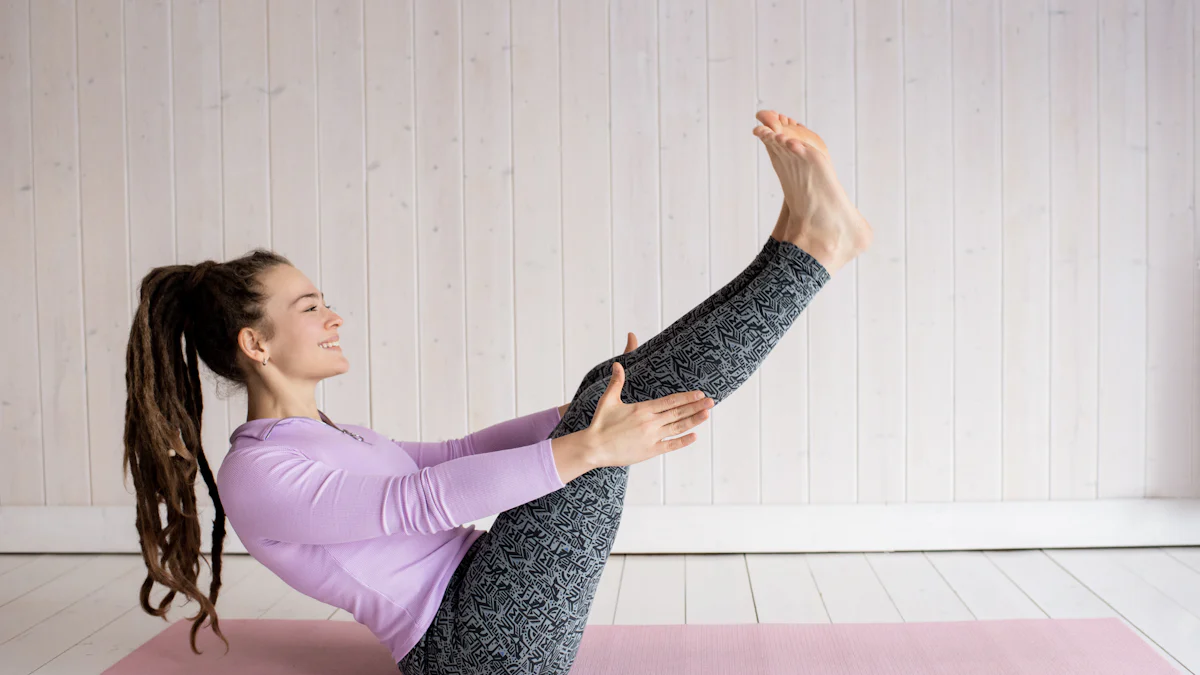
Image Source: pexels
Physical Benefits
Surya Namaskar offers a wide range of physical benefits that you can enjoy. By practicing regularly, you improve the flexibility of your muscles and joints. Each posture lengthens and strengthens different parts of the body, promoting a muscular balance. Additionally, Surya Namaskar helps to tonify the abdominal muscles and strengthen the vertebral column. You may also notice an improvement in blood circulation, which contributes to a healthier and more radiant skin. A regular practice of Surya Namaskar and yoga can also increase pulmonary capacity, as you learn to synchronize breathing with the movements. This results in a greater physical resistance and energy throughout the day.
Benefits of Mentors
In addition to the physical benefits, Surya Namaskar provides a positive impact on your mental health. A regular practice helps to reduce stress and anxiety, promoting a feeling of calm and well-being. By focusing on breathing and our movements, you develop a greater awareness of the present moment, which can improve concentration and mental clarity. Surya Namaskar and yoga also encourage the release of endorphins, the hormones of well-being, which elevate humor and promote a feeling of happiness. By integrating this practice into your routine, you can experience an improved sleep quality and a greater emotional resilience. Surya Namaskar, therefore, not only strengthens the body, but also nourishes the mind, creating a harmonious balance between the two.
Guide Step by Step
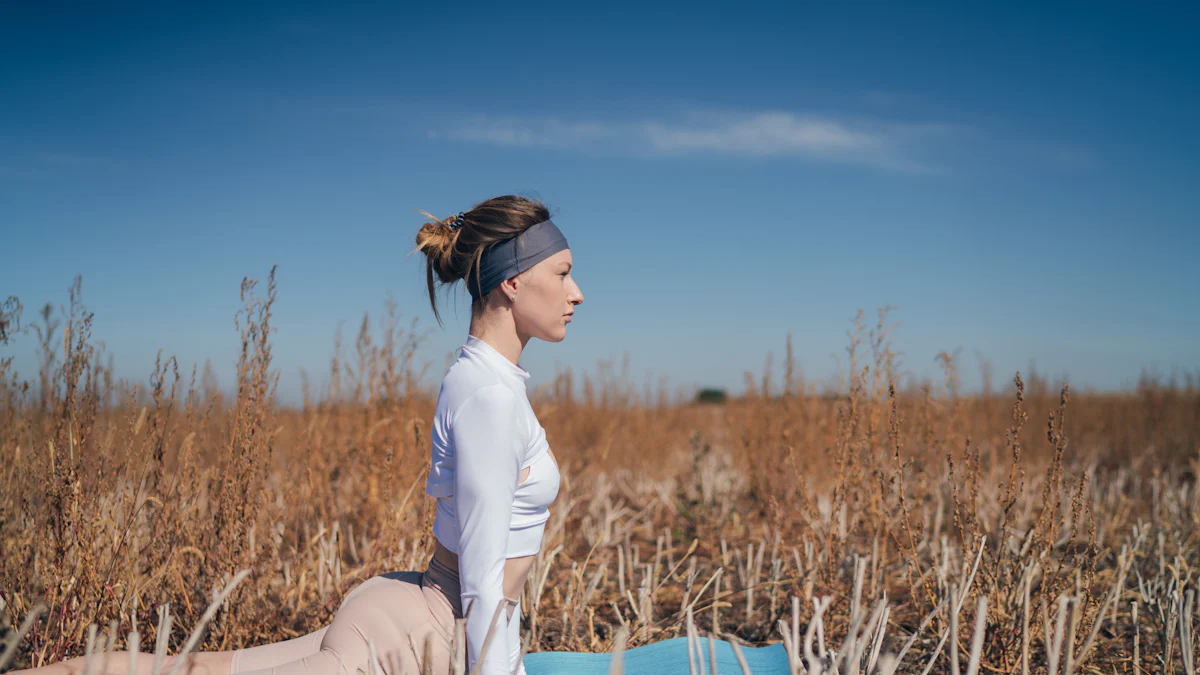
Image Source: unsplash
Preparation
Environment and Necessary Materials
To start your practice of Surya Namaskar, choose a quiet and spacious environment. A well-ventilated space with natural lighting is ideal. You will need a yoga tape to ensure comfort and safety during the postures. Vista clothes are light and comfortable that allow freedom of movement. Keep a bottle of water nearby to keep hydrated.
####Acquecimento
Before starting the Surya Namaskar sequence, do a light warm-up. Circular movements with the arms and legs help to prepare the body. Gently stretch along the major muscles, such as those of the legs, arms and back. This reduces the risk of injuries and improves flexibility. Dedicate a few minutes to breathing deeply, calming the mind and focusing on the practice that is coming.
Description of the postures
Posture 1: Pranamasana (Prayer Posture)
Come at the feet, with the feet together and with the hands united in front of the chest. Keep your column erect and your shoulders relaxed. This posture symbolizes devotion and a spiritual connection.
Posture 2: Hastauttanasana (Braces Raised Posture)
Inhale deeply and lift your arms above your head. Incline - gently to the back, along the column. There is an expansion of the chest and an opening of the shoulders.
Posture 3: Padahastasana
Exhale and straighten yourself forward, trying to touch your feet with your hands. Keep your knees slightly flexed as necessary. This posture stretches along the back part of the body.
Postura 4: Ashwa Sanchalanasana (Postura Equestre)
Inhale and lift your right leg back, supporting your knee on the floor. Keep the left leg folded in front. Reach for the top, open your chest.
Posture 5: Dandasana (Prancha Postura)
As you exhale, lift your left leg back, aligning your body in a straight line. Rest on our hands and our toes. Strengthen the abdomen and maintain a firm posture.
Posture 6: Ashtanga Namaskara (Saudação with Oito Membros)
Next to the body, touching the floor with the knees, chest, hands, knees and feet. Keep your quads slightly elevated. This posture strengthens the arms and the trunk.
Posture 7: Bhujangasana (Cobra Posture)
Inhale and slide to the front, lifting your chest off the floor. Keep the towels close to the body. Look up, feeling the lengthening of the column.
Posture 8: Adho Mukha Svanasana (Posture of Cachorro Olhando para Lower)
Exhale and lift the quads, forming an inverted "V" with the body. Keep your heels directed towards the floor and your arms extended. This posture lengthens and strengthens the body.
Respiration
Synchronization with movements
A breathing plays a crucial role in Surya Namaskar. Inspire to lift the body and exhale to bend or descend. Synchronizing breathing with the movements increases the effectiveness of the practice. Concentrate on breathing deeply and in a controlled manner, promoting a greater bodily and mental awareness.
Errors Common and How to Avoid-loss
Posture errors
When practicing Surya Namaskar, you may commit some posture errors that affect the effectiveness of the practice. Here are some common errors and tips to avoid them:
-
Curver the Column: Many people tend to curve the column during postures. Keep the column erect and aligned. This helps prevent pain and improves balance.
-
Position of the feet: Placing the feet too far or too close can unbalance the body. Keep the feet aligned with the quads for a stable base.
-
Tension on the shoulders: Avoid tension on the shoulders. Relax-us and keep-us long those ears. This helps to avoid unnecessary tensions in the neck and shoulders.
-
Head Posture: Do not let your head fall forward or backward. Maintain a straight line with the column to avoid neck tension.
Respiratory errors
A correct breathing is essential in Surya Namaskar. Here are some common breathing errors and how to correct them:
-
Rapid breathing: Breathing rapidly can cause fatigue. Breathe slowly and deeply. This helps to maintain calm and concentration during practice.
-
Hold a Breath: Some people hold a breath while doing postures. Maintain fluid and continuous breathing. This improves circulation and oxygenation of the body.
-
Disconnection between Respiration and Movement: Respiration should be synchronized with the movements. Inspire to lift the body and exhale to lift the body. This increases the effectiveness of the practice and promotes a greater bodily awareness.
By being aware of these errors and applying them as corrections, you will improve your practice of Surya Namaskar. This results in a more safe and rewarding experience.
Tips for Beginners
###Frequency and Duration
For beginners, it is important to establish a regular routine of practice. You can start practicing Surya Namaskar three times a week. This helps to create a habit without overloading the body. Each session may last 10 to 15 minutes. Over time, as you feel more comfortable, increase the frequency to five times a week. A regular practice improves flexibility and strength. Remember to listen to your body. If you feel discomfort or pain, reduce the intensity or duration of the practice.
Adjustments and Modifications
As a beginner, you may need to adjust some postures to suit your level of flexibility and strength. Use yoga blocks or pillows for additional support. This helps maintain correct alignment and avoid injuries. If you are not able to touch your feet in Padahastasana, bend your knees straight. In Bhujangasana, keep the folded towels so as not to feel the tension on your back. Modifications allow you to practice with safety and comfort. Over time, as your practice evolves, you can try more challenging poses. A key is to progress at your own pace, respecting the limits of your body.
You will explore the main aspects of Surya Namaskar and yoga, from its definition and benefits to some practical tips for beginners. Practicing Surya Namaskar regularly can transform your physical and mental health. By integrating this practice into your routine, you strengthen your body and calm your mind. Remember that patience and consistency are essential. Each session is a step towards balance and well-being. Continue practicing and reaping the fruits of this enriching journey.
See also
Introduction to Yoga: A Guide for Beginners
Yoga a Dois: Essential Posturas for Beginners
Yoga Simplificado: A Guide for Beginners in Contagem

Written by
Maria Yogalife
Maria | Yoga & Wellness Writer at YogaLife.World Maria is a passionate yoga and wellness writer at YogaLife.World, dedicated to sharing knowledge, inspiration, and practical guidance for a healthier, more balanced lifestyle. Through her articles, she explores yoga practices, meditation, mindfulness, holistic wellness, and the transformative benefits of mindful living. With an accessible and inspiring approach, Maria helps readers of all levels discover new practices, deepen their understanding of yoga, and bring greater balance, awareness, and well-being into their everyday lives.
Visit website


