

Complete Guide for Yoga Beginners
Image Source: pexels
Yoga is an ancient practice that transforms body and mind. You discover everything about yoga by exploring its benefits, such as increased flexibility and stress reduction. Starting with a solid foundation is essential. This ensures you develop a safe and effective practice. This guide was created to help you take your first steps in yoga, offering valuable tips and guidance. Prepare for a journey of self-discovery and well-being.
All about Yoga: What is Yoga?
Definition and History
Yoga is an ancient practice that unites body, mind, and spirit. Its roots are found in India, where it originated thousands of years ago. The word "yoga" comes from Sanskrit and means "union." This practice seeks to harmonize the body and mind through postures, breathing, and meditation.
Origin of Yoga
The origin of yoga dates back more than 5,000 years. Ancient texts, such as the Vedas and the Upanishads, mention practices that resemble modern yoga. The sages of India developed these techniques to achieve spiritual enlightenment. You can see that yoga has always been more than just physical exercise; it is a philosophy of life.
Evolution over the years
Over the centuries, yoga has evolved and adapted to different cultures and eras. In the early 20th century, it began to gain popularity in the West. Today, you find a variety of styles and approaches, each with its unique characteristics. Modern yoga continues to grow, offering physical and mental benefits to millions of people around the world.
Different Types of Yoga
There are many types of yoga, each with its own specific focus and benefits. Knowing the different styles helps you choose the one that best suits your needs and goals.
Hatha Yoga
Hatha Yoga is one of the most traditional and accessible styles. It focuses on physical postures and breathing techniques. You can start with Hatha Yoga to develop strength, flexibility, and balance. It's a great introduction to the world of yoga.
Vinyasa Yoga
Vinyasa Yoga is dynamic and fluid. The postures connect through movements synchronized with the breath. You experience an energizing practice that improves stamina and coordination. Vinyasa is ideal for those who enjoy continuous movement and physical challenges.
Ashtanga Yoga
Ashtanga Yoga follows a fixed sequence of postures. It is a vigorous practice that requires discipline and dedication. You develop strength, flexibility, and concentration by following this structured routine. Ashtanga is perfect for those seeking an intense and transformative practice.
Other Popular Styles
Besides the styles mentioned, you'll find many other types of yoga. Kundalini Yoga focuses on spiritual energy and meditation. Bikram Yoga, practiced in heated rooms, promotes detoxification and flexibility. Yin Yoga offers a slower, more meditative practice, ideal for deep relaxation. Explore different styles to discover what resonates most with you.
Benefits of Yoga
Practicing yoga brings a range of benefits that go beyond the physical. By delving into everything about yoga, you'll discover how this practice can comprehensively transform your life. Let's explore the physical and mental benefits that yoga offers.
Physical Benefits
Yoga is known for improving physical health in many ways. Here are some of the main benefits you can expect:
Flexibility
Flexibility is one of the first benefits you'll notice when you start practicing yoga. Yoga postures help to lengthen and strengthen muscles, increasing range of motion. Over time, you will feel looser and more agile, which can improve your performance in other physical activities.
Strength
In addition to flexibility, yoga also develops strength. Many postures require you to support your own body weight, which strengthens muscles. By practicing regularly, you will notice an increase in muscle strength, especially in your core, arms, and legs.
Balance
Balance is fundamental to everything about yoga. Balancing postures help improve stability and coordination. With practice, you will develop better control over your body, which can prevent falls and injuries in everyday life.
Mental Benefits
Yoga is not just a physical exercise; it also offers significant mental benefits. Let's see how it can positively impact your mind:
Stress Reduction
Yoga is a powerful tool for reducing stress. The combination of controlled breathing and meditation calms the mind and reduces anxiety. By practicing yoga, you learn to relax and cope better with daily pressures.
Increased Concentration
Regular yoga practice improves concentration. The postures and breathing techniques require focus, which trains your mind to concentrate better on other tasks. You will notice an increase in attention span and mental clarity.
Improved Mood
Yoga can also improve your mood. The practice releases endorphins, the feel-good hormones, which help combat depression and anxiety. By exploring everything about yoga, you will find an effective way to elevate your state of mind and promote an overall feeling of happiness.
How to Start Practicing Yoga
Starting your yoga journey can be a transformative experience. To ensure you get the most out of it, it's important to consider some fundamental aspects. Let's explore how to choose the right style, the necessary equipment, and how to create an ideal practice space.
Choosing the Right Style
Finding the yoga style that best suits you is crucial. Each style has its unique characteristics and can offer different benefits.
Personal Considerations
Think about what you're looking for in yoga. Do you want to improve your flexibility, reduce stress, or increase your strength? Identifying your personal goals will help guide your choice. Also, consider your current fitness level and any limitations you may have.
Experimenting with Different Styles
Don't be afraid to experiment. Take classes in different styles to feel which one resonates most with you. Hatha, Vinyasa, Ashtanga, and other styles offer distinct experiences. By exploring all things yoga, you'll find what best aligns with your needs and preferences.
Necessary Equipment
To start practicing yoga, you don't need much. However, some basic items can enhance your experience.
Yoga Mat
A good yoga mat is essential. It provides grip and comfort during poses. Choose a non-slip mat that offers adequate support.
Comfortable Clothing
Dress in clothes that allow freedom of movement. Lightweight, stretchy fabrics are ideal. Avoid very loose clothing that could hinder your poses.
Optional Accessories
Some accessories can be helpful, especially for beginners. Yoga blocks and belts help you achieve poses more easily. They offer support and security as you develop your practice.
Creating a Practice Space
Having a dedicated space for your yoga practice can make all the difference. A suitable environment helps maintain focus and tranquility.
Quiet Environment
Choose a place where you can concentrate without interruptions. A quiet, distraction-free space is ideal for immersing yourself in everything about yoga.
Lighting and Temperature
Soft lighting and a comfortable temperature contribute to a relaxing environment. Adjust the lighting to create a welcoming atmosphere. Make sure the temperature is pleasant so you can focus on your practice without discomfort.
By following these guidelines, you will be well prepared to begin your yoga journey. Remember that the most important thing is to listen to your body and practice with intention and awareness.
Basic Practices and Poses
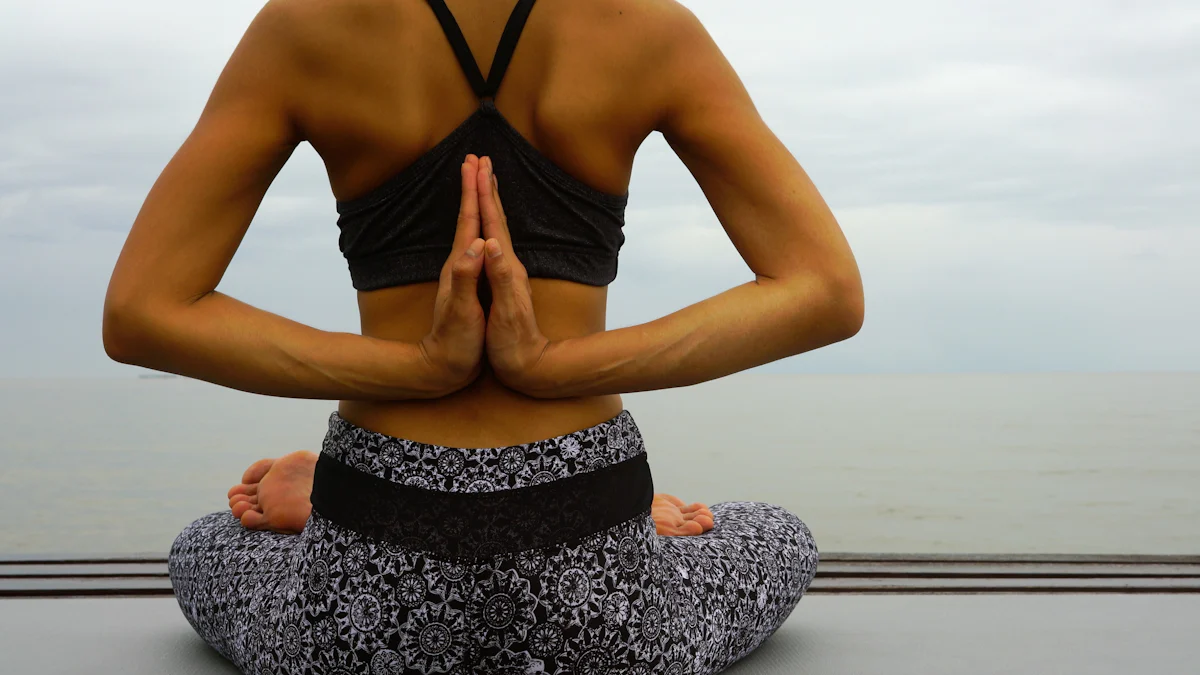
Image Source: unsplash
Exploring basic yoga practices and poses is a great starting point for beginners. These postures help build a solid foundation and develop confidence in the practice.
Starting Poses
Starting poses are fundamental to any yoga practice. They prepare the body and mind for more advanced postures.
Tadasana (Mountain Pose)
Tadasana, or Mountain Pose, is one of the simplest and most important yoga poses. You stand with your feet together and your arms at your sides. Focus on distributing your weight evenly on your feet and aligning your spine. This pose improves posture and increases body awareness.
Adho Mukha Svanasana (Downward-Facing Dog)
Adho Mukha Svanasana, known as Downward-Facing Dog, is a stretching and strengthening pose. Start on all fours, lift your hips and form an inverted "V" with your body. Keep your heels towards the floor and your arms extended. This pose lengthens the spine, strengthens the arms, and relieves tension.
Simple Sequences
Simple sequences are a great way to integrate basic poses into a fluid practice. They help improve coordination and concentration.
Sun Salutation
The Sun Salutation is a classic sequence that warms the body and energizes the mind. It consists of a series of postures performed in sync with the breath. You begin in Tadasana, move into Mountain Pose, and continue with a series of forward bends and forward bends. This sequence improves flexibility and strength.
Balance Sequence
The Balance Sequence challenges your stability and focus. It includes postures such as Tree and Warrior III. In Tree pose, you place one foot on the opposite thigh and maintain your balance. In Warrior III, you lean forward, extending one leg back. These postures strengthen the core and improve concentration.
By practicing these positions and sequences, you develop a solid foundation in yoga. Remember to listen to your body and practice mindfully. Over time, you will see improvements in flexibility, strength, and balance.
Tips for a Sustainable Practice
Maintaining a sustainable yoga practice is essential to reaping all the benefits over time. Here are some tips to help you establish an effective routine and avoid injuries.
Establishing a Routine
Creating a consistent yoga routine can transform your practice into a healthy and lasting habit.
Ideal Frequency
To begin, practice yoga at least two to three times a week. This frequency allows you to develop strength, flexibility, and balance without overloading your body. As you become more comfortable, you can gradually increase the frequency of sessions.
Session Duration
Sessions of 20 to 30 minutes are ideal for beginners. This time is sufficient to warm up the body, practice some postures, and relax. Over time, you can extend the duration to 45 minutes or even an hour, as your stamina and interest increase.
Avoiding Injuries
Safety is paramount in yoga practice. Following a few guidelines can help prevent injuries and ensure a positive experience.
Listen to your body
Pay attention to your body's signals during practice. If you feel pain or discomfort, adjust your posture or take a break. Respecting your limits is crucial to avoid injuries and promote healthy progress.
Progress gradually
Avoid attempting advanced postures before you are ready. Focus on mastering basic positions and gradually progress to more challenging poses. Gradual progression helps strengthen the body and increase confidence in the practice.
By following these tips, you will be on the right track for a sustainable and rewarding yoga practice. Remember that consistency and attention to your body are the keys to long-term success.
You now have a comprehensive overview of yoga and its benefits. This guide highlighted the importance of starting with a solid foundation, explored different styles, and offered practical tips for a sustainable practice. Continue your yoga journey, experimenting with new styles and deepening your knowledge. To further enrich your practice, consider exploring books, online videos, and workshops. Remember, yoga is an ongoing journey of self-discovery and well-being. Stay curious and open to the possibilities that yoga can bring to your life.
See also
Comprehensive Guide for Male Beginners in Yoga
Complete Guide for Beginners in Burn Yoga
Complete Guide to Partner Yoga: Poses for Beginners

Written by
Maria Yogalife
Maria | Yoga & Wellness Writer at YogaLife.World Maria is a passionate yoga and wellness writer at YogaLife.World, dedicated to sharing knowledge, inspiration, and practical guidance for a healthier, more balanced lifestyle. Through her articles, she explores yoga practices, meditation, mindfulness, holistic wellness, and the transformative benefits of mindful living. With an accessible and inspiring approach, Maria helps readers of all levels discover new practices, deepen their understanding of yoga, and bring greater balance, awareness, and well-being into their everyday lives.
Visit website


