

The Complete Guide to Pranayama for Yoga Beginners
 Maria Yogalife
Complete Guide to Pranayama for Yoga Beginners
Image Source: unsplash
Pranayama is an essential practice in yoga, focused on controlling the breath to manage vital energy, known as prana. You will find that pranayama plays a crucial role in yoga and pranayama, helping to balance the mind and body. For beginners, the benefits are vast: [stress reduction], improved respiratory capacity, and [increased mental clarity]. Studies show that regular yoga and pranayama practice can [reduce anxiety] and improve sleep quality, making it a valuable tool for overall well-being.
What is Pranayama?
Definition and Origin
Meaning of Pranayama
Pranayama is an ancient practice that focuses on breath control to manage vital energy, known as prana. The word "pranayama" derives from Sanskrit, where "prana" means vital energy and "ayama" refers to extension or control. Therefore, pranayama is the art of expanding and controlling vital energy through breathing.
History and Tradition
The practice of pranayama has its roots in the ancient tradition of yoga, originating in India thousands of years ago. Classical texts such as the Yoga Sutras of Patanjali describe pranayama as one of the eight limbs of yoga, essential for achieving harmony between body and mind. Over the centuries, yoga masters have transmitted these techniques, preserving their essence and adapting them to contemporary needs.
Importance in Yoga
Connection between breath and energy
Breath is the bridge that connects the body to the mind. In yoga and pranayama, conscious breathing allows you to access and control your vital energy. Modern studies show that regular pranayama practice can reduce anxiety and stress, as well as improve respiratory capacity. By regulating your breathing, you also regulate the nervous system, promoting a state of calm and balance.
Impact on yoga practice
Pranayama plays a crucial role in yoga practice. It prepares the body and mind for meditation, increasing concentration and focus. Furthermore, the practice of pranayama can lead to lasting changes in brain activity, improving the body's response to stimuli. By integrating pranayama into your yoga routine, you enhance the physical and mental benefits, creating a deeper and more enriching experience.
Types of Pranayama
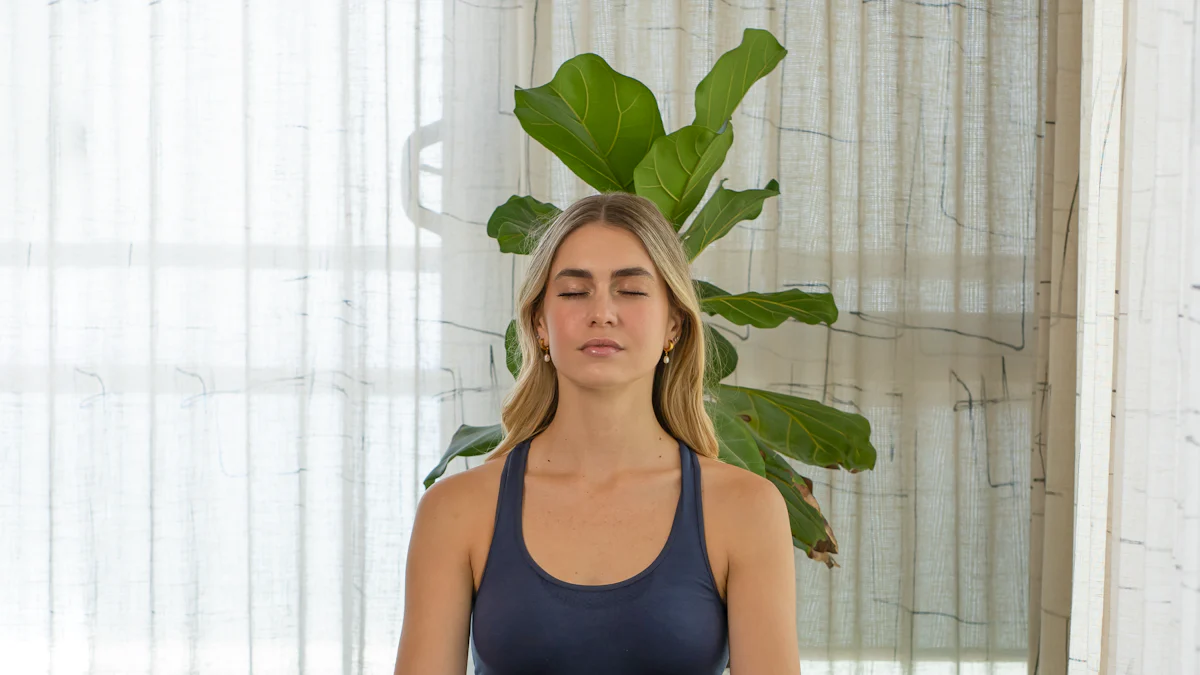
Image Source: unsplash
Nadi Shodhana (Alternate Nostril Breathing)
Benefits
The practice of Nadi Shodhana, or alternate nostril breathing, offers a range of benefits for the body and mind. This technique helps balance the brain hemispheres, promoting a sense of calm and mental clarity. Maria Clara, a yoga and pranayama specialist, highlights that this practice cleanses the lungs and improves respiratory capacity. Furthermore, Nadi Shodhana calms the nervous system, reducing stress and anxiety. By focusing on the "here and now," you can experience a significant reduction in anxiety.
Practice
To practice Nadi Shodhana, follow these simple steps:
-
Sit comfortably with your spine straight.
-
Close your eyes and relax.
-
Use your right thumb to close your right nostril.
-
Inhale deeply through your left nostril.
-
Close your left nostril with your ring finger and release your thumb from your right nostril.
-
Exhale through your right nostril.
-
Inhale through your right nostril.
-
Close your right nostril and exhale through your left.
Repeat this cycle for a few minutes, focusing on your breath.
Kapalabhati (Shining Skull Breath)
Benefits
Kapalabhati, known as shining skull breath, is an energizing technique that purifies the respiratory system. Yoga Adventure Expert states that this practice promotes emotional balance and physical vitality. Kapalabhati also improves blood circulation and increases lung capacity. Regular practice can bring mental clarity and help eliminate toxins from the body.
Practice
To perform Kapalabhati, follow these instructions:
-
Sit in a comfortable position with your spine straight.
-
Inhale deeply through your nose.
-
Exhale quickly, contracting your abdomen.
-
Continue with quick and vigorous exhalations, focusing on the abdominal contraction.
Practice for about 1 to 2 minutes, gradually increasing the time as you feel comfortable.
Bhramari (Bee Breath)
Benefits
Bhramari, or bee breath, is a technique that calms the mind and reduces tension. This practice is effective in relieving stress and anxiety, promoting a state of deep relaxation. Maria Clara mentions that Bhramari improves sleep quality and brings mental clarity, helping to clear the mind of intrusive thoughts.
Practice
To practice Bhramari, follow these steps:
-
Sit comfortably with your spine straight.
-
Close your eyes and relax.
-
Inhale deeply through your nose.
-
As you exhale, make a soft buzzing sound, like that of a bee.
-
Focus on the vibration of the sound.
Repeat for 5 to 10 minutes, allowing the mind to calm down and focus on the breath.
Ujjayi (Victorious Breath)
Benefits
The Ujjayi technique, known as victorious breath, offers a range of benefits that can transform your yoga practice. Maria Clara, a yoga and pranayama specialist, highlights that this technique helps cleanse the lungs and improve respiratory capacity. Ujjayi calms the nervous system, reducing stress and anxiety. By focusing on the gentle sound of the breath, you experience a sense of mental clarity and presence in the moment. This practice also promotes emotional balance and physical vitality, as mentioned by Yoga Adventure Specialist.
Practice
To practice Ujjayi, follow these simple steps:
-
Sit comfortably with your spine straight, in a meditative posture.
-
Close your eyes and relax your body.
-
Inhale deeply through your nose, filling your lungs with air.
-
Exhale slowly through your nose, while gently contracting the back of your throat, producing a soft sound, similar to the sound of the ocean.
-
Maintain your focus on the sound of your breath, allowing it to calm your mind.
Repeat this practice for a few minutes, gradually increasing the time as you feel comfortable. Ujjayi not only improves the quality of your breath, but also invites you to be present, promoting a state of deep relaxation and mental clarity.
How to Integrate Pranayama into Yoga Practice
Integrating pranayama into your yoga practice can transform your experience, providing physical and mental benefits. For beginners, it's essential to start with a structured and mindful approach.
Tips for Beginners
Frequency and Duration
To begin, practice pranayama for 5 to 10 minutes daily. Gradually increase the time as you feel more comfortable. Regularity is more important than duration. Practicing every day, even for a short time, brings more benefits than long, sporadic sessions.
Environment and Preparation
Choose a quiet environment free from distractions. A silent space helps you focus on your breath and the effects of pranayama. Sit in a comfortable position with your spine straight. Use a yoga mat or cushion for support. Before you begin, close your eyes and take a few deep breaths to calm your mind.
Common Mistakes to Avoid
Incorrect Posture
Maintaining correct posture is crucial. An upright spine allows breath to flow freely. Avoid leaning forward or backward. If necessary, use a support to maintain correct posture. Improper posture can restrict breathing and reduce the benefits of pranayama.
Forced Breathing
Breathing should be smooth and controlled. Avoid forcing your breath, as this can cause tension and discomfort. Focus on breathing naturally, allowing your body to adjust to the rhythm. The practice of yoga and pranayama should be relaxing and not cause additional stress.
Integrating pranayama into your yoga routine can improve concentration, reduce stress, and increase mental clarity. Regular practice of techniques like Ujjayi can strengthen the nervous and digestive systems, as well as improve lung capacity. By following these tips, you'll be on the right track to reaping the full benefits of yoga and pranayama.
Practicing pranayama brings numerous benefits to your health and well-being. You will experience a significant reduction in stress and an improvement in the lymphatic system. Furthermore, regular practice can aid in weight loss and strengthen the digestive system. Marcia De Luca emphasizes that the conscious practice of pranayama is essential to achieving these results. Therefore, encourage yourself to practice regularly and explore more about yoga and pranayama. Consider participating in workshops or reading specialized books to deepen your knowledge and enhance your practice.
See also
Complete Guide for Male Beginners in Yoga
Complete Tutorial for Beginners in Burn Yoga
Complete Guide to Partner Yoga: Positions for Beginners
Counting Yoga: Simple Tutorial for Beginners
[Complete Guide to Selecting Your Yoga Class] Perfect](https://yogalife.world/blog/guia-completo-escolher-aula-yoga-ideal/)
Written by
Maria Yogalife
Maria | Yoga & Wellness Writer at YogaLife.World Maria is a passionate yoga and wellness writer at YogaLife.World, dedicated to sharing knowledge, inspiration, and practical guidance for a healthier, more balanced lifestyle. Through her articles, she explores yoga practices, meditation, mindfulness, holistic wellness, and the transformative benefits of mindful living. With an accessible and inspiring approach, Maria helps readers of all levels discover new practices, deepen their understanding of yoga, and bring greater balance, awareness, and well-being into their everyday lives.
Visit website


