
Image Source: pexels
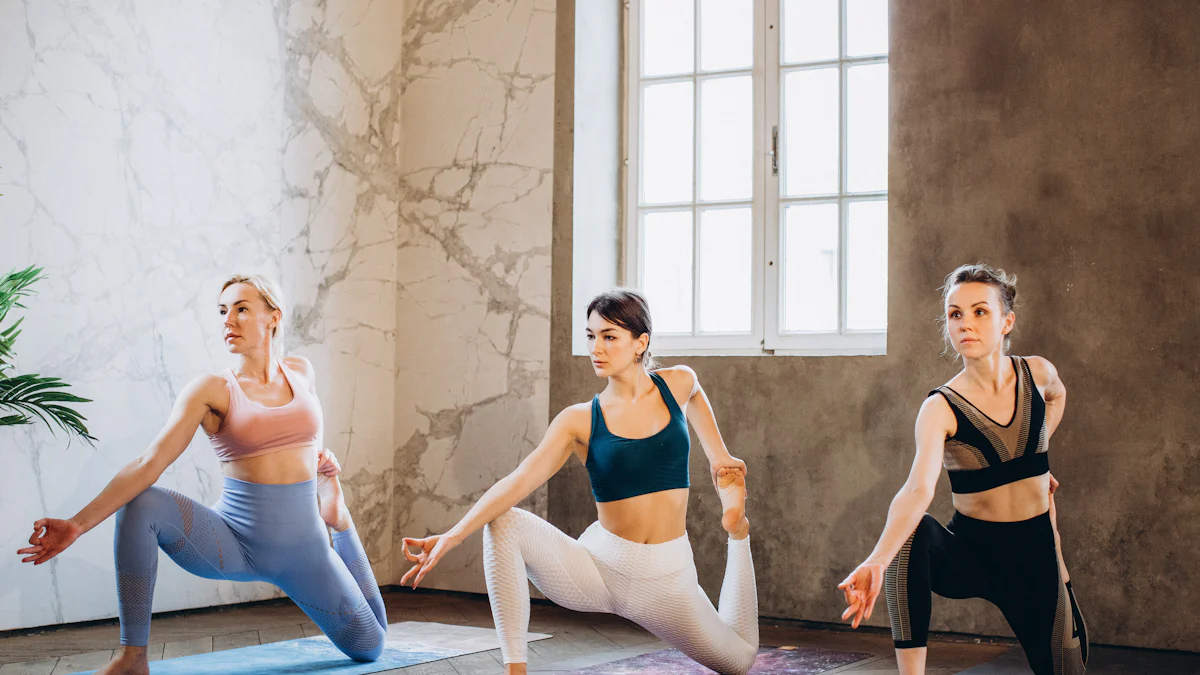
Yoga classes have gained significant importance in the lives of many people. Between 2012 and 2017, yoga practice grew from 9.5% to 14% among adults. This is not surprising, considering the numerous benefits that yoga offers, such as improved flexibility, stress reduction, and increased concentration. Choosing the right yoga classes is crucial to meet your specific needs. Each style of yoga provides unique experiences. By finding the ideal class, you maximize the benefits and enrich your personal yoga journey.
Understanding the Different Styles of Yoga
Image Source: unsplash
Hatha Yoga
Characteristics and Benefits
Hatha Yoga is one of the most traditional and accessible styles. It focuses on physical postures (asanas) and breathing techniques (pranayama). This practice helps improve flexibility and balance. Furthermore, it promotes relaxation and stress reduction. Many beginners choose Hatha Yoga for its slower and more careful approach, allowing you to become familiar with the basic postures.
Who Should Practice
If you're starting out in the world of yoga, Hatha Yoga is an excellent choice. It's ideal for those seeking a gentler practice and wanting to improve flexibility and balance. People looking to reduce stress and increase emotional well-being also benefit from this practice.
Vinyasa Yoga
Characteristics and Benefits
Vinyasa Yoga is known for its fluid and dynamic sequences. The postures connect through the breath, creating a continuous flow. This practice increases muscle strength, endurance, and flexibility. Furthermore, Vinyasa Yoga improves concentration and focus, making it an excellent option for those seeking a more vigorous practice.
Who should practice
If you enjoy movement and want a more intense practice, Vinyasa Yoga is for you. It's ideal for those who already have some experience with yoga or other physical activities. People who want to increase their endurance and strength also benefit from this style.
Ashtanga Yoga
Characteristics and benefits
Ashtanga Yoga is a structured and challenging practice. It follows a fixed sequence of postures, which you practice at an accelerated pace. This practice improves strength, flexibility, and endurance. In addition, Ashtanga Yoga promotes discipline and mental focus, making it an excellent choice for those seeking a physical and mental challenge.
Who Should Practice
If you enjoy routine and discipline, Ashtanga Yoga is a great option. It's ideal for intermediate and advanced practitioners seeking a physical challenge. People who want to increase strength and endurance also benefit from this practice.
Other Yoga Styles
Iyengar, Kundalini, Bikram, etc.
The world of yoga is vast and offers a variety of styles beyond the most well-known. Each of these styles has its own unique characteristics and benefits. Let's explore some of them:
-
Iyengar Yoga: This style focuses on the precision and alignment of postures. You use props like blocks and belts to help achieve the correct posture. This is great for those seeking to improve posture and flexibility. Iyengar Yoga is also beneficial for those recovering from injuries, as it allows for careful adjustments.
-
Kundalini Yoga: Known as the yoga of awareness, Kundalini combines postures, breathing, chanting, and meditation. It aims to awaken the spiritual energy within you. Practicing Kundalini can increase your awareness and promote profound emotional well-being.
-
Bikram Yoga: Also called Hot Yoga, Bikram is practiced in a room heated to about 40°C. This helps increase flexibility and detoxify the body through sweat. If you enjoy challenges and don't mind the heat, Bikram can be an invigorating choice.
Characteristics and Benefits
Each style of yoga offers specific benefits that can meet different personal needs and goals. Here are some of the benefits you can expect:
-
Flexibility and Strength: Many styles of yoga, such as Iyengar and Bikram, help improve flexibility and muscle strength. Regular practice can increase range of motion and strengthen muscles.
-
Emotional Balance: Kundalini Yoga, with its focus on meditation and breathwork, can help balance your emotions and increase spiritual awareness. This is especially helpful for dealing with stress and anxiety.
-
Concentration and Focus: The practice of yoga improves concentration and focus. Studies show that workers who practice yoga are more productive and make fewer mistakes. This applies to any style of yoga you choose.
-
General Well-being: Yoga is an ancient practice that encompasses the emotional and physical fields. It can significantly reduce stress levels and increase feelings of emotional and social well-being.
By exploring different styles of yoga, you can discover which one resonates most with you. Experiment without judgment and allow yourself to find the style that best suits your personal needs and goals.
Personal Considerations When Choosing a Yoga Class
Choosing the ideal yoga class involves considering your personal needs and preferences. Let's explore some important aspects that can help you make this decision.
Personal Goals
Each person has their own goals when starting yoga practice. Identifying what you want to achieve can guide your choice.
Improving Flexibility
If your goal is to improve flexibility, look for yoga classes that emphasize stretches and postures that increase range of motion. Styles like Hatha and Iyengar are known for focusing on alignment and flexibility, helping you achieve these goals.
Reducing Stress
For those seeking to reduce stress, yoga offers an effective approach. Practices like Kundalini and Hatha Yoga are known for their breathing and meditation techniques, which promote relaxation and emotional well-being. The World Health Organization highlights that yoga can reduce anxiety and stress, increasing feelings of emotional and social well-being.
Experience Level
Your experience level is also a crucial factor in choosing a yoga class.
Beginners
If you are a beginner, start with classes that introduce the fundamentals of yoga in an accessible way. Hatha Yoga is an excellent option, as it offers a slower and more careful approach, allowing you to familiarize yourself with basic postures and breathing techniques.
Intermediate and Advanced Practitioners
For intermediate and advanced practitioners, yoga classes that offer physical and mental challenges may be more suitable. Styles such as Ashtanga and Vinyasa provide dynamic and structured sequences, ideal for those seeking to increase strength and endurance.
Environment Preferences
The environment in which you practice yoga can influence your experience and satisfaction.
Studio Classes
Studio yoga classes offer a controlled environment with appropriate temperature and humidity. This can be ideal for those who prefer a dedicated and quiet space for practice. Furthermore, the presence of qualified instructors can help correct postures and offer personalized guidance.
Outdoor Classes
If you enjoy being in contact with nature, outdoor classes can be a revitalizing choice. Practicing yoga in parks or beaches allows you to enjoy the fresh air and natural beauty, which can increase your sense of well-being and connection with the environment.
By considering these personal aspects, you will be better prepared to choose the yoga class that best suits your needs and goals. Remember that yoga practice is a personal journey, and finding the right class can enrich your experience and promote health and well-being.
Practical Tips for Choosing the Ideal Yoga Class
Image Source: pexels
Choosing the ideal yoga class can seem challenging, but with a few practical tips, you can find the practice that best suits your needs and preferences.
Research and Experiment
-
Participate in trial classes: Before committing to a style or studio, try different yoga classes. Many schools offer free or reduced-price trial classes. This allows you to feel the energy of the place, meet the instructor, and see if the yoga style resonates with you. Lídia Dias, for example, began her yoga journey to manage anxiety and found relief by trying different classes.
-
Talk to instructors: Don't hesitate to talk to instructors. Ask about their qualifications, the style of yoga they teach, and how they can help you achieve your personal goals. A good instructor can make all the difference in your experience. Isis Valverde shared how yoga, under the right guidance, helped her improve her breathing and find balance during pregnancy.
Assess Logistics
-
Location and schedules: Choose a studio or practice location that is convenient for you. Proximity can increase the likelihood of you maintaining a regular practice. Also, check if the class schedules fit into your routine. Catarina found yoga to be an alternative to traditional physical exercise, and convenience was an important factor in maintaining her practice.
-
Cost and Accessibility: Consider the cost of yoga classes and see if they fit your budget. Some schools offer packages or discounts for regular members. Also, check if the studio is accessible to you, both in terms of transportation and facilities. Anonymous mentioned how yoga has become an essential part of their life, helping them cope with mental and physical health issues, showing that the investment is worthwhile.
By following these tips, you will be better prepared to find the yoga class that best suits your needs. Remember that yoga is a personal journey, and finding the right practice can enrich your life in unexpected ways.
You now have a complete overview of how to choose the ideal yoga class. Each style offers unique benefits, and it's essential to try different classes to discover which one resonates most with you. Remember to consider the instructors' qualifications and the welcoming environment, as this can influence your motivation and comfort. The journey in yoga is personal and enriching. By exploring and adapting, you will find the practice that best suits your needs, promoting physical and emotional well-being. Enjoy this journey and allow yourself to grow with each experience.
See also
Complete Guide for Male Beginners in Yoga
Complete Guide to Finding Yoga Classes in Suzano
Yoga Practice in Contagem: A Simple Guide for Beginners

Written by
Maria Yogalife
Maria | Yoga & Wellness Writer at YogaLife.World Maria is a passionate yoga and wellness writer at YogaLife.World, dedicated to sharing knowledge, inspiration, and practical guidance for a healthier, more balanced lifestyle. Through her articles, she explores yoga practices, meditation, mindfulness, holistic wellness, and the transformative benefits of mindful living. With an accessible and inspiring approach, Maria helps readers of all levels discover new practices, deepen their understanding of yoga, and bring greater balance, awareness, and well-being into their everyday lives.
Visit website


