

Complete Guide to Yoga Poses for Beginners
Image Source: pexels
Have you ever wondered what the best yoga poses are for beginners? Starting with simple and safe postures is essential to ensure an effective and risk-free practice. Yoga poses not only help improve flexibility and strength, but also promote significant mental well-being. By integrating these practices into your routine, you can experience a reduction in stress and an increase in concentration. Yoga is a personal journey that offers incredible benefits for the body and mind. Let's explore this path of self-discovery and balance together.
Benefits of Yoga for Beginners
Physical Benefits
Improved Flexibility
Have you ever noticed how important flexibility is in everyday life? Regular yoga practice can significantly increase your flexibility. Over time, you'll notice that movements that once seemed difficult become easier. This is because yoga works different muscle groups, stretching and strengthening them. Furthermore, the flexibility gained can help prevent injuries and improve your posture.
Increased Strength
Many people associate yoga only with relaxation, but it's also an excellent way to strengthen the body. Yoga postures require you to support your own weight, which helps develop muscle strength. With continued practice, you'll see an increase in the strength of your arms, legs, and core. This not only improves your physical endurance but also contributes to a more toned body.
Posture Correction
How many times have you found yourself hunched over your computer or cell phone? Yoga can be a great ally in correcting posture. Yoga postures encourage proper spinal alignment and strengthen the muscles that support posture. Over time, you will notice that your posture naturally improves, which can relieve back and neck pain.
Mental Benefits
Stress Reduction
Stress is one of the great villains of modern life. Fortunately, yoga offers an effective solution to combat it. The practice of yoga involves breathing and meditation techniques that help calm the mind and reduce stress. Scientific studies show that yoga can lower levels of cortisol, the stress hormone, promoting a feeling of calm and relaxation.
Increased Concentration
Have you ever felt scattered or had difficulty focusing? Yoga can help improve your concentration. During practice, you learn to focus on the present moment and control your thoughts. This not only improves your ability to concentrate, but can also increase your daily productivity.
Promoting Well-being
Yoga is not just a physical practice; it's a journey of self-discovery and well-being. By integrating yoga into your routine, you can experience a sense of inner peace and emotional balance. Regular practice can help combat anxiety and depression, promoting a state of overall well-being. As a result, you will feel happier and more fulfilled in all areas of your life.
Yoga Poses for Beginners
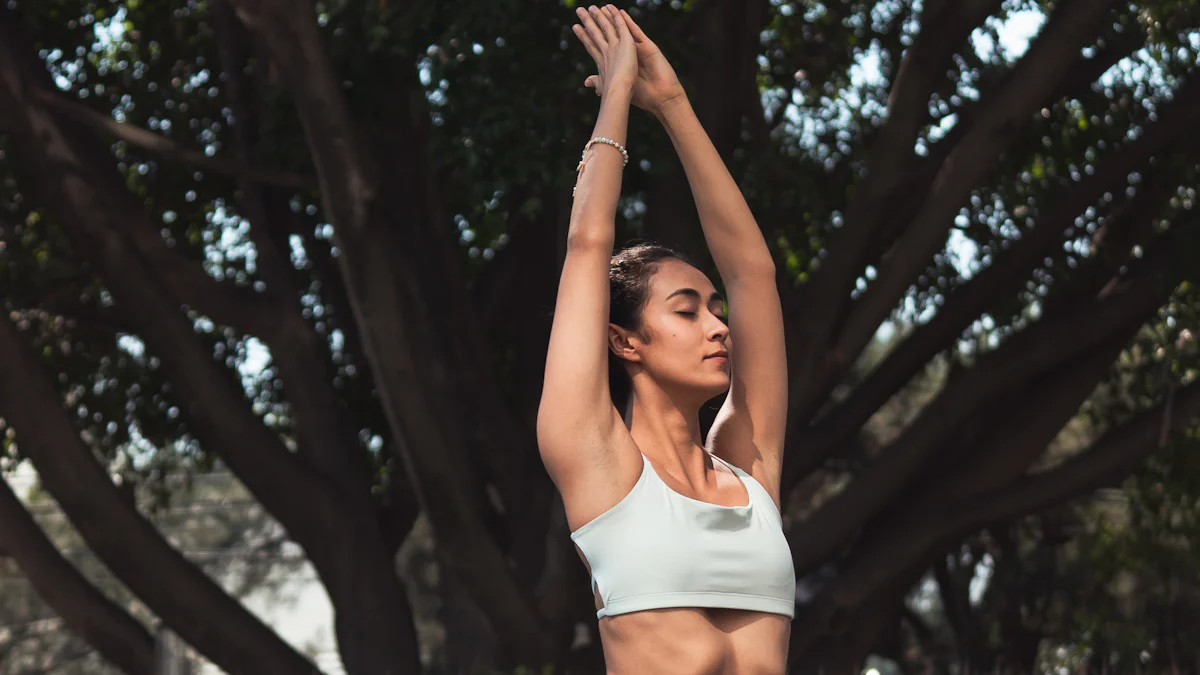
Image Source: pexels
Mountain Pose (Tadasana)
The Mountain Pose, or Tadasana, is one of the most fundamental yoga poses. You begin standing with your feet together and your arms at your sides. Imagine yourself as a mountain: firm and stable. This pose helps improve posture and concentration. When practicing, keep your weight evenly distributed between your feet and feel the connection with the ground. Yoga Teacher recommends that you practice [under the guidance of an experienced instructor], whether in online or in-person classes, to ensure you are performing the pose correctly.
Downward-Facing Dog Pose (Adho Mukha Svanasana)
The Downward-Facing Dog Pose, known as Adho Mukha Svanasana, is one of the most popular yoga poses. Begin in a quadruped position, lift your hips and form an inverted "V" with your body. This pose lengthens the spine and strengthens the arms and legs. When practicing, keep your heels towards the ground and your fingers wide apart. This pose not only improves flexibility but also relieves stress. Remember to breathe deeply while holding the pose.
Child's Pose (Balasana)
Child's Pose, or Balasana, is one of the most relaxing yoga poses. You begin kneeling, sit on your heels, and extend your arms forward, with your forehead touching the floor. This pose is excellent for resting and gently stretching the spine. Use it whenever you need a break during your practice. By focusing on your breath, you will feel a sense of calm and relaxation. This pose is ideal for beginners, as it offers a moment of introspection and stress relief.
Warrior I Pose (Virabhadrasana I)
Warrior I Pose, or Virabhadrasana I, is one of the yoga poses that symbolizes strength and determination. To begin, stand and take a wide step back with your right foot. Keep your left foot forward, bending your knee at a 90-degree angle. Raise your arms above your head, keeping them parallel and your palms facing each other. This pose strengthens the legs and opens the chest, promoting a feeling of power and balance.
Yoga Teacher recommends that you practice under the guidance of an experienced instructor, either in online or in-person classes, to ensure you are performing the pose correctly.
During practice, focus on keeping your hips facing forward and your chest open. Breathe deeply and feel the energy flow through your body. This pose not only strengthens the leg muscles but also improves the flexibility of the hips and shoulders. By incorporating this pose into your routine, you will develop a solid foundation for other yoga poses.
Tree Pose (Vrksasana)
The Tree Pose, or Vrksasana, is one of the yoga poses that challenges balance and concentration. Begin standing with your feet together. Shift your weight to your left foot and lift your right foot, placing the sole on the inside of your left thigh. Keep your hands clasped in front of your chest or raise them above your head, like tree branches.
This position helps improve balance and stability. When practicing, focus on a fixed point in front of you to maintain balance. Regular practice of this pose strengthens leg muscles and improves concentration. Furthermore, the Tree Pose promotes a sense of calm and connection with nature.
Incorporating these yoga poses into your daily practice can bring numerous benefits to the body and mind. Remember that each pose is an opportunity for self-discovery and personal growth. With patience and practice, you will see significant improvements in your strength, flexibility, and overall well-being.
Tips for Yoga Beginners
How to Practice Safely
Practicing yoga safely is essential to avoid injuries and ensure a positive experience. Here are some tips to get you started:
-
Listen to your body: Every body is unique. If you feel pain or discomfort, adjust your posture or take a break. Yoga is not about pushing your limits, but about respecting your body.
-
Warm up before you begin: A proper warm-up prepares your muscles and joints for practice. Simple movements, such as light stretches, can help prevent injuries.
-
Use props: Blocks, belts, and cushions can be great allies, especially for beginners. They help adapt postures to your level of flexibility and strength.
-
Maintain steady breathing: Breathing is a fundamental part of yoga. Focus on breathing deeply and in a controlled manner throughout your practice.
-
Seek guidance: If possible, take classes with a qualified instructor. They can correct your posture and offer personalized tips.
"I started by taking regular classes once a week, then stopped, went back to twice a week, and then moved to the US where I started practicing three times a week for a year." - This personal experience shows the importance of finding a rhythm that works for you and seeking guidance when needed.
Creating a Yoga Routine
Establishing a yoga routine can transform your practice into a healthy and sustainable habit. Here's how you can create your own routine:
-
Set a fixed time: Choose a time of day that works best for you, whether it's early morning or evening. Consistency helps create a habit.
-
Start slowly: If you are new to yoga, begin with short sessions of 15 to 20 minutes. As you become more comfortable, gradually increase the duration.
-
Vary your poses: Include different poses in your practice to work various parts of the body and maintain interest. This also helps develop strength and flexibility in a balanced way.
-
Include meditation and breathing: Set aside a few minutes for meditation and breathing exercises. They complement physical practice and promote mental well-being.
-
Be patient and consistent: Progress in yoga takes time. Be patient with yourself and maintain regular practice. Over time, you will see significant improvements.
"Then I stopped again, I didn't practice for a year and returned to the USA where I started practicing at home." - This story highlights that, even with pauses, it's possible to resume practice and create a routine that fits your lifestyle.
Incorporating these tips into your yoga practice can help ensure a safe and rewarding experience. Remember that yoga is a personal journey, and each step you take is progress towards balance and well-being.
Practicing yoga offers numerous benefits for beginners. You improve flexibility, strengthen your body, and find mental balance. Yoga is a practice accessible to all, regardless of experience level. Start with simple and safe postures, as suggested by experts.
"Paying attention to the instructions and choosing simple techniques is essential," emphasizes an experienced practitioner.
Start your journey today. Discover how yoga can transform your life. Remember, each step is a step towards well-being. Are you ready to begin?
See also
Everything You Need to Know About Yoga for Beginners
Introduction to Yoga: A Guide for Beginners
Yoga for Two: Simple Poses for Beginner Couples

Written by
Maria Yogalife
Maria | Yoga & Wellness Writer at YogaLife.World Maria is a passionate yoga and wellness writer at YogaLife.World, dedicated to sharing knowledge, inspiration, and practical guidance for a healthier, more balanced lifestyle. Through her articles, she explores yoga practices, meditation, mindfulness, holistic wellness, and the transformative benefits of mindful living. With an accessible and inspiring approach, Maria helps readers of all levels discover new practices, deepen their understanding of yoga, and bring greater balance, awareness, and well-being into their everyday lives.
Visit website


