

Complete Guide for Beginners in Yoga Practice
Image Source: pexels
Starting a yoga practice can be simpler than you imagine. You only need comfortable clothes and a non-slip mat. Choosing a quiet and spacious area helps create an ideal environment for yoga practice. It's important to start with an open mind, without pressure. Yoga practice doesn't require perfection, but rather dedication and patience. By focusing on your breathing and movements, you can experience a [significant reduction in stress]. Studies show that the practice of yoga improves self-control and concentration, benefiting both body and mind.
What is Yoga?
Definition and Objectives
Yoga is an [ancient practice] that combines physical postures, breathing techniques, and meditation to promote balance and well-being. The word "Yoga" comes from Sanskrit and means "union." This union refers not only to the body and mind, but also to the connection with the world around us. When you practice yoga, you seek a deeper understanding of yourself, taking care of your physical, emotional, and mental health.
The goals of yoga go beyond simple physical exercise. The practice helps you better understand your body, control your emotions, and comprehend the connection between physical and mental health. By integrating body, mind, and spirit, yoga promotes a more balanced and peaceful life. You can experience a feeling of relaxation and stress reduction, as well as improved self-control and concentration.
Philosophy behind yoga
Yoga is more than a series of postures and exercises. It is a philosophy of life that originated in India more than five thousand years ago. This philosophy seeks balance not only between mind and body, but also in the human relationship with the world. Yoga teaches that the harmony of body and mind is essential for a healthy and happy life.
The practice of yoga involves breathing techniques, meditation, and self-awareness. By dedicating yourself to these practices, you can achieve subjective well-being, social support, and positive health behaviors. Yoga is for everyone who is willing to get to know themselves better and take care of themselves holistically. By adopting this philosophy, you can find a path to self-knowledge and inner peace.
Yoga teaches that the harmony of body and mind is essential for a healthy and happy life.
The practice involves breathing techniques, meditation, and self-awareness. By dedicating yourself to these practices, you can achieve subjective well-being, social support, and positive health behaviors. ## Benefits of Yoga Practice
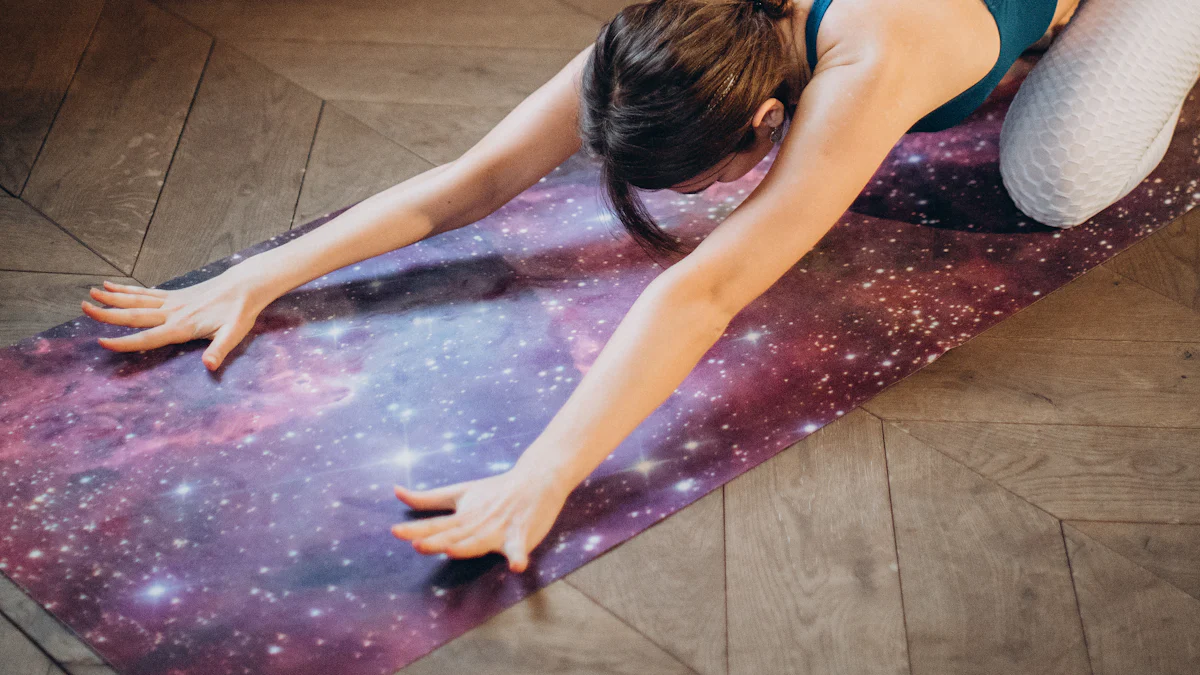
Image Source: pexels
Practicing yoga brings a series of benefits that go beyond the physical. By integrating body, mind, and spirit, you can experience significant improvements in various areas of your life. Let's explore how yoga practice can transform your physical and mental well-being.
Physical Benefits
Yoga practice is an excellent ally for the body. It improves flexibility, muscle strength, and posture. By performing the postures, you work different muscle groups, which helps to tone the body in a balanced way. Furthermore, regular practice can increase stamina and energy, allowing you to face daily life with more energy.
Studies show that practicing yoga improves bone health and reduces the chances of long-term cardiovascular problems. This is because yoga postures stimulate blood circulation and strengthen the cardiovascular system.
Another important physical benefit is the reduction of muscle pain and tension. Yoga breathing exercises help relieve these tensions, providing relief from chronic pain and improving overall physical performance.
Mental and Emotional Benefits
Practicing yoga is not just physical exercise; it is also a powerful tool for mental and emotional health. By focusing on breathing and meditation, you can experience a significant reduction in stress and anxiety. This is because yoga helps to lower cortisol levels, the stress hormone, promoting a sense of calm and tranquility.
Research indicates that the practice of yoga contributes to improved concentration and self-control. By focusing on postures and breathing, you develop greater body and mind awareness, which can lead to increased emotional well-being. Furthermore, yoga can improve pain perception and reduce depression. By practicing regularly, you may experience a reduction in stress levels and an improvement in mood. This translates into a greater sense of emotional and social well-being, allowing you to better cope with the challenges of daily life.
In short, the practice of yoga offers a holistic approach to well-being, benefiting both body and mind. By incorporating yoga into your routine, you can experience a more balanced and healthy life.
Who Can Practice Yoga?
Yoga for Everyone
Have you ever wondered if yoga is for you? The answer is simple: yes! Yoga is an inclusive practice, accessible to everyone, regardless of age or physical condition. Young people, children, pregnant women, the elderly, and anyone healthy can benefit from yoga. The practice of yoga does not discriminate and can be adapted to meet individual needs.
Before starting, it's always a good idea to have a health assessment. This ensures that you practice safely and effectively. If you have any specific medical restrictions, don't worry. Yoga can be adapted for rest and relaxation practices, allowing you to still reap the benefits without compromising your health.
Yoga has its roots in Eastern stretching traditions and is related to martial arts. This historical connection shows how versatile the practice of yoga is and how it can be integrated into different lifestyles. By practicing yoga, you not only improve your flexibility and strength, but also promote mental and emotional balance.
Yoga During Pregnancy
Pregnancy is a special time in any woman's life, and the practice of yoga can be a valuable ally during this period. Yoga for pregnant women is designed to help alleviate the physical and emotional discomfort that may arise during pregnancy. The postures are adapted to ensure the safety and comfort of both mother and baby.
By practicing yoga during pregnancy, you can improve your posture, increase muscle strength, and promote flexibility. In addition, breathing and meditation techniques help reduce stress and anxiety, providing a calmer and more relaxing environment for the expectant mother.
It's important to consult a healthcare professional before starting yoga during pregnancy. This ensures you choose the most appropriate postures and techniques for your stage of gestation. With the right guidance, yoga can be an enriching and beneficial experience for you and your baby.
In short, yoga is for everyone. Whether you are young or old, pregnant or not, yoga offers a holistic approach to well-being. By incorporating yoga into your routine, you can experience a more balanced and healthy life.
Flexibility and Yoga
The Myth of Flexibility
You've probably seen images of yoga practitioners in complex poses and thought, "I could never do that!" But here's the truth: you don't need to be flexible to start practicing yoga. In fact, yoga is one of the best ways to improve your flexibility over time.
Yoga is for everyone, regardless of your current level of flexibility. Regular practice helps to stretch and relieve muscle tension, promoting a looser and healthier body. A recent study showed that after 10 weeks of practice, male university athletes experienced a significant increase in flexibility and balance. This demonstrates that anyone can benefit from yoga, even if they don't feel flexible at first.
Basic Poses for Beginners
If you are starting out, it's important to focus on simple poses that help build a solid foundation. Here are some basic poses you can try:
-
Tadasana (Mountain Pose): Stand with your feet together, arms at your sides. Focus on distributing your weight evenly on your feet and keeping your spine straight. This pose improves posture and balance.
-
Adho Mukha Svanasana (Downward-Facing Dog): Begin on all fours, lift your hips to form an inverted "V". This pose stretches the spine, shoulders, and legs, and strengthens the arms.
-
Balasana (Child's Pose): Sit on your heels, bend forward, and extend your arms forward. This pose is excellent for relaxing and stretching the spine and hips.
-
Vrksasana (Tree Pose): Stand upright, shift your weight to one leg, and place the sole of the other foot on the inside of your thigh. Maintain your balance and bring your palms together in front of your chest. This pose improves balance and concentration.
-
Savasana (Corpse Pose): Lie on your back with your arms at your sides and palms facing upward. Relax completely and focus on your breathing. This posture is ideal for ending your practice, promoting deep relaxation.
These postures are a great starting point for any beginner. Remember to respect your limits and practice patiently. Over time, you will see improvements in flexibility and overall well-being. Yoga is a journey, not a destination. Enjoy every step of the way!
Importance of Breathing in Yoga
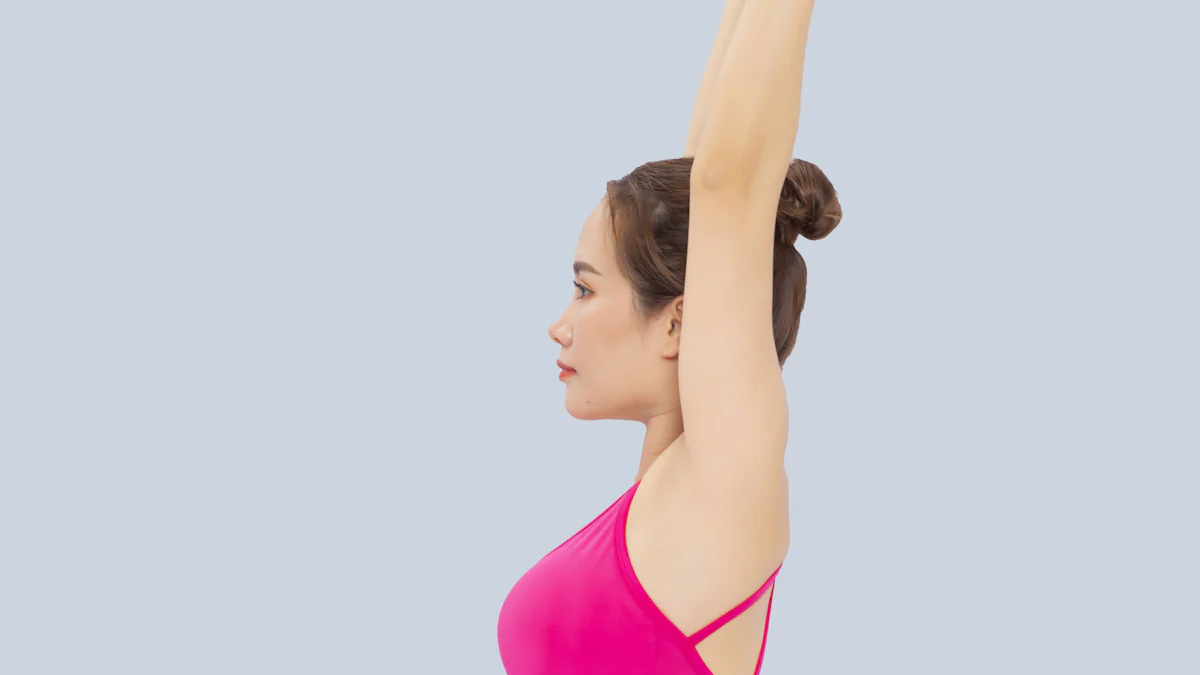
Image Source: pexels
Breathing plays a crucial role in the practice of yoga. It not only sustains life but is also a powerful tool for improving physical and mental health. Let's explore how breathing techniques can transform your yoga practice and bring significant benefits to your well-being.
Breathing Techniques
In yoga, breathing techniques are known as pranayama. They help control vital energy through conscious breathing. Here are some basic techniques you can incorporate into your practice:
-
Abdominal Breathing: Sit comfortably and place one hand on your abdomen. Inhale deeply through your nose, expanding your abdomen. Exhale slowly, feeling your abdomen contract. This technique promotes relaxation and stress relief.
-
Ujjayi Breathing: Also known as "victorious breath," this technique involves inhaling and exhaling through the nose while slightly contracting the throat. This creates a soft sound and helps maintain focus during practice.
-
Alternate Nostril Breathing: Close your right nostril with your thumb and inhale through your left nostril. Close your left nostril with your ring finger and exhale through your right nostril. Repeat the process, alternating nostrils. This technique balances the brain hemispheres and calms the mind.
Studies show that yoga breathing practices help reduce anxiety, depression, and stress. They also improve respiratory capacity and promote relaxation, increasing quality of life and well-being.
Integrating Breathing with Postures
Integrating breathing with yoga postures is essential for effective practice. Conscious breathing helps maintain focus and stability during postures, as well as increasing body awareness. Here are some tips for integrating breathing with postures:
-
Synchronize Breathing with Movement: When entering a posture, inhale deeply. When exiting the posture, exhale slowly. This synchronization helps maintain rhythm and fluidity in practice.
-
Use Breath to Deepen the Postures: During the postures, use your breath to relax and release tension. Inhale to lengthen and expand, and exhale to deepen the posture.
-
Maintain Breath Awareness: Focus on your breath throughout the practice. This helps keep your mind present and avoid distractions.
Research indicates that regular yoga practice, focusing on breathing, can reduce cortisol levels, the stress hormone. This results in a feeling of calm and tranquility, promoting subjective well-being and improving self-control and concentration.
By integrating breath with postures, you transform your yoga practice into a deeper and more meaningful experience. Conscious breathing not only improves physical health but also promotes mental and emotional balance, allowing you to live more fully and consciously.
Practical Tips for Beginners
How to Progress in Practice
You've started your yoga journey and now want to know how to progress. The key is consistency. Practicing regularly, two or three times a week, is ideal for beginners. This helps create a habit and allows your body and mind to gradually adapt to the postures and techniques. Don't worry about intensity at the beginning; the important thing is to maintain frequency.
Another valuable tip is to listen to your body. Respect its limits and don't force postures that cause discomfort. Over time, you will notice improvements in flexibility and strength. Try different styles of yoga to find the one that suits you best. Each style offers unique benefits, and varying your practice can enrich your experience.
Practicing Alone or in a Group?
A common question among beginners is whether they should practice alone or in a group. Both options have their benefits. Practicing in a group can be motivating and provide a sense of community. You learn from others and receive guidance from an instructor, which is especially helpful at the beginning.
On the other hand, practicing alone offers schedule flexibility and allows you to focus at your own pace. You can create a personal and tranquil environment, ideal for meditation and introspection. If you choose to practice alone, consider watching videos or reading about yoga to ensure you are performing the postures correctly.
Injury Prevention
Injury prevention is fundamental in yoga practice. Always start with a proper warm-up to prepare your body. This helps prevent muscle strain and injuries. During practice, focus on your breathing and the alignment of the postures. This not only improves the effectiveness of the practice but also protects your body.
If you feel pain, stop immediately and adjust your posture. Don't hesitate to use accessories, such as blocks or belts, to facilitate the postures. They are great allies for beginners and help maintain safety during practice.
Remember, yoga practice is a personal journey. Enjoy every moment and celebrate your achievements, however small they may be. With patience and dedication, you will reap the many benefits that yoga has to offer.
Frequency and Duration of Practices
Recommendations for Beginners
Are you starting yoga and wondering how often you should practice? The answer is simple: start slowly. Practicing two to three times a week is ideal for beginners. This allows your body to gradually adapt to new postures and techniques. Each session can last about an hour, providing enough time to explore the postures and breathing without rushing.
"Ideally, practice should start with one hour of training, and can be done two to three times a week," advises Daniel.
Set realistic goals for your practice. Don't worry about doing everything at once. Start with small steps and gradually increase the duration and frequency of your sessions. This helps build a sustainable habit and prevents burnout.
Adjusting Practice Over Time
As you become more comfortable with yoga, you can adjust your practice. Increasing the frequency to four or five times a week can deepen your connection with the activity. This doesn't mean you should push yourself beyond your limits. Listen to your body and respect its limits.
As you progress, consider exploring different styles of yoga. Each style offers unique benefits and can enrich your experience. Try beginner classes to build a solid foundation before moving on to more challenging levels.
Practices for beginners (https://www.cnnbrasil.com.br/esportes/outros-esportes/beneficios-do-yoga/) are ideal for gradual progression. They help develop balance, physical conditioning, and mental and body awareness.
Remember, yoga is a personal journey. There's no rush to reach a destination. Enjoy every moment of your practice and celebrate your achievements, however small. With patience and dedication, you will reap the many benefits that yoga has to offer.
Are you ready to begin your yoga journey? Don't be afraid! Yoga is an inclusive and welcoming practice, perfect for those seeking self-knowledge and balance. By integrating yoga into your routine, you will experience physical and mental benefits. Remember: regular practice is essential to reap these rewards.
"Yoga is for everyone who is open to self-discovery," shares a participant of the 200-hour intensive course (https://iyogayou.com.br/depoimentos/).
Stay motivated by remembering the benefits that yoga brings. The practice is a valuable tool for personal development, helping you face life's challenges with more serenity. So, put on your comfortable clothes, grab your mat, and start this transformation today!
See also
Everything You Need to Know About Yoga for Beginners
Yoga for Men: A Beginner's Guide
Introduction to Vidya Hot Yoga for Beginners

Written by
Maria Yogalife
Maria | Yoga & Wellness Writer at YogaLife.World Maria is a passionate yoga and wellness writer at YogaLife.World, dedicated to sharing knowledge, inspiration, and practical guidance for a healthier, more balanced lifestyle. Through her articles, she explores yoga practices, meditation, mindfulness, holistic wellness, and the transformative benefits of mindful living. With an accessible and inspiring approach, Maria helps readers of all levels discover new practices, deepen their understanding of yoga, and bring greater balance, awareness, and well-being into their everyday lives.
Visit website


