
Image Source: unsplash
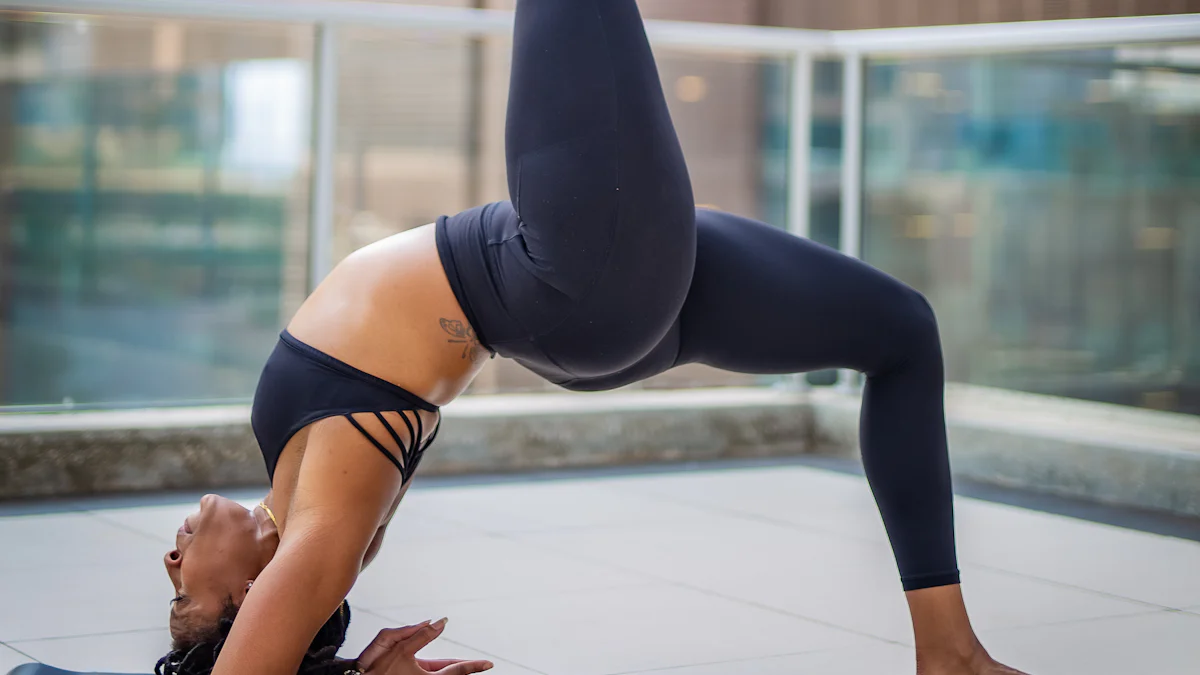
Yoga is an ancient practice that connects the body and mind through postures, breathwork, and meditation. By practicing full body yoga, you improve your physical and mental health. One study revealed that 80% of participants experienced reduced stress and anxiety thanks to yoga. Yoga also strengthens muscles, improves flexibility, and relieves pain. A balanced practice is essential to reap these benefits. By integrating yoga into your routine, you experience a holistic transformation that improves your quality of life and overall well-being.
Full Body Yoga
Practicing full body yoga offers numerous benefits that impact both mind and body. By incorporating this practice into your daily life, you can experience a significant improvement in your overall well-being.
Mind and Body Benefits
Yoga not only strengthens the body but also nourishes the mind. Studies have shown that yoga can reduce anxiety and stress in a way similar to conventional medical therapies. The World Health Organization highlights that yoga increases feelings of emotional and social well-being. In addition, regular practice can decrease the secretion of cortisol, the stress hormone, by 35%. This not only improves your mental health but also promotes a sense of calm and balance.
Improved Flexibility and Strength
Yoga is known for improving flexibility and strength. By performing postures that stretch and strengthen different muscle groups, you can increase your range of motion and tone your body. Health experts say that yoga helps improve balance and reduces the risk of injury. This is especially beneficial for maintaining a strong and flexible body over time.
Stress Reduction and Improved Well-being
The practice of yoga is a powerful tool for reducing stress. A study published in the Journal of Evidence-Based Integrative Medicine showed a significant decrease in blood pressure in people who practiced yoga for 12 weeks. By reducing stress, you also improve your overall well-being. Yoga allows you to connect with your breath and find a space of tranquility amidst the daily chaos. This mind-body connection is essential for maintaining optimal well-being.
Yoga for the Abdomen
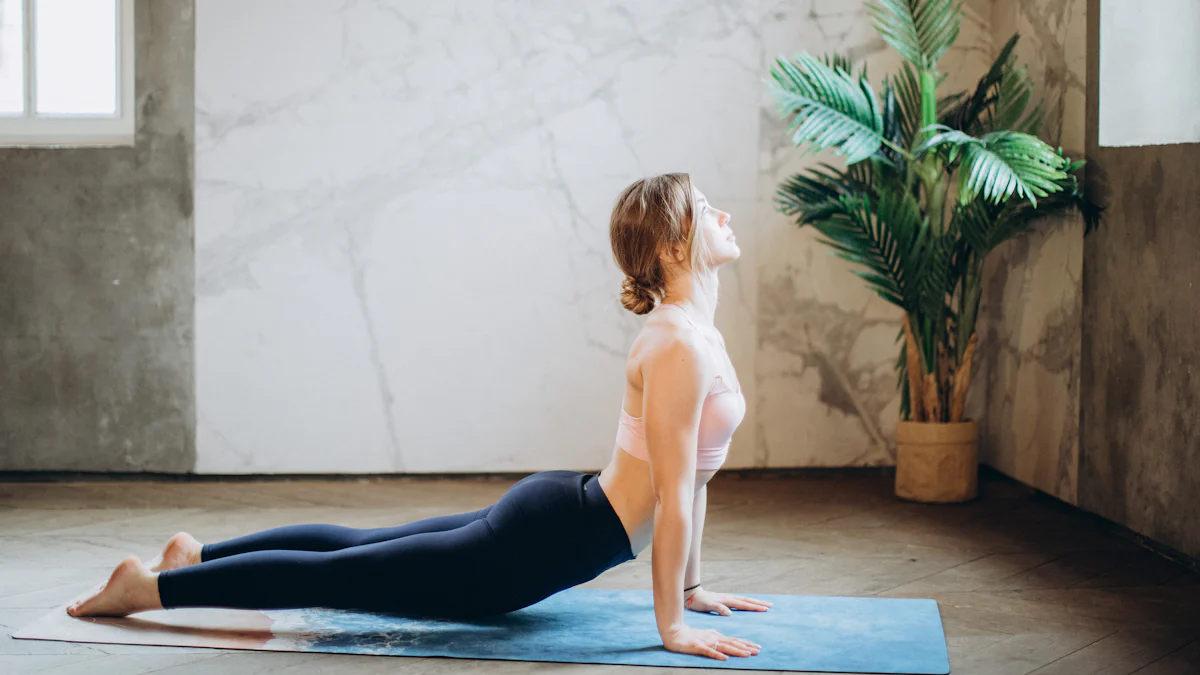
Image Source: pexels
Full-body yoga not only improves your overall well-being but also offers specific benefits for your abdomen. By focusing on this area, you can strengthen your core and improve your posture, which positively impacts your health and quality of life.
Benefits for the Abdomen
Core Strengthening
A strong core is essential for maintaining balance and body control in your daily activities. Regular full-body yoga practice, which includes specific abdominal poses, helps you develop this core strength. According to The Class Yoga, a strengthened abdomen through yoga not only improves your balance but also prevents injuries by providing better stability and support to your spine.
Posture Improvement
Proper posture is crucial for avoiding unnecessary pain and tension in the body. By practicing full-body yoga, especially with a focus on the abdomen, you can correct and improve your posture. This is because a strong core supports the spine and aligns the body correctly. Studies have shown that yoga can alleviate the effects of chronic pain, such as carpal tunnel syndrome, by improving strength and reducing pain, which also contributes to a healthier posture.
Specific Routines
To maximize the benefits of yoga for the abdomen, it's important to incorporate specific routines that focus on this area. Here are two effective poses:
Boat Pose (Navasana)
The boat pose is an excellent way to strengthen your core. By balancing on your buttocks and lifting your legs, you intensely work your abdominal muscles. This pose not only tones your abdomen but also improves concentration and balance, fundamental aspects of yoga for the whole body.
Plank (Phalakasana)
The plank is another key pose for strengthening the abdomen. By holding your body in a straight line from head to heels, you activate your core muscles and improve endurance. The plank is a versatile pose that also strengthens the arms and legs, contributing to a comprehensive, full-body yoga workout.
Incorporating these poses into your regular full-body yoga practice will help you strengthen your abdomen, improve your posture, and enjoy a better quality of life.
Yoga for the Back
Yoga offers numerous benefits for the back, helping to relieve pain and improve alignment. By incorporating specific poses into your practice, you can experience a significant improvement in your back health.
Back Benefits
Back Pain Relief
Back pain is a common ailment that affects many people. Practicing yoga regularly can be an effective solution for relieving this pain. Studies on back pain relief through yoga have shown that yoga can be as effective as other non-drug treatments for chronic lower back pain. By performing postures that stretch and strengthen the back muscles, you can reduce tension and pain. Yoga also improves flexibility and range of motion, contributing to a healthier back.
Improved Alignment
Proper alignment is crucial for maintaining a healthy back. Yoga helps improve spinal alignment by strengthening the muscles that support it. A study published in the journal Spine found that yoga can improve posture and reduce back pain in young adults. By practicing yoga, you learn to maintain proper posture, which prevents future injuries and pain. A well-aligned spine also improves your balance and stability in daily activities.
Targeted Routines
To get the maximum benefits of yoga for your back, it’s important to include targeted routines that focus on this area. Here are two effective poses:
Cat-Cow Pose (Marjaryasana-Bitilasana)
The cat-cow pose is excellent for relieving tension in the back. By alternating between arching and rounding your spine, you stretch and strengthen your back muscles. This pose also improves spinal flexibility and promotes better alignment. Practicing the cat-cow pose regularly can help reduce back pain and improve your overall posture.
Child's Pose (Balasana)
Child's Pose is a resting pose that relieves tension in the lower back. By bending forward and resting on your heels, you gently stretch your spine and relax your back muscles. This pose also promotes relaxation and reduces stress, contributing to a healthier back. Incorporating Child's Pose into your yoga practice will help you maintain a strong and flexible back.
By integrating these poses into your yoga routine, you can improve your back health and enjoy a better quality of life.
Yoga for the Glutes
Yoga is not only a practice for the mind and body in general, but it also offers specific benefits for the glutes. By focusing on this area, you can achieve effective toning and strengthening, as well as improve your balance.
Benefits for the Glutes
Toning and Strengthening
Yoga is a powerful tool for toning and strengthening the glutes. By performing specific poses, you work the muscles in this area comprehensively. A study published in Telva highlights that yoga can effectively tone the glutes and legs. Furthermore, the magazine Lago en Calma emphasizes the underrated benefits of yoga for muscle toning. By practicing yoga regularly, you can experience a noticeable improvement in the firmness and definition of your glutes.
Improved Balance
Strong glutes not only improve appearance but also contribute to better balance. Yoga helps you develop this stability by strengthening the muscles that support your body. Glamour magazine mentions that yoga routines are powerful for toning the glutes and legs, which in turn improves balance. By practicing yoga poses that challenge your stability, you can increase your ability to maintain balance in various situations.
Specific Routines
To maximize the benefits of yoga for the glutes, it's important to incorporate specific routines that focus on this area. Here are two effective poses:
Bridge Pose (Setu Bandhasana)
The bridge pose is excellent for strengthening and toning the glutes. By lifting your hips toward the ceiling while keeping your feet firmly planted on the ground, you intensely work your gluteal muscles. This pose not only improves strength but also stretches the spine and opens the chest, promoting better posture and breathing.
Warrior III (Virabhadrasana III)
Warrior III is a challenging pose that requires balance and gluteal strength. By leaning forward and lifting one leg behind you, you activate your gluteal muscles and improve your stability. This pose not only tones your glutes but also strengthens your legs and improves concentration. Practicing Warrior III regularly will help you develop solid balance and greater gluteal strength.
Incorporating these poses into your yoga practice will allow you to enjoy stronger, more toned glutes, as well as improved balance and overall well-being.
Leg Yoga

Image Source: pexels
Full-body yoga not only benefits the mind and core, but also offers significant advantages for the legs. By practicing yoga regularly, you can experience improvements in flexibility and muscle strength, contributing to overall physical well-being.
Leg Benefits
Increased Flexibility
Yoga is a powerful tool for increasing flexibility of the legs. By performing specific poses, you stretch and lengthen your muscles, which improves your range of motion. A study published in the International Journal of Yoga highlights that regular yoga practice can increase joint flexibility and strengthen bones. This is especially beneficial for preventing injuries and maintaining leg health over time.
Muscle Strengthening
In addition to improving flexibility, full-body yoga also strengthens leg muscles. By performing asanas that require balance and strength, you intensely work your leg muscles. A study in the Journal of Aging and Physical Activity showed that participants who practiced yoga for eight weeks experienced a 31% increase in grip strength. Although this study focused on grip strength, the principles of muscle strengthening apply equally to the legs, as yoga engages multiple muscle groups.
Targeted Routines
To maximize the benefits of yoga for your legs, it’s important to incorporate targeted routines that focus on this area. Here are two effective poses:
Triangle Pose (Trikonasana)
The Triangle Pose is excellent for stretching and strengthening your legs. By lengthening your torso and extending your arms, you work your leg muscles and improve hip flexibility. This pose also helps align the spine and improves balance. Practicing Trikonasana regularly will allow you to enjoy stronger, more flexible legs.
Tree Pose (Vrksasana)
Tree Pose is a balancing pose that strengthens the legs and improves concentration. By balancing on one leg and placing the opposite foot on the thigh, you activate your leg muscles and develop stability. This pose not only tones the legs but also promotes better posture and balance. Incorporating Vrksasana into your full-body yoga practice will help strengthen your legs and improve your overall balance.
By integrating these poses into your yoga routine, you can enjoy stronger, more flexible legs, which contributes to overall physical well-being.
Tips for Beginners
How to Start Yoga
Starting yoga might seem challenging, but with a few simple steps, you can begin with short sessions of five to ten minutes a day. This allows you to familiarize yourself with the poses and breathing without feeling overwhelmed. As you become more comfortable, you can gradually increase your practice time to 20 minutes or even an hour. The key is to listen to your body and progress at your own pace.
Tips for Staying Motivated
Staying motivated in your yoga practice is essential to experiencing its benefits. Here are some practical tips:
-
Establish a Routine: Practicing at the same time every day can help you create a habit.
-
Create a Suitable Space: A quiet, distraction-free space will allow you to concentrate better.
-
Use props: If you feel your body needs them, don't hesitate to use blocks, straps, or cushions.
-
Connect with a teacher: Finding an instructor with whom you feel at peace can enrich your experience.
-
Share your experiences: Talking with other practitioners can motivate you and offer new perspectives.
"The practice of Yoga requires a lot of concentration and mental strength. That's why it's important to avoid noisy places, places with lots of objects in the way, or places with technological devices at hand." - Anonymous
Integrating yoga into daily life
Integrating yoga into your daily life not only improves your physical well-being but also your mental health. Here's how:
-
Incorporate yoga into your daily routines: You can practice simple poses while waiting for the water to boil or during a break at work.
-
Practice mindful breathing: Dedicate a few minutes each day to focusing on your breath, which will help you reduce stress.
-
Be flexible with your practice: Don't beat yourself up if you can't practice one day. Listen to your body and allow yourself to rest when you need to.
Remember that yoga is a personal practice, and everyone progresses at their own pace. Patience and consistency are your best allies on this path.
Full-body yoga offers numerous benefits that improve your physical and mental health. Practicing regularly strengthens muscles, increases flexibility, and reduces stress. Consistency is key to experiencing these positive effects. By maintaining a disciplined practice, you feel the benefits of patience and dedication.
We invite you to explore different styles of yoga. Each offers unique experiences that enrich your practice. For a safe and effective practice, listen to your body and progress at your own pace. Remember that yoga is a personal journey toward holistic well-being.
See also
Everything You Need to Know About Yoga for Beginners
How to Choose the Perfect Yoga Workout for You
Effective Relaxation Techniques Through Yoga

Written by
Maria Yogalife
Maria | Yoga & Wellness Writer at YogaLife.World Maria is a passionate yoga and wellness writer at YogaLife.World, dedicated to sharing knowledge, inspiration, and practical guidance for a healthier, more balanced lifestyle. Through her articles, she explores yoga practices, meditation, mindfulness, holistic wellness, and the transformative benefits of mindful living. With an accessible and inspiring approach, Maria helps readers of all levels discover new practices, deepen their understanding of yoga, and bring greater balance, awareness, and well-being into their everyday lives.
Visit website


