
Image Source: pexels
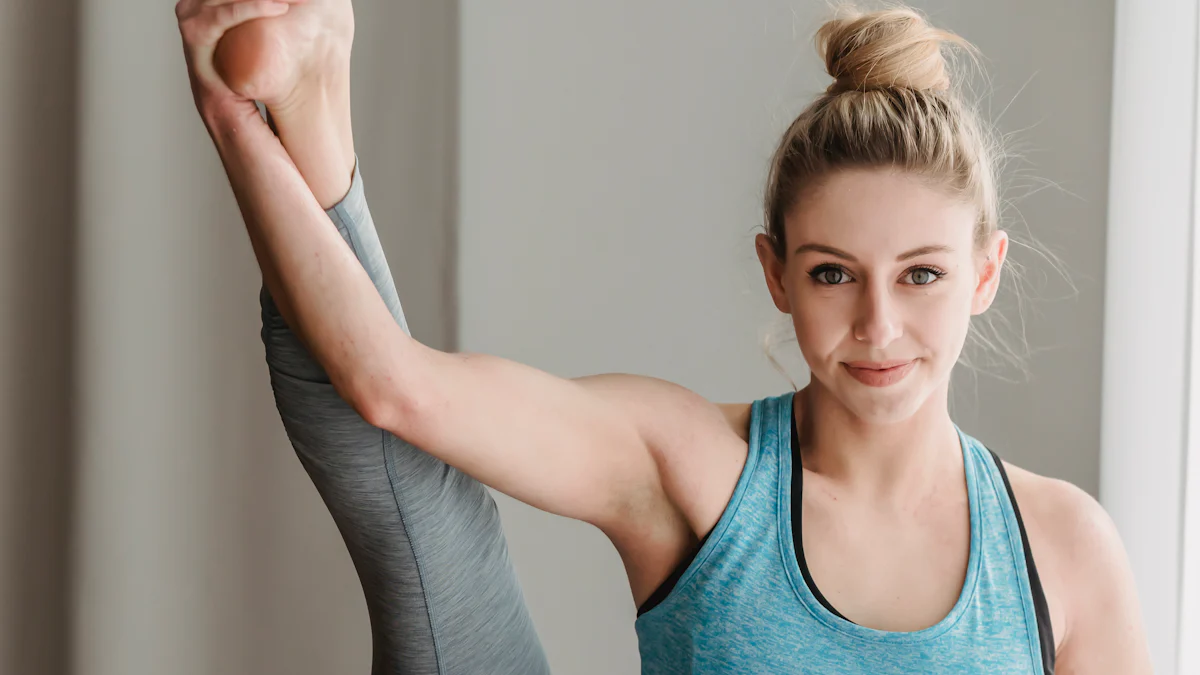
Upright yoga poses are fundamental to the practice of yoga. These poses not only strengthen various muscles, but also improve balance and concentration. By practicing upright yoga, you connect more deeply with your body and mind. Furthermore, these poses help align the spine, promoting better posture and overall well-being. By incorporating them into your routine, you experience a physical and mental transformation that leads you to a state of harmony and inner peace. Discover the power of upright poses and transform your yoga practice!
Benefits of Upright Poses
Physical Benefits
Improved Posture
Practicing upright poses in yoga helps improve your posture. By properly aligning your spine, these poses reduce tension in your back and neck. This is especially helpful if you spend a lot of time sitting. Upright poses also strengthen the muscles that support your spine, contributing to a more upright and healthy posture.
Core Strengthening
Upright poses require you to engage your core. By holding these poses, you strengthen your abdominal and lower back muscles. A strong core not only improves your balance but also protects your spine. This helps you perform other physical activities more easily and reduces the risk of injury.
Mental Benefits
Increased Concentration
When practicing upright poses, you need to focus on your balance and breathing. This mindfulness improves your ability to concentrate in other areas of your life. By focusing on maintaining the posture, you train your mind to be more aware and present. This can translate into better concentration at work or while studying.
Stress Reduction
Upright postures are also excellent for reducing stress. By inverting the body, these postures promote blood flow to the brain, which can have a calming effect. Furthermore, by focusing on your breath and the present moment, you release accumulated tension. This helps you feel more relaxed and at peace after your yoga practice.
Types of Upright Yoga Poses
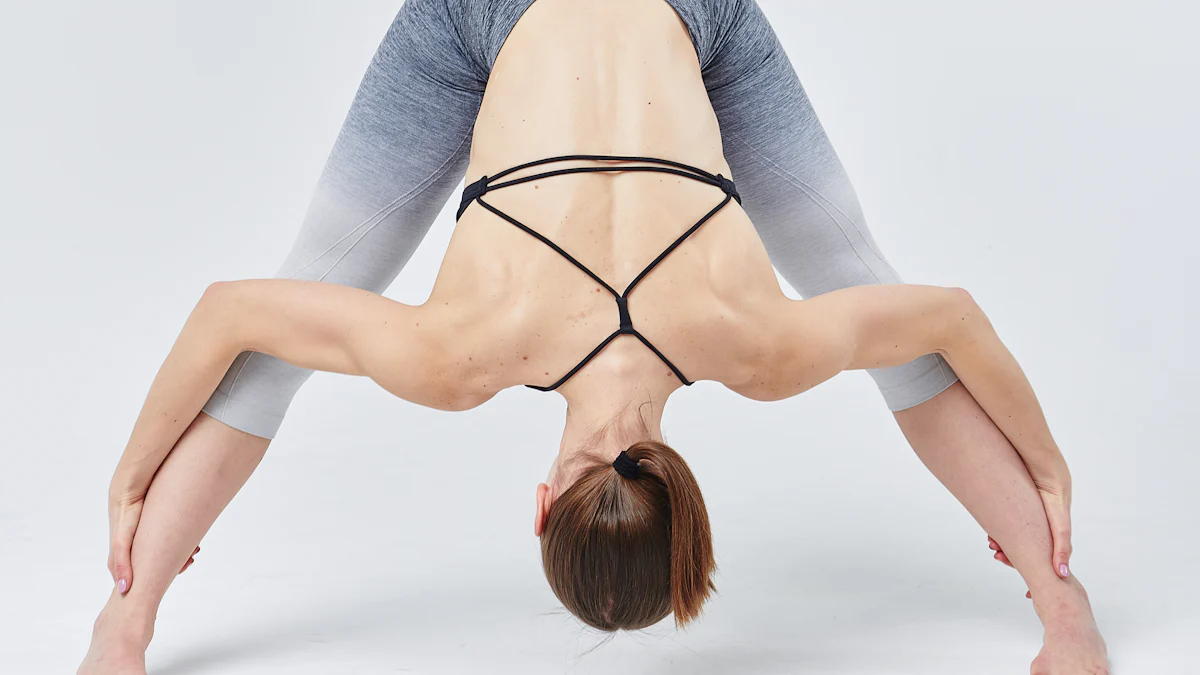
Image Source: pexels
Exploring upright yoga poses opens up a world of possibilities. These poses not only challenge your balance but also strengthen your body and mind. Let's dive into the types of upright poses you can incorporate into your practice.
Basic Upright Yoga Poses
Starting with basic upright yoga poses allows you to build a solid foundation. These poses are ideal for beginners and help you develop strength and balance.
Tadasana (Mountain Pose)
Tadasana, or Mountain Pose, is the foundation of all standing yoga poses. In this pose, you stand upright with your feet together and your arms at your sides. Imagine an invisible string pulling your head toward the sky. This pose improves your alignment and teaches you to maintain an upright posture. Practicing Tadasana regularly strengthens your legs and improves your balance.
Vrksasana (Tree Pose)
Vrksasana, or Tree Pose, is a classic standing yoga pose that challenges your balance. To perform it, stand on one leg and place the opposite foot on the inner thigh of your supporting leg. Raise your arms overhead and bring your palms together. This pose not only strengthens your legs but also improves your concentration. By practicing Vrksasana, you connect with stability and inner calm.
Advanced Upright Yoga Poses
Once you've mastered the basic poses, you can progress to more challenging postures. Advanced upright yoga poses require more strength and balance, but offer great benefits.
Sirsasana (Headstand)
Sirsasana, or headstand, is one of the most iconic poses in upright yoga. To perform it, you place the crown of your head on the floor and lift your legs toward the ceiling. This pose improves blood circulation and strengthens the core. Practicing Sirsasana regularly increases your confidence and focus. Remember to perform this pose under the supervision of an instructor if you are a beginner.
Pincha Mayurasana (Peacock Pose)
Pincha Mayurasana, or peacock pose, is a challenging pose that requires balance and shoulder strength. In this pose, you support yourself on your forearms and lift your legs upward. This pose strengthens the core muscles and improves shoulder flexibility. Practicing Pincha Mayurasana helps you overcome fear and develop greater body awareness.
Incorporating these upright postures into your yoga practice offers an enriching experience. Each pose challenges you in a unique way and helps you grow both physically and mentally. Dare to explore the world of upright yoga and discover all you can achieve!
Contraindications and Precautions
When practicing upright yoga postures, it is essential to be aware of certain medical conditions and follow safety advice to avoid injury.
Medical Conditions to Consider
Neck Problems
If you have cervical problems, such as cervical straightening, discopathy, osteoarthritis, or pinched nerves, you should avoid inverted postures. These conditions can worsen with the additional pressure that upright postures place on the neck. Practicing these postures could increase the risk of cervical spine injury.
Hypertension
People with hypertension should be cautious when performing inverted poses. These poses can affect blood pressure due to changes in blood circulation. If you have hypertension, consult a doctor before attempting upright poses. It is important to prioritize your safety and well-being.
Safety Tips
Using Props
Using props can make upright poses more accessible and safer. You can use blocks, blankets, or a wall to help you maintain your balance and reduce strain on your neck and shoulders. Props provide stability and allow you to focus on proper body alignment.
Instructor Supervision
Practicing under the supervision of an experienced instructor is highly recommended, especially if you are a beginner. An instructor can guide you in the proper technique and correct any errors in your posture. This not only improves your practice but also minimizes the risk of injury. Professional guidance helps you progress safely and effectively in your standing yoga practice.
By considering these contraindications and following safety advice, you can enjoy the benefits of standing poses while protecting your health. Always remember to listen to your body and practice mindfully.
Steps to Performing Standing Poses
Preparation
Before attempting standing poses, it's crucial to prepare your body and mind. Here's how:
Proper Warm-up
A good warm-up is essential. Start with gentle movements to activate your muscles. You can do arm circles, side stretches, and knee bends. This increases circulation and reduces the risk of injury. Remember that a well-prepared body responds better to challenging poses.
Using Breath
Breathing is your ally in yoga. Practice deep, controlled breathing. Inhale through your nose, filling your lungs, and exhale slowly. This not only oxygenates your body but also calms your mind. Mindful breathing helps you maintain focus and stability during the poses.
Execution
Now that you're ready, it's time to perform the handstands with precision and safety.
Body Alignment
Proper alignment is key. Make sure your spine is straight and your shoulders are relaxed. Imagine a line connecting your head to your feet. This distributes your weight evenly and prevents unnecessary strain. Keep your core engaged to hold the pose firmly.
Maintaining the Pose
Once in the pose, focus on holding it. Use your breath to find balance and stability. If you feel yourself losing control, return to a more comfortable position and try again. Consistent practice improves your stamina and confidence. Remember that each attempt is a step toward mastering the handstands.
"The upright staggered pose is a beginner-level yoga pose performed standing upright that has a restorative effect." - Yoga instructors in Tummee
With these steps, you'll be ready to explore the world of upright yoga poses. Enjoy the journey and feel your practice evolve!
Upright yoga poses offer numerous benefits. They improve your posture, strengthen your core, and increase focus. They also reduce stress and promote overall well-being. By practicing these poses, you'll explore both basic and advanced poses, each with its own challenges and rewards.
For a safe and effective practice, remember to warm up properly and use your breath as your guide. Use props if needed and seek guidance from an instructor. Always listen to your body and enjoy the process of growth and transformation that upright yoga offers.
See also
Essential Guide to Practicing 108 Yoga Poses in PDF
Choosing the Perfect Aerial Yoga Equipment: The Ultimate Guide
Beginner's Guide to 8 Limbs Yoga

Written by
Maria Yogalife
Maria | Yoga & Wellness Writer at YogaLife.World Maria is a passionate yoga and wellness writer at YogaLife.World, dedicated to sharing knowledge, inspiration, and practical guidance for a healthier, more balanced lifestyle. Through her articles, she explores yoga practices, meditation, mindfulness, holistic wellness, and the transformative benefits of mindful living. With an accessible and inspiring approach, Maria helps readers of all levels discover new practices, deepen their understanding of yoga, and bring greater balance, awareness, and well-being into their everyday lives.
Visit website


