
Image Source: pexels
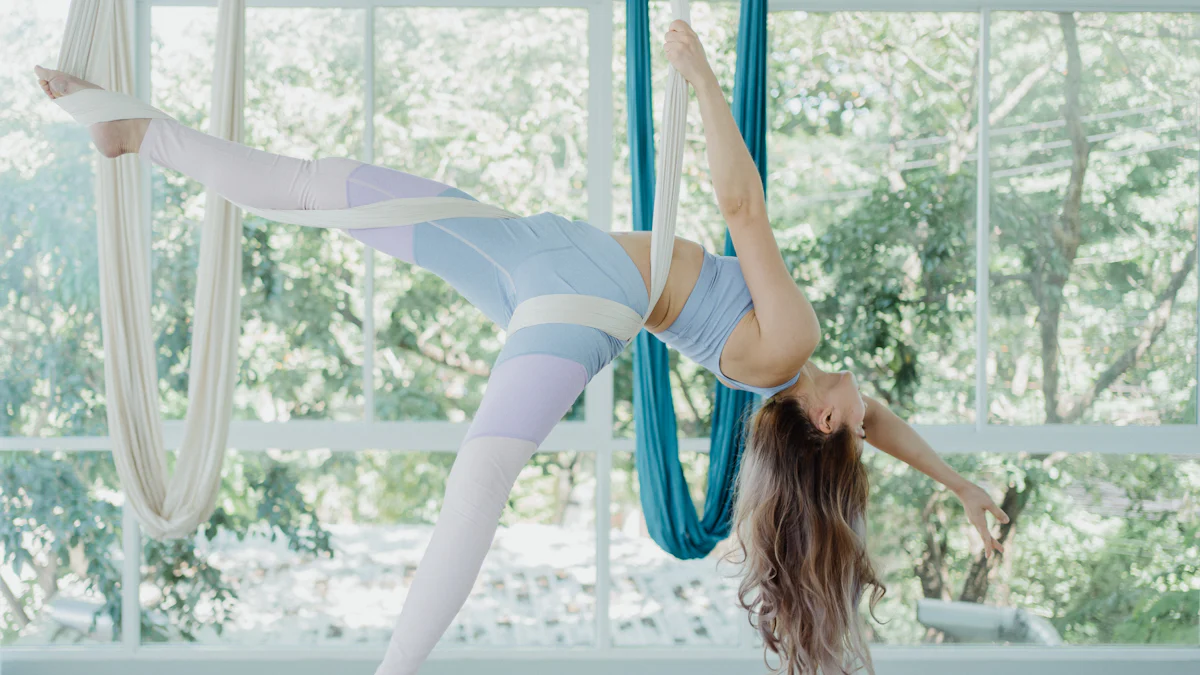
Aerial yoga, also known as aerial yoga, has gained popularity in recent years. More and more people are looking to experience this innovative modality that combines traditional yoga with suspension elements. Choosing the right equipment is crucial to ensuring a safe and effective practice. A quality hammock and well-selected accessories not only enhance your experience but also protect your physical well-being. By investing in the right equipment, you ensure you fully enjoy the benefits of aerial yoga while minimizing risks.
What is Aerial Yoga?
Definition and Origin
Aerial yoga is an innovative practice that combines traditional yoga with suspension elements. You use a special hammock to perform postures in the air, allowing you to experience a sensation of weightlessness. This modality originated in the early 1990s when B.K.S. Iyengar introduced ropes for support in inverted postures. During the early 2000s, yoga teachers began to blend anti-gravity principles with movements from Pilates, acrobatics, and dance, thus creating unique styles of aerial yoga.
History of Aerial Yoga
The history of aerial yoga dates back to the 1990s. B.K.S. Iyengar pioneered the use of ropes to facilitate inverted postures. This innovative approach allowed practitioners to explore new dimensions of yoga. In the following years, the practice evolved. Instructors around the world began experimenting with suspension, integrating elements from other disciplines such as acrobatics and Pilates. Thus, aerial yoga established itself as a unique and versatile practice.
Differences with Traditional Yoga
Aerial yoga differs from traditional yoga primarily in its use of a hammock. While in traditional yoga you perform postures on the floor, in aerial yoga you perform them in the air. This allows you to explore more fluid and challenging movements. Furthermore, aerial yoga offers a sense of freedom and lightness not found in conventional yoga. The suspension also reduces pressure on the joints, which can be beneficial for those seeking a gentler practice.
Benefits of Aerial Yoga
Aerial yoga offers a wide range of benefits that go beyond those provided by traditional yoga.
Physical Benefits
Practicing aerial yoga strengthens your muscles and improves your flexibility. Suspended in the hammock, it allows you to perform deeper stretches and more challenging poses. Aerial yoga also improves your balance and coordination. By working with gravity, you also strengthen your core and increase your endurance. Regular practice can help tone your body and improve your posture.
Mental and Emotional Benefits
Aerial yoga not only benefits your body but also your mind. The feeling of weightlessness and freedom you experience while practicing aerial yoga can reduce stress and anxiety. It helps you focus and be present in the moment. Furthermore, practicing aerial yoga fosters self-confidence by overcoming challenges and exploring new poses. The combination of movement and meditation in the air can improve your emotional and mental well-being.
Types of Aerial Yoga Equipment
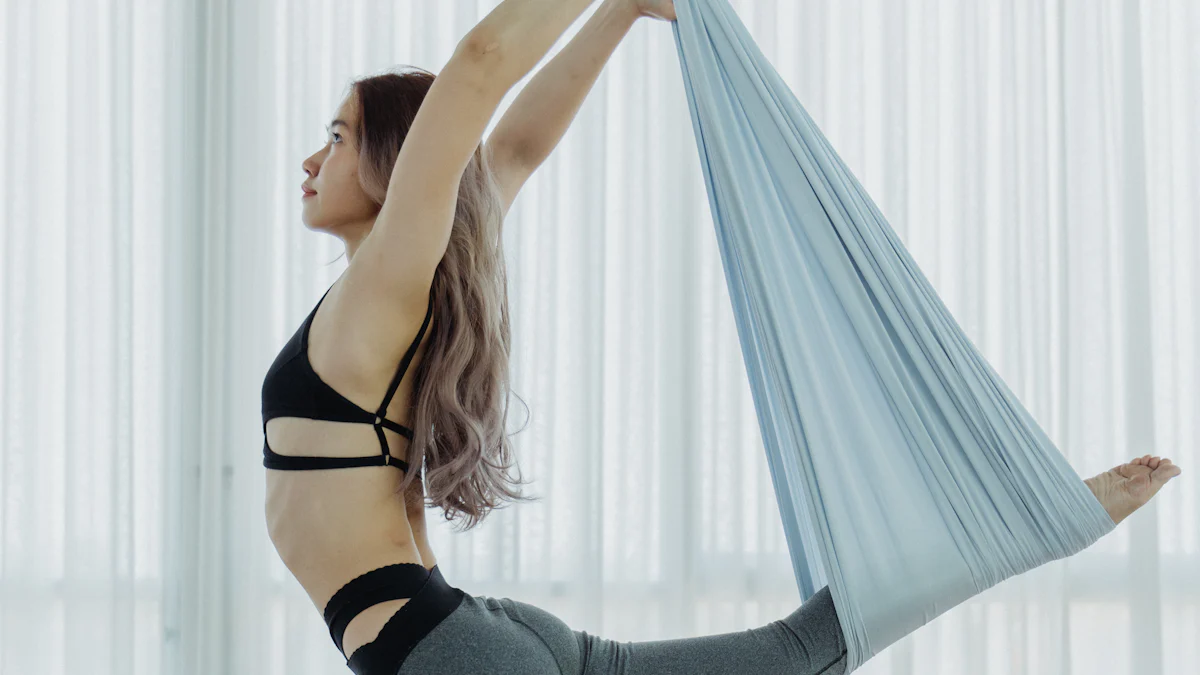
Image Source: pexels
When practicing aerial yoga, choosing the right equipment is essential to ensure a safe and enjoyable experience. Here are the different types of equipment you need to consider.
Yoga Hammocks
Yoga hammocks are the central element of aerial yoga. These hammocks are designed to support your weight and allow you to perform various poses while suspended.
Materials and Durability
Aerial yoga hammocks are made with strong and durable materials. Nylon taffeta is a popular choice due to its strength and weight capacity (up to 120 kg). This material is washable, making it easy to maintain. Additionally, the fabric should be slightly elastic to provide adequate support without compromising safety. Ensure the anchor points are solid and properly installed in the ceiling, as the hammock's stability depends on them.
Sizes and Weight Capacity
Aerial yoga hammocks come in different sizes to suit your needs. A 5-meter hammock is ideal for most practices. The hammock's length should be adjustable to accommodate different heights and practice styles. This will allow you to explore a variety of poses with greater versatility. Always check the hammock's weight capacity to ensure it's suitable for you.
Additional Accessories
Besides the hammock, there are several accessories that complement your aerial yoga practice.
Ropes and Carabiners
Ropes and carabiners are essential for the safe installation of your hammock. Use high-quality carabiners to ensure the hammock is securely attached. The ropes should be strong and able to support the weight of both the hammock and the practitioner. Make sure all components are of good quality to avoid accidents during practice.
Mats and Cushions
Although aerial yoga is primarily performed in the air, mats and cushions are useful for providing added comfort and safety. Place a mat under the hammock to cushion any accidental falls. Cushions can also be helpful for protecting your joints during floor poses.
When choosing aerial yoga equipment, consider these items to ensure a safe and effective practice. With the right equipment, you can fully enjoy the benefits of aerial yoga.
Factors to Consider When Choosing Equipment
When choosing equipment for aerial yoga, you should consider several factors that guarantee a safe and effective practice. These items not only ensure your well-being but also enhance your overall experience.
Safety and Certifications
Safety is paramount when practicing aerial yoga. Make sure all equipment meets safety standards and has the necessary certifications.
Safety Standards
Safety standards are essential to prevent accidents during practice. Verify that the hammock and accessories, such as carabiners and ropes, are made of high-quality materials. These must be able to withstand the weight and tension generated during the poses. Also, regularly check the condition of the equipment for any wear or damage.
Quality Certifications
Quality certifications guarantee that the equipment has been tested and meets international standards. Look for products with recognized certifications, such as ISO, which ensure that the equipment is safe and reliable. These certifications guarantee that the equipment has undergone rigorous quality testing.
Space and Location
The space where you practice aerial yoga also plays a crucial role in your safety and comfort. You should consider both the available space and the appropriate location for setting up your equipment.
Space Requirements
To practice aerial yoga, you need a large, unobstructed space. The ceiling height must be sufficient to allow the hammock to hang without touching the ground. Additionally, ensure there is enough space around the hammock to move freely and perform the poses without the risk of bumping into objects.
Proper Installation
Proper equipment installation is essential for a safe practice. Use high-quality hooks and anchors that are securely attached to the ceiling. Follow the manufacturer's instructions for installation and, if necessary, seek the help of a professional to ensure everything is installed correctly. A secure installation will allow you to enjoy aerial yoga with confidence.
By considering these factors, you can ensure your aerial yoga practice is safe and enjoyable. With the right equipment and a well-prepared space, you can focus on developing your flexibility, stability, and balance, enjoying all the benefits that aerial yoga has to offer.
Tips for Beginners
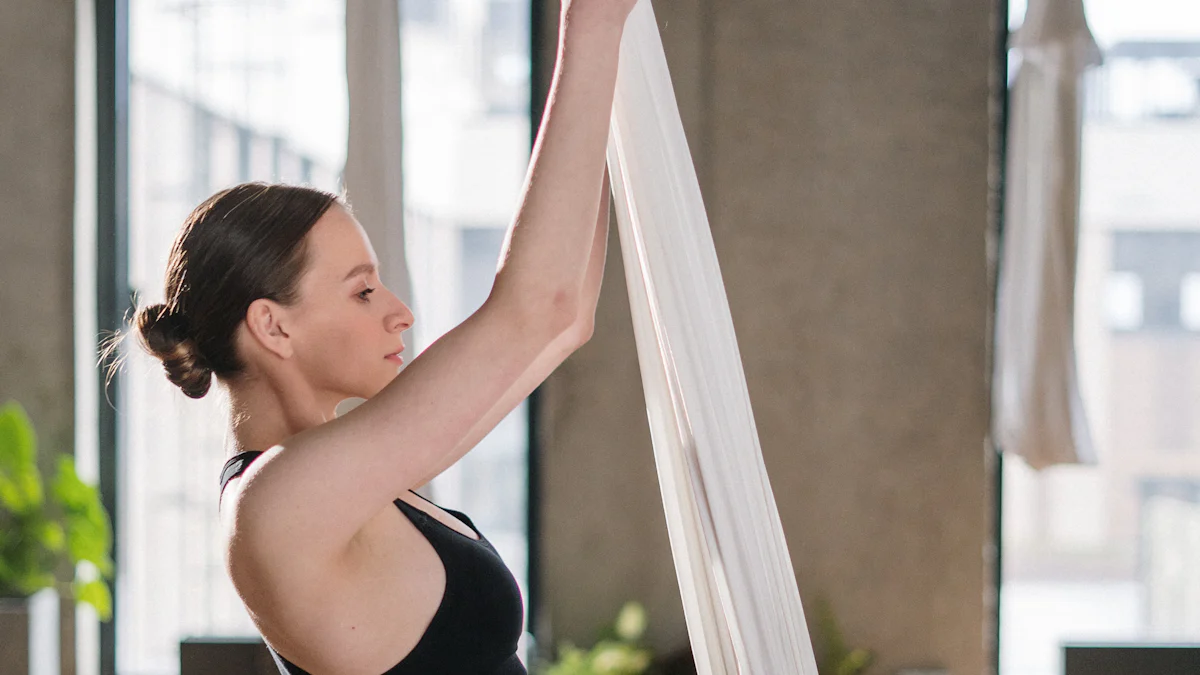
Image Source: pexels
Getting Started
Starting your aerial yoga journey may seem challenging, but with the right guidance, you'll quickly feel comfortable.
Recommended Classes and Instructors
To begin, look for aerial yoga classes in your area. You don't need any prior yoga experience to join these sessions. Qualified instructors will guide you through the basic poses and help you become familiar with the equipment. Salty Water Yoga suggests that the swing adapts to all bodies, regardless of your shape, size, or ability. Also, be sure to wear close-fitting clothing that covers your skin to avoid chafing.
Safe Practices
Safety is paramount when practicing aerial yoga. Avoid eating at least an hour before class to prevent discomfort. Start with short and simple sessions. This will help you develop a regular practice without feeling overwhelmed. Dive Tarifa emphasizes that consistent practice, even if short, improves your health and well-being sustainably. The aerial plank, for example, is an excellent pose for strengthening your core, arms, and upper body. While it may seem simple, it can be challenging for beginners.
Equipment Maintenance
Properly caring for your aerial yoga equipment is essential to ensure its durability and safety.
Cleaning and Care
Clean your hammock regularly to keep it in good condition. Use a mild detergent and warm water to wash the fabric. Avoid harsh chemicals that can damage the material. Make sure to dry the hammock completely before storing it to prevent mold and unpleasant odors.
Proper Storage
Store your equipment in a dry place away from direct sunlight. Prolonged sun exposure can weaken the fabric and reduce its lifespan. If possible, disassemble the hammock when not in use to avoid unnecessary stress on the anchor points. By following these tips, you will keep your equipment in optimal condition and enjoy a safe and pleasant practice.
Choosing the right equipment for aerial yoga is fundamental to ensuring a safe and enriching experience. By selecting quality hammocks and accessories, you protect your physical well-being and maximize the benefits of this innovative practice. We invite you to explore the world of aerial yoga with confidence. With the right equipment and a well-prepared space, you can enjoy the freedom and lightness this modality offers. Dare to challenge your limits and discover new dimensions of yoga.
See also
Tips for Choosing the Ideal Yoga Clothing and Alignment

Written by
Maria Yogalife
Maria | Yoga & Wellness Writer at YogaLife.World Maria is a passionate yoga and wellness writer at YogaLife.World, dedicated to sharing knowledge, inspiration, and practical guidance for a healthier, more balanced lifestyle. Through her articles, she explores yoga practices, meditation, mindfulness, holistic wellness, and the transformative benefits of mindful living. With an accessible and inspiring approach, Maria helps readers of all levels discover new practices, deepen their understanding of yoga, and bring greater balance, awareness, and well-being into their everyday lives.
Visit website


