
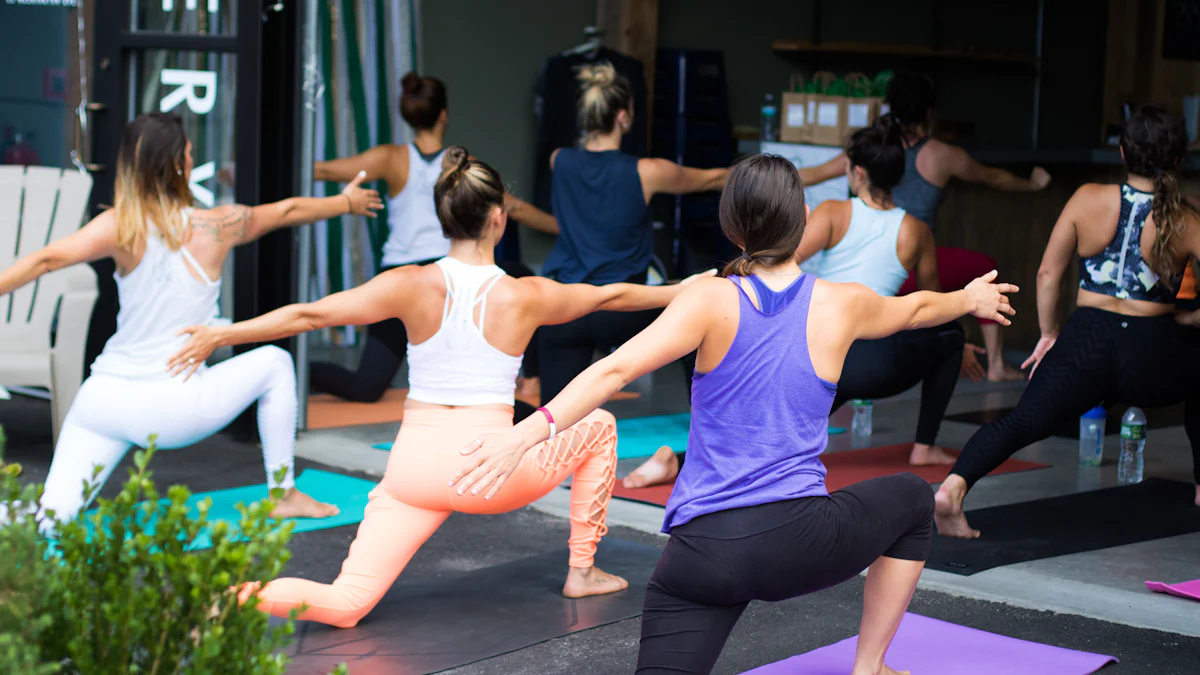
Complete Guide to Choosing Your 200-Hour Yoga Course
 Maria Yogalife
Image Source: unsplash
Choosing the right yoga course is crucial for achieving your personal and professional goals. A 200-hour course provides a solid foundation in asanas, pranayama, and meditation. Becoming a certified instructor not only offers personal growth but also professional opportunities in a rapidly expanding market. The yoga industry, valued at $88 billion, continues to grow rapidly. Upon completing your 200-hour yoga teacher training, you'll join a global community of over 21,668 instructors, ready to share their passion and knowledge.
Why do you want to become a yoga instructor?
Personal motivations
Becoming a yoga instructor can be a transformative decision. Personal motivations play a crucial role in this choice.
Personal development
Yoga not only improves your flexibility and strength, but it also offers a path to self-discovery. By deepening your practice, you uncover new facets of yourself. Siddhi Yoga Instructors emphasize that teaching yoga allows you to learn to lead a class from a teacher's perspective, enriching your personal understanding of yoga. This process fosters personal growth and helps you develop leadership and communication skills.
Career
Yoga is a growing industry. Becoming an instructor opens doors to job opportunities in yoga studios, gyms, and wellness retreats. You can also offer private or online classes, allowing you to diversify your income. The 200-hour certification is the first step toward establishing yourself as a professional in this field.
Benefits of Yoga
Yoga offers numerous benefits that may motivate you to become an instructor.
Physical Well-being
Yoga improves flexibility, strength, and balance. Regular practice helps prevent injuries and maintain a healthy body. TELVA's yoga teacher and wellness coach mentions that yoga can transform your body, making it stronger and more resilient. As an instructor, you can share these benefits with your students, helping them achieve their physical wellness goals.
Mental Wellbeing
Yoga also has a positive impact on mental health. Regular practice reduces stress, improves concentration, and promotes a sense of calm. Teaching yoga allows you to guide others on their path to mental wellbeing, creating a safe space for your students to find peace and balance. By sharing these practices, you contribute to the overall wellbeing of your community.
What style of yoga do you prefer?
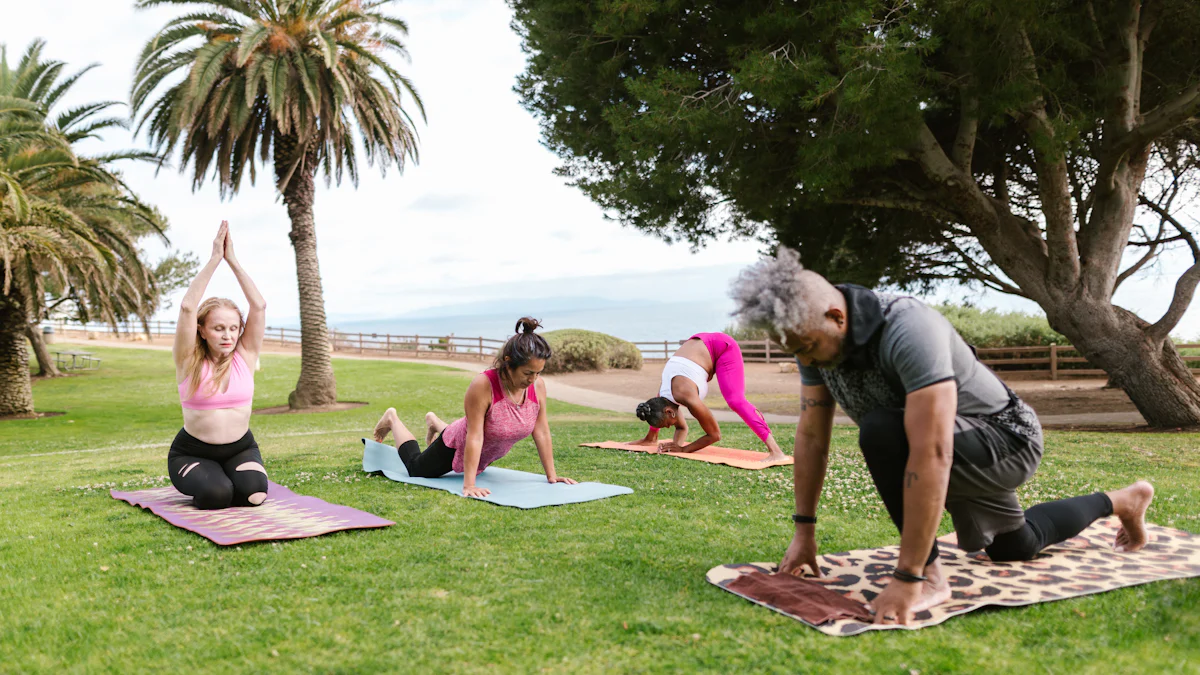
Image Source: pexels
Different Styles of Yoga
Choosing the right style of yoga is essential for your personal and professional development. Each style has unique characteristics that can influence your practice and teaching.
Hatha Yoga
Hatha Yoga is one of the most traditional and accessible styles. It focuses on physical postures (asanas) and breathing techniques (pranayama). This style is ideal for beginners, as it is practiced at a slower pace, allowing you to concentrate on alignment and breath. Health benefits of yoga include improved flexibility, balance, and strength, which are fundamental in Hatha Yoga.
Vinyasa Yoga
Vinyasa Yoga is dynamic and flowing. The postures are linked to the breath, creating a continuous sequence. This style is perfect if you're looking for a more vigorous practice that also improves your cardiovascular endurance. Regular Vinyasa practice can help reduce stress and improve sleep quality, as demonstrated in studies on the benefits of yoga.
Ashtanga Yoga
Ashtanga Yoga is a more rigorous and structured style. It consists of a fixed series of postures practiced in the same order. This style is ideal if you're looking for discipline and a physical challenge. Consistent Ashtanga practice can improve your strength and flexibility, as well as help you maintain a healthy heart and regulate blood pressure.
How to Choose the Right Style
Selecting the yoga style that best suits you depends on several personal factors and practice goals.
Personal Considerations
Reflect on your personal preferences. Do you prefer a calm and meditative practice or a more active and challenging one? Consider your experience level and any physical limitations you may have. Yoga can reduce back pain and alleviate arthritis, so it's important to choose a style that aligns with your health needs.
Practice Goals
Define your practice goals. Are you looking to improve your physical well-being, mental well-being, or both? If your goal is to reduce anxiety and improve concentration, a style like Hatha or Vinyasa may be beneficial. If you want a physical challenge and to improve your strength, Ashtanga might be the best option. Remember that yoga not only improves posture and flexibility, but also promotes relaxation and self-confidence.
Where do you want to do your training?
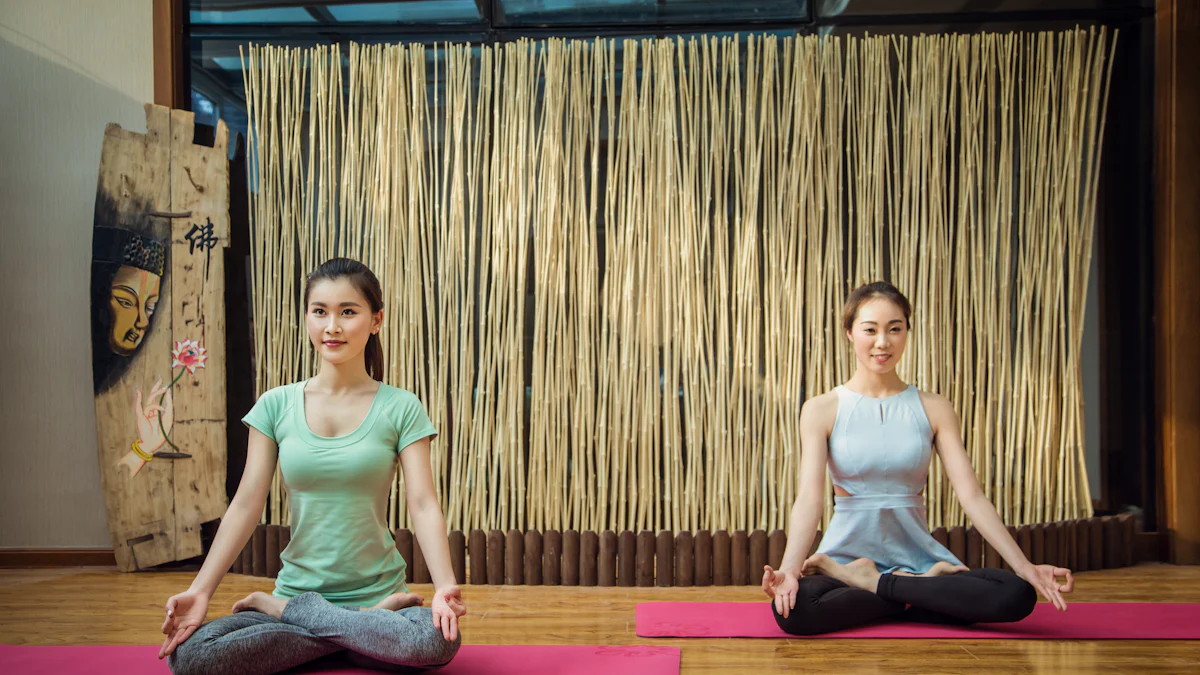
Image Source: unsplash
Local vs. International Training
Choosing the right place for your yoga training is crucial. You can opt for local or international training, each with its own advantages.
Advantages of Local Training
-
Accessibility: Local training allows you to save on travel and accommodation costs. You can attend classes without having to travel long distances.
-
Community: By training locally, you can build a network of contacts in your area. This facilitates finding job opportunities and creating a close-knit yoga community.
-
Flexibility: Local courses often offer more flexible schedules. You can choose between intensive or part-time courses, adapting them to your personal and professional needs.
Advantages of International Training
-
Cultural Immersion: Training abroad gives you the opportunity to immerse yourself in a new culture. This enriches your learning experience and offers you a broader perspective on yoga.
-
Intensive Experience: Many international programs are residential and intensive. You spend a dedicated month exclusively on your training, which can accelerate your learning and deepen your practice.
-
Global Recognition: Completing your training in an internationally recognized destination can increase your credibility as an instructor. This is especially true if you choose a Yoga Alliance accredited course.
Location Considerations
When deciding where to do your training, consider factors such as the climate and culture of the location.
Climate
The climate can influence your training experience. If you prefer warm weather, look for tropical destinations. A cooler climate might be ideal if you enjoy moderate temperatures. Climate affects your physical and mental well-being, so choose a location that aligns with your personal preferences.
Culture
The culture of the location where you train can enrich your experience. Some destinations offer a rich yoga tradition that can complement your learning. Consider how the local culture might influence your practice and teaching. Immersing yourself in a different culture can offer new perspectives and enrich your understanding of yoga.
What is the course duration and cost?
Course Duration
The duration of a 200-hour yoga course can vary depending on the format you choose. It's important to consider how it fits into your current lifestyle and commitments.
Intensive Courses
Intensive courses are typically completed in a short period, usually 3 to 4 weeks. This format allows you to fully immerse yourself in the training, dedicating all your time and energy to learning yoga. It's ideal if you can commit full-time and want to obtain your certification quickly. The immersive experience can accelerate your understanding and practice of yoga.
Part-Time Courses
If you have other responsibilities, such as work or family, a part-time course may be more suitable. These courses span several months, allowing you to attend classes on weekends or at flexible times. This format offers you the opportunity to balance your studies with other obligations, ensuring you can progress at your own pace.
Course Cost
The cost of a 200-hour yoga course can vary significantly. It is essential to evaluate your personal budget and explore available financing options.
Personal Budget
Online courses, such as those offered by Siddhi Yoga, can start from $350 USD, making them more accessible to many students. In comparison, in-person programs can cost between $1,000 and $2,000 USD. When planning your budget, consider not only the cost of the course but also additional expenses such as materials, transportation, and accommodation, if needed.
Financing Options
There are several financing options that can help you cover the cost of your training. Some programs offer flexible payment plans, allowing you to spread the cost over monthly installments. You can also research scholarships or discounts that some yoga schools offer to outstanding students or those with financial need. Evaluating these options will allow you to make an informed decision and ensure that your investment in education is manageable.
Is India an Option for Your Training?
Choosing India as your yoga training destination can be a transformative decision. This country is the birthplace of yoga and offers a unique experience that combines cultural authenticity with a deep immersion in tradition.
Advantages of Training in India
Cultural Authenticity
India is where yoga was born and evolved over thousands of years. Training here allows you to experience yoga in its most authentic form. The country's rich culture and spiritual traditions enrich your learning. Alan x el Mundo, who completed a course in Goa, India, describes his experience as life-changing, highlighting the authenticity and depth of the learning.
Immersion in Tradition
Studying yoga in India immerses you in an ancient tradition. Courses in India typically include teachings on yoga philosophy, meditation, and pranayama, in addition to asanas. Winsome Williams from the United States, who completed his training in India, gained a newfound respect for Classical Hatha Yoga and the confidence to teach. This immersion allows you to connect with the essence of yoga and understand its true purpose.
Practical Considerations
Visa and Travel
Before traveling to India, you need to obtain a visa. The process may vary depending on your country of origin, so it's important to research it in advance. Planning your trip also involves considering flight costs and travel time. India is an accessible destination from many parts of the world, but it's essential to organize these aspects in advance to avoid any setbacks.
Accommodation and Meals
Most teacher training courses in India offer accommodation and meals as part of the package. This allows you to focus on your learning without worrying about daily logistics. Wambraviajera shared her enriching experience in India, highlighting the generosity of the teachers and the quality of the instruction. Accommodation is usually simple but comfortable, and the food is typically vegetarian, in line with the philosophy of yoga. Considering these aspects will help you prepare for a complete and fulfilling training experience.
Final Considerations on the 200-Hour Yoga Teacher Training
When choosing a 200-hour yoga teacher training course, it is crucial to consider the program's accreditation and recognition. Yoga Alliance accreditation ensures that the course meets international quality standards. This not only validates your training but also opens doors to job opportunities worldwide. An accredited course provides solid support and allows you to teach with confidence anywhere.
Accreditation and Recognition
Importance of Yoga Alliance Accreditation
Yoga Alliance accreditation is a mark of quality that guarantees the course follows a structured and comprehensive curriculum. This recognition is essential if you plan to teach yoga professionally. By completing an accredited course, you ensure you receive a well-rounded education that covers fundamental aspects such as asanas, pranayama, and teaching methodology. Furthermore, it allows you to join a global network of certified instructors, which can be invaluable for your professional development.
International Recognition
International recognition is a key factor when choosing your training. A Yoga Alliance accredited course is recognized in many countries, allowing you to teach in different parts of the world. This is especially important if you wish to travel and share your knowledge across diverse cultures. Training in an international environment also offers you the opportunity to learn from instructors and peers from different backgrounds, enriching your experience and understanding of yoga.
Instructor Experience
Instructor Philosophy
The instructor's philosophy plays a crucial role in your training. A good instructor not only teaches postures but also shares their vision and understanding of yoga. This can significantly influence your approach and teaching style. When choosing a course, research the instructor's philosophy and how it aligns with your own values and goals. An instructor who shares their personal and professional experience can offer you a valuable and motivating perspective.
Experience and Background
The instructor's experience and background are fundamental aspects to consider. A well-trained and experienced instructor can effectively guide you on your path to becoming a yoga instructor. Victoria, from the UK, highlighted the quality of the teaching in her course, mentioning that it exceeded her expectations and improved her personal practice. An experienced instructor can offer you not only technical knowledge but also life lessons that will help you grow both personally and professionally.
Testimonials from students like Silje, from Norway, and Florencia, from France, underscore the importance of a nurturing learning environment and the positive influence of dedicated instructors. These testimonials highlight how quality training can transform your practice and give you the confidence to teach.
When choosing a 200-hour yoga course, consider these key points:
-
Define your personal and professional goals.
-
Research different styles of yoga and choose the one that best suits you.
-
Evaluate the location and format of the course, whether it's local or international.
-
Consider the course duration and cost, adjusting them to your budget.
Reflect on your personal preferences and how they align with the available options. Making an informed decision will allow you to progress on your path as a yoga instructor, ensuring your choice fits your goals and aspirations.
See also
Tips for Choosing the Perfect 50-Hour Yoga Course
Essential Tips for Selecting Aerial Yoga Equipment
Explore 300 Hours of Yoga in Bali
Written by
Maria Yogalife
Maria | Yoga & Wellness Writer at YogaLife.World Maria is a passionate yoga and wellness writer at YogaLife.World, dedicated to sharing knowledge, inspiration, and practical guidance for a healthier, more balanced lifestyle. Through her articles, she explores yoga practices, meditation, mindfulness, holistic wellness, and the transformative benefits of mindful living. With an accessible and inspiring approach, Maria helps readers of all levels discover new practices, deepen their understanding of yoga, and bring greater balance, awareness, and well-being into their everyday lives.
Visit website


