
Image Source: pexels
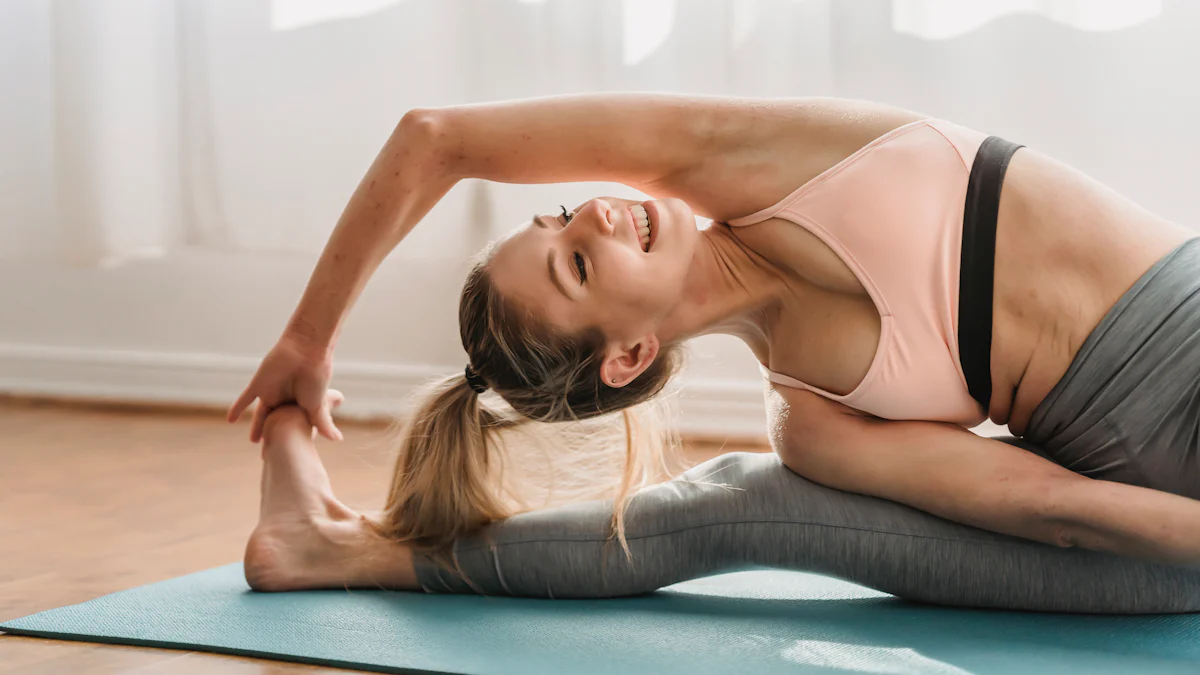
Yoga not only strengthens your body, but also calms your mind. By practicing yoga regularly, you can experience a reduction in cortisol levels, the stress hormone, which promotes a state of yoga relaxation. Furthermore, yoga improves your mood and reduces symptoms of depression. In daily life, relaxation is crucial for maintaining emotional and physical balance. Yoga techniques for relaxation, such as mindful breathing and restorative postures, offer effective tools to reduce stress and improve your quality of life.
Breathing Techniques for Relaxation
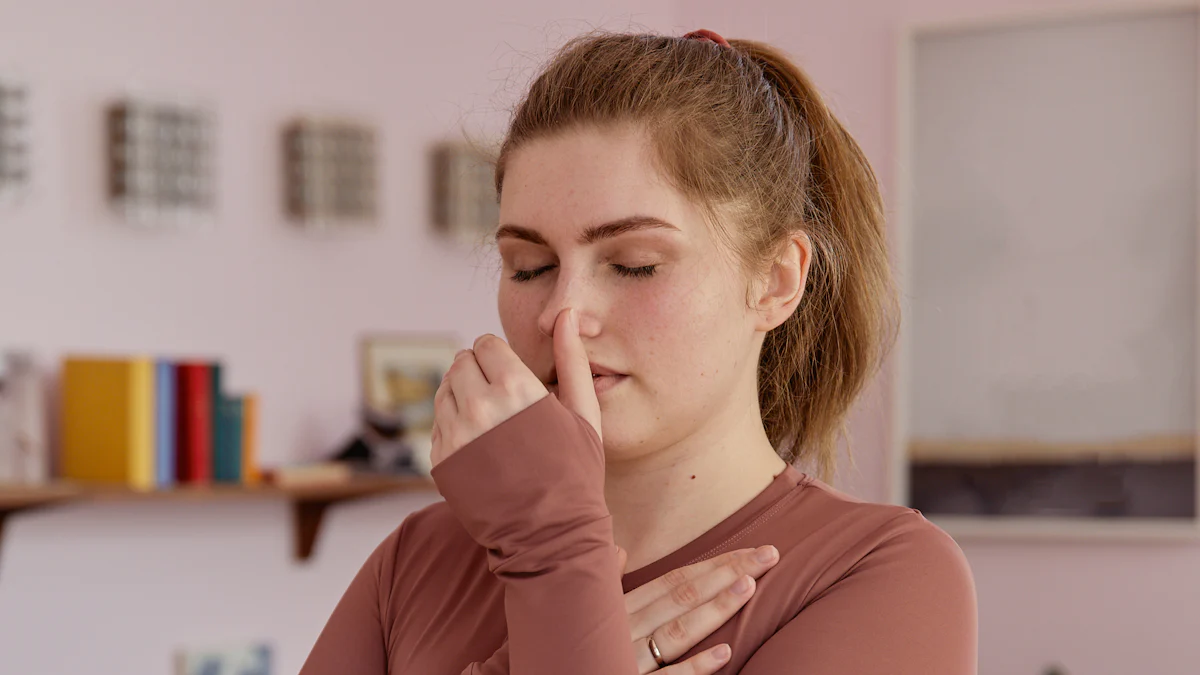
Image Source: pexels
Breathing is a powerful tool in yoga that helps you achieve a state of relaxation. By focusing on your breath, you can calm your mind and reduce stress. Here we will explore two essential breathing techniques that you can incorporate into your daily practice.
Pranayama
Pranayama is a breathing technique that focuses on the conscious control of the breath. This practice not only improves lung capacity but also induces a state of calm and serenity. By practicing Pranayama, you connect with yourself and experience a profound sense of relaxation. Studies have shown that Pranayama reduces stress hormone levels and improves parasympathetic activity, contributing to better mental and physical well-being.
To begin Pranayama, sit in a comfortable position with your back straight. Inhale deeply through your nose, filling your lungs with air. Then, exhale slowly, completely emptying your lungs. Repeat this cycle several times, focusing on each inhalation and exhalation. Over time, you'll notice how this practice helps you achieve a state of tranquility and yoga relaxation.
Conscious Breathing
Conscious breathing is another effective technique for achieving yoga relaxation. By practicing conscious breathing, you become more aware of each breath, which helps you relax both your body and mind. This technique is especially useful for reducing stress and anxiety, and can improve mental clarity.
To practice mindful breathing, find a quiet place where you can sit or lie down comfortably. Close your eyes and focus your attention on your breath. Observe how the air enters and leaves your body without trying to change the natural rhythm of your breathing. Allow yourself to be present in the moment, letting go of any distractions or thoughts. With regular practice, mindful breathing becomes a valuable tool for achieving yoga relaxation in your daily life.
By integrating these breathing techniques into your yoga routine, you can experience a transformation in your overall well-being. The consistent practice of Pranayama and mindful breathing not only helps you reduce stress but also improves your quality of life by promoting a state of yoga relaxation.
Progressive Muscle Relaxation
Progressive Muscle Relaxation is an effective technique that you can use to achieve a state of yoga relaxation. This technique, developed by Edmund Jacobson in 1938, focuses on the conscious tension and relaxation of different muscle groups. By practicing it, you can relieve accumulated tension in your body and promote deep mental relaxation.
Concept of Muscle Relaxation
Progressive muscle relaxation involves a simple yet powerful process. You begin by tensing a specific muscle group for a few seconds and then slowly relax it. This cycle of tension and relaxation helps release physical and mental stress, allowing you to experience a sense of yogic relaxation.
To practice this technique, follow these steps:
-
Find a quiet place: Sit or lie down in a comfortable position.
-
Close your eyes: Bring your attention to your breath, inhaling and exhaling deeply.
-
Start with your feet: Tense the muscles in your feet for five seconds, then relax them. Feel the tension dissipate.
-
Move upwards: Repeat the process with each muscle group, moving up your body: calves, thighs, abdomen, arms, shoulders, and neck.
-
Finish with your face: Tense and relax your facial muscles, allowing the calm to spread throughout your body.
Regular practice of progressive muscle relaxation not only improves your ability to relax but also reduces your reactivity to stress. By integrating this technique into your yoga routine, you can experience a greater sense of well-being and yoga relaxation. Furthermore, studies have shown that yoga, as a complementary therapy, has a positive impact on reducing anxiety, stress, and depression.
Incorporating progressive muscle relaxation into your daily practice will help you achieve a state of emotional and physical balance. By releasing accumulated tension, you can enjoy a calmer and more fulfilling life, where yoga relaxation becomes an integral part of your well-being.
Meditation and Mindfulness
Meditation and mindfulness are fundamental practices in yoga that help you achieve a state of yoga relaxation. These techniques not only calm the mind but also improve your emotional and mental well-being. By integrating meditation into your daily routine, you can experience a significant reduction in stress and anxiety.
Introduction to Meditation in Yoga
Yoga meditation focuses on the connection between body and mind. By practicing it, you immerse yourself in a state of full awareness, allowing you to release tension and worries. Meditation is not only a powerful tool for yoga relaxation but also improves concentration and memory. Studies have shown that yoga reduces levels of cortisol (https://yogasinfronteras.org/el-impacto-del-yoga-en-la-salud-mental-segun-la-ciencia/), the stress hormone, and promotes emotional regulation.
To begin yoga meditation, follow these simple steps:
-
Find a quiet place: Look for a space where you can sit comfortably without distractions.
-
Adopt a comfortable posture: Sit with your back straight and your hands resting on your knees.
-
Close your eyes: Bring your attention to your breath, inhaling and exhaling deeply.
-
Focus your mind: Concentrate on a mantra or the sensation of your breath. Allow thoughts to flow without clinging to them.
With regular practice, meditation becomes a valuable tool for achieving yoga relaxation and improving your quality of life.
Guided Meditation Practices
Guided meditation practices are an excellent way to deepen your yoga relaxation. These sessions guide you through visualizations and breathing exercises, helping you release stress and anxiety. Guided meditation not only offers a moment of peace but also enhances your self-compassion and sense of purpose.
To practice guided meditation, you can follow these steps:
-
Choose a recording or app: Find a guided meditation that resonates with you.
-
Find a comfortable place: Sit or lie down in a quiet space.
-
Follow the instructions: Allow the guide's voice to lead you into a state of yoga relaxation.
-
Stay present: Maintain your awareness of the sensations and emotions that arise during the practice.
Guided meditation is a powerful tool for achieving a state of calm and mental clarity. By integrating these practices into your daily life, you can experience a transformation in your emotional and physical well-being.
Yoga Poses for Relaxation
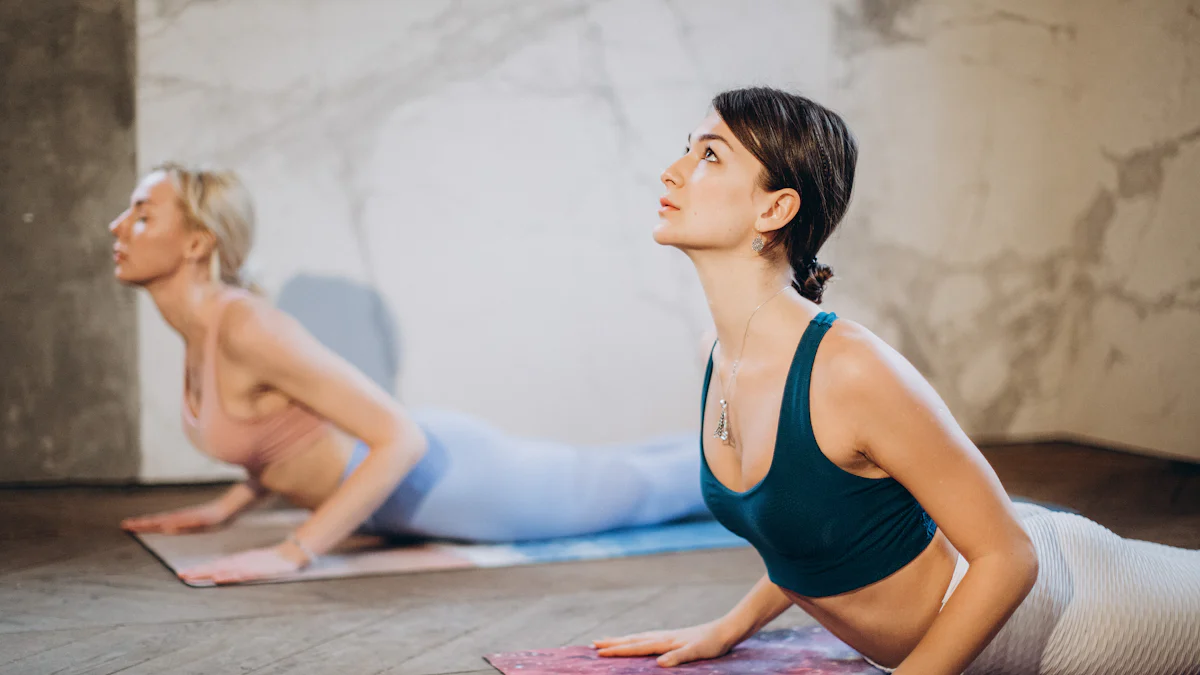
Image Source: pexels
Yoga poses are fundamental for achieving a state of deep relaxation. By practicing these poses, you can release physical and mental tension, promoting overall well-being. Here are some poses you can incorporate into your daily routine to experience the relaxation that yoga offers.
Restorative Poses
Restorative poses are ideal for relaxing the body and mind. These poses focus on rest and recovery, allowing you to release accumulated stress. By practicing restorative poses, you can experience a sense of peace and tranquility.
-
Savasana (Corpse Pose): Lie on your back with your arms and legs slightly apart. Close your eyes and focus on your breath. Allow every part of your body to completely relax. This pose is excellent for ending your yoga practice, as it promotes total relaxation.
-
Balasana (Child's Pose): Sit on your heels and extend your arms forward, resting your forehead on the floor. This pose relieves tension in the back and shoulders, providing a sense of security and calm.
-
Supta Baddha Konasana (Reclining Cobbler's Pose): Lie on your back with the soles of your feet together, letting your knees fall to the sides. Place a pillow or block under your knees for comfort. This pose opens the hips and chest, facilitating the release of repressed emotions.
Gentle Yoga Sequences
Gentle yoga sequences are perfect for days when you need a more peaceful practice. These sequences combine slow, flowing movements with mindful breathing, helping you find balance between body and mind.
-
Modified Sun Salutation: Perform a gentle version of the sun salutation, focusing on slow, controlled movements. Inhale as you raise your arms and exhale as you bend forward. This sequence improves flexibility and circulation, promoting a sense of vitality.
-
Cat-Cow Pose: Get on all fours. As you inhale, arch your back downward (Cow Pose), and as you exhale, round your back upward (Cat Pose). This gentle movement relieves tension in the spine and improves mobility.
-
Gentle Twist: Lie on your back and bring your knees toward your chest. Let your knees fall to one side while turning your head to the opposite side. This gentle twist releases tension in the lower back and improves digestion.
Incorporating these poses and sequences into your daily practice will help you achieve a state of deep relaxation. By dedicating time to these practices, you can experience an improvement in your physical and emotional well-being, allowing relaxation to become an essential part of your life.
Yoga techniques offer a powerful tool for reducing stress and improving your well-being. By practicing regularly, you can experience a decrease in cortisol levels, the stress hormone. This not only calms your mind but also improves your emotional and physical health.
Study published in the International Journal of Preventive Medicine: Yoga can reduce anxiety, stress, and depression.
Incorporating these practices into your daily life will help you achieve a state of balance and serenity. We invite you to explore these techniques and discover how they can transform your quality of life.
See also
How to Choose the Perfect Yoga Workout
Handbook of Upright Yoga Poses
Keys to Effectively Improve Your Yoga Practice

Written by
Maria Yogalife
Maria | Yoga & Wellness Writer at YogaLife.World Maria is a passionate yoga and wellness writer at YogaLife.World, dedicated to sharing knowledge, inspiration, and practical guidance for a healthier, more balanced lifestyle. Through her articles, she explores yoga practices, meditation, mindfulness, holistic wellness, and the transformative benefits of mindful living. With an accessible and inspiring approach, Maria helps readers of all levels discover new practices, deepen their understanding of yoga, and bring greater balance, awareness, and well-being into their everyday lives.
Visit website


