
Image Source: pexels
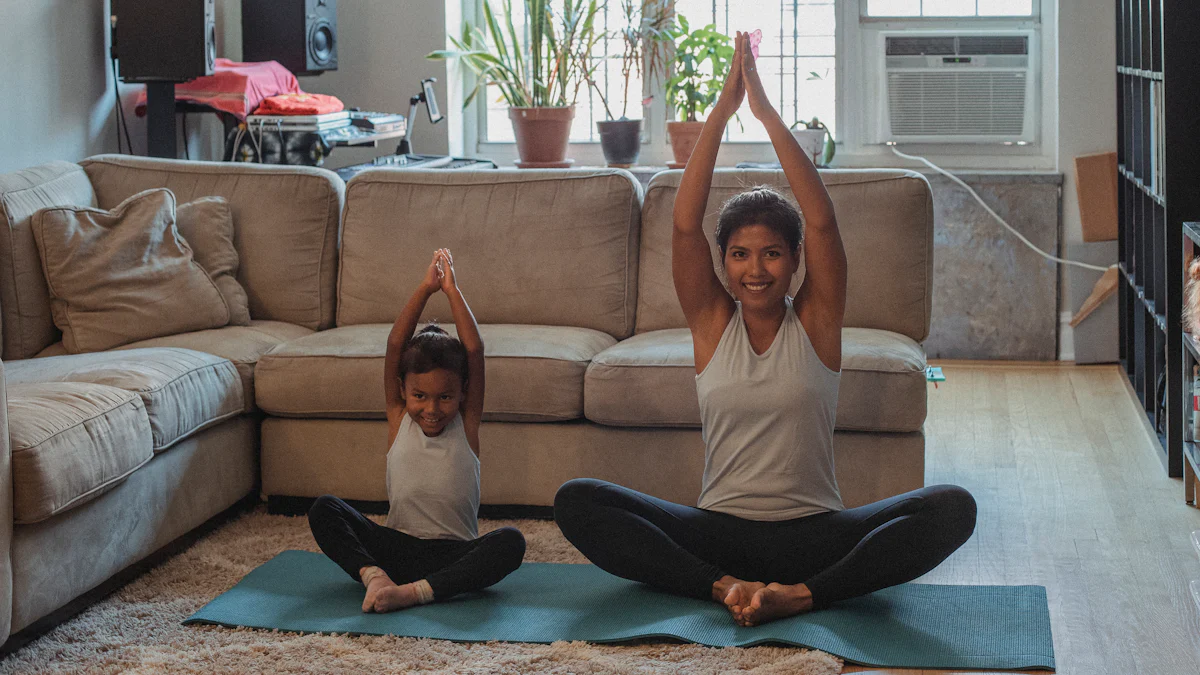
Practicing yoga with kids at home is a great way to spend time together and develop their skills. Yoga with children supports psychomotor and emotional development, improving concentration and cognitive skills. Children learn to understand the needs of their bodies, which reduces the risk of injury. In the comfort of your home, you can create a friendly atmosphere that encourages children to exercise regularly. This makes yoga with children not only a form of physical activity but also a way to build relationships and strengthen family bonds. Preparing to Practice Yoga with Children
Preparing to practice yoga with children at home is a crucial step that will ensure comfort and safety during your practice. Here are some tips to help you create the perfect environment for your practice together.
Choosing the Right Location
A Quiet and Spacious Space
Choose a location that is quiet and spacious. Avoid rooms with lots of distractions. A quiet environment will help children focus and relax. The space should be large enough for children to comfortably perform various yoga poses without the risk of bumping into furniture.
Using a Yoga Mat
A yoga mat is an essential element of any yoga session. Choose a mat that is anti-slip and provides adequate insulation from cold floors. This will allow children to exercise comfortably, and you won't have to worry about their safety. Mats are available in various lengths and colors, allowing you to customize them to your child's individual needs and preferences.
Choosing an Outfit
Comfortable and Stretchy Clothing
Ensure children wear comfortable and stretchy clothing. This clothing will not restrict movement and will allow them to perform asanas freely. Avoid clothing with buttons or zippers, which may cause discomfort during exercise.
Avoiding Footwear
When practicing yoga with children, it's best to avoid wearing footwear. Practicing barefoot allows for a better feel of the ground and stability in standing poses. Additionally, not wearing shoes reduces the risk of slipping on the mat.
Preparing the appropriate space and attire is essential for a successful yoga session with children. This will make yoga with children a pleasure, not a chore.
Basic Yoga Poses for Children
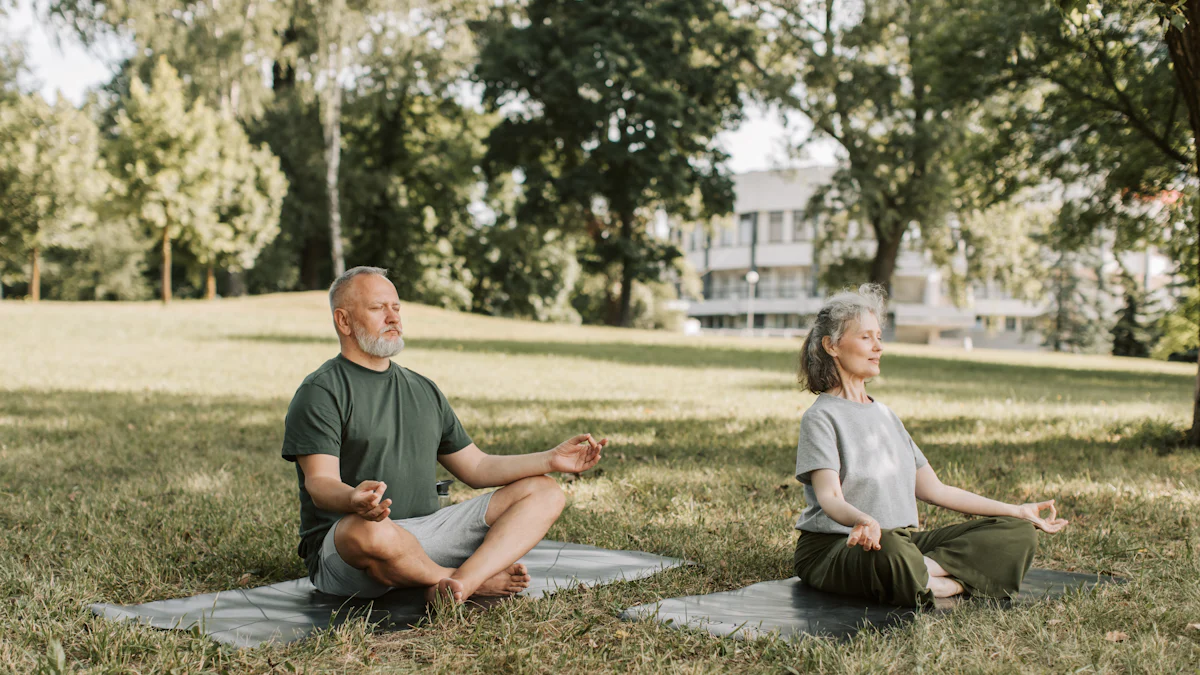
Image Source: pexels
Introducing children to yoga can be a fascinating adventure. With simple poses, children can develop their balance, concentration, and flexibility. Here are a few basic poses you can introduce into your yoga practice with children.
Standing Poses
Tree Pose
Tree Pose is an excellent way to develop balance and concentration. Ask your child to stand on one leg and place their other foot on the inner thigh or calf of the other leg. The arms can be raised above their head, joining their hands like tree branches. This pose not only strengthens the legs but also teaches children focus and patience.
Warrior Pose
Warrior Pose is a dynamic pose that strengthens the legs and improves posture. Children should stand with one leg extended forward and the other straight behind them. Arms should be raised at shoulder height, parallel to the floor. This pose builds confidence and teaches children how to maintain stability during movement.
Sitting Poses
Butterfly Pose
Butterfly Pose is ideal for stretching the hips and improving flexibility. Children should sit with their knees bent and their feet together. Encourage them to gently move their knees up and down, like butterfly wings. This exercise is not only relaxing but also supports psychomotor development.
Child's Pose
Child's Pose is a relaxation pose that helps calm and unwind. Children should kneel and then lean forward, placing their forehead on the mat and extending their arms in front of them. This pose is perfect for concluding a yoga session, allowing children a moment of peace and reflection.
Scientific Research Findings: Regular yoga practice, including simple poses like these, supports children's motor and emotional development. Research shows that children who practice yoga demonstrate improved concentration and self-regulation, which translates into their daily functioning.
Encourage children to explore these poses in a fun and creative way. Yoga with children is not just physical exercise, but also a way to discover new possibilities together and build bonds.
How to encourage children to practice yoga
Encouraging children to practice yoga can be a real adventure. The key is to introduce an element of play and create a friendly atmosphere that will make children want to participate.
Introducing the element of play
Yoga games and activities
Children love to play, so it's worth incorporating game elements into your yoga practice. For example, you could organize a contest for the longest tree pose or create a game where children imitate different animals through asanas. Imagine children transforming into little lions, cats, or dogs during your practice! This form of activity not only engages them but also develops creativity and imagination.
Storytelling During Practice
Storytelling is another way to enhance your yoga sessions. You can create stories in which children are the protagonists, and each yoga pose represents a new stage in their adventure. For example, during Warrior Pose, children can imagine themselves as brave knights in a magical land. This narrative makes yoga not just an exercise but also a fascinating journey.
Regularity and Routine
Setting Regular Practice Times
Regularity is key to success in any activity, including yoga with children. Set regular practice times that fit your family's daily schedule. This could be in the morning before school or in the evening before bed. This will help children know what to expect and make it easier to incorporate yoga into their daily routine.
Planning Sessions Together
Involve children in planning your yoga sessions. Let them choose their favorite poses or suggest new ideas. Children who feel part of the process are more motivated to participate. Planning together is also a great opportunity to talk about the benefits of yoga and a healthy lifestyle.
Tip: Practicing yoga with your child not only allows you to spend time together (https://edziadkowie.pl/joga-z-dzieckiem-korzysci-i-zestawy-cwiczen/), but also shows your child that there are things worth doing for their health and well-being.
When encouraging your children to practice yoga, remember that the most important thing is to treat it as fun (https://eu.manduka.com/pl/blogs/mandukamag/nurturing-your-family-with-yoga) and a way to spend time together, not as a compulsion. This will make yoga with your children enjoyable for the whole family.
Safety Tips for Yoga with Children
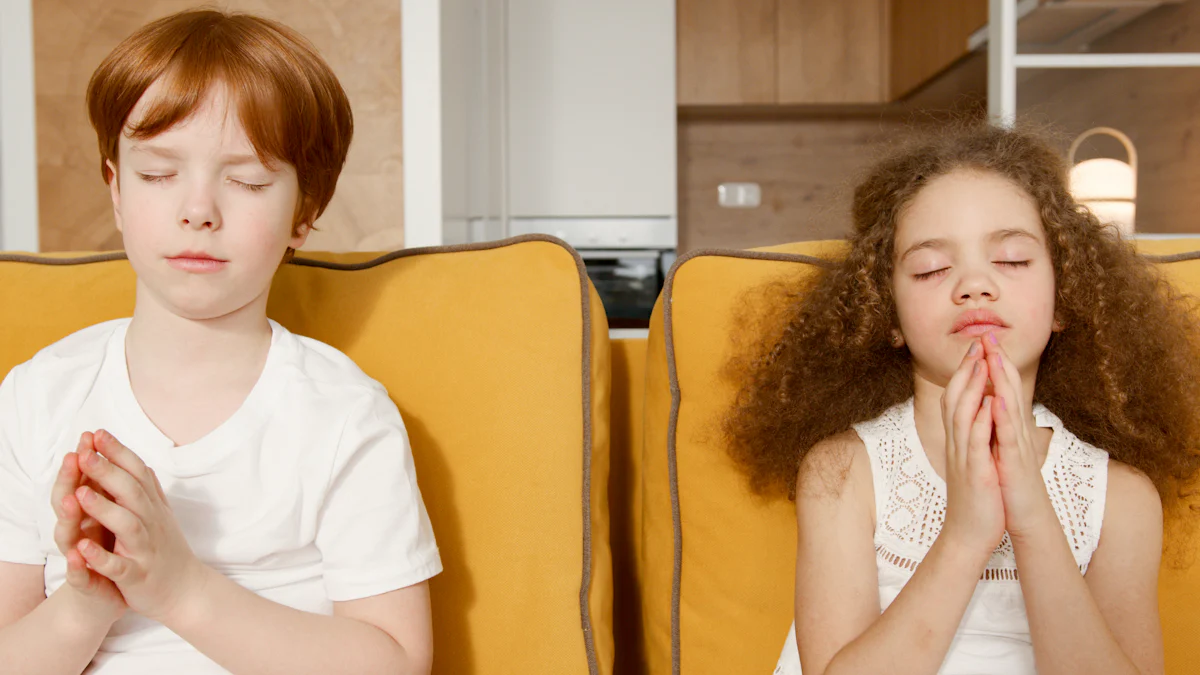
Image Source: pexels
When practicing yoga with children, safety should be a priority. Here are some tips to help ensure a safe and enjoyable experience for your child.
Avoiding Injuries
Warming Up Before Exercise
Always begin your yoga session with a short warm-up. A warm-up prepares the body for exercise, increases muscle flexibility, and reduces the risk of injury. You can introduce simple exercises like arm circles, bends, or gentle jumping jacks. This will prepare children for more challenging yoga poses.
Listening to Your Child's Body
Encourage children to listen to their bodies. If they feel discomfort or pain, they should stop practicing. It's important for children to learn to recognize their body's signals. This not only reduces the risk of injury but also teaches them how to take care of their health and well-being.
Yoga for children is not only a great way to develop physically but also to provide emotional and cognitive support. That's why it's so important for children to feel comfortable and safe during practice.
Appropriate Pace
Age-appropriate Exercises
Adapting exercises to the child's age and abilities. Younger children may need simpler poses that don't require much strength or flexibility. Older children can try more advanced asanas. It's important that each child feels confident and comfortable during practice.
Gradual increase in difficulty
Start with simple poses and gradually introduce more complex asanas. Children should have time to master the basics before moving on to more challenging exercises. Gradually increasing the difficulty allows children to develop at their own pace and build confidence.
Yoga for children not only benefits physical development but also helps manage emotions. Therefore, it's important that the practice is tailored to the individual needs and abilities of each child.
Remember that yoga with children is not only physical exercise but also a way to spend time together and build relationships. By ensuring safety, you create a friendly and supportive environment in which children can develop and enjoy the practice of yoga.
The Importance of a Positive Approach in Yoga with Children
A positive approach in yoga with children plays a key role in their engagement and development. It makes children more willing to participate in classes, and yoga becomes a pleasure rather than a chore.
Motivating Children
Praising Progress
Praising children for their progress is an excellent way to build their self-confidence. When you notice a child performing a pose correctly or trying harder than usual, praise them. This approach strengthens their motivation and encourages them to continue their practice. Children who feel appreciated are more likely to continue practicing.
Encouraging Independence
Encourage children to be independent during their practice. Let them choose the poses they want to practice and give them room to experiment. This helps them learn to make decisions and develop their creativity. Independent yoga helps children better understand their bodies and minds.
Building Relationships
Spending Time Together
Yoga with children is not just exercise, but also an opportunity to spend time together. Shared yoga sessions strengthen family bonds and allow you to better understand your child's needs. By practicing together, you can get to know your child better and build a stronger relationship with them.
Strengthening Family Bonds
Regular yoga practice with children strengthens family bonds. When the whole family participates in classes, it creates a shared space for relaxation and fun. It's a great way to build trust and mutual support. Yoga with children becomes not only a form of physical activity but also a way to build lasting relationships.
Yoga exercises focus on breathing and body awareness, which helps children relax, focus on the present moment, and learn to control their emotions. Thanks to this, yoga becomes a tool for emotional and cognitive support.
In summary, yoga with children at home is not only great fun but also a way to support their comprehensive development. Regular practice strengthens muscles, improves coordination, movement, and concentration. Children learn to manage emotions, which is crucial for their mental health. I encourage you to incorporate yoga into your daily routine. This will not only improve your child's physical fitness but also build stronger family bonds. Remember that yoga is an investment in your child's health and development. See also
How to Introduce Cat Yoga into Your Home
How to Initiate Boho Yoga in the Comfort of Your Home
How to Start Yoga Classes for Children on YouTube

Written by
Maria Yogalife
Maria | Yoga & Wellness Writer at YogaLife.World Maria is a passionate yoga and wellness writer at YogaLife.World, dedicated to sharing knowledge, inspiration, and practical guidance for a healthier, more balanced lifestyle. Through her articles, she explores yoga practices, meditation, mindfulness, holistic wellness, and the transformative benefits of mindful living. With an accessible and inspiring approach, Maria helps readers of all levels discover new practices, deepen their understanding of yoga, and bring greater balance, awareness, and well-being into their everyday lives.
Visit website


