
Image Source: pexels
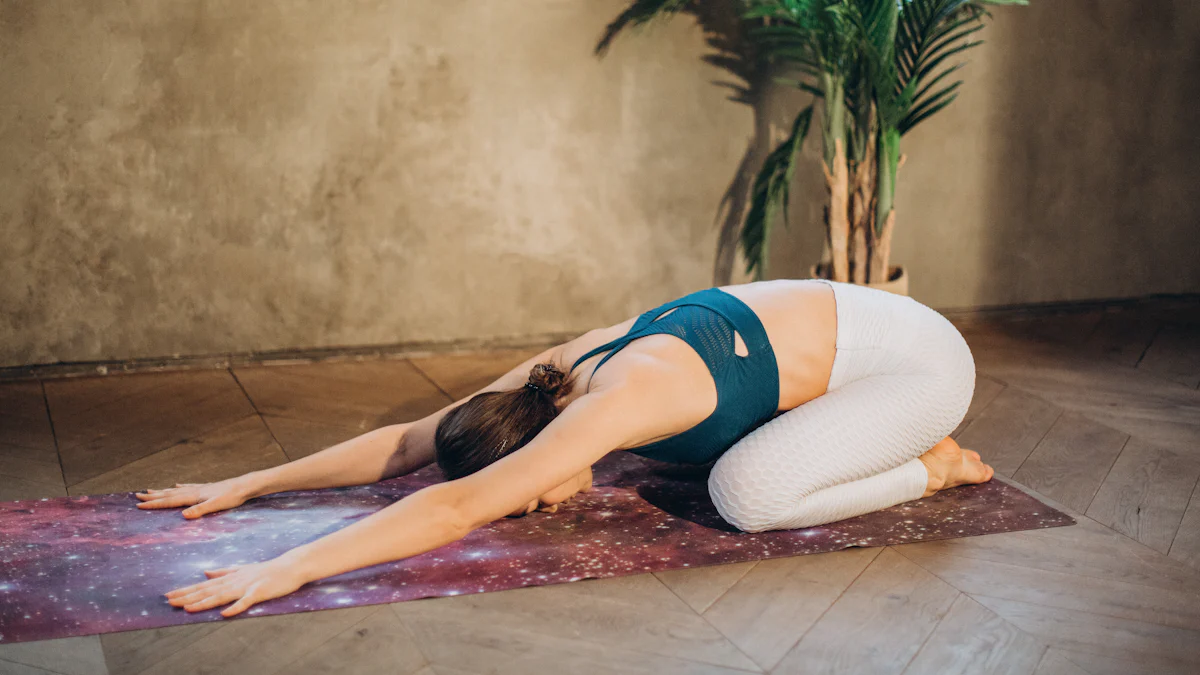
Yoga is an ancient practice that connects your mind, body, and breath. Why should you start practicing yoga? It offers countless benefits, especially for beginners. Yoga can improve your balance, brighten your mood, and even reduce symptoms of stress. Many people think that you need to be flexible to start, but that is a misconception. Anyone can practice yoga, regardless of their current flexibility. Begin your journey with yoga for beginners and discover how it can transform your well-being.
The Basic Principles of Yoga
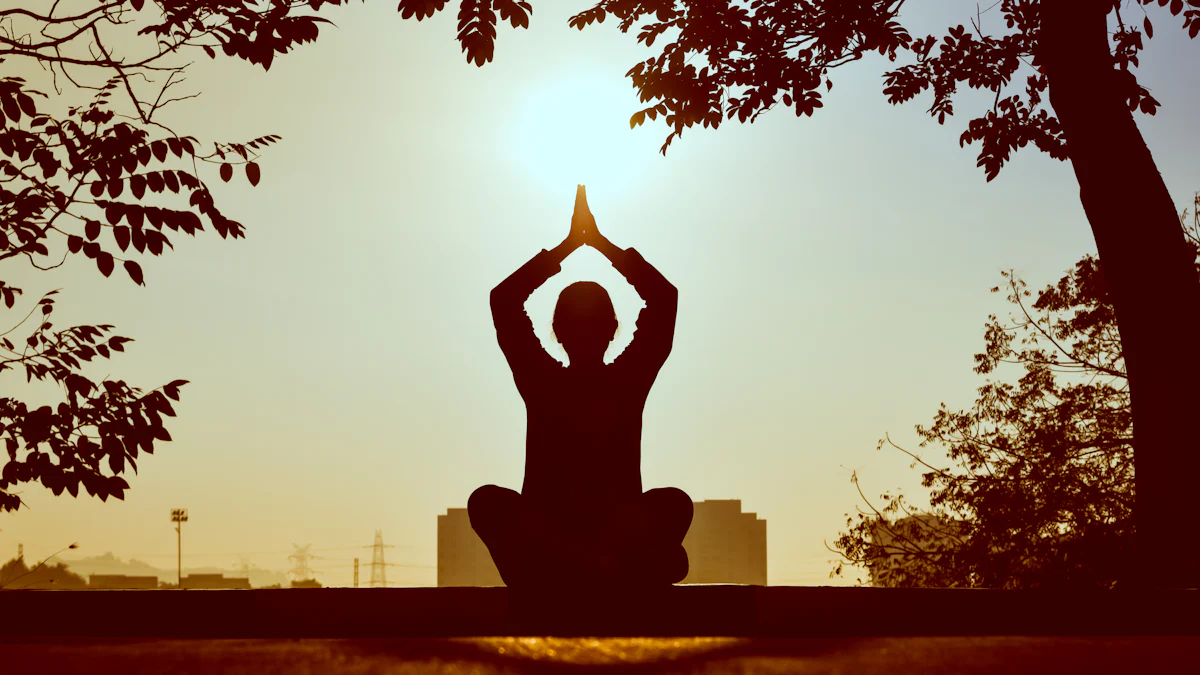
Image Source: pexels
Yoga for beginners can seem overwhelming at first, but with the right basic principles, it becomes an enriching experience. Let's take a look at what you need to get started and how you can take your first steps.
What do you need to get started?
Essential equipment
A good yoga mat is essential. It offers not only comfort but also stability during your exercises. Your own mat ensures hygiene and creates a familiar space for your practice. Invest in a mat that doesn't slip and is nice and thick. This helps prevent injuries and makes your yoga session more pleasant. Additionally, yoga blocks can help you gain more stability and maintain proper alignment. They are especially useful for poses where flexibility is needed to reach the floor.
Clothing and accessories
Wear comfortable clothing that allows you to move freely. Choose breathable fabrics that absorb sweat. A yoga towel can also be useful, especially if you start to sweat. It prevents you from slipping and keeps your mat dry. Don't forget to bring a water bottle to stay hydrated.
Basic yoga poses
Yoga for beginners often starts with simple poses that help you get to know your body.
Mountain Pose (Tadasana)
Mountain Pose is one of the most fundamental poses. Stand upright with your feet together and your arms alongside your body. Focus on your breathing and feel the connection with the ground. This pose improves your posture and strengthens your legs.
Downward Dog (Adho Mukha Svanasana)
Downward Dog is an iconic pose in yoga. Place your hands and feet on the ground and lift your hips up. This pose stretches your back and hamstrings and strengthens your arms and shoulders. It is a great way to revitalize your body.
Breathing Techniques
Breathing is a crucial part of yoga for beginners. It helps you to focus and relax.
Deep Abdominal Breathing
With deep abdominal breathing, you breathe in through your nose and fill your belly with air. Breathe out slowly through your mouth. This technique calms your mind and reduces stress. #### Ujjayi Breathing
Ujjayi breathing, also known as ocean breathing, creates a soft sound in your throat. Breathe in and out through your nose while slightly contracting your throat. This technique helps you maintain focus and regulate your energy during your practice.
With these basic principles, you are ready to begin your yoga journey. Yoga for beginners offers a world of possibilities to improve your well-being. Remember to be patient and enjoy every step on your path. ## Building a Yoga Routine
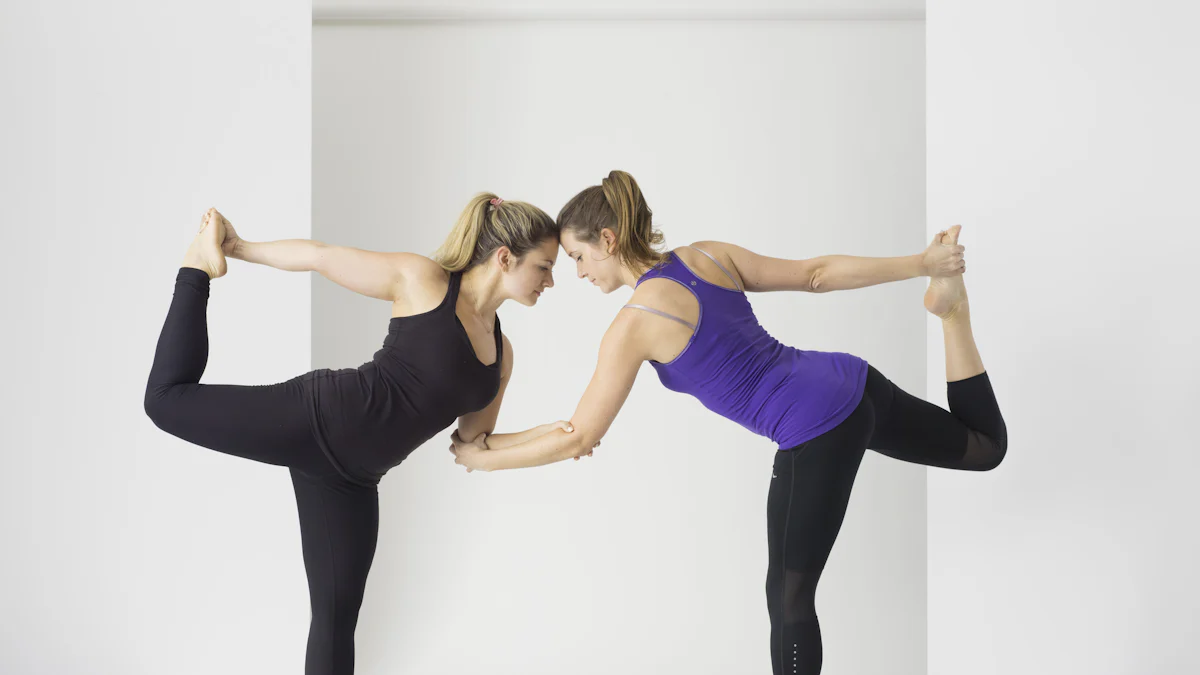
Image Source: unsplash
Building a yoga routine can help you fully utilize the benefits of yoga for beginners. By practicing regularly, you improve your balance, flexibility and mental well-being. Let's take a look at how you can build an effective routine.
How often should you practice?
Regularity is the key to success in yoga for beginners. By practicing consistently, you will notice that your body and mind adapt and improve.
Daily routine
Try to set aside a few minutes every day for yoga. Even a short session of 10 to 15 minutes can make a big difference. Start your day with a few simple poses and breathing exercises. This helps you start your day with a fresh and energetic start. Daily yoga for beginners can help you reduce stress and improve your mood.
Weekly schedule
In addition to your daily routine, it is useful to create a weekly schedule. Plan longer sessions, for example three times a week, in which you delve deeper into various poses and techniques. This gives you the opportunity to deepen your skills and further strengthen your body. By following a fixed schedule, you make yoga an integral part of your life. ### The Importance of Warming Up and Cooling Down
Just like with any physical activity, it is important to properly prepare and cool down your body. This prevents injuries and ensures you get the most out of your sessions.
Warm-up Exercises
Start your yoga for beginners session with simple warm-up exercises. This can consist of light stretches and breathing exercises. Warming up increases blood circulation and prepares your muscles for the poses that follow. It also helps to focus your mind and get you ready for the practice.
Cool-Down Techniques
After your session, it is important to cool down. This can be done through gentle poses and deep breathing. Cool-down techniques help your body relax and maximize the benefits of your session. It also lowers levels of the stress hormone cortisol, which promotes greater calm and relaxation. By building a routine and paying attention to warming up and cooling down, you get the most out of your Yoga for Beginners practice. Remember that consistency and patience are the key to success. Enjoy your journey and discover the positive changes yoga can bring to your life.
Common Challenges and How to Overcome Them
Yoga for beginners can sometimes be challenging, both physically and mentally. But with the right approach, you can overcome these obstacles and improve your practice. Let's take a look at some common challenges and how you can tackle them.
Physical Challenges
Improving Flexibility
Many beginners think they need to be flexible to practice yoga. That is a misconception. Yoga for beginners actually helps to improve your flexibility. Start with simple postures and gradually work your way up to more complex poses. Listen to your body and do not force anything. Regular practice will increase your flexibility. Remember that every little bit of progress counts. #### Building Strength
Yoga is not only good for flexibility, but also for strength. Many poses require muscle strength, especially in your core, arms, and legs. Start with poses such as the plank and the warrior pose. These strengthen your muscles and improve your endurance. By practicing regularly, you will notice your strength increasing. Be patient and consistent in your practice.
Mental Challenges
Focus and Concentration
It can be difficult to calm your mind during beginner yoga. Breathing plays a crucial role in improving your focus. Pranayama, a part of yoga, helps you control your breathing. During your practice, try to synchronize your breathing with your movements. This helps you calm your mind and improve your concentration. "Breathe in, breathe out. Yoga is not just about muscle exercises, but also about learning to breathe in a controlled manner, reducing your stress levels, and finding your inner peace."
Stress and relaxation
Yoga for beginners can be a great way to reduce stress. By focusing on your breathing and movements, you can calm your mind. Try meditating for a few minutes after your session. This helps you organize your thoughts and lower your stress levels. Remember that relaxation is an important part of yoga.
By tackling these challenges, you can take your yoga for beginners practice to the next level. Keep practicing, be patient, and enjoy the journey. Yoga offers a world of possibilities to improve your physical and mental well-being.
You have now discovered the basic principles of yoga and how to build a routine. Yoga offers countless benefits, from improved flexibility to mental peace. Start today and experience the positive changes for yourself.
Anonymous: "Yoga is my way to keep my body and my mind healthy."
To stick with your practice, set a fixed schedule and be patient with yourself. Try out different styles and teachers to discover what suits you best. Stay curious and enjoy your yoga journey! ## See also
Learn to Recognize Yoga Poses Easily
View Top Yoga Packages For Beginners

Written by
Maria Yogalife
Maria | Yoga & Wellness Writer at YogaLife.World Maria is a passionate yoga and wellness writer at YogaLife.World, dedicated to sharing knowledge, inspiration, and practical guidance for a healthier, more balanced lifestyle. Through her articles, she explores yoga practices, meditation, mindfulness, holistic wellness, and the transformative benefits of mindful living. With an accessible and inspiring approach, Maria helps readers of all levels discover new practices, deepen their understanding of yoga, and bring greater balance, awareness, and well-being into their everyday lives.
Visit website


