
Image Source: pexels
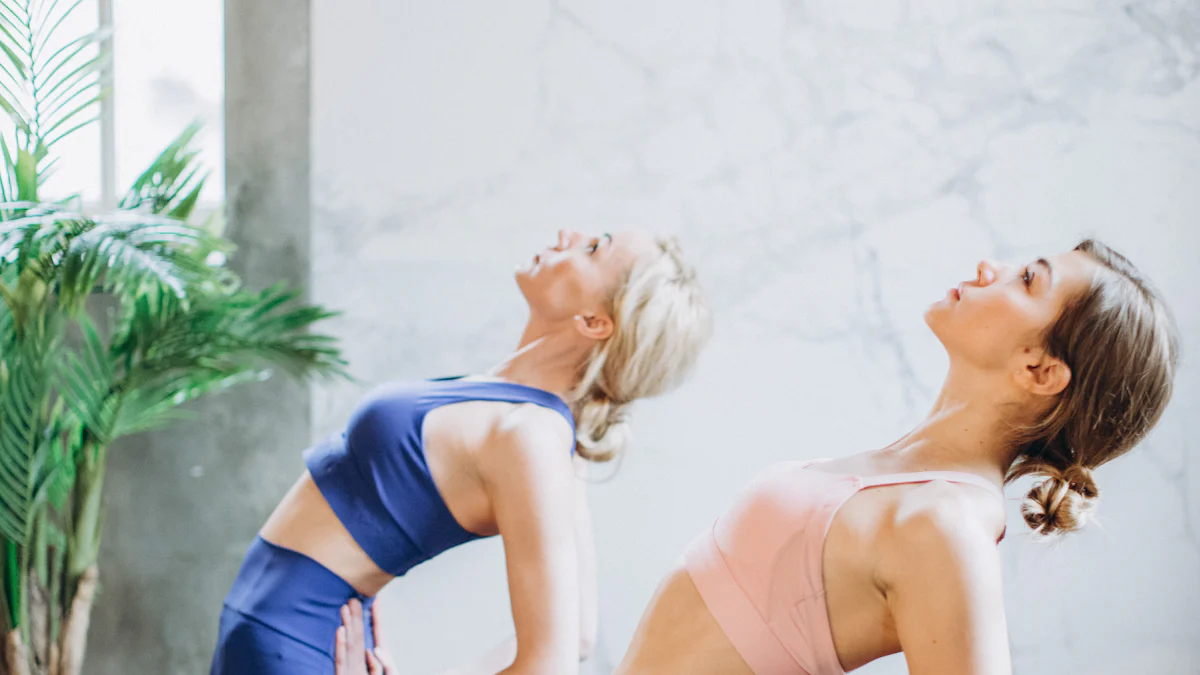
Yoga plays a crucial role in your daily life. It not only helps you become physically stronger, but also helps you stay mentally balanced. By practicing yoga regularly, you can reduce stress and improve your sleep. Did you know that after just one hour of yoga, your GABA level can increase by 27%? This promotes relaxation and reduces anxiety. Learning yoga poses offers countless benefits. You improve your flexibility and muscle strength, and you learn to listen to your body. Start with simple yoga stretches such as Child's Pose and Warrior Pose to begin your journey.
Basic Principles of Yoga
What is Yoga?
Yoga is more than just physical exercises. It is an ancient practice that originates in India and has spread throughout the world. Yoga is an all-encompassing science of life that includes body, mind, and soul. It offers profound knowledge of human nature and helps you find balance between body and mind.
History of Yoga
Yoga is one of the oldest systems of personal development. It began thousands of years ago in India. Over the centuries, yoga evolved and spread worldwide. Important figures, such as Swami Vivekananda and Patanjali, contributed to the popularity and development of modern yoga. In the 20th century, yoga masters traveled to the West and shared their knowledge. This led to the popularity of Hatha Yoga and the establishment of yoga schools all over the world.
Different Styles of Yoga
There are many different styles of yoga. Each style has its own focus and benefits. Hatha Yoga is one of the most popular styles, especially for beginners. It emphasizes breathing and well-known postures. Other styles, such as Yin Yoga, help you develop more stamina. It is important to choose a style that suits you and helps you achieve your goals.
Why Practice Yoga?
Practicing yoga offers countless benefits. It helps you not only physically, but also mentally. By practicing yoga regularly, you can improve your health and find balance in your life.
Physical benefits
Yoga strengthens your muscles and improves your flexibility. It also helps you improve your posture. Regular practice can alleviate physical ailments such as neck and back pain. Yoga exercises, such as the plank pose, help you measure the correct distance between your hands and feet, which is essential for proper execution.
Mental benefits
Yoga also offers mental benefits. It helps you reduce stress and anxiety. By practicing yoga, you can improve your concentration and achieve a sense of inner peace. Regularly practicing yoga can help you sleep better and improve your overall well-being. Yoga is considered beneficial for health and is often practiced without religious intentions, with a focus on balance between body and mind. ## Preparing for Yoga
Required Materials
To successfully start your yoga session, you need a few essential materials. These ensure comfort and safety during your exercises.
Yoga Mat
A yoga mat is indispensable. It not only offers comfort but also prevents you from slipping during your exercises. A good mat forms the core of your equipment. Having your own mat ensures hygiene and creates a familiar space for your practice. This motivates you to practice regularly and to roll out your mat more often at home as well.
Comfortable Clothing
Wear comfortable clothing that does not restrict your freedom of movement. Choose breathable fabrics that absorb sweat. This helps you to fully concentrate on your postures without being distracted by discomfort.
Creating a suitable environment
A suitable environment is crucial for an effective yoga session. It helps you to concentrate and become fully absorbed in your practice.
Quiet space
Ensure you have a quiet space where you won't be disturbed. This could be a separate room or a corner in your home. The most important thing is that you can shut out distractions and focus fully on your yoga.
Right temperature
The right temperature is important for your comfort. Ensure the room is not too cold or too warm. A pleasant temperature helps keep your muscles supple and prevent injuries. This allows you to perform your poses better and hold them longer. ## Basic Yoga Poses and Yoga Stretches Names
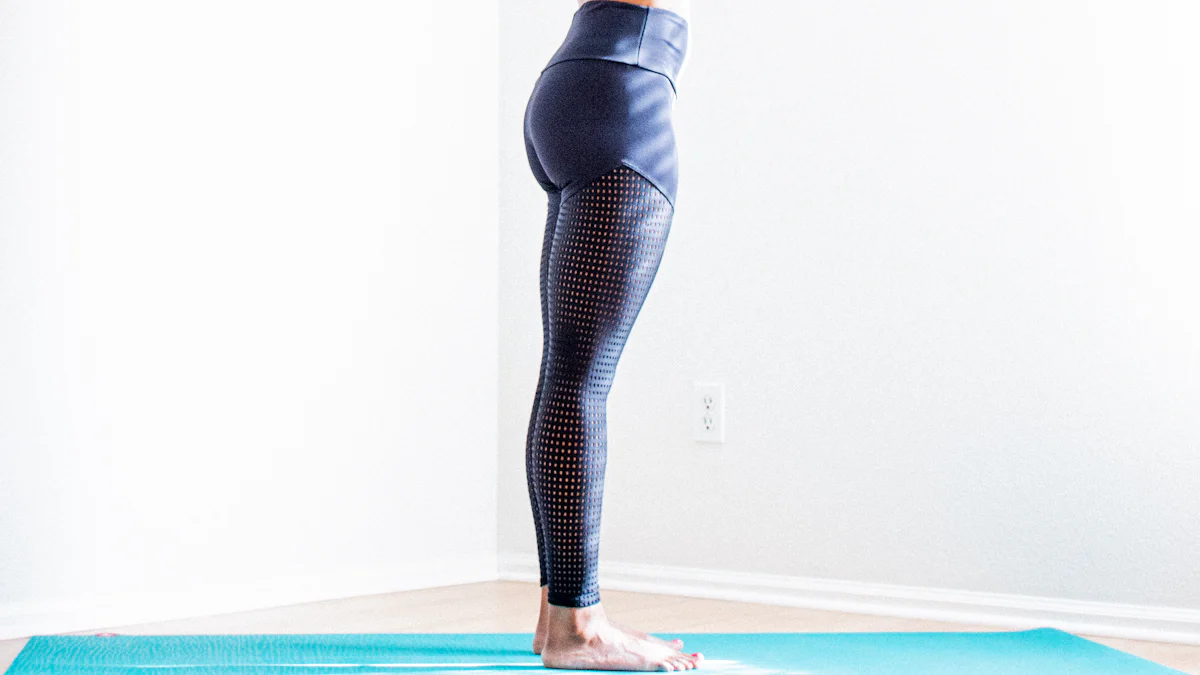
Image Source: unsplash
Yoga poses are the building blocks of your yoga practice. They help you strengthen your body and calm your mind. Let's explore some basic yoga poses and yoga stretches that you can easily learn and integrate into your daily routine.
Standing Poses
Standing poses form the basis of many yoga exercises. They improve your balance and strengthen your legs and core. #### Mountain Pose (Tadasana)
Mountain Pose, or Tadasana, is one of the most fundamental yoga poses. You stand upright with your feet together and your arms alongside your body. This pose helps you to improve your posture and become aware of your breathing. It seems simple, but it requires concentration and balance. By practicing Tadasana regularly, you can improve your postural control, as demonstrated in research into the benefits of yoga.
Tree Pose (Vrksasana)
Tree Pose, or Vrksasana, is a balance pose that helps you improve your focus and concentration. You start in Tadasana, lift one foot, and place it against the inside of your other leg. You bring your hands together in front of your chest or stretch them above your head. This pose strengthens your legs and improves your balance. Regular practice can help you improve your balance, especially for the elderly and athletes.
Seated Poses
Seatted poses are ideal for relaxation and meditation. They help you to calm your mind and stretch your body.
Cross-legged Pose (Sukhasana)
The Cross-legged Pose, or Sukhasana, is a simple seated pose often used for meditation. You sit with crossed legs and your hands rest on your knees. This pose promotes a straight back and helps you to deepen your breathing. It is a great way to start or end your practice with a moment of mindfulness.
Child's Pose (Balasana)
The Child's Pose, or Balasana, is a soothing pose that helps you release tension in your back and shoulders. You start on hands and knees, sink back so that your buttocks touch your heels, and extend your arms in front of you. This posture offers a sense of safety and comfort. It is a perfect way to break up your practice and calm your mind.
Yoga offers a wide range of postures that you can explore and adapt to your needs. By practicing regularly, you can not only improve your physical strength and flexibility but also promote your mental well-being. Yoga reduces stress and anxiety, as shown by research demonstrating that yoga reduces the activity of the sympathetic nervous system. Start today with these basic yoga postures and discover the benefits for yourself. ## Advanced Yoga Poses
Image Source: pexels
In this section, you will explore advanced yoga poses that take your practice to the next level. These poses require more strength, balance, and concentration. They offer you the chance to push your limits and improve your skills. Let's start with some challenging inverted poses.
Inverted Poses
Inverted poses are powerful and challenging. They improve your circulation and strengthen your upper body. Practicing these poses can boost your self-confidence and help you overcome fear. #### Headstand (Sirsasana)
The Headstand, or Sirsasana, is often called the "king of yoga poses." You start on your hands and knees, place your head on the ground, and support your head with your hands. Next, you lift your legs up. This pose requires concentration and balance. It helps you strengthen your core muscles and calm your mind. Start by practicing against a wall for extra support.
Shoulderstand (Sarvangasana)
The Shoulderstand, or Sarvangasana, is another powerful inverted pose. You lie on your back, lift your legs up, and support your lower back with your hands. This pose improves your blood circulation and stimulates your thyroid. It also helps you strengthen your neck and shoulders. Make sure not to strain your neck and listen to your body.
Balance Poses
Balance poses are essential for improving your focus and coordination. They help you find your balance, both physically and mentally.
Crow Pose (Bakasana)
The Crow Pose, or Bakasana, is a challenging balance pose. You start in a squatting position, place your hands on the ground, and lift your feet off the floor. This pose strengthens your arms and wrists and improves your concentration. It can be difficult at first, but with regular practice, you will notice your balance and strength increasing.
Dancer Pose (Natarajasana)
The Dancer Pose, or Natarajasana, is an elegant balance pose. You stand on one leg, lift the other foot backward, and hold it with your hand. You extend your other arm forward. This pose improves your flexibility and balance. It also helps you improve your focus and concentration. Try to keep your breathing calm while performing this pose.
By regularly practicing advanced yoga poses, you can push your physical and mental boundaries. These poses offer you the chance to deepen your yoga practice and improve your skills. Remember to always listen to your body and respect your limits. Yoga stretches such as Sirsasana and Bakasana can help you enrich your practice and promote your well-being.
Tips for Effective Learning
Learning yoga can be a rewarding journey, but it requires dedication and attention. Here are some tips to help you learn effectively and improve your yoga practice.
Regular Practice
Regular practice is the key to success in yoga. It helps you make progress and improve your skills.
Daily Routine
Try to develop a daily routine. Start your day with a short yoga session to wake up your body and refresh your mind. Even 10 minutes a day can make a big difference. By practicing consistently, you will notice your flexibility and strength increase. As Nancy Janssens noted, a practice platform offers the opportunity to practice yoga anytime and anywhere, making it easier to maintain a routine.
Time for reflection
Take time for reflection after every session. Think about what went well and what you can still work on. This helps you become aware of your progress and set goals for future sessions. Reflection can also help keep your motivation high and deepen your practice.
Listening to your body
Yoga is not just about performing poses, but also about listening to your body. This is essential to prevent injuries and keep your practice safe.
Respecting boundaries
Always respect your boundaries. Do not force yourself into poses that feel uncomfortable or painful. Yoga is a personal journey, and everyone has their own pace. Barbara Sternotte emphasizes the importance of adapting exercises to your own level, which helps you grow in a safe way.
Preventing Injuries
Preventing injuries is crucial for a sustainable yoga practice. Make sure you do a good warm-up and use yoga stretches such as Child's Pose to prepare your muscles. Listen to your body and stop if something doesn't feel right. This helps you keep your practice safe and enjoyable.
By following these tips, you can effectively improve your yoga practice and experience its many benefits. Remember that yoga is a journey, not a destination. Enjoy every moment and remain open to new experiences and insights.
Yoga offers you countless benefits that can enrich your daily life. It helps you become stronger both physically and mentally. By practicing yoga regularly, you can reduce stress and improve your mood. As Rolf says:
"Yoga helps you gain more awareness of the health of your body and mind, and subsequently keep them as healthy as possible."
Additionally, yoga can increase your flexibility and mobility, which promotes your overall well-being. Start practicing yoga today and discover for yourself the positive changes it can bring. ## See also
Improve Your Flexibility with Yoga Stretching Exercises
How to Make Yoga Classes Fun for Preschoolers
Improve the Mobility of Seniors with Yoga Exercises
Start Chair Yoga for Seniors Today and Discover the Benefits

Written by
Maria Yogalife
Maria | Yoga & Wellness Writer at YogaLife.World Maria is a passionate yoga and wellness writer at YogaLife.World, dedicated to sharing knowledge, inspiration, and practical guidance for a healthier, more balanced lifestyle. Through her articles, she explores yoga practices, meditation, mindfulness, holistic wellness, and the transformative benefits of mindful living. With an accessible and inspiring approach, Maria helps readers of all levels discover new practices, deepen their understanding of yoga, and bring greater balance, awareness, and well-being into their everyday lives.
Visit website


