
Image Source: pexels
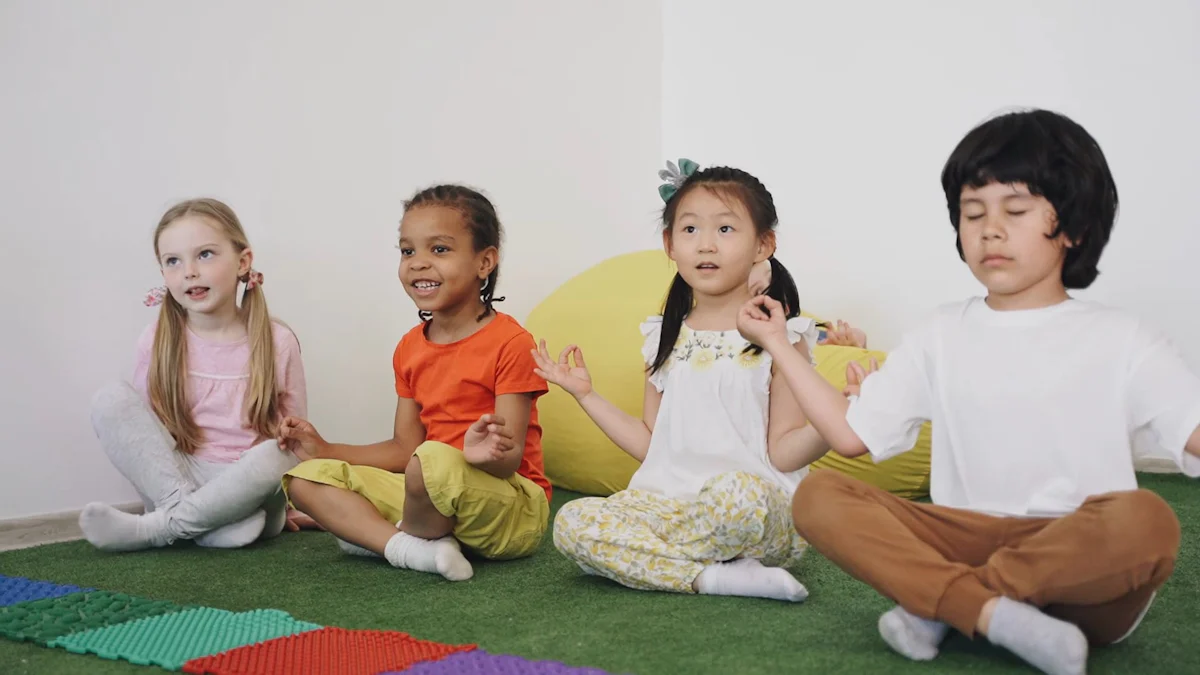
Yoga for preschoolers offers numerous benefits you won't want to miss. It helps children improve their physical and mental health. Through yoga, preschoolers can develop their motor skills such as balance, strength, and flexibility. Moreover, it promotes their concentration and self-confidence. Yoga also teaches them to better cope with stress and external pressure. It is a playful way to help children relax and stimulate their creativity. By integrating yoga into their routine, you provide preschoolers with a valuable foundation for their overall development.
Preparing for the yoga class
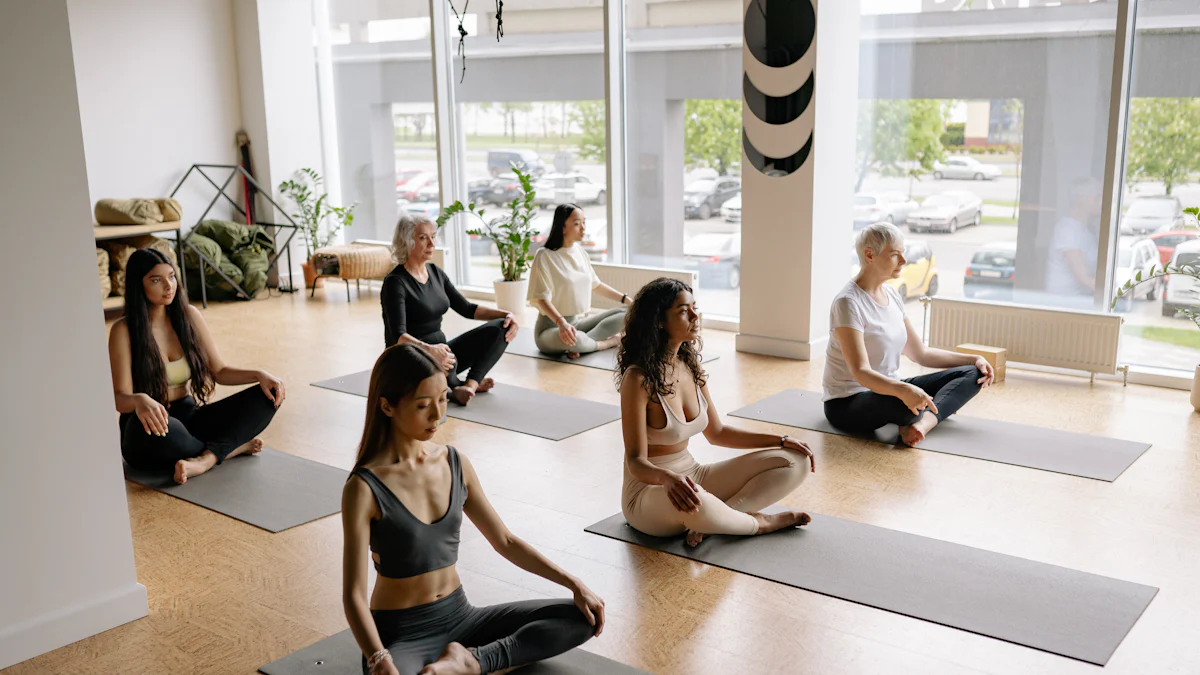
Image Source: pexels
Choosing a suitable location
When teaching a yoga class to preschoolers, the location is of great importance. You want to choose a place where children feel safe and comfortable.
Safety and comfort
Ensure the room is free of sharp objects and obstacles. This prevents accidents and ensures that the children can move freely. A soft surface, such as carpet or a special children's yoga mat, offers extra comfort. Children's Yoga Mats are specially designed for young yogis. They are smaller, lighter, and come in a cheerful color or print. These mats offer sufficient cushioning and good grip so that children do not slip during exercises.
Sound and lighting conditions
A quiet environment helps children concentrate better. Avoid rooms with a lot of background noise. Natural light is ideal, but ensure it is not too bright. If you use artificial light, choose soft, warm lighting. This creates a calm and inviting atmosphere.
Materials and supplies
The right materials and supplies make your yoga class not only more fun but also more effective. #### Yoga Mats and Accessories
Invest in high-quality yoga mats designed specifically for children. The Liforme Kids Yoga Mat is an excellent choice. These mats are smaller than standard versions but offer the same top quality and are made from planet-friendly materials. They are completely non-toxic and safe to touch and smell. Don't forget to bring other accessories such as blocks or straps, which can help with performing certain poses.
Child-Friendly Music
Music can be a great addition to your yoga class. Choose child-friendly music that supports the atmosphere of the class. Soft, melodic music can help calm the children and get them in the right mood for yoga. Ensure the music is not too loud so it does not distract the children from the exercises.
With these preparations, you lay a solid foundation for a successful and enjoyable yoga class for preschoolers. By paying attention to the location and the right materials, you create an environment where children feel safe and at ease.
Structure of the Yoga Class
Teaching a yoga class to preschoolers requires a clear structure. This helps the children to concentrate and benefit optimally from the advantages of yoga for preschoolers. Here is a handy guide to effectively structure your class.
Start of the Class
Welcome and Introduction
Start your class with a warm welcome. Make sure the children feel at ease. Introduce yourself and briefly explain what they can expect. This creates a safe and familiar environment. You can also introduce a short story or theme that you will use throughout the class. This makes the class engaging and helps the children connect with the exercises.
Warm-up Exercises
Before you begin the core of the class, it is important to warm up the children. Choose simple and playful warm-up exercises that help the children loosen up their bodies. Think about imitating animals or making large arm movements. These exercises prepare preschoolers for the yoga poses and ensure they feel physically and mentally ready.
Core of the lesson
Simple yoga poses
In the middle of the lesson, introduce simple yoga poses. Choose poses that suit the preschoolers' world of experience, such as the tree pose or the cat-cow pose. These poses are not only fun but also help develop balance and flexibility. Yoga for preschoolers has been proven to increase physical fitness and concentration. Make sure to explain the poses in a playful way and encourage the children to give their own interpretation.
Breathing exercises
Breathing exercises are an essential part of yoga for preschoolers. They help children to concentrate and calm down. For example, have the children breathe in and out like a balloon. This makes it fun and easy to understand. Research shows that breathing exercises bring mental calm and reduce stress. By integrating these exercises, you provide the children with valuable tools to deal with emotions.
Closing the lesson
Relaxation and meditation
Close the lesson with a relaxation session. Have the children lie on their backs and guide them through a short meditation. Use a gentle story or music to help them relax. This moment of calm is crucial for integrating the benefits of yoga for preschoolers. It helps them conclude the lesson with a sense of calm and contentment.
Closing conversation
End the lesson with a short conversation. Ask the children what they enjoyed and how they feel. This gives them the opportunity to share their experiences and strengthens their self-confidence. It is also a good time to encourage them to incorporate yoga into their daily routine. Yoga for preschoolers offers them a valuable foundation for their overall development.
Tips for teaching preschoolers
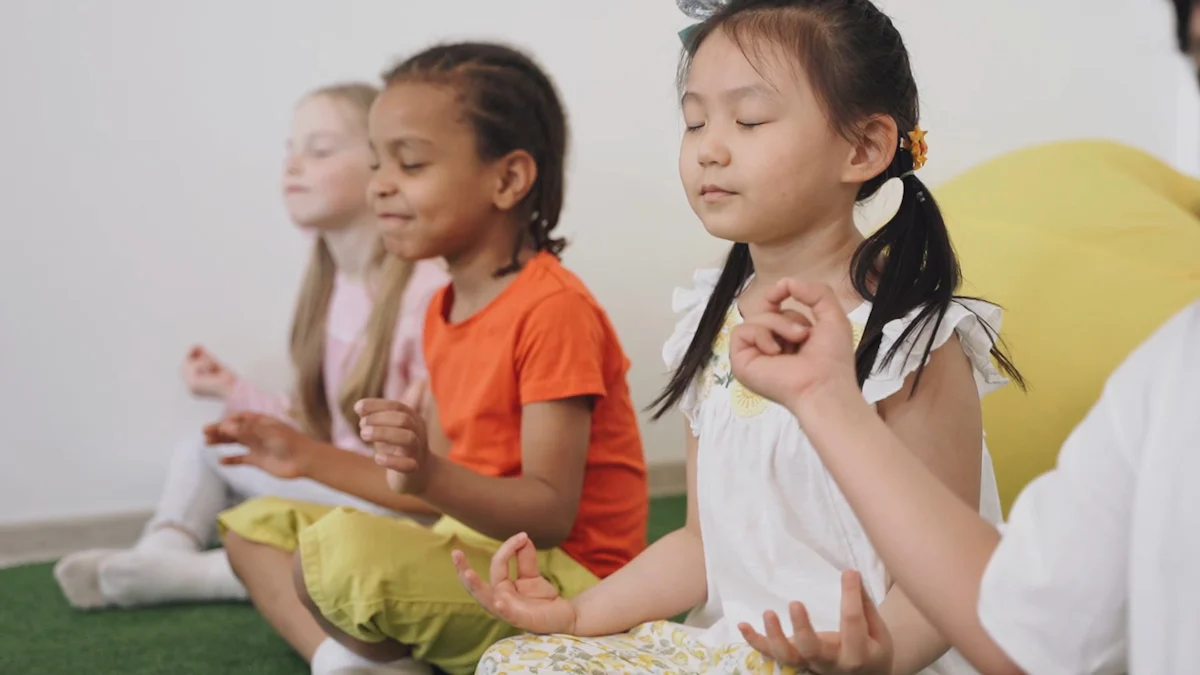
Image Source: pexels
Using stories and themes
Stories and themes are a powerful way to engage preschoolers in yoga. By using stories, you make the lesson not only more fun but also more meaningful for the children. #### Stories to introduce poses
*A yoga story is a series of yoga poses told to the children in story form.* During the story, the children act out the yoga poses that appear in the story. This makes the lesson playful and interactive. Imagine you are telling a story about a journey through the jungle. The children can then assume the tree pose when they encounter a large tree, or the cobra pose when they see a snake. By using stories, children playfully explore the world of yoga and make their bodies supple and strong.
Themes to structure the lesson
Every children's yoga class can be framed around a specific theme. This stimulates the children's imagination and empathy. Think of themes such as the ocean, space, or a fairytale forest. All exercises are performed based on a story that fits the theme. This story is different every lesson, allowing the children to discover something new each time. By using themes, you create a cohesive and engaging lesson experience.
Keeping Preschoolers' Attention
Keeping preschoolers' attention can be a challenge. Fortunately, there are several strategies you can use to keep the children engaged.
Short and Varied Activities
Preschoolers have a short attention span. Therefore, it is important to keep activities short and varied. Alternate yoga poses with games, music, or stories. This keeps the lesson dynamic and prevents the children from getting bored. Ensure playful elements during yoga with young children, so that they can actively use their imagination and maintain their attention. *
Positive Reinforcement
Positive reinforcement plays a crucial role in teaching preschoolers. Give compliments and encourage the children when they perform a pose well or do their best. This strengthens their self-confidence and motivation. *Enthusiastic toddlers will try to show at home what they have learned and done during the yoga class.* By giving positive feedback, you create a supportive and stimulating learning environment.
With these tips, you can conduct an engaging and effective yoga class for preschoolers. By using stories and themes and holding the children's attention, you make the class not only fun but also valuable for their development.
Yoga for preschoolers offers a great opportunity to help children relax and stimulate their creativity. You have learned how to create a safe and playful environment, with stories and themes that hold preschoolers' attention. Isis Mulleman emphasizes that yoga reduces stress and helps children imagine themselves in another world. Mel, a teacher, discovered that simple yoga exercises challenge children within their limits, which leads to relaxation. Try yoga with preschoolers and experience the benefits for their development and well-being for yourself.
See also

Written by
Maria Yogalife
Maria | Yoga & Wellness Writer at YogaLife.World Maria is a passionate yoga and wellness writer at YogaLife.World, dedicated to sharing knowledge, inspiration, and practical guidance for a healthier, more balanced lifestyle. Through her articles, she explores yoga practices, meditation, mindfulness, holistic wellness, and the transformative benefits of mindful living. With an accessible and inspiring approach, Maria helps readers of all levels discover new practices, deepen their understanding of yoga, and bring greater balance, awareness, and well-being into their everyday lives.
Visit website


