
Image Source: pexels
Recognizing yoga poses plays a crucial role in improving your yoga experience. By identifying the right poses, you can significantly improve your flexibility and strength. Yoga offers not only physical benefits, but it also promotes mental peace and balance. Research shows that regular yoga practice increases muscle strength and flexibility, and can even reduce stress and depression. This blog helps you learn to recognize and understand the different yoga stretch names, so that you can get the most out of your yoga sessions.
Basic Principles of Yoga Poses
What Are Yoga Poses?
Definition and Importance
Yoga poses, also known as asanas, form the core of every yoga practice. They are designed to bring your body and mind into balance. By practicing these poses, you improve not only your physical strength and flexibility, but also your mental focus and calm. Recognizing these poses helps you perform them correctly, allowing you to fully benefit from the advantages that yoga offers.
History and Development
Yoga has a rich history dating back thousands of years. It began in India and spread throughout the world in the 20th and 21st centuries. During this spread, new styles emerged that adapted to different cultures and societies. The development of yoga is often divided into different periods, such as the Post-Classical Period, in which yoga further developed into the form we know today. This evolution demonstrates that yoga is a living art, which continues to grow and change through experimentation and experience.
Benefits of Recognizing Yoga Poses
Improved Body Awareness
By recognizing yoga poses, you develop better body awareness. You learn to pay attention to how your body moves and feels in each pose. This awareness helps you to correct your posture and prevent injuries. Moreover, it fosters a deeper connection between body and mind, which is essential for effective yoga practice. #### Increased Flexibility and Strength
Performing yoga poses correctly leads to a significant improvement in your flexibility and strength. By practicing regularly, your muscles become longer and stronger. This helps not only with performing more complex poses but also with daily activities. Recognizing the right poses ensures that you engage the correct muscles and challenge your body in the right way. This allows you to push your physical limits and improve your overall well-being.
Popular Yoga Poses and Their Characteristics
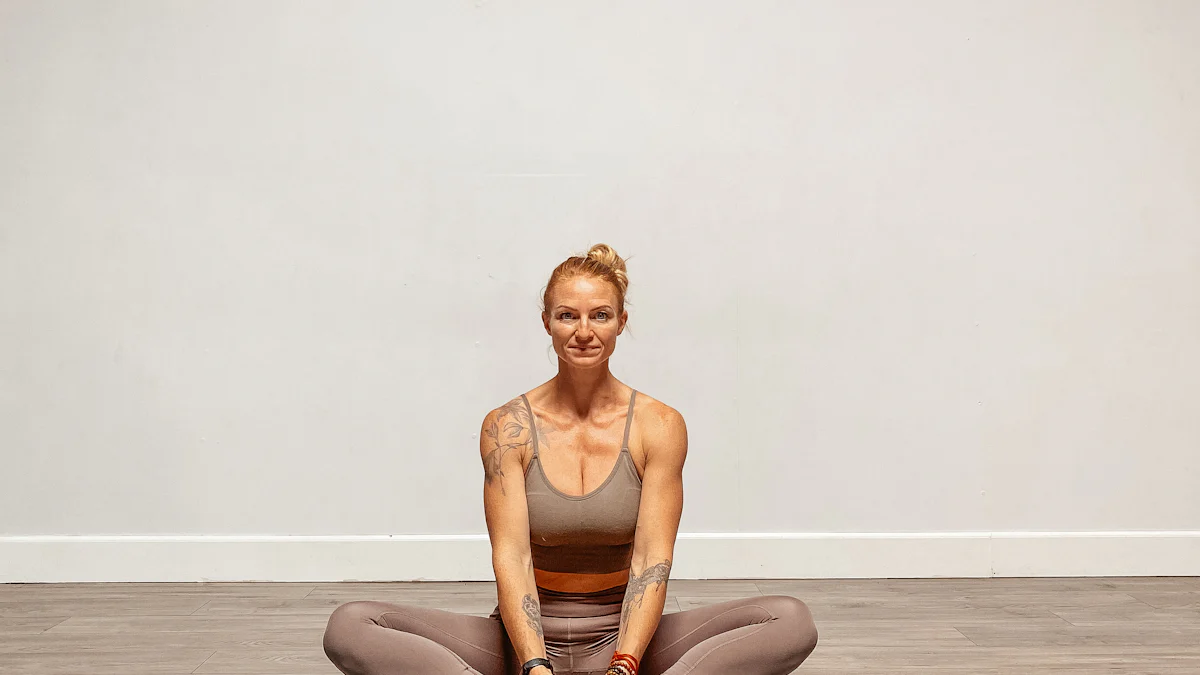
Image Source: unsplash
Yoga offers a wide range of poses, each with unique benefits and characteristics. Let's explore some of the most popular yoga stretch names and discover how they can help you with your yoga practice.
Standing Poses
Standing poses form the basis of many yoga sessions. They help improve your balance and stability.
Mountain Pose (Tadasana)
The Mountain Pose is a fundamental pose that helps you align your body and increase your awareness. You stand upright with your feet together and your arms alongside your body. This pose seems simple, but it requires concentration to keep your body in perfect balance. It is a great way to start your session and focus your mind.
Tree Pose (Vrksasana)
The Tree Pose is another standing pose that improves your balance and concentration. You stand on one leg while placing the other foot against your inner thigh. Your hands can be in prayer position in front of your chest or above your head. This pose strengthens your ankles and calves and helps you find your balance, both physically and mentally. ### Seated Poses
Seatted poses are ideal for improving flexibility and promoting relaxation.
Tailor's Pose (Sukhasana)
The Tailor's Pose is a simple seated pose that helps you open your hips and back. You sit with crossed legs and your back straight. This pose promotes calm breathing and helps you quiet your mind. It is a perfect pose for meditation and breathing exercises.
Head to Knee Pose (Janu Sirsasana)
The Head to Knee Pose is a seated forward bend that stretches your hamstrings and back. You extend one leg while placing the other foot against your inner thigh and bending your upper body forward. This pose helps improve the flexibility of your back and hamstrings and promotes deep relaxation. ### Lying Poses
Lying poses are ideal for relaxation and recovery after an intense session.
Corpse Pose (Savasana)
The Corpse Pose is one of the most relaxing yoga stretches. You lie flat on your back with your arms alongside your body and your eyes closed. This pose helps you to fully relax and bring your body and mind to rest. It is often the last pose of a yoga session and promotes a deep sense of peace and tranquility.
Bridge Pose (Setu Bandhasana)
The Bridge Pose is a lying pose that opens your back and chest. You lie on your back with your knees bent and your feet flat on the ground. You lift your hips up and keep your shoulders on the mat. This pose strengthens your back and legs and helps to open your chest and shoulders.
By learning and recognizing these popular yoga stretches, you can take your yoga practice to a higher level. Each pose offers unique benefits that improve your physical and mental well-being. Try them out and discover which poses suit you best.
Techniques for Recognizing Yoga Poses
Observation and Analysis
Recognizing yoga poses begins with looking closely and analyzing. This helps you understand the essence of each pose.
Paying Attention to Body Posture
You must pay attention to body posture. Look at the alignment of the spine, the position of the arms and legs, and the stance of the feet. By observing these elements, you can better understand the pose and perform it correctly. Try looking at yourself in the mirror or ask a friend for feedback. This helps you become aware of your own body posture.
Identifying Key Features
Every yoga pose has unique features. Pay attention to specific details such as the angle of the knees, the position of the hands, and the degree of arching in the back. By identifying these features, you can recognize the poses more quickly. Make notes or sketches of the poses you are learning. This visual aid can strengthen your memory and help you remember the poses better.
Use of Tools
In addition to observation and analysis, you can use various tools to learn to recognize yoga poses.
Yoga Guides and Books
Yoga guides and books are excellent resources. They offer detailed descriptions and images of various poses. Look for books that provide step-by-step instructions. This makes it easier to understand and practice the poses. You can also make notes in the margins of your books to mark important points.
Online Videos and Tutorials
Online videos and tutorials are also useful. They show you how to perform the poses. Watch videos by experienced yoga teachers. They often provide tips and pointers that you won't find in books. Try to imitate the poses while watching the video. This helps you to better understand and remember the movements. Don't forget to pause and rewind if necessary. This way, you can learn at your own pace.
Tips for Beginners
Starting with Simple Poses
If you are just starting yoga, it is important to begin with simple poses. This helps you become familiar with the basic principles without overstraining your body.
Focus on Breathing
Breathing plays a crucial role in yoga. It helps you concentrate and relax your body. Try to breathe deeply and evenly during every pose. This not only improves your physical performance but also helps to calm your mind. As one yoga practitioner put it beautifully: "With every exhale, notice every muscle and every joint that releases." This focus on breathing makes you aware of what is happening in your body.
Listening to Your Body
Yoga is not just about performing poses, but also about listening to your body. Feel what is good for you and respect your limits. If a pose feels uncomfortable or painful, adjust it or take a break. One yoga enthusiast described it as a way to accept your body more and find balance. Yoga is a personal journey, so take the time to discover what works for you.
Regular Practice
Consistency is the key to success in yoga. By practicing regularly, you improve your skills and increase the benefits that yoga offers.
Create a Routine
Try to develop a fixed routine. This could mean doing yoga for a few minutes every morning or scheduling a longer session a few times a week. Regularity helps you make progress and make your body stronger and more flexible. A beginner noted that yoga is a pleasant way to and flexibility, alongside other training.
Set Realistic Goals
It is important to set realistic goals. Start with small, achievable goals and gradually work your way up to more challenging poses. This prevents frustration and keeps you motivated. A beginner who described yoga as an enriching experience emphasized that it is important to enjoy the journey and not focus solely on the end goal. Yoga is a gift you give yourself, so enjoy every step on your path. ## Common Mistakes and How to Avoid Them
Image Source: pexels
Yoga is a beautiful practice, but as with any physical activity, mistakes can occur. By being aware of these mistakes, you can improve your yoga practice and prevent injuries. Let's take a look at some common mistakes and how you can avoid them.
Incorrect Alignment
One of the most common mistakes in yoga is incorrect alignment. This can lead to discomfort and even injuries. It is important to align your body correctly in every pose. #### Correction and Adjustments
You can improve your alignment by making small adjustments. Pay attention to the position of your feet, knees, and hips. Ensure your spine is straight and your shoulders are relaxed. Ask an experienced yoga teacher for feedback or use a mirror to check your posture. Small corrections can make a big difference in how you feel during the poses.
Use of Yoga Props
Yoga props, such as blocks and straps, can help you improve your alignment. They offer support and stability, especially in challenging poses. Use a block under your hand in standing poses if you cannot reach the ground. A strap can help you connect your hands in poses where your flexibility is limited. Props are not a sign of weakness; they are tools to deepen your practice.
Overloading the Body
Another common mistake is overloading your body. This often happens when you want to make progress too quickly or push yourself too hard. #### Recognizing Limits
Listen to your body and recognize your limits. Pain is a signal that you are pushing yourself too far. Yoga is about finding balance, not about forcing your body into poses. If a pose feels uncomfortable, adjust it or take a break. It is important to be patient and give your body time to become stronger and more flexible.
Importance of Rest and Recovery
Rest and recovery are essential in yoga. They give your body the chance to recover and become stronger. Schedule rest days into your routine and take the time to relax in poses such as the Corpse Pose (Savasana). This pose helps you to fully relax and bring your body and mind to rest. Remember that yoga is a journey, not a race. Enjoy the process and give yourself time to grow.
Recognizing yoga poses offers you countless benefits. You improve your posture, mindfulness, balance, and strength. By practicing regularly, you develop a deeper body awareness and increase your flexibility. Stay curious and keep learning. Yoga is a journey that enriches your physical and mental well-being.
"Yoga can improve flexibility and balance, which is crucial for performing yoga postures correctly."
Explore additional resources such as books and online tutorials to further deepen your knowledge. You will find that every step in your yoga journey is valuable. ## See also
Learn Yoga Positions Easily In A Simple Way
Improve Your Flexibility With Yoga Stretch Exercises
Teaching Yoga Classes To Preschoolers: How Do You Do That?

Written by
Maria Yogalife
Maria | Yoga & Wellness Writer at YogaLife.World Maria is a passionate yoga and wellness writer at YogaLife.World, dedicated to sharing knowledge, inspiration, and practical guidance for a healthier, more balanced lifestyle. Through her articles, she explores yoga practices, meditation, mindfulness, holistic wellness, and the transformative benefits of mindful living. With an accessible and inspiring approach, Maria helps readers of all levels discover new practices, deepen their understanding of yoga, and bring greater balance, awareness, and well-being into their everyday lives.
Visit website


