
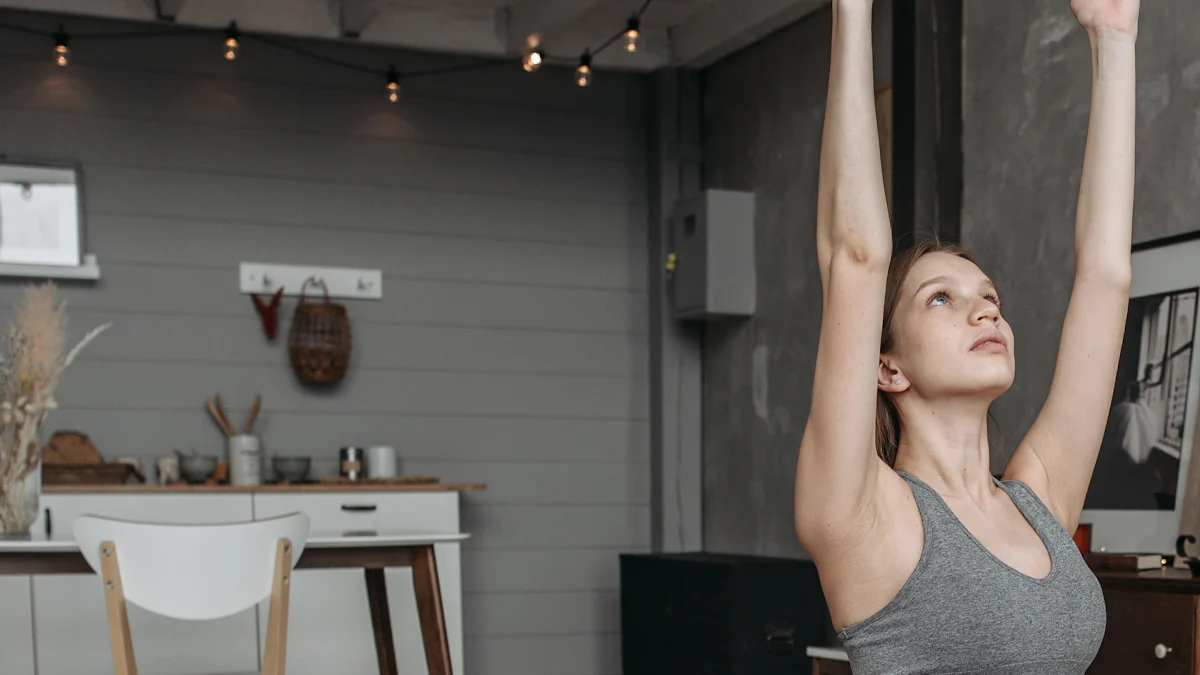
Essential Yoga Poses for Pregnancy
Image Source: Pexels
Practicing yoga during pregnancy offers numerous benefits. This discipline helps reduce anxiety and stress, promoting a healthier pregnancy. In addition, yoga strengthens the pelvic floor and improves flexibility, better preparing you for childbirth. Expectant mothers can experience a deeper connection with their bodies and their babies. Incorporating specific poses into your daily routine can be key to enjoying a more balanced and serene pregnancy.
Key Points
-
Practicing yoga during pregnancy reduces stress and anxiety, promoting a healthier pregnancy.
-
Incorporating poses like Tadasana (Mountain Pose) and Utkatasana (Mountain Pose) improves flexibility and strengthens the pelvic floor, preparing you for childbirth.
-
Listening to your body is essential; adapt the poses to your comfort and avoid those that cause discomfort.
-
Creating a safe and comfortable space to practice yoga at home maximizes the benefits of the discipline.
-
Consider joining prenatal yoga classes to receive professional instruction and emotional support during this time.
-
Yoga poses not only connect you with your baby, but also provide you with tools to manage stress and anxiety.
-
Remember that your yoga practice should be enjoyable and safe; always prioritize your well-being and that of your baby.
Recommended Yoga Poses for the First Trimester
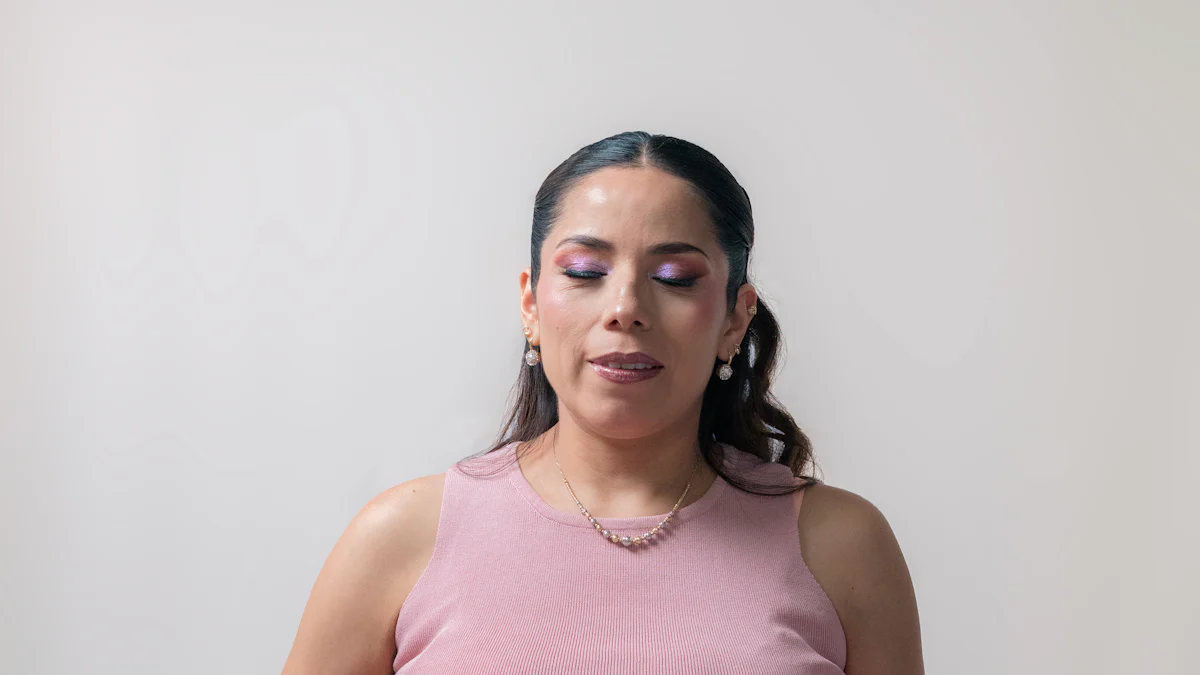
Image Source: pexels
Mountain Pose (Tadasana)
Mountain Pose, also known as Tadasana, is fundamental for establishing a solid foundation. This pose improves body alignment and promotes postural awareness. To perform this pose, follow these steps:
-
Stand upright with your feet together and your arms at your sides.
-
Distribute your weight evenly on both feet.
-
Inhale deeply and raise your arms overhead, keeping your shoulders relaxed.
-
Feel the connection with the ground and hold the pose for several breaths.
Practicing Tadasana will help you feel more centered and balanced. This pose is also ideal for beginning your yoga practice during pregnancy.
Cat-Cow Pose (Marjaryasana-Bitilasana)
The Cat-Cow pose, or Marjaryasana-Bitilasana, is excellent for mobilizing the spine. This sequence of gentle movements helps relieve tension in the back and improves flexibility. To perform this pose, follow these steps:
-
Get on all fours with your wrists aligned under your shoulders and your knees under your hips.
-
Inhale as you arch your back downwards, lifting your head and tailbone (Cow Pose).
-
Exhale as you round your back upwards, tucking your chin towards your chest (Cat Pose).
-
Repeat this sequence several times, coordinating the movement with your breath.
This practice not only relieves tension but also connects you with your body and your baby.
Child's Pose (Balasana)
Child's Pose, also known as Balasana, is one of the most comforting poses. This pose allows you to rest and relax your body. To perform it, follow these steps:
-
Sit on your heels and then lean forward, bringing your forehead to the floor.
-
Extend your arms forward or leave them at your sides.
-
Breathe deeply and feel your back and hips relax.
Balasana is perfect for releasing stress and anxiety. This pose offers you a moment of calm and connection with your baby.
Recommended Yoga Poses for the Second Trimester
Butterfly Pose (Baddha Konasana)
The butterfly pose, also known as Baddha Konasana, is ideal for opening the hips and improving flexibility. This pose also helps relieve tension in the lower back. To perform it, follow these steps:
-
Sit on the floor with your legs extended.
-
Bend your knees and bring the soles of your feet together, letting your knees fall to the sides.
-
Hold your feet with your hands and, if possible, gently lean forward.
-
Breathe deeply and hold the pose for several breaths.
Practicing Baddha Konasana will allow you to feel greater openness in your hips. This pose is especially beneficial during the second trimester, as it prepares your body for childbirth.
Warrior II Pose (Virabhadrasana II)
Warrior II Pose, or Virabhadrasana II, strengthens the legs and improves balance. This pose also fosters confidence and emotional stability. To perform it, follow these steps:
-
Stand upright and step back with your right foot.
-
Turn your right foot 90 degrees and your left foot slightly inward.
-
Bend your left knee and extend your arms out to the sides, parallel to the floor.
-
Look forward and hold the pose for several breaths.
This pose not only improves physical strength but also connects you with your inner power. Practicing Virabhadrasana II will help you feel more empowered during pregnancy.
Camel Pose (Ustrasana)
The camel pose, also known as Ustrasana, is excellent for opening the chest and improving breathing. This pose also helps relieve tension in the back. To perform it, follow these steps:
-
Kneel on the floor with your knees hip-width apart.
-
Place your hands on your lower back for support.
-
Inhale deeply and arch your back, reaching your hands toward your heels if possible.
-
Keep your head in a neutral position or let it fall back, according to your comfort.
Practicing Ustrasana will allow you to expand your chest and improve your breathing capacity. This pose is especially helpful as your abdomen grows.
Recommended Yoga Poses for the Third Trimester
Chair Pose (Utkatasana)
The chair pose, known as Utkatasana, strengthens the legs and improves stability. This pose also helps activate the pelvic floor, which is essential at this stage of pregnancy. To perform it, follow these steps:
-
Stand upright with your feet together.
-
Inhale and raise your arms overhead, keeping them parallel.
-
Exhale and bend your knees as if you were going to sit in an invisible chair.
-
Keep your back straight and your abdomen engaged.
-
Hold the pose for several breaths.
Practicing Utkatasana will help strengthen your legs and prepare your body for childbirth. This pose also improves circulation and relieves tension in the back.
Goddess Pose (Utkata Konasana)
The Goddess Pose, or Utkata Konasana, is ideal for opening the hips and strengthening the lower body. This pose also promotes a connection with your feminine energy. To perform it, follow these steps:
-
Stand with your feet wider than hip-width apart.
-
Turn your feet outward at a 45-degree angle.
-
Bend your knees and lower your body, keeping your back straight.
-
Extend your arms out to the sides, with your elbows bent at a 90-degree angle.
-
Breathe deeply and hold the pose for several breaths.
Utkata Konasana not only strengthens the legs but also helps open the hips, which is beneficial for childbirth. This pose allows you to feel empowered and connected to your body.
Relaxation Pose (Savasana)
The relaxation pose, known as Savasana, is essential for resting and regaining energy. This pose allows you to release accumulated tension and connect with your breath. To perform it, follow these steps:
-
Lie on your left side with your legs extended.
-
Place a pillow between your legs for greater comfort.
-
Close your eyes and breathe deeply, feeling your body relax.
-
Allow your mind to quiet down and enjoy this moment of peace.
Savasana is essential in the third trimester. This pose helps you manage stress and anxiety, preparing you for childbirth. Practicing breathing exercises in this pose will also help you better manage the pain of contractions.
Yoga Poses to Avoid During Pregnancy
Belly Pose (Bhujangasana)
The belly pose, known as Bhujangasana, can be problematic during pregnancy. This pose involves a strong contraction of the abdominal muscles, which can put pressure on the abdomen and the fetus. During this stage, it is crucial to prioritize comfort and safety. Therefore, it is best to avoid this pose and opt for gentler alternatives that do not compromise your well-being or that of your baby.
Cobra Pose (Urdhva Mukha Svanasana)
The cobra pose, or Urdhva Mukha Svanasana, should also be avoided. This asana requires you to lie face down, which can be uncomfortable and potentially dangerous as your pregnancy progresses. Lying in this position can put pressure on your abdomen and affect circulation. Instead, choose poses that keep your body in a more upright position and promote chest opening without compromising your comfort.
Advanced Balancing Poses
Advanced balancing poses present an additional challenge during pregnancy. These asanas require a high level of concentration and stability, which can be difficult to achieve as your body changes. A lack of balance can increase the risk of falls and injuries. Therefore, it is advisable to avoid these poses and focus on those that promote stability and connection with your body.
Remember that yoga during pregnancy should be a safe and enjoyable practice. Always listen to your body and consult a professional if you have any doubts about which poses are right for you. Prioritize your well-being and that of your baby in every yoga session.
Benefits of Yoga During Pregnancy
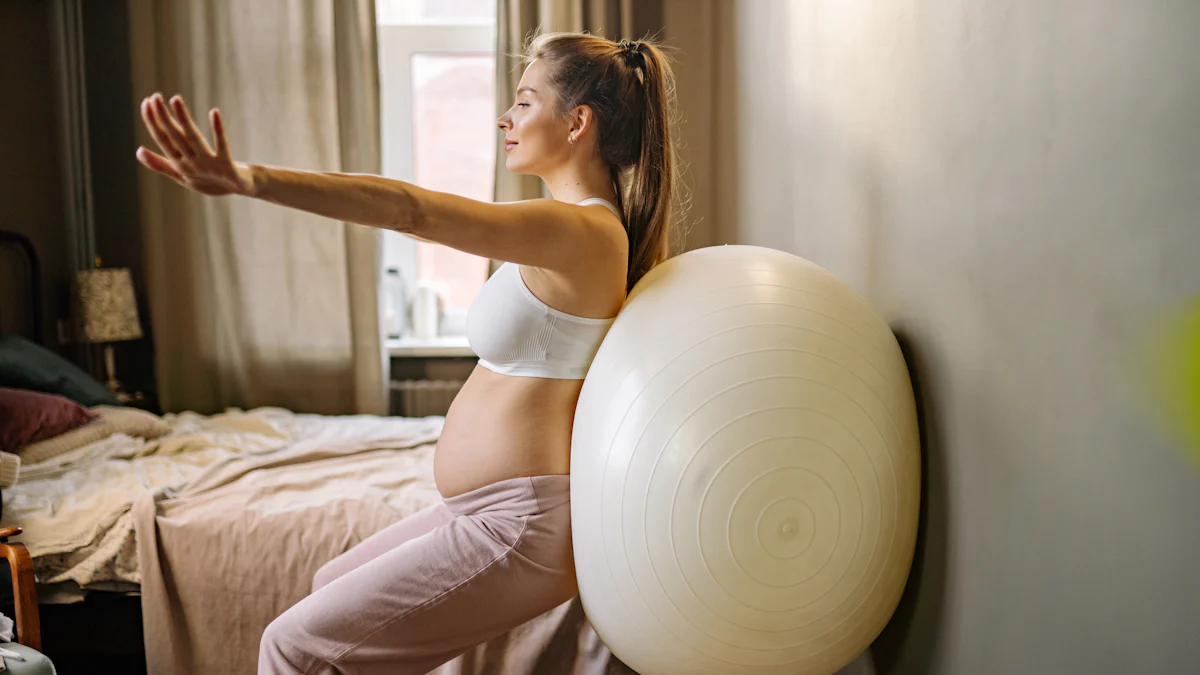
Image Source: pexels
Stress and Anxiety Reduction
Practicing yoga during pregnancy helps reduce stress and anxiety. This discipline stimulates the release of endorphins, the hormones linked to happiness. By performing breathing and meditation exercises, you can release accumulated tension in your body and mind. This provides an emotional refuge amidst the changes you experience. Studies show that pregnant women who practice yoga experience a significant decrease in anxiety levels and mood swings.
Improved Flexibility and Strength
Yoga also improves your flexibility and strength. As your body changes, maintaining mobility is essential. Yoga postures strengthen the muscles involved in childbirth, better preparing you for the moment of birth. Furthermore, strengthening your pelvic floor increases your security and confidence. This is crucial during pregnancy, as it helps you feel more empowered and in control of your body.
Preparing for Childbirth
Yoga during pregnancy prepares you for childbirth in several ways. Improve your concentration and relaxation skills during labor. The breathing techniques you learn allow you to better manage pain and anxiety. Yoga can also shorten labor and improve newborn outcomes, especially in high-risk pregnancies. By incorporating these practices into your routine, you'll feel more prepared and confident to face the birthing process.
Practical Tips for Practicing Yoga at Home
Creating a Safe and Comfortable Space
When practicing yoga at home, it's essential to create a safe and comfortable environment. Dedicate a specific space to your yoga sessions. Make sure it's free of distractions and has enough room to move around. Consider the following:
-
Suitable Surface: Use a non-slip yoga mat to avoid slipping.
-
Lighting: Opt for soft lighting to help you relax. If possible, practice near a window to enjoy the natural light.
-
Temperature: Keep the room at a comfortable temperature. Avoid places that are too cold or hot.
-
Props: Have blocks, cushions, or blankets on hand to help you modify the poses according to your comfort.
A well-prepared space will allow you to concentrate on your practice and enjoy each session.
Listen to your body
During pregnancy, your body undergoes many changes. Listening to your body becomes essential. Pay attention to the signals it sends you. If you feel discomfort or pain, stop and adjust the pose or rest. Remember that every day can be different. Here are some recommendations:
-
Modify the poses: Don't hesitate to adapt the poses to your comfort level. Use props to make the asanas easier.
-
Breathe deeply: Breathing is key in yoga. Use breathing techniques to relax and connect with your body.
-
Don't push yourself: Avoid attempting advanced poses. Safety and well-being are paramount.
Remember that yoga should be a pleasurable practice. Prioritize your well-being and that of your baby in every session.
Consider Prenatal Yoga Classes
If you are new to yoga or have questions about how to practice safely, consider joining prenatal yoga classes. These classes are specifically designed for pregnant women and offer a safe and guided environment. A gynecologist recommends:
"Before starting yoga during pregnancy, it's best to consult with your doctor or gynecologist to determine if it's contraindicated."
Prenatal yoga classes offer the opportunity to learn breathing techniques and stretches that are helpful during labor. They also help you develop a greater ability to focus and relax during moments of physical stress. Here are some benefits of attending these classes:
-
Professional Instruction: A trained instructor can guide you through the correct and safe poses.
-
Community: Meeting other expectant mothers can be comforting and motivating.
-
Adaptations: You'll learn how to modify the poses according to your trimester of pregnancy.
Integrating yoga into your daily routine can be an enriching experience. With a suitable space, attention to your body, and the option of guided classes, you'll enjoy all the benefits that yoga has to offer during this beautiful stage of your life.
Essential yoga poses during pregnancy, such as Tadasana (Mountain Pose) and Utkatasana (Mountain Pose), offer significant benefits. These poses improve flexibility, reduce stress, and prepare your body for childbirth. Always remember to practice safely. Listen to your body and avoid poses that may cause discomfort. Integrate yoga into your daily routine. This practice will not only help you feel more connected to your baby, but will also provide you with tools to manage stress and anxiety.
FAQ
What benefits of yoga during pregnancy might be unsafe at certain times?
Some yoga poses can be unsafe at certain stages of pregnancy. For example, poses that involve lying face down or those requiring advanced balance can be uncomfortable or dangerous as your abdomen grows. Always prioritize your comfort and consult a professional if you have any concerns.
Why can yoga be beneficial during pregnancy?
Yoga can be very beneficial during pregnancy, provided you practice it correctly and with proper supervision. This practice helps keep your body strong and flexible. It also fosters a mind-body connection and creates a space of calm and serenity. This is essential during a time full of changes.
How to start practicing yoga during pregnancy if you haven't done yoga before?
Start gradually with pregnancy-friendly yoga. You can begin at home with short, simple routines or attend prenatal yoga classes. During your practice, look for gentle poses that allow you to connect with your body without straining.
What are the most recommended poses for each trimester of pregnancy?
For the first trimester, poses like Tadasana (Mountain Pose) and Balasana (Child's Pose) are ideal. In the second trimester, consider Baddha Konasana (Bend-in-the-Bend-out) and Virabhadrasana II (Second Half Pose). For the third trimester, Utkatasana (Stand-in-the-Bend-out) and Savasana (Stephen-in-the-Bend-out) are excellent options. Each pose offers specific benefits that contribute to your well-being.
Is it safe to practice yoga at home during pregnancy?
Yes, it is safe to practice yoga at home during pregnancy, as long as you create a suitable and comfortable space. Make sure you have a non-slip surface and avoid distractions. Listen to your body and adapt the poses according to your comfort level.
What should I do if I feel pain or discomfort during yoga practice?
If you feel pain or discomfort, stop immediately. Listen to your body and adjust the pose or rest. Do not force yourself into poses that are uncomfortable. Safety and well-being are paramount.
How much time should I dedicate to yoga during pregnancy?
Dedicate at least 15 to 30 minutes to yoga practice, several times a week. You can adjust the duration according to your availability and energy level. The important thing is that you enjoy the practice and feel good.
Can I practice yoga if I have complications during pregnancy?
If you have complications during pregnancy, consult your doctor before starting any yoga practice. Every case is unique, and it's essential to ensure that yoga is safe for you and your baby.
What kind of clothing should I wear to practice yoga during pregnancy?
Wear comfortable, breathable clothing that allows you to move freely. Opt for garments that don't constrict you and provide support. Comfort is key to enjoying your practice.
Is it recommended to attend prenatal yoga classes?
Yes, attending prenatal yoga classes is highly recommended. These classes are specifically designed for pregnant women and offer a safe and guided environment. A trained instructor can help you learn proper and safe postures, as well as provide emotional and physical support.
See also
Everything You Need to Know About Yoga for Beginners
Essential Tips to Improve Your Yoga Experience
The Ultimate Guide to Upright Yoga Poses

Written by
Maria Yogalife
Maria | Yoga & Wellness Writer at YogaLife.World Maria is a passionate yoga and wellness writer at YogaLife.World, dedicated to sharing knowledge, inspiration, and practical guidance for a healthier, more balanced lifestyle. Through her articles, she explores yoga practices, meditation, mindfulness, holistic wellness, and the transformative benefits of mindful living. With an accessible and inspiring approach, Maria helps readers of all levels discover new practices, deepen their understanding of yoga, and bring greater balance, awareness, and well-being into their everyday lives.
Visit website


