
Image Source: pexels
Yoga is an ancient practice that combines physical postures, breathing, and meditation. For beginners, home yoga offers an accessible way to start. Practicing at home allows you to set your own pace and create a comfortable environment. Furthermore, yoga improves overall well-being by reducing stress and increasing concentration. Studies show that those who practice yoga regularly experience significant benefits to their physical and mental health. By integrating yoga into your daily routine, you can enjoy a more balanced and mindful life.
Equipment Needed to Practice Yoga at Home
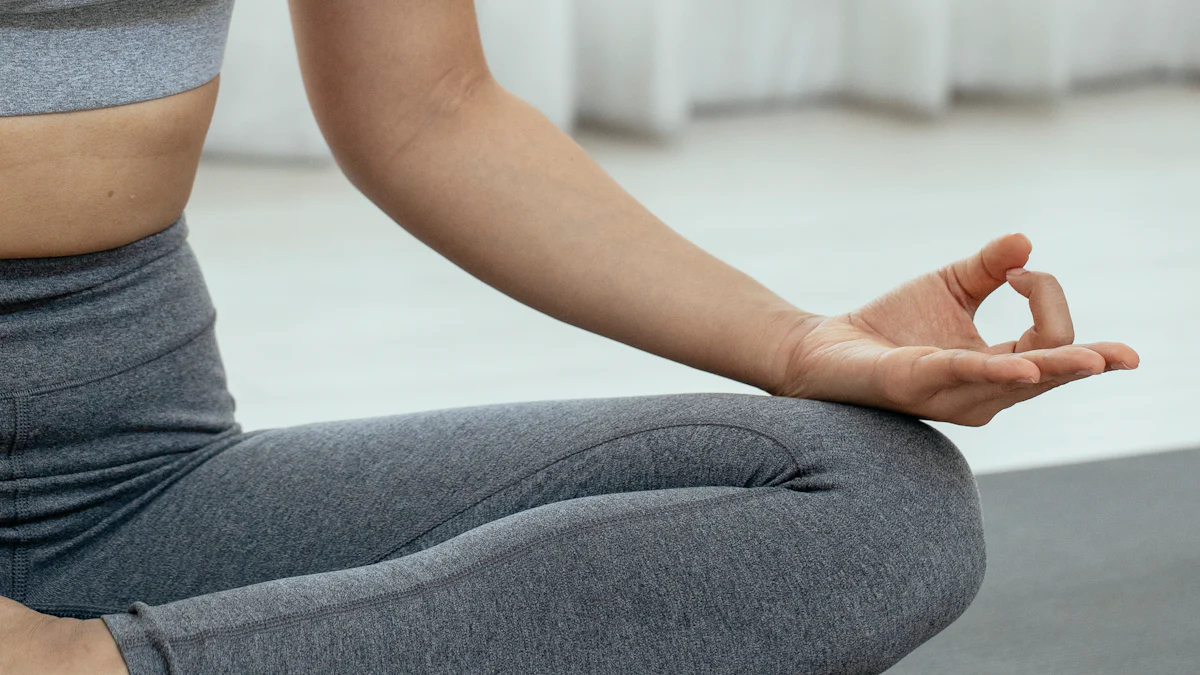
Image Source: pexels
Basic Elements
Yoga Mat
A yoga mat is essential for your home practice. It provides a non-slip surface that helps you maintain stability during poses. It also offers cushioning to protect your joints. You can opt for a mat like the Manduka Black Mat Pro Long, which is durable and comfortable. If you don't already have one, consider purchasing one to enhance your yoga experience.
Comfortable Clothing
Choosing the right clothing is crucial for practicing yoga effectively. Wear comfortable clothing that allows freedom of movement. Opt for athletic wear or yoga-specific clothing that is breathable and doesn't restrict your movements. Avoid tight jeans and overly loose clothing. Comfort is key so you can focus on the poses and your breathing.
Optional but Useful
Yoga Blocks
Yoga blocks are versatile tools that can help you improve your alignment and achieve more challenging poses. They are especially useful for beginners, as they provide additional support. You can use them to adjust the height in certain poses or to maintain your balance.
Yoga Strap
A yoga strap is another accessory that can facilitate your practice. It helps improve flexibility and maintain proper posture. You can use it to stretch your muscles safely and effectively. It's an excellent tool for those who want to deepen their poses without straining their bodies.
Blanket or Cushion
A blanket or cushion can be very useful for providing extra support during meditation or relaxation poses. You can also use them to elevate your hips in seated poses, which helps keep your spine aligned. These items add comfort and can enhance your at-home yoga experience.
Preparing the Space and Time for Practice
Choosing the Right Place
A Distraction-Free Space
Selecting a suitable space in your home is crucial for an effective yoga practice. Find a quiet place where you can concentrate without interruptions. A distraction-free environment will allow you to fully immerse yourself in the practice, promoting mindfulness. This approach not only improves the quality of your session but also helps you maintain consistency in your yoga routine.
Flat and Safe Surface
Make sure your chosen area has a flat and safe surface. This is essential for performing the poses correctly and avoiding injuries. A stable surface will give you the confidence to explore new poses and improve your technique. A safe space will also allow you to relax and fully enjoy the benefits of yoga.
Establish a Regular Schedule
Practice Duration
Establishing a regular schedule for your yoga practice is fundamental for incorporating this discipline into your daily life. Dedicate at least 10-15 minutes a day to your practice. Even if the time is short, consistency will allow you to see progress and develop a healthy habit. This approach will help you use your time constructively and integrate yoga into your daily routine.
Weekly Frequency
Determine the weekly frequency that best suits your needs and lifestyle. Practicing yoga several times a week will allow you to experience its benefits more effectively. Find a time of day when you can be calm and set it aside for yourself. This dedication will not only help you improve physically, but will also provide you with personal space for self-care and reflection.
Basic Yoga Poses for Beginners
Image Source: pexels
Mountain Pose (Tadasana)
The Mountain Pose, also known as Tadasana, is fundamental in the practice of yoga for beginners. This pose helps improve your posture and strengthen your leg muscles. To perform it, stand with your feet together and distribute your weight evenly. Keep your arms at your sides and lengthen your spine. This pose teaches you to connect with your breath and center yourself, which is essential for physical and mental balance.
Downward-Facing Dog Pose (Adho Mukha Svanasana)
Downward-Facing Dog is one of the most recognized yoga poses for beginners. This pose strengthens the arms and legs and improves spinal flexibility. Begin on all fours, then lift your hips toward the sky, forming an inverted "V." Keep your hands and feet firmly on the ground. This pose not only stretches the body but also helps calm the mind and reduce stress.
Warrior I Pose (Virabhadrasana I)
Warrior I is a powerful and energizing pose. It strengthens the legs, opens the hips, and improves concentration. To perform it, step forward with your right foot, bending your knee to a 90-degree angle. Keep your left foot back, with your heel on the ground. Raise your arms toward the sky and look forward. This pose symbolizes strength and determination, helping you develop confidence and stability.
Benefits of Yoga: Regular practice of these postures not only improves flexibility and strength but also contributes to better mental health. Studies have shown that yoga reduces stress, improves sleep quality, and increases concentration. It also helps strengthen bones and muscles, relieving chronic pain and improving self-confidence.
Tree Pose (Vrksasana)
The Tree Pose, also known as Vrksasana, is an excellent way to improve your balance and concentration. To perform this pose, start standing with your feet together. Slowly lift your right foot and place it on the inside of your left thigh. Keep your hands together in front of your chest or raise them overhead. This pose not only strengthens your legs but also improves mental stability. By practicing Vrksasana, you connect with your breath and develop greater body awareness.
Benefits of Tree Pose:
-
Strengthens leg muscles and improves balance.
-
Increases concentration and mental stability.
-
Helps develop patience and perseverance.
Regular practice of this pose can contribute to better physical and mental health. Studies have shown that yoga for beginners, such as Vrksasana, helps reduce stress and improve self-confidence.
Child's Pose (Balasana)
The Child's Pose, or Balasana, is a resting pose that promotes relaxation and calm. To perform it, begin on your knees. Sit back on your heels and extend your arms forward, resting your forehead on the floor. This pose is ideal for releasing tension in the back and shoulders. It also encourages deep, conscious breathing, which helps reduce stress and anxiety.
Benefits of Child's Pose:
-
Relieves tension in the back and shoulders.
-
Promotes relaxation and mental calm.
-
Improves spinal flexibility.
Incorporating Balasana into your beginner yoga practice will allow you to experience a sense of peace and well-being. Child's Pose is a powerful tool for managing challenging situations and increasing confidence and self-esteem.
Tips for Maintaining Consistency in Your Practice
Set Realistic Goals
To maintain consistency in your yoga practice, it's essential to set realistic goals. By setting achievable objectives, you motivate yourself to keep going and avoid frustration. Start with small goals, such as practicing yoga three times a week. As you become more comfortable, you can increase the frequency or duration of your sessions. Remember that progress in yoga is gradual, and every little step counts.
Listen to Your Body
Listening to your body is fundamental to yoga practice. Pay attention to how you feel during each pose and adjust as needed. If you experience pain or discomfort, stop and rest. Yoga isn't about forcing your body, but about finding a balance between effort and relaxation. By respecting your limits, you avoid injuries and enjoy the practice more. Connecting with your body helps you develop greater awareness and improve your overall well-being.
Find Additional Resources (Videos, Apps)
To enrich your home yoga practice, look for additional resources such as videos and apps. Platforms like YouTube offer a wide variety of guided classes for beginners. These classes allow you to learn new poses and techniques from the comfort of your home. Additionally, there are yoga apps that provide personalized routines and track your progress. By using these resources, you can diversify your practice and stay motivated.
Practicing yoga at home offers numerous benefits. Improve your flexibility, reduce stress, and strengthen your body. Plus, by practicing at home, you can adapt the sessions to your own pace and needs. The yoga expert recommends integrating yoga into your daily routine to experience its long-term benefits for brain health and memory.
"Try making yoga a part of your daily routine to experience its long-term benefits for brain health and memory."
To stay motivated, explore new poses and techniques. If you have any questions, here are some answers to frequently asked questions:
-
How long should I practice? Start with 10-15 minutes daily.
-
Do I need special equipment? A mat and comfortable clothing are sufficient.
-
Can I practice if I have injuries? Consult a professional before starting.
See also
How to Learn Yoga at Home Using YouTube
Yoga Postures: The Definitive Guide for Beginners
Full Body Yoga: A Complete Guide

Written by
Maria Yogalife
Maria | Yoga & Wellness Writer at YogaLife.World Maria is a passionate yoga and wellness writer at YogaLife.World, dedicated to sharing knowledge, inspiration, and practical guidance for a healthier, more balanced lifestyle. Through her articles, she explores yoga practices, meditation, mindfulness, holistic wellness, and the transformative benefits of mindful living. With an accessible and inspiring approach, Maria helps readers of all levels discover new practices, deepen their understanding of yoga, and bring greater balance, awareness, and well-being into their everyday lives.
Visit website


