
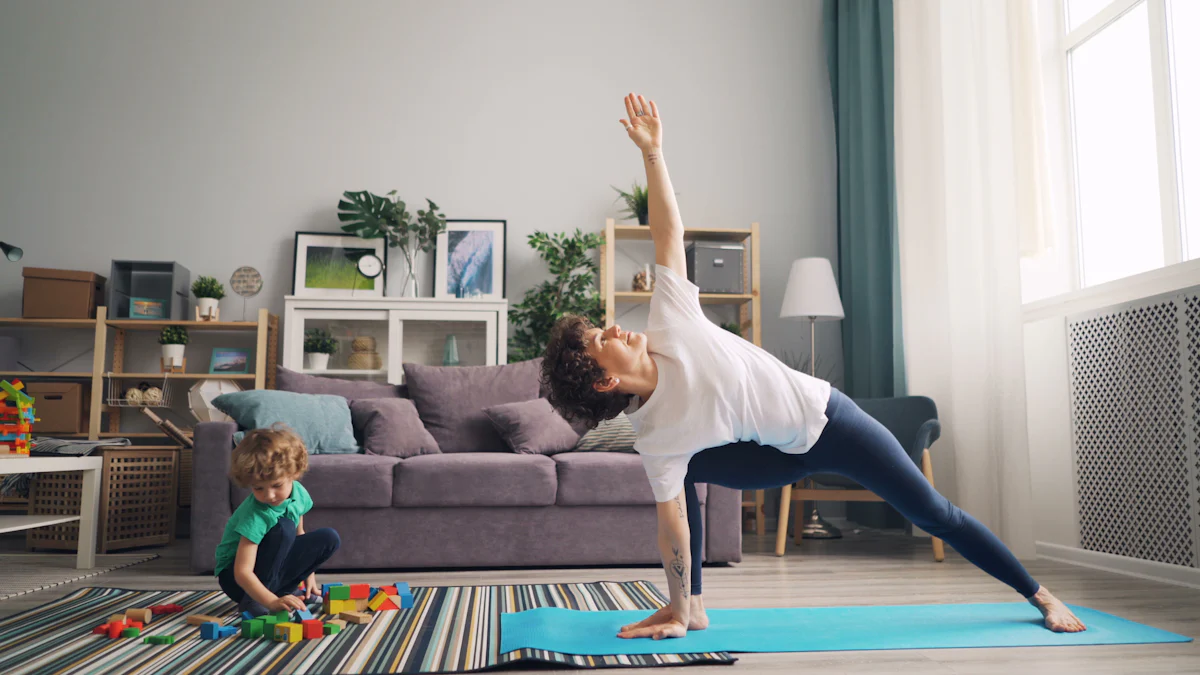
Complete guide to practicing yoga with children in Spanish
 Maria Yogalife
Complete Guide to Practicing Yoga with Children in Spanish
Image Source: Pexels
Yoga for children in Spanish is a fun and educational practice that helps little ones develop physical and emotional skills. By practicing yoga, children learn to channel their energy and better accept their emotions. Furthermore, yoga improves their concentration and attention, which can benefit their academic performance. It also strengthens their self-esteem and teaches them to relax, reducing stress and anxiety. With yoga, children become more aware of their own bodies, improve their flexibility and balance, and develop healthy habits that can last a lifetime.
Benefits of Yoga for Children
Practicing yoga for children in Spanish offers a variety of benefits that positively impact their physical and emotional development. Let's explore how this practice can transform the lives of young children.
Improved Concentration and Attention
Yoga for children in Spanish is a powerful tool for improving concentration and attention. By focusing on their breathing and holding specific postures, children learn to direct their attention more effectively. This focus is not limited to yoga sessions but also translates into better attention spans at school and in other daily activities. Children who practice yoga regularly develop greater awareness of their thoughts and emotions, which helps them better manage distractions.
Development of Flexibility and Strength
Yoga for children in Spanish promotes the development of muscle flexibility and strength. Yoga postures, such as Tree Pose or Downward-Facing Dog, stretch and strengthen different muscle groups. This not only improves posture and balance but also protects joints and prevents injuries. By practicing these poses, children become more aware of their bodies, learning about the muscles and bones involved in each movement. This body awareness is fundamental to their overall physical well-being.
Promoting Calm and Relaxation
One of the most valuable aspects of yoga for children in Spanish is its ability to promote calm and relaxation. In a world full of constant stimulation, yoga offers a space for children to disconnect and find tranquility. During sessions, children learn breathing techniques that help them relax and reduce stress. This regular relaxation practice not only improves their emotional well-being but also teaches them to manage anxiety and stress effectively. At the end of a yoga session, children often feel calmer and more centered, ready to face the rest of the day with a positive attitude.
Suitable Age to Start Practicing Yoga
Are you wondering when is the best time for children to start practicing yoga? The answer may surprise you. Many experts agree that children can begin practicing yoga from the age of 3 or 4. At this age, children already have the ability to perform and control certain body movements. Yoga for children in Spanish is adapted to their needs, allowing them to enjoy themselves while they learn.
General Age Recommendations
There is no strict age to start yoga for children in Spanish. However, it is recommended that children begin around the age of 3. At this age, children are able to follow simple instructions and participate in group activities. Dr. Gordóvil, an expert on the subject, points out that yoga is a beneficial practice with no adverse effects. She emphasizes that children learn to detect changes in their breathing and thoughts, which helps them manage stressful situations.
"When children discover that they can manage their own emotions, it's a victory, because it gives them autonomy and makes them feel capable and important," says the doctor.
Considerations for Different Developmental Stages
Yoga for children in Spanish is adapted to each stage of child development. Young children enjoy imitating animals and performing natural movements. As they grow, they can learn more complex postures and hold them for longer periods. Sessions can last from 20 to 30 minutes and include simple breathing and meditation practices.
For older children, yoga not only improves flexibility and strength but also fosters concentration and emotional well-being. Regular practice helps children develop self-discipline and self-control, valuable skills in their daily lives.
In short, yoga for children in Spanish is an activity that can be adapted to any age and stage of development. By introducing yoga to children from a young age, you are giving them tools to improve their physical and emotional well-being. So, why not start today?
How to Make Yoga Sessions Fun
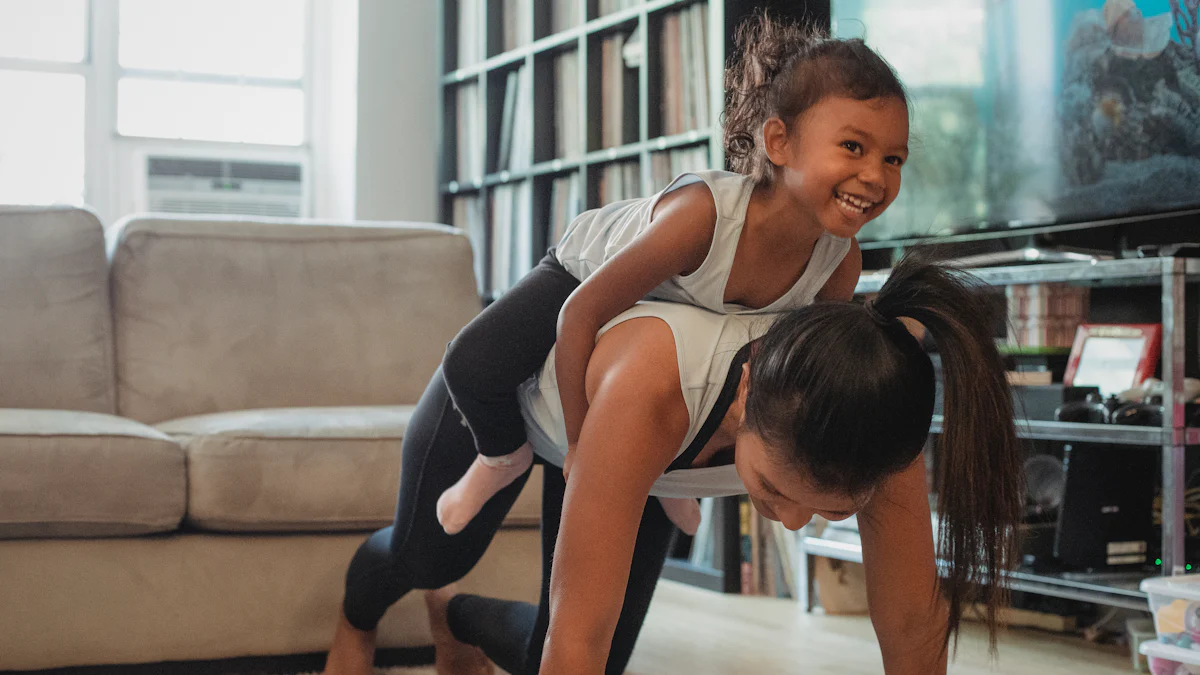
Image Source: pexels
Making yoga sessions for children in Spanish fun is key to maintaining their interest and enthusiasm. Here are some ideas to help you do just that.
Incorporating Games and Music
Incorporating games and music into yoga sessions for children in Spanish can transform the experience into something exciting. You can use songs that children already know and adapt them to include yoga movements. For example, a song about animals can accompany poses like the dog or cat pose. Imitation games are also effective. Ask children to imitate animal poses or storybook characters while listening to cheerful music. This not only makes the session more fun but also helps children develop their creativity and coordination.
Using Stories and Creative Themes
Stories and creative themes are powerful tools for capturing children's attention during children's yoga sessions in Spanish. You can create a narrative in which children become explorers traveling through a magical forest, encountering different animals and practicing yoga poses along the way. This technique not only keeps children interested but also stimulates their imagination and helps them connect with the poses in a more meaningful way. At the end of the story, you can invite the children to share their own adventures, thus encouraging participation and dialogue.
Active Participation and Feedback from Children
Active participation from children is essential for successful yoga sessions for children in Spanish. Encourage children to express how they feel during the poses and to share their thoughts about the session. You can ask questions like, "Which was your favorite pose today?" or "How did you feel doing the tree pose?" This type of interaction not only gives them a sense of belonging but also helps them develop communication and reflection skills. Furthermore, by receiving feedback from the children, you can adjust the sessions to make them even more engaging and effective.
In short, making yoga sessions for children in Spanish fun requires creativity and flexibility. By incorporating games, music, stories, and encouraging active participation, you can create an environment where children feel motivated and excited to practice yoga. This practice not only provides them with physical and emotional benefits, but also teaches them to enjoy the process of learning and exploration.
Basic Yoga Poses for Children
Basic Yoga Poses for Children
Image Source: Pexels
Practicing yoga for children in Spanish is an excellent way to introduce little ones to the world of physical and mental well-being. Here are three basic yoga poses you can teach your children to help them start enjoying this practice.
Tree Pose
The tree pose is ideal for improving children's balance and concentration. To do it, ask your child to stand with their feet together. Then, they should lift one leg and place their foot inside the thigh of the opposite leg. Bring their hands together in front of their chest in a prayer position. This pose not only strengthens the legs but also helps children focus and find their center. You can encourage children to imagine they are tall, strong trees with deep roots in the earth.
Downward-Facing Dog Pose
The Downward-Facing Dog pose is one of the most popular yoga poses for children in Spanish. It's perfect for stretching and strengthening the whole body. To do it, children should start on all fours, with their hands and knees on the floor. Then, they should lift their hips toward the ceiling, forming an inverted "V" with their body. This pose stretches the spine and strengthens the arms and legs. You can have children imagine they are dogs stretching after a nap, which adds a fun element to the practice.
Cat-Cow Pose
The Cat-Cow pose is excellent for increasing spinal flexibility and improving coordination. Children start on all fours. For the cat pose, they should arch their back upwards while lowering their head, like a cat stretching. Next, they move into Cow Pose, lowering their backs and lifting their heads toward the ceiling. This fluid movement between the two poses helps children connect with their breath and release tension in their backs. You can tell them a story about a cat and a cow living on a farm, making the practice more engaging.
Incorporating these basic poses into children's yoga sessions in Spanish not only provides physical benefits but also teaches them to enjoy movement and relaxation. By practicing regularly, children develop greater body and emotional awareness, which helps them grow up healthy and balanced.
How to Structure a Children's Yoga Session
Structuring a children's yoga session can seem challenging, but with a little planning, you can create a fun and enriching experience. Here's how.
Initial Warm-up
Start the session with a gentle warm-up. This prepares children's bodies for the yoga poses and helps prevent injuries. You can include simple movements like gentle jumps, arm and leg stretches, or even a little dance. The key is for the children to feel comfortable and relaxed.
"Children's yoga is presented as a fun and non-competitive form of physical exercise, where children can experience calm, relaxation, and a connection with their body and mind."
Make sure the warm-up is dynamic and fun. You can use upbeat music to motivate the children and make the warm-up more enjoyable. Remember that the goal is for the children to have fun while preparing their bodies for the practice.
Pose Sequence
After the warm-up, move on to the pose sequence. Choose poses that are appropriate for the children's age and level. You can start with basic poses like Tree Pose, Downward-Facing Dog, and Cat-Cow. These poses not only improve flexibility and strength, but also foster concentration and emotional balance.
To keep children interested, incorporate playful elements. For example, you can tell a story in which the children become animals or storybook characters while performing the poses. This not only makes the session more engaging, but also stimulates the children's imaginations.
Final Relaxation
End the session with a moment of relaxation. You can guide the children through a short meditation or breathing exercises. Encourage them to close their eyes and focus on their breath, feeling the air entering and leaving their bodies. This moment of calm is essential for children to integrate the benefits of the practice and feel peaceful and centered.
"It's important that children have fun and learn during yoga class."
The final relaxation not only helps children unwind but also teaches them to manage stress and anxiety effectively. At the end, you can ask the children to share how they feel, thus encouraging reflection and dialogue.
By structuring a children's yoga session in this way, you not only provide physical and emotional benefits but also create an environment where children can enjoy themselves and learn. So get ready for a fun-filled and fulfilling session!
Necessary Materials and Where to Find Classes
To practice yoga with children, it's essential to have the right materials and know where to find classes that suit their needs. Here's a guide on what you need and where you can find helpful resources.
https://yogalife.world/blog/consejos-esenciales-perfeccionar-practica-yoga/.
Yoga Mats and Comfortable Clothing
To begin, a yoga mat is essential. Children need a comfortable, thick mat that provides support and prevents injuries. An affordable and effective option is the Yomad range. Its low price makes it accessible to everyone. If you're looking for a mat for yourself, consider the type of yoga you practice. You can consult the Yogom Yoga Mat Buying Guide to find the one that best suits your needs.
In addition to the mat, make sure the children wear comfortable clothing. The clothing should allow them to move freely and feel comfortable during practice. Opt for cotton or breathable materials that don't restrict their movements.
Online Resources and Local Classes
Today, there are numerous online resources that make practicing yoga easier for children. Platforms like YouTube offer a variety of videos in Spanish that teach poses and techniques in a fun and accessible way. These videos are an excellent way to practice yoga at home, especially if you're looking for scheduling flexibility.
If you prefer a more structured experience, consider enrolling children in local yoga classes. Many communities offer classes specifically for children, where they can learn in a safe and social environment. These classes are usually led by trained instructors who know how to adapt poses and techniques to the needs of young children.
In short, having the right equipment and knowing where to find classes is key for children to enjoy and benefit from yoga. Whether at home or in a local studio, yoga can be an enriching and fun experience for children. Explore these options and start practicing yoga with your little ones!
To deepen your yoga practice for children in Spanish, consider these tips:
-
Incorporate active meditation: Activities like coloring or modeling with playdough can help children focus and relax.
-
Be consistent and patient: Regular practice is key. Children learn at their own pace, so be patient.
-
Motivate children: Make yoga a fun and non-competitive experience. Children enjoy imitating animals and connecting with their bodies and minds.
Yoga for children in Spanish not only improves their physical well-being, but also strengthens their emotional and mental connection. Keep exploring this wonderful practice with your little ones!
See also
Essential Yoga Poses for Beginners
Full Body Yoga: A Guide for Every Part of the Body
How to Choose the Perfect Yoga Workout for You
Written by
Maria Yogalife
Maria | Yoga & Wellness Writer at YogaLife.World Maria is a passionate yoga and wellness writer at YogaLife.World, dedicated to sharing knowledge, inspiration, and practical guidance for a healthier, more balanced lifestyle. Through her articles, she explores yoga practices, meditation, mindfulness, holistic wellness, and the transformative benefits of mindful living. With an accessible and inspiring approach, Maria helps readers of all levels discover new practices, deepen their understanding of yoga, and bring greater balance, awareness, and well-being into their everyday lives.
Visit website


