
Image Source: pexels
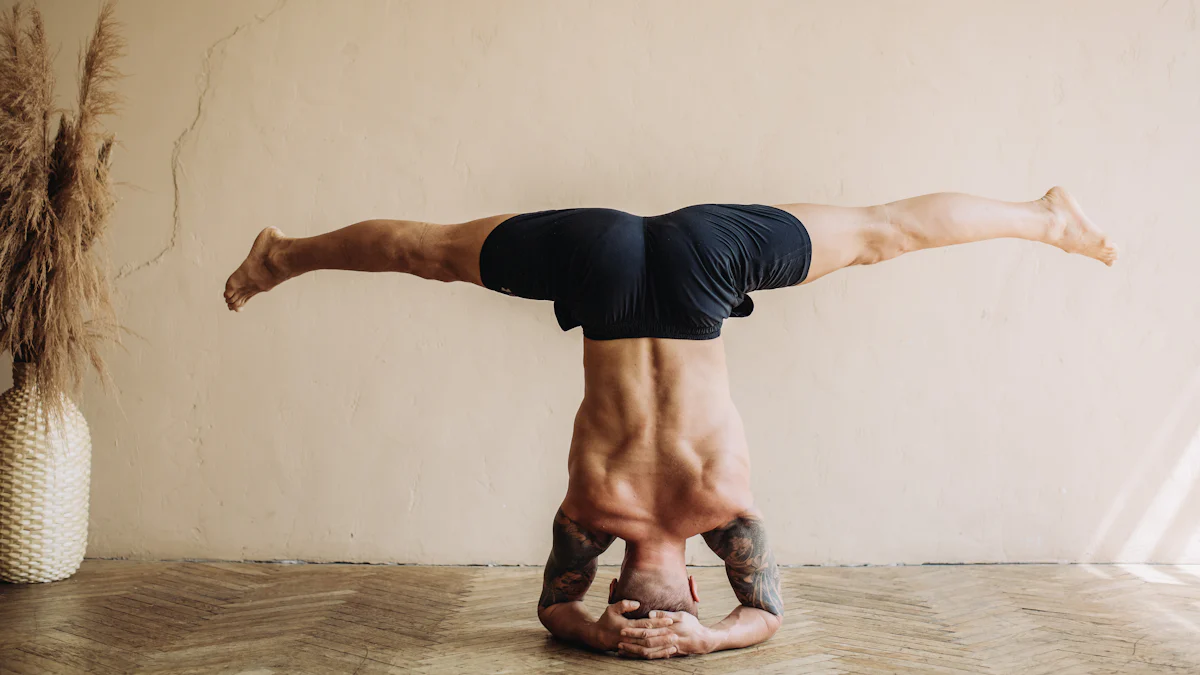
The shoulderstand pose in yoga, known as Sarvangasana, is one of the most complete and beneficial poses you can practice. This pose not only strengthens the spine, but also relaxes the nervous system and improves blood circulation. By practicing shoulderstand yoga, you experience deep mental relaxation and improve your balance and concentration. Furthermore, this pose helps relieve respiratory problems and prevent conditions such as varicose veins and constipation. Practicing it regularly can transform your physical and mental well-being.
How to Perform the Shoulderstand Pose Step by Step
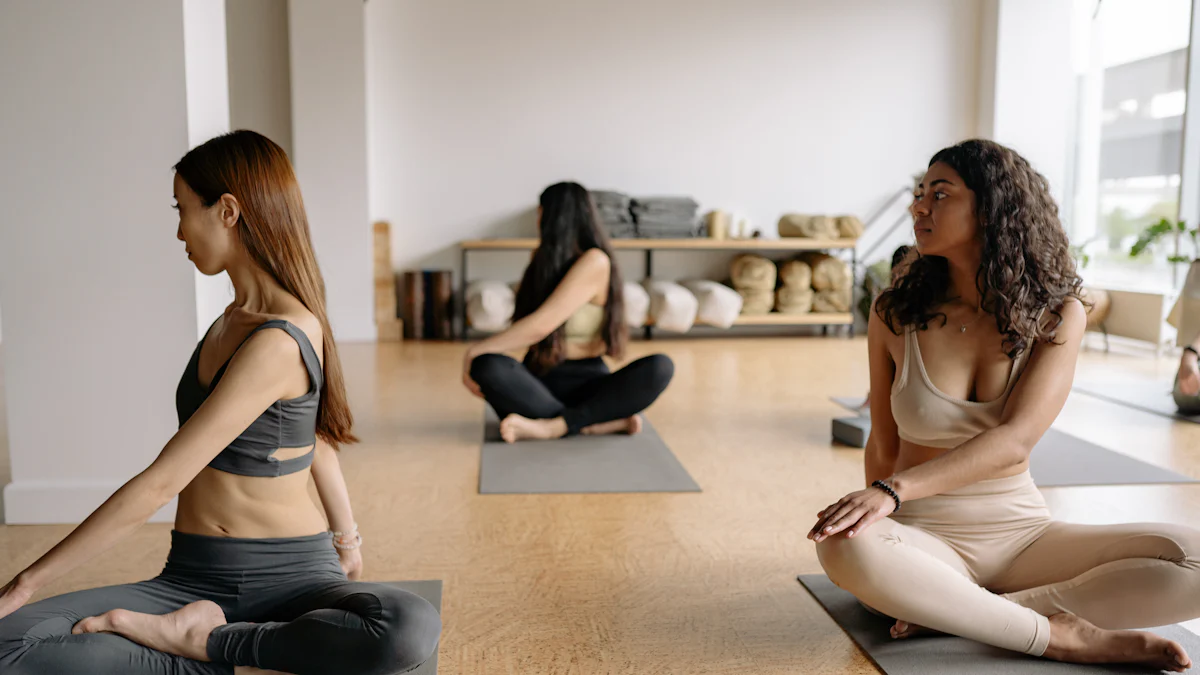
Image Source: pexels
Initial Preparation
Warm-up and Stretches
Before beginning the Shoulderstand Pose, be sure to warm up properly. Perform gentle stretches to prepare your body. You can start with neck and shoulder movements to release tension. Then, stretch your legs and back with poses like Downward-Facing Dog or Child's Pose. These initial exercises help increase flexibility and prevent injuries.
Body Positioning on the Floor
Lie on your back on your yoga mat. Keep your legs together and your arms at your sides. Relax your shoulders and ensure your back is fully supported on the floor. This starting position is crucial for achieving proper alignment during the pose.
Executing the Pose
Leg Lift
From the starting position, bring your knees toward your chest. Use your hands to support your lower back as you lift your legs toward the ceiling. Keep your legs straight and together. This movement requires control and core strength, which strengthens the abdominal muscles and improves stability.
Body Alignment and Balance
Once your legs are in the air, adjust your position so that your body weight is distributed over your shoulders, not your neck. Keep your palms on your lower back for support. Make sure your body forms a straight line from your shoulders to your feet. This alignment is essential to avoid unnecessary strain and maximize the benefits of the pose.
Completion and Rest
Safely Release the Pose
To come out of the pose, slowly lower your legs to the floor, vertebra by vertebra. Maintain control at all times to avoid any sudden movements. Once your legs are on the floor, relax your arms and rest in Corpse Pose (Savasana) for a few minutes. This process of releasing the pose is as important as the pose itself, as it protects your neck and back.
Post-Exercise Relaxation Techniques
After completing Shoulderstand, take a few moments to relax. Practice deep, conscious breathing to calm your nervous system. You can do a short meditation or simply focus on your breath. These techniques help integrate the benefits of the pose and promote a state of calm and balance.
Benefits of the Shoulderstand Pose
Practicing shoulderstand yoga offers a wide range of physical and mental benefits. By incorporating this pose into your routine, you can experience significant improvements in your overall well-being.
Physical Benefits
Strengthening the Core and Back
Shoulderstand yoga is a pose that deeply strengthens the core and back. By keeping the body aligned and balanced, you intensely work the abdominal and spinal muscles. Yoga specialists emphasize that this pose deeply stretches the muscles of the back, shoulders, and neck, which helps correct posture and strengthen the glutes and legs. This strengthening is essential for preventing injuries and improving overall posture.
Improved Blood Circulation
The inverted shoulder stand (candle pose) stimulates blood flow, benefiting various glands in the body, especially the thyroid. Being upside down activates blood circulation, which improves the condition of systems such as the circulatory, lymphatic, and nervous systems. This improved circulation also helps alleviate respiratory problems such as asthma and prevent conditions like varicose veins and constipation.
Mental Benefits
Stress and Anxiety Reduction
Regular practice of shoulder stand has a positive impact on mental health. By relaxing the nervous system and oxygenating the brain, this pose promotes mental relaxation and reduces anxiety. Yoga experts point out that the shoulder stand helps improve brain function, contributing to a state of calm and emotional balance. This stress reduction is fundamental for maintaining a healthy and focused mind.
Increased Concentration and Calm
The shoulder stand also [improves balance and concentration]. When performing this pose, you should pay attention to the muscles you are using and to the correct execution of the pose. This mindfulness not only improves your concentration but also fosters a state of inner calm. Practicing shoulder stand regularly can help you develop greater mental clarity and face daily challenges with a more serene mind.
Practical Tips to Improve Technique
Common Mistakes to Avoid
Incorrect Neck Position
When practicing the shoulder stand, you should pay special attention to the position of your neck. A common mistake is letting the weight of your body rest on your neck instead of your shoulders. This can cause strain and potential injury. B.K.S. Iyengar, a renowned yoga master, emphasizes the importance of keeping your neck aligned and relaxed. Make sure your neck is in a neutral position and that your weight is evenly distributed across your shoulders.
Poor Body Alignment
Alignment is key to getting the most benefit from the shoulder stand. A common mistake is not keeping your body in a straight line from your shoulders to your feet. This not only reduces the effectiveness of the pose but can also lead to imbalances and unnecessary strain. Focus on aligning your body correctly and use a mirror if needed to check your posture.
Tips for Practitioners of All Levels
Using Props and Modifications
Regardless of your experience level, props can be very helpful. Use blankets or cushions under your shoulders to slightly elevate them and protect your neck. If you are a beginner, you can practice the shoulder stand with the support of a wall. Place your legs against the wall for added support while working on your balance and alignment.
Gradual Progression in Practice
Patience is key in yoga. Don't rush to achieve the perfect pose. Instead, progress gradually. Start with simpler variations and increase the difficulty as you become more comfortable and confident. Marco Aguilar, in his interview with practitioners of Iyengar Yoga, emphasizes the importance of progressing step by step and listening to your body. This will help you avoid injuries and enjoy a safer and more effective practice.
Contraindications and Precautions
Situations in Which to Avoid the Pose
Neck or Back Problems
If you have neck or back problems, you should avoid the shoulder stand. This pose can put pressure on these areas, which could aggravate any pre-existing conditions. Incorrect alignment or uneven weight distribution can cause additional strain. It is crucial to prioritize the health of your spine and neck. Consult a healthcare professional before attempting this pose if you have a history of injuries in these areas.
Specific Medical Conditions
There are certain medical conditions that make the shoulder stand inadvisable. If you suffer from high blood pressure, glaucoma, or heart problems, it is best to avoid this pose. The inversion of the body can increase pressure on the head and chest, which could be harmful. Additionally, during pregnancy, it is advisable to refrain from this pose due to changes in the center of gravity and pressure on the abdomen.
General Precautions
Instructor Supervision
Practicing the shoulder stand under the supervision of a qualified instructor is highly recommended. An instructor can guide you in proper alignment and technique, ensuring you perform the pose safely. Professional guidance helps prevent common mistakes and maximize the benefits of the pose. An instructor can also offer suitable modifications based on your skill level and physical condition.
Listening to Your Body and Its Limits
It is essential to listen to your body while practicing yoga. If you feel pain or discomfort, stop immediately. Do not force the pose beyond your limits. Every body is different, and what works for others may not be suitable for you. Mindful and respectful practice of your personal limits is essential for a safe and beneficial yoga experience. Remember that the goal of yoga is holistic well-being, not perfect postures.
Variations of the Shoulderstand
Image Source: pexels
The shoulderstand, also known as Sarvangasana, is one of the most versatile asanas in yoga. You can adapt it to different skill levels, making it accessible to everyone. Here are some variations you can try depending on your experience level.
Variations for Beginners
Using a Wall for Support
For those just starting out with shoulder stand, using a wall for support is an excellent option. Place your mat near a wall and lie on your back. Lift your legs and rest them against the wall. This variation helps you maintain your balance and focus on alignment without worrying about your equilibrium. It also reduces pressure on your neck and shoulders, allowing you to safely enjoy the benefits of the pose.
Assisted Shoulder Stand
Another option for beginners is the assisted shoulder stand. You can use a folded blanket under your shoulders to slightly elevate them. This protects your neck and makes it easier to maintain proper alignment. You can also ask a friend or instructor to help you lift your legs and hold the pose. This assistance gives you confidence and allows you to focus on your breath and relaxation.
Advanced Variations
Shoulder Stand with Legs Open
If you've already mastered the basic shoulder stand, you can try the shoulder stand variation. From shoulder stand, open your legs into a "V" shape. This variation challenges your balance and flexibility and intensely works your leg and core muscles. Be sure to maintain control and alignment to avoid unnecessary strain.
Integration with Other Inverted Poses
For advanced practitioners, integrating shoulder stand with other inverted poses can be an exciting challenge. You can combine it with plow pose (Halasana) or scorpion pose (Vrischikasana). These combinations require strength, flexibility, and concentration. Practicing these advanced variations improves your balance and helps you develop greater body awareness.
The shoulder stand is known as "the queen of yoga poses" due to its positive impact on the body. By exploring these variations, you can adapt the practice to your needs and abilities, ensuring a safe and enriching experience.
The shoulder stand, known as "the queen of yoga poses," offers numerous benefits for your body and mind. Practicing it strengthens and tones key muscles such as the back, neck, legs, and arms. Furthermore, it improves your balance and proprioception. Incorporating this pose into your yoga routine will help you increase your stamina and improve your mental health. We invite you to explore variations of the shoulder stand, adapting them to your level and needs, to enrich your practice and experience its benefits safely and effectively.
See also
Everything You Need to Know About Shoulder Stand
Learn to Master Mountain Pose in Yoga
Instructions for Mastering Mountain Pose

Written by
Maria Yogalife
Maria | Yoga & Wellness Writer at YogaLife.World Maria is a passionate yoga and wellness writer at YogaLife.World, dedicated to sharing knowledge, inspiration, and practical guidance for a healthier, more balanced lifestyle. Through her articles, she explores yoga practices, meditation, mindfulness, holistic wellness, and the transformative benefits of mindful living. With an accessible and inspiring approach, Maria helps readers of all levels discover new practices, deepen their understanding of yoga, and bring greater balance, awareness, and well-being into their everyday lives.
Visit website


