

Image Source: pexels
Child's Pose, also known as Balasana, is a fundamental posture that offers numerous physical and mental benefits. This pose helps relax the lower back and relieve stress, making it an essential tool in yoga practice. Furthermore, it fosters calm and concentration, crucial aspects for any practitioner. The goal of this article is to guide you in the correct execution of the child's pose in yoga, ensuring that you can effectively integrate it into your daily routine to maximize its benefits.
How to Perform Child's Pose
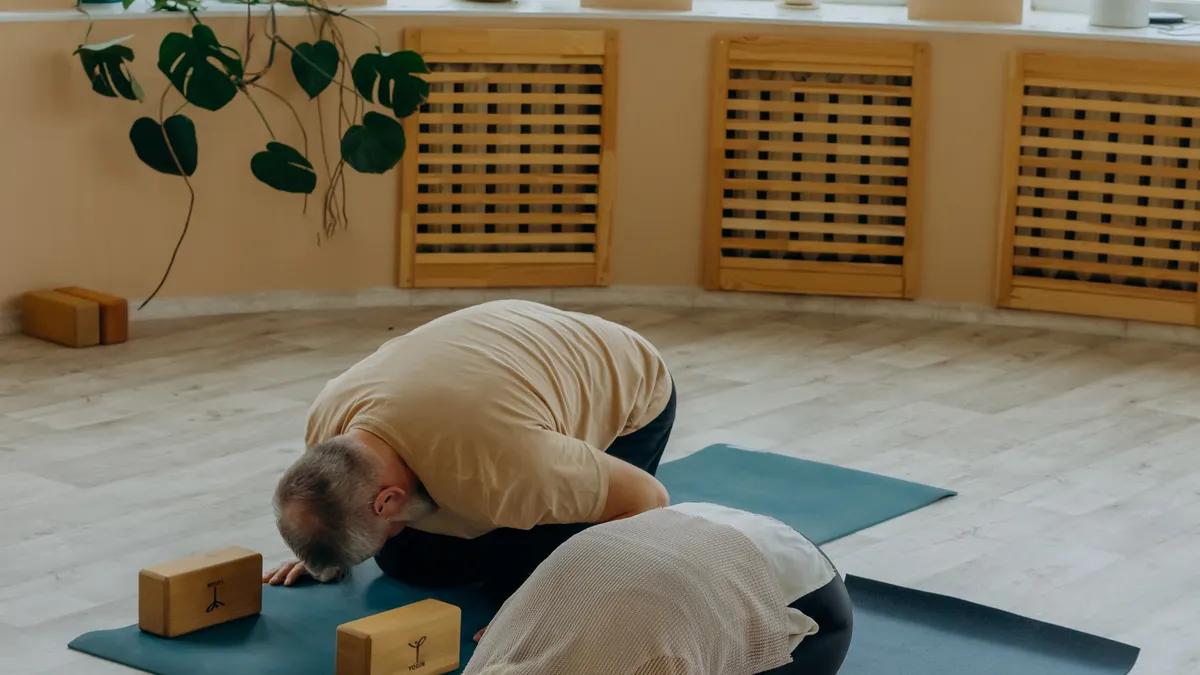
Image Source: pexels
Preparing for Child's Pose in Yoga
Before beginning the child's pose in yoga, it is essential to prepare the appropriate space and environment. A calm and distraction-free environment will help you concentrate better on your practice.
Suitable Space and Atmosphere
-
Find a quiet place: Look for a space where you can practice without interruptions. The calmness of the surroundings will contribute to your relaxation.
-
Soft lighting: Dim or natural light can create a more relaxing atmosphere.
-
Comfortable temperature: Make sure the space is at a comfortable temperature to avoid muscle tension.
Necessary Materials
-
Yoga mat: Provides a comfortable, non-slip surface.
-
Pillows or blocks: Useful for supporting your head or hips if you need more comfort.
-
Blanket: You can use it to cover yourself or place it under your knees for added support.
Steps to enter Child's Pose
Now that you have everything ready, it's time to enter Child's Pose. Follow these steps to achieve it effectively.
Starting Position
-
Kneel on the mat: Sit on your heels with your knees hip-width apart.
-
Relax your shoulders: Keep your back straight and your shoulders relaxed.
Movements to reach the pose
-
Lean forward: Bring your torso toward your thighs as you exhale.
-
Place your forehead on the floor: Extend your arms forward or place them at your sides, as you prefer.
-
Adjust your position: Make sure your buttocks remain over your heels.
Adjustments and alignment
-
Check your alignment: Your spine should be lengthened and relaxed. Avoid unnecessary tension.
-
Use supports if needed: Place a pillow under your forehead or hips for added comfort.
Maintaining the Pose
Once in Child's Pose, it's important to maintain it correctly to reap its benefits.
Recommended Duration
- Hold the pose for 3 to 5 minutes: This time is ideal for achieving deep relaxation and releasing tension in the lower back.
Breathing Techniques
-
Breathe deeply: Inhale and exhale slowly and deeply. This helps calm the mind and reduce stress.
-
Focus on your breath: Allow each breath to lead you to a state of greater relaxation.
Child's Pose not only lengthens the spine and relaxes the lower back, but also promotes calmness and concentration. By practicing it, you can experience a release of tension and a deep stretch in your shoulders, contributing to an overall sense of well-being.
Benefits of Child's Pose
Child's Pose, or Balasana, offers a wide range of benefits that encompass both physical and mental well-being. By integrating this pose into your daily practice, you can experience significant improvements in your health and emotional state.
Physical Benefits
Child's Pose is known for its positive effects on the body, especially on muscle relaxation and flexibility.
Muscle Relaxation
-
Tension Relief: By adopting Child's Pose, you allow the muscles in your lower back to relax. This helps relieve aches and accumulated tension, especially after a long day.
-
Headache Reduction: This pose helps improve blood circulation, which can alleviate headaches and promote better oxygen flow to the brain.
Improved Flexibility
-
Spinal Stretching: The child's pose gently lengthens the spine, helping to improve posture and reduce back pain.
-
Hip Opening: Holding this pose also works on opening the hips and thighs, increasing flexibility in these areas.
Mental Benefits
In addition to the physical benefits, the child's pose also has a significant impact on the mind, helping to reduce stress and promote calmness.
Stress Reduction
-
Mental Calm: By focusing on your breath while holding Child's Pose, you can achieve a state of mental calm that helps reduce stress and anxiety.
-
Emotional Balance: This pose promotes rest and emotional balance, allowing you to face daily challenges with a clearer and calmer mind.
Promoting Calm
-
Inner Connection: Child's Pose invites you to connect with yourself, creating a space for introspection and holistic healing.
-
General Well-being: By practicing this pose regularly, you can experience a sense of well-being and emotional stability, contributing to a more balanced and healthy life.
The child's pose in yoga is not only a powerful tool for the body but also for the mind. By incorporating this pose into your routine, you can enjoy a more relaxed and balanced life, improving both your physical health and emotional well-being.
Variations and Adaptations
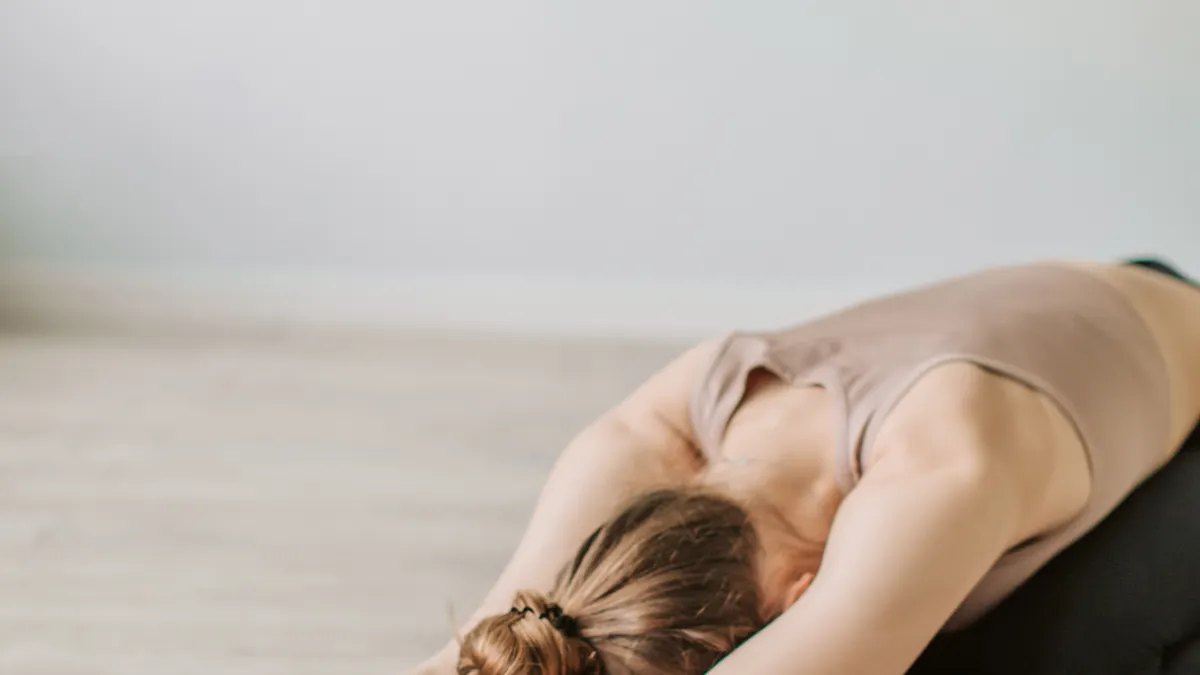
Image Source: pexels
Child's Pose, or Balasana, can be adapted to meet the needs of different skill levels. Both beginners and advanced practitioners can benefit from these variations, ensuring a comfortable and effective practice.
Variations for Beginners
For those just starting out with Child's Pose, it's important to find ways to make the pose more accessible and comfortable. Here are some suggestions:
Using Props
-
Underbelly Supports: Place a cushion or pillow under your abdomen. This provides extra support and helps you maintain the pose effortlessly.
-
Pillows Between Your Thighs: If you feel tension in your hips, place a pillow between your thighs. This makes it easier to open your hips and reduces pressure.
-
Blankets Under Your Knees: A soft blanket under your knees can relieve any discomfort in this area, allowing you to hold Child's Pose longer.
Modifications for Comfort
-
Block Under Your Forehead: If you can't reach the floor with your forehead, use a yoga block. This will help you maintain proper alignment without straining your neck.
-
Adjusting the Distance Between Your Knees: Experiment with the distance between your knees. You can open them wider for greater comfort or keep them together if you prefer a deeper stretch.
Advanced Variations
For more experienced yogis, Child's Pose can be intensified with additional movements and challenges that increase flexibility.
Incorporating Additional Movements
-
Arm Extension: Extend your arms forward, past your head. This intensifies the stretch in your back and shoulders.
-
Wrist Rotation: While holding the pose, gently rotate your wrists. This adds an element of mobility and helps release accumulated tension.
Challenges to Increase Flexibility
-
Deepening the Pose: Try bringing your chest closer to the floor. This requires greater flexibility in your spine and hips.
-
Heel Lift: Slightly lift your heels while keeping your buttocks on them. This small adjustment can increase the stretch in your ankles and calves.
Yoga expert Kamila Bielecka suggests that "Balasana can be adjusted in a variety of ways to allow for optimal comfort." This highlights the importance of adapting Child's Pose to your individual needs, ensuring a safe and beneficial practice.
By exploring these variations, you can personalize your experience with Child's Pose, ensuring it suits your skill level and personal preferences. Always remember to listen to your body and adjust the pose as needed to maximize the benefits.
Precautions and Contraindications
When practicing Child's Pose, it is essential to be aware of certain precautions and contraindications to ensure a safe and beneficial experience. Although this pose is generally safe, there are specific situations in which you should be careful.
Situations to Avoid
Previous Injuries
If you have suffered injuries to your knees, hips, or back, you should be especially careful when performing Child's Pose. People with severe knee pain may benefit from using yoga blocks to relieve pressure in this area. Placing a block under the hips or between the thighs can provide the necessary support and prevent further injury.
Specific Medical Conditions
Those with medical conditions such as hypertension, circulatory problems, or respiratory illnesses should consult a healthcare professional before incorporating Child's Pose into their practice. This pose involves a forward bend that may not be suitable for everyone. It is crucial to adapt the pose according to medical recommendations to avoid complications.
Safety Tips
Listen to Your Body
Your body is the best indicator of what is safe and comfortable. If you feel pain or discomfort while performing Child's Pose, adjust the posture or use additional supports. Do not force your body beyond its natural limits. Yoga practice should be a pleasant and relaxing experience.
Consult a Professional
Before beginning any yoga practice, especially if you have pre-existing medical conditions, it is advisable to consult with a healthcare professional or a certified yoga instructor. They can offer personalized guidance and ensure that you perform Child's Pose safely and effectively.
Note: Child's Pose is a powerful tool for relaxation and well-being, but it is always important to prioritize safety and self-care. Adapting the pose to your individual needs will allow you to enjoy its benefits without risk.
Child's Pose, or Balasana, is a powerful tool for your physical and mental well-being. By practicing it regularly, you can experience a noticeable reduction in stress and an improvement in the flexibility of your hips and spine. Incorporating this pose into your daily routine will help you start your day calmly and connect with yourself. We also invite you to explore other yoga poses that complement your practice and strengthen your body and mind. Remember that yoga is a personal journey toward balance and inner peace.
See also
Complete Kids Yoga Routine Guide
Guidelines for Coloring Yoga Poses with Children
Guidelines for Mastering Mountain Pose in Yoga
Written by
Maria Yogalife
Maria | Yoga & Wellness Writer at YogaLife.World Maria is a passionate yoga and wellness writer at YogaLife.World, dedicated to sharing knowledge, inspiration, and practical guidance for a healthier, more balanced lifestyle. Through her articles, she explores yoga practices, meditation, mindfulness, holistic wellness, and the transformative benefits of mindful living. With an accessible and inspiring approach, Maria helps readers of all levels discover new practices, deepen their understanding of yoga, and bring greater balance, awareness, and well-being into their everyday lives.
Visit website


