
Image Source: unsplash
Kids' yoga has become an increasingly popular activity. Did you know that the number of children practicing yoga increased from 3.1% to 8.4% in just five years? This practice not only improves flexibility and strength but also fosters self-esteem and calmness in children. With this guide, we'll help you establish a fun and beneficial yoga routine for kids. Get ready to discover how yoga can transform your children's lives!
Benefits of Yoga for Children
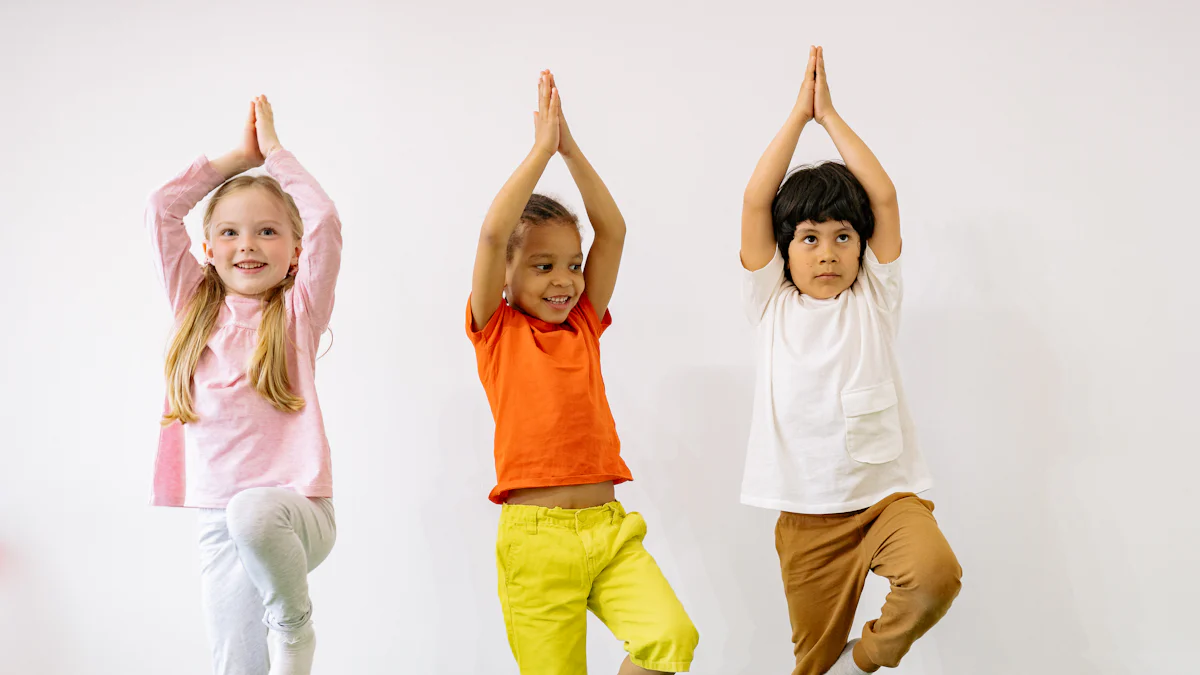
Image Source: pexels
Children's yoga offers a wide range of benefits that can transform their lives. By integrating this practice into their daily routine, you not only improve their overall well-being but also foster healthy habits from an early age.
Physical Benefits
Improved Flexibility
Yoga helps children develop greater flexibility. Yoga poses, such as butterfly or downward-facing dog, stretch and strengthen muscles. By practicing regularly, children become more agile and less prone to injury.
Strength Development
In addition to flexibility, yoga also contributes to strength development. Poses like tree or cobra require children to use their muscles to maintain balance and posture. This strengthens their bodies in a fun and safe way.
Mental Benefits
Stress Reduction
Yoga is a powerful tool for reducing stress in children. Through breathing exercises and meditation, children learn to calm their minds. This helps them better manage stressful situations in their daily lives.
Improved Concentration
The practice of yoga improves children's concentration. By focusing on maintaining a posture or following a sequence of movements, children develop their attention span. This can translate into better academic performance and a greater capacity to learn.
Emotional Benefits
Increased Self-Esteem
Yoga fosters self-esteem in children. By mastering new postures and overcoming challenges, children gain self-confidence. This confidence is reflected in other areas of their lives, helping them face new challenges with a positive attitude.
Promoting Calm
Finally, yoga promotes calmness and self-control. Children learn to be aware of their emotions and manage them constructively. This not only improves their emotional well-being but also teaches them to interact more positively with others.
Studies have shown that yoga can reduce anxiety and improve self-control in children. By practicing yoga, children not only have fun but also develop valuable skills for their future.
Practical Considerations
Appropriate Age to Start
Yoga is an activity that adapts to different ages, but it's important to consider when is the best time for children to begin.
Recommendations by Age Group
-
Children 3 to 5 years old: At this age, children can begin to familiarize themselves with yoga through games and activities that include simple postures. Sessions should be short, about 15 to 20 minutes, to maintain their attention.
-
Children 6 to 9 years old: In this age group, children can follow more complex instructions and hold poses for longer periods. Sessions can last between 20 and 30 minutes, incorporating breathing and relaxation exercises.
-
Children 10 years and older: Older children can participate in more structured yoga sessions, similar to those for adults. They can practice for 30 to 40 minutes, exploring a variety of poses and meditation techniques.
Necessary Materials
For a comfortable and safe yoga practice, it is essential to have the right materials.
Yoga Mats
A children's yoga mat is essential. It provides a comfortable, non-slip surface that helps children maintain their balance in the poses. Additionally, you can consider using blocks and straps, which facilitate access to certain poses and make the practice more accessible.
Comfortable Clothing
Appropriate clothing for children in yoga should be comfortable and flexible. This allows freedom of movement, which is crucial for children to feel at ease during the practice. Opt for garments that don't restrict movement and are breathable, so children can focus on enjoying yoga without distractions.
How to Implement a Yoga Routine for Children
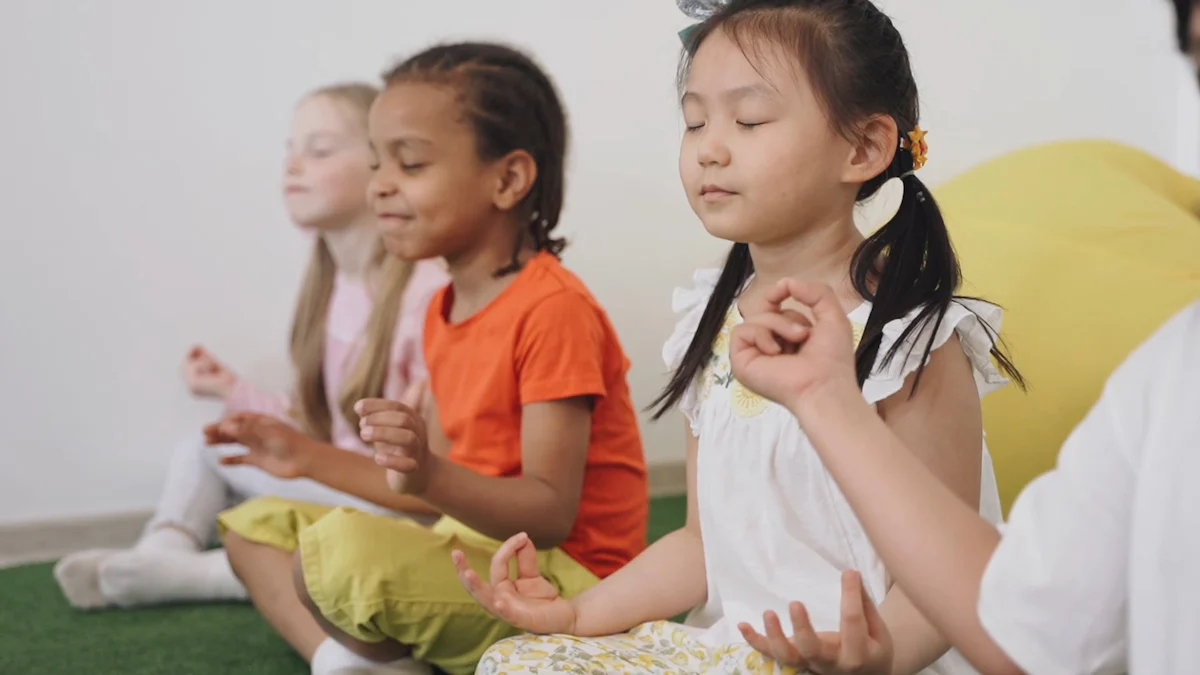
Image Source: pexels
Implementing a yoga routine for children can be an enriching experience for both you and the little ones. Here's how to structure a session and keep them engaged.
Basic Session Structure
A yoga session for children should be dynamic and adapted to their needs. Here's a basic structure you can follow:
Warm-up
Start with a gentle warm-up. You can include simple movements like arm and leg stretches. This prepares the children's bodies for the main poses and helps prevent injuries. Diana Guerrero, a children's yoga instructor, suggests that the warm-up can also include activities like coloring or modeling clay to help children stay focused.
Main Poses
Introduce yoga poses that are accessible and fun. Animal poses, such as downward-facing dog or butterfly, are ideal. These poses not only improve flexibility and strength but also make the practice more engaging for children. Remember that children's yoga is a non-competitive form of exercise where children can experience calmness and connection with their bodies.
Closing Relaxation
End the session with a moment of relaxation. You can guide the children through a short meditation or breathing exercises. This helps them calm their minds and end the session with a sense of peace and well-being.
Tips for Keeping Children Interested
Keeping children interested during yoga practice is key for them to enjoy and benefit from the routine.
Using Games and Songs
Incorporate games and songs into your children's yoga routine. This makes the practice more fun and engaging. You can create games that involve yoga poses or sing songs that children can follow along with while performing the movements. This strategy not only keeps their attention but also fosters a joyful and positive atmosphere.
Incorporating Stories
Stories are a powerful tool for capturing children's attention. You can tell a story while guiding children through the yoga poses. For example, a story about a trip to the jungle could include animal poses like the lion or the elephant. This not only makes the practice more entertaining but also stimulates children's imaginations.
Children's yoga experts emphasize that yoga provides tools for coping with stress and negative emotions, fostering emotional balance and overall well-being in children. By implementing a yoga routine for children, you not only offer them physical activity but also a space for emotional growth.
Additional Resources
To enrich children's yoga practice, you can explore a variety of resources that will make the experience more fun and educational for them. Here are some recommendations for books and digital platforms that can be very helpful.
Recommended Books
Books are an excellent way to introduce children to the world of yoga. Here are some popular titles you might consider:
-
"Yoga for Kids": This book includes illustrations inspired by yoga's traditional interest in the animal world. The instructions are simple and fun, making it a great option for introducing children to yoga.
-
"The Little Yogi": With charming stories and easy-to-follow poses, this book fosters imagination and creativity while teaching children the fundamentals of yoga.
-
"Yoga as a Family": Ideal for practicing together, this book offers activities that promote special moments between parents and children, strengthening family bonds through yoga.
The Italian Association of Yoga for Children (AIYB) emphasizes the importance of illustrations and clear instructions to capture children's interest and facilitate their learning.
Videos and Apps
Digital platforms offer an interactive and accessible way to practice yoga. Here are some useful options:
-
Cosmic Kids Yoga: This platform offers yoga videos designed specifically for children. The sessions are full of adventures and stories that keep little ones engaged and entertained.
-
Yoga for Kids: An app that provides easy-to-follow yoga routines. It includes breathing and meditation exercises that help children relax and calm their minds.
-
YouTube Kids: On this platform, you'll find a variety of channels dedicated to children's yoga. The videos are short and dynamic, perfect for keeping children's attention.
Scientific studies have shown that yoga helps children channel their energy and boost their confidence and self-esteem. Using digital resources can make this practice even more accessible and engaging for them.
Exploring these additional resources will not only enrich your children's yoga experience but also provide them with valuable tools for their personal and emotional development.
Children's yoga offers numerous life-changing benefits. By practicing yoga, children improve their flexibility, strength, and concentration. They also develop self-control and self-confidence. As experts mention, children respond remarkably well to the stimuli of yoga.
We invite you to explore more about this practice and start a yoga routine with your children. Not only will they enjoy fun moments, but they will also strengthen their physical and emotional well-being. Come and discover the world of children's yoga!
See also
Recommendations for a Successful Yoga Routine
Detailed Guide to Practicing Sama Yoga at Home
Instructions for Practicing Soul Yoga at Home

Written by
Maria Yogalife
Maria | Yoga & Wellness Writer at YogaLife.World Maria is a passionate yoga and wellness writer at YogaLife.World, dedicated to sharing knowledge, inspiration, and practical guidance for a healthier, more balanced lifestyle. Through her articles, she explores yoga practices, meditation, mindfulness, holistic wellness, and the transformative benefits of mindful living. With an accessible and inspiring approach, Maria helps readers of all levels discover new practices, deepen their understanding of yoga, and bring greater balance, awareness, and well-being into their everyday lives.
Visit website


