
Image Source: pexels
The mountain pose in yoga, known as Tadasana, is one of the most fundamental and essential poses in the practice of yoga. This pose not only serves as a foundation for many other poses, but also helps improve your body alignment and balance. By practicing Tadasana, you connect with the earth, feeling your feet firmly rooted in the ground. This not only strengthens your legs and improves your posture, but also promotes a sense of stability and mental calm. By incorporating this pose into your routine, you begin to experience its many physical and mental benefits.
What is Mountain Pose in Yoga?
Mountain Pose, or Tadasana, is one of the most basic and essential poses in yoga practice. Although it seems simple, this pose is fundamental for establishing a solid and balanced foundation in your practice.
Pose Description
Foot Position
To begin Mountain Pose, place your feet together or hip-width apart. Make sure they are firmly planted on the ground. Feel your body weight evenly distributed between both feet. This connection to the earth is crucial for maintaining balance and stability.
Body Alignment
Keep your body straight and upright. Draw your shoulders back and lift your chest. Imagine a straight line from the crown of your head to your heels. Your arms should be relaxed at your sides, with your palms facing inward. The gaze is directed forward, keeping the neck aligned with the spine. This alignment not only improves your posture, but also helps relieve tension and back pain.
History and Origin
Meaning in the Yoga Tradition
Mountain Pose has a profound meaning in the yoga tradition. It is considered the foundation of all standing poses. Practicing Tadasana helps you develop body awareness, which is essential for progressing in other asanas. This pose symbolizes stability and connection to the earth, fundamental elements in yoga philosophy.
Evolution of the Pose
Over the years, the mountain pose in yoga has evolved, but its essence remains intact. Originally, it was used to prepare the body and mind for meditation. Today, it continues to be a powerful tool for improving alignment and strengthening the body. By practicing it regularly, you can experience improved balance and coordination, making it easier to perform other, more complex poses.
The mountain pose in yoga not only tones the leg muscles, but also strengthens the core and improves blood circulation. By incorporating this pose into your daily practice, you can enjoy its many physical and mental benefits.
How to Perform Mountain Pose in Yoga
Image Source: pexels
Step-by-Step Instructions
Initial Preparation
To begin Tadasana (Mountain Pose), find a quiet space where you can focus. Stand with your feet together or hip-width apart. Make sure your feet are firmly rooted to the ground. This will help you feel stable and connected to the earth. Relax your arms at your sides and take deep breaths to center yourself.
Executing the Pose
-
Align Your Body: Keep your body straight and upright. Draw your shoulders back and lift your chest. Imagine a straight line from the crown of your head to your heels.
-
Engage Your Muscles: Gently contract your abdominal and gluteal muscles. This will help you maintain the pose and strengthen your core.
-
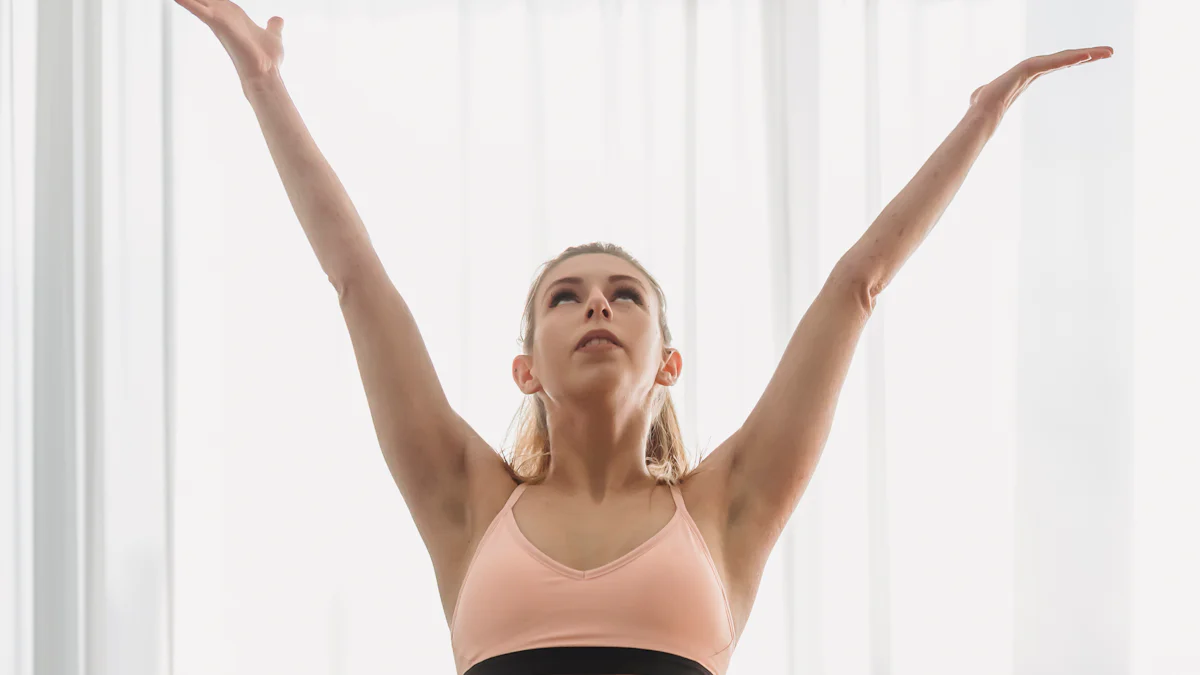
Arm Position: Extend your arms overhead, palms facing inward. Keep your shoulders relaxed and away from your ears.
-
Focus: Direct your gaze forward. Keep your neck aligned with your spine. Breathe deeply and feel your body align and strengthen.
Adjustments and Corrections
If you feel tension in any part of your body, adjust the pose. Make sure your weight is evenly distributed between both feet. If necessary, widen your stance slightly for greater stability. Remember that yoga practice is personal and every body is different.
Tips for Beginners
Common Mistakes
-
Not Aligning Your Body: Make sure your body is straight and upright. Avoid leaning forward or backward.
-
Shoulder Tension: Keep your shoulders relaxed and away from your ears. This will prevent tension from building up in your neck and shoulders.
-
Uneven Weight Distribution: Check that your weight is evenly distributed between both feet. This will help you maintain balance and stability.
Modifications for Greater Comfort
-
Foot Width: If you feel unstable, widen your stance to hip-width. This will give you a wider and more secure base.
-
Using a Wall: Practice Tadasana near a wall for added support. This is especially helpful if you are a beginner or if you have balance issues.
-
Conscious Breathing: Focus on your breath. Inhale deeply and exhale slowly. This will help you stay calm and focused during the pose.
Remember that yoga practice is a personal journey. Don't worry if you don't achieve the perfect pose right away. With time and practice, you will improve your alignment and balance.
Benefits of Mountain Pose
Physical Benefits
Posture Improvement
Practicing Mountain Pose, or Tadasana, helps correct poor posture. By keeping your body upright and aligned, you relieve tension and back pain. This pose is highly recommended by specialists for relieving symptoms related to back pain. Furthermore, practicing Tadasana improves your body's alignment, which promotes balance and stability.
Core Strengthening
Tadasana not only tones the leg muscles, but also strengthens the core. By engaging the abdominal and core muscles, you strengthen the body from the center. This steady, moderate muscle strengthening tones the ligaments and strengthens the joints. Over time, this strengthening will help you practice other standing asanas with greater ease.
Mental Benefits
Increased Concentration
Mountain Pose invites you to focus your concentration on the present moment. By holding the pose, you stabilize your breath rhythm and improve body awareness. This mindfulness helps you develop greater concentration and mental clarity. Practicing Tadasana regularly can be a stepping stone to future meditation practices.
Stress Reduction
Tadasana is an excellent pose for releasing accumulated stress in the shoulders and torso. By stretching and relaxing the muscles, you feel your body relieve tension. This pose also boosts blood circulation, contributing to an overall sense of well-being. By incorporating Tadasana into your daily routine, you can experience a significant reduction in stress and an improvement in your emotional balance.
Contraindications and Precautions
Situations to Avoid
Previous Injuries
If you have suffered injuries in the past, especially to your knees, ankles, or back, you should be careful when practicing Mountain Pose. This pose, although it seems simple, requires precise body alignment. Previous injuries can affect your ability to maintain this alignment. It is important to listen to your body and avoid any movement that causes pain or discomfort. If you feel pain, stop and adjust the pose or consult a professional.
Specific Medical Conditions
Some medical conditions can make practicing Tadasana challenging or even risky. If you have balance problems, vertigo, or conditions affecting your musculoskeletal system, you should be cautious. Also, if you suffer from high blood pressure or heart problems, consult a doctor before incorporating this pose into your routine. Safety and well-being should always be your priority.
General Precautions
Listen to Your Body
Your body is your best guide. During your yoga practice, pay attention to the signals it sends you. If you feel tension or pain, adjust the pose or take a break. Don't push yourself beyond your limits. Yoga practice should be a pleasant and safe experience. Remember that every body is different, and what works for others may not be suitable for you.
Consult a Professional
Before beginning any yoga practice, especially if you have medical conditions or previous injuries, it is advisable to consult a professional. A certified yoga instructor can offer personalized guidance and help you adapt the poses to your needs. Additionally, a doctor can provide valuable information on the precautions you should take. Consulting with professionals will help you mitigate risks and ensure a safe and effective practice.
Mountain Pose, or Tadasana, is more than just a yoga position. It's a solid foundation that connects you to the earth and inspires you to grow with the majesty of a mountain. By practicing it, you improve your alignment, strengthen your body, and calm your mind. Incorporating Tadasana into your daily routine will help you develop greater body and mind awareness. I invite you to integrate this pose into your daily yoga practice. Discover how it can transform your physical and emotional well-being!
See also
Restorative Yoga Poses Guide for Beginners
Tips for a Productive Yoga Session
Instructions for Coloring Yoga Poses with Children

Written by
Maria Yogalife
Maria | Yoga & Wellness Writer at YogaLife.World Maria is a passionate yoga and wellness writer at YogaLife.World, dedicated to sharing knowledge, inspiration, and practical guidance for a healthier, more balanced lifestyle. Through her articles, she explores yoga practices, meditation, mindfulness, holistic wellness, and the transformative benefits of mindful living. With an accessible and inspiring approach, Maria helps readers of all levels discover new practices, deepen their understanding of yoga, and bring greater balance, awareness, and well-being into their everyday lives.
Visit website


