
How to Effectively Teach Yoga to Children
Image Source: Pexels
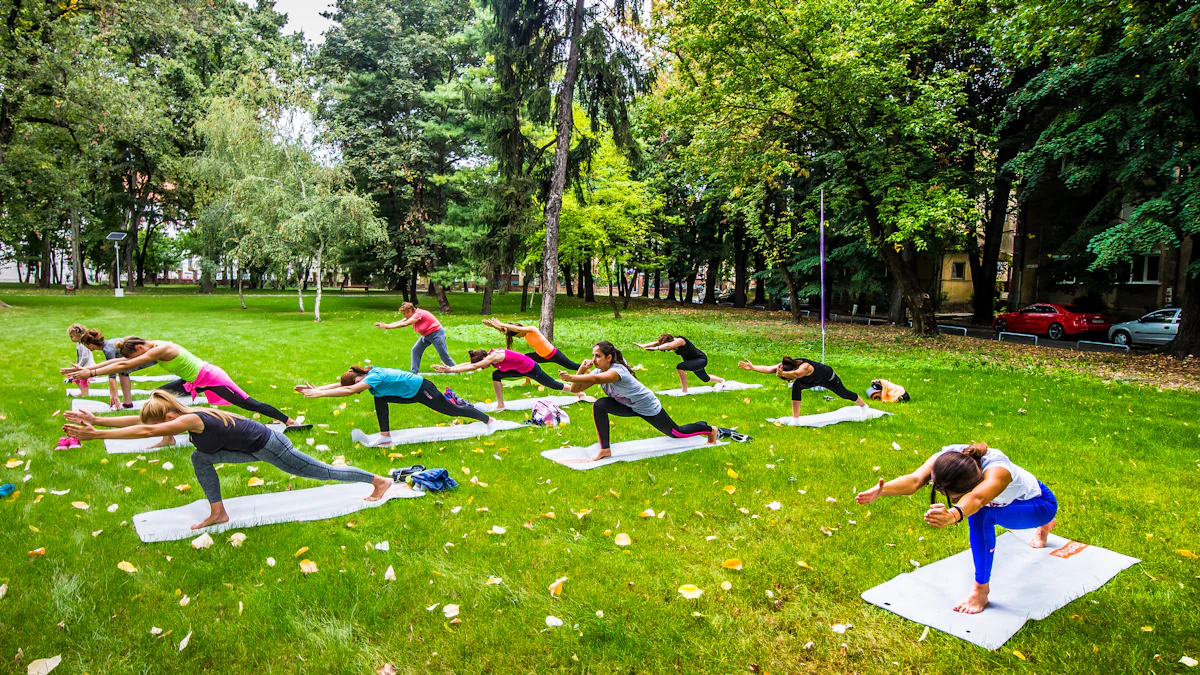
Teaching yoga to children requires adapting the techniques to their level of physical and emotional development. By doing so, you help children improve their flexibility, strength, and psychophysical balance. Furthermore, yoga fosters values such as love, respect, and inner peace. Creating an engaging and safe environment is essential to capturing their interest. A comfortable and appropriately decorated space can motivate children to actively participate. Regular yoga practice also improves concentration and reduces anxiety, benefiting children with disorders such as ADHD and autism. For those interested in delving deeper into this practice, the Yoga Mandir PDF offers useful resources and guides for teaching yoga to young children.
Benefits of Yoga for Children
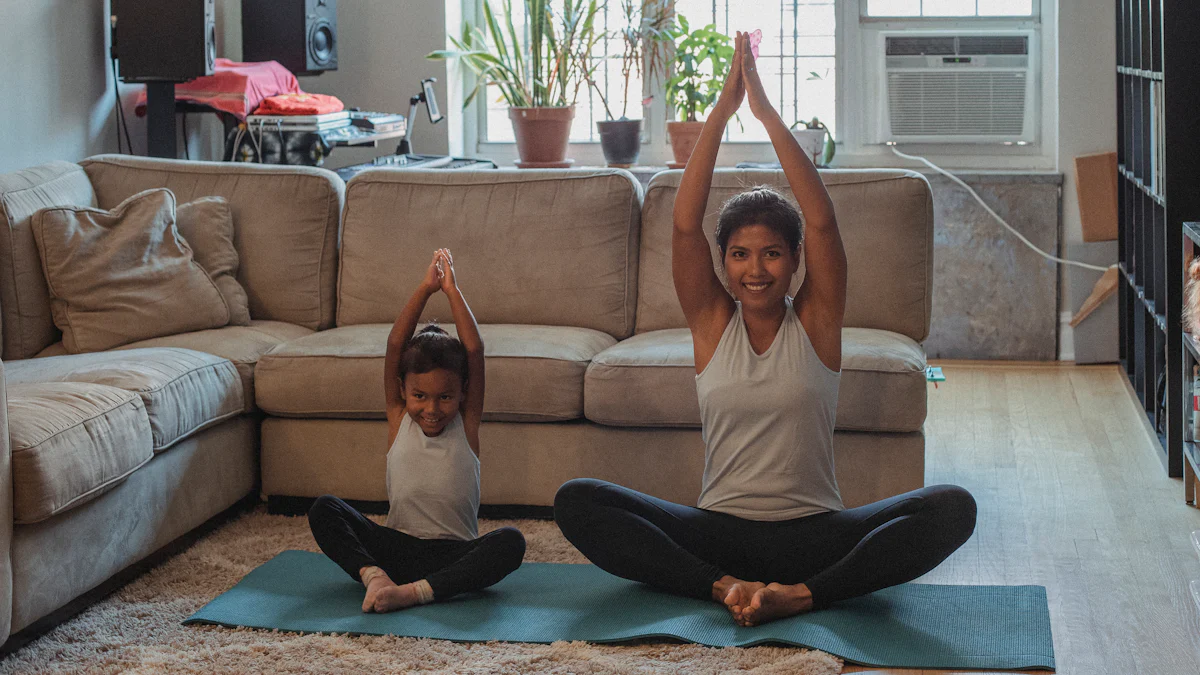
Image Source: pexels
Physical Benefits
Improved Flexibility and Strength
Yoga is an excellent tool for improving flexibility and strength in children. By practicing regularly, children develop greater mobility and elasticity in their muscles. This not only helps them perform physical activities more easily, but also prevents injuries. Furthermore, muscle strengthening contributes to healthy and balanced growth.
Development of Coordination and Balance
The practice of yoga also improves coordination and balance. Children who participate in yoga sessions learn to better control their movements, resulting in improved fine and gross motor skills. This is especially beneficial during growth spurts, as it allows them to face physical challenges with greater confidence and skill.
Mental and Emotional Benefits
Stress and Anxiety Reduction
Yoga is known for its ability to reduce stress and anxiety. Through breathing and meditation techniques, children learn to manage their emotions in a healthy way. This is particularly helpful for those who face stressful situations or have difficulty controlling their emotions. Regular yoga practice provides an effective strategy for coping with stress and promotes a calmer state of mind.
Fostering Concentration and Calmness
Yoga also fosters concentration and calmness in children. By focusing their attention on postures and breathing, children develop a greater ability to concentrate on specific tasks. This not only improves their academic performance but also helps them remain calm in challenging situations. The connection with oneself and others that is fostered through yoga contributes to overall emotional well-being.
Class Preparation
Properly preparing the environment and materials is essential for a successful yoga class with children. Here are some recommendations for creating a conducive environment and selecting the right materials.
Classroom Environment
Safe and Comfortable Space
A safe and comfortable space is essential for children to feel at ease during yoga practice. Make sure the area is free of obstacles and has enough space for each child to move freely. A soft floor or carpeting can provide a more comfortable surface for yoga poses. Additionally, maintaining a pleasant temperature in the classroom will help children concentrate better on their exercises.
Use of Music and Appropriate Decoration
Music can be a powerful tool for creating a relaxing and motivating environment. Choose soft, calming melodies that help children focus and relax. Decoration also plays an important role. Use warm colors and visual elements that inspire calm and creativity. You can include illustrations of yoga poses or motivational phrases on the walls to stimulate children's interest.
Necessary Materials
Yoga Mats and Accessories
Yoga mats are essential for providing a comfortable, non-slip surface. The Hippy Kids Yoga Box Magical Calm (https://educandoenconexion.es/hippy-kids-yoga-caja-magica-la-calma/) and the Myga Kids Yoga Mat (https://www.amazon.es/Myga-Childrens-Esterilla-Unisex-Adulto/dp/B07RXK8PFW) are excellent options. These mats not only offer cushioning to protect children's joints but also include illustrations of poses to facilitate learning. Additionally, consider having accessories such as blocks and straps on hand to help children perform the poses safely.
Visual and Auditory Resources
Visual and auditory resources can enrich the learning experience. Use posters or cards with images of yoga poses to guide children during the class. Stories and audio narratives can be a fun way to introduce new poses and concepts. You can also consult the Yoga Mandir PDF for additional guides and resources to help you plan your classes effectively.
Teaching Techniques
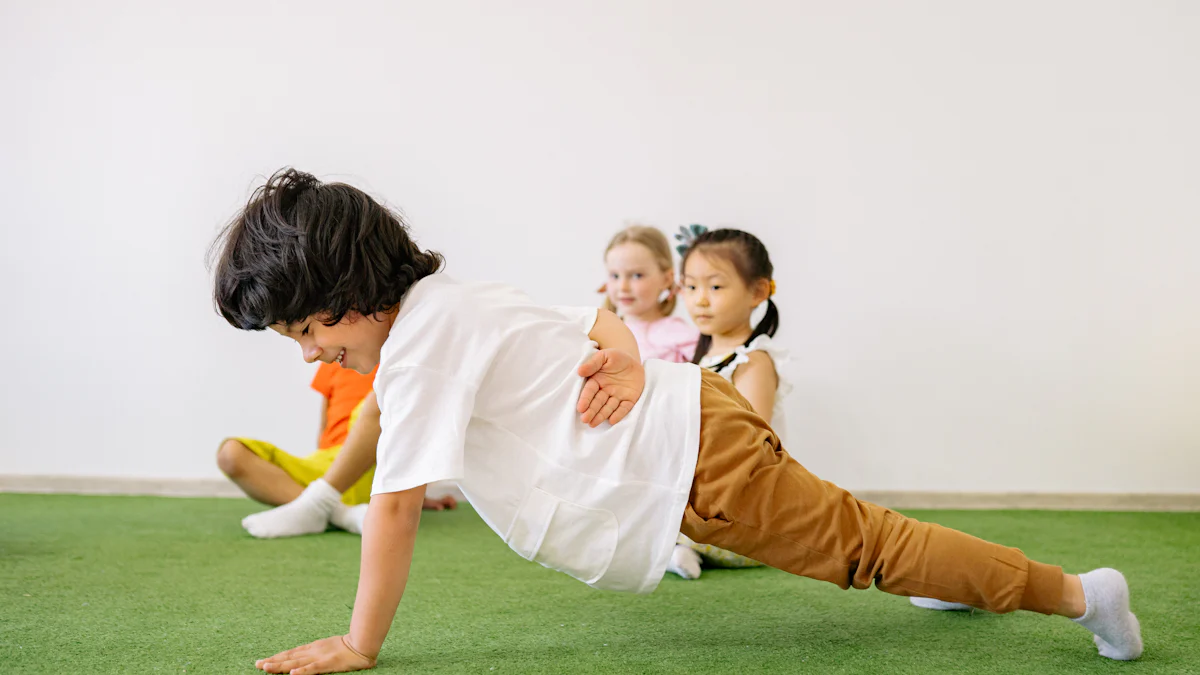
Image Source: pexels
Teaching yoga to children effectively requires creativity and adaptability. Here are some techniques that can help you capture their attention and foster their interest in practicing yoga.
Adapting Poses
Simplifying Complex Poses
When teaching yoga to children, it is important to simplify complex poses. Children can feel overwhelmed by advanced poses, so it’s essential to break them down into simpler movements. This not only makes learning easier but also boosts their confidence. By simplifying the poses, children can experience the success and satisfaction of achieving something new.
Using Fun Names and Shapes
Incorporating fun names and shapes into yoga poses can make the practice more engaging for children. For example, you can rename Downward-Facing Dog as “Happy Dog” or Tree Pose as “Dancing Tree.” This technique not only makes classes more entertaining but also helps children remember the poses more easily.
Using Games and Stories
Incorporating Interactive Games
Interactive games are a great way to keep children engaged during yoga class. You can create games that involve yoga poses, such as a relay race where each child must perform a pose before moving on to the next. These games not only encourage physical activity but also promote teamwork and cooperation.
Storytelling with a Moral
Storytelling with a moral is another effective technique for teaching yoga to children. You can tell stories that include yoga poses and important values, such as patience and kindness. By integrating stories into the class, children can learn valuable lessons while practicing yoga. This also improves their ability to manage their emotions and relate consciously to themselves and others.
Fostering Creativity
Self-Expression Exercises
Fostering creativity in children is fundamental to their emotional development. You can include self-expression exercises in your yoga classes, where children create their own poses or sequences. This allows them to explore their creativity and express their emotions in a healthy way. Furthermore, these exercises can improve memory, attention, and learning, as highlighted by Dr. Kristie Patten, assistant professor of occupational therapy at New York University.
Creating Personalized Sequences
Allowing children to create personalized yoga sequences can be an enriching experience. You can guide them to combine different poses and create a short routine. This not only fosters their creativity but also gives them a sense of ownership over their yoga practice. For more ideas and resources, you can consult the Yoga Mandir PDF, which offers helpful guides to enrich your classes.
Safety Considerations
Physical Safety
Constant Supervision
When teaching yoga to children, constant supervision is essential. You must be attentive to every movement and pose they perform. This not only ensures that the children practice safely but also allows you to correct any mistakes in real time. By being present and vigilant, you can prevent injuries and ensure that the children feel supported throughout the class.
Adapting to Individual Abilities
Every child is unique and has different physical abilities. It is important to adapt the poses and exercises to each child's individual needs. By doing so, you foster an inclusive environment where everyone can participate and enjoy yoga. You can offer variations of the poses so that each child feels comfortable and safe, thus promoting effective and personalized learning.
Emotional Safety
Creating an Inclusive Environment
Creating an inclusive environment is fundamental to children's emotional well-being. You must ensure that every child feels valued and accepted in the class. Encourage everyone's participation and celebrate individual differences. By providing an environment where children feel safe and respected, you facilitate a space for creation and discovery, as highlighted by Hippy Kids Yoga.
Fostering Confidence and Self-Esteem
Yoga can be a powerful tool for boosting children's confidence and self-esteem. Encourage children to express their emotions and creativity during practice. By acknowledging their achievements and efforts, you reinforce their self-confidence. Provide an environment where they can explore their abilities and feel proud of their progress. This not only contributes to their emotional development but also provides them with tools to be healthier and happier.
Yoga Mandir PDF
Additional Resources
Using PDF Documents and Guides to Enrich Teaching
The Yoga Mandir PDF is a valuable tool for any instructor who wants to enrich their yoga classes for children. These documents offer a variety of resources that facilitate teaching and make sessions more engaging and effective. You can find detailed guides that explain how to adapt yoga postures and techniques to the specific needs of children. Furthermore, these PDFs often include illustrations and clear descriptions that help children visualize and better understand the postures.
For example, the free PDF titled Yoga for Children: Mediation (https://www.academia.edu/71595302/Yoga_para_ni%C3%B1os_mediaci%C3%B3n_que_minimiza_la_violencia_escolar) that minimizes school violence focuses on how yoga can be a tool for reducing violence in the school environment. This document provides practical strategies that you can implement in your classes to foster a more peaceful and harmonious atmosphere.
Access to Support Materials for Instructors
The support materials available in the Yoga Mandir PDF not only benefit children but are also an invaluable resource for instructors. These documents offer advice on how to structure classes, what materials to use, and how to address different situations that may arise during practice. In addition, you can access stories and exercises that promote creativity and self-discovery in children.
One example of these resources is the PDF YOGA STORIES for CHILDREN, which offers a collection of stories designed to integrate yoga postures and important values. These stories not only capture children's attention but also teach them valuable lessons while practicing yoga. By using these materials, you can ensure your classes are educational, fun, and effective.
Adapting yoga techniques for children is crucial. By doing so, you help children manage their emotions and relate consciously to themselves and others. Incorporating these strategies into your future classes can transform children's learning experience, fostering their physical and emotional well-being. We encourage you to apply these techniques and observe the positive results in your students. Share your experiences and results with other educators. Together, we can enrich yoga teaching and contribute to children's holistic development.
See also
The Ultimate Guide to Yoga for Kids
Key Recommendations to Improve Your Yoga
Important Suggestions to Enhance Your Yoga

Written by
Maria Yogalife
Maria | Yoga & Wellness Writer at YogaLife.World Maria is a passionate yoga and wellness writer at YogaLife.World, dedicated to sharing knowledge, inspiration, and practical guidance for a healthier, more balanced lifestyle. Through her articles, she explores yoga practices, meditation, mindfulness, holistic wellness, and the transformative benefits of mindful living. With an accessible and inspiring approach, Maria helps readers of all levels discover new practices, deepen their understanding of yoga, and bring greater balance, awareness, and well-being into their everyday lives.
Visit website


