
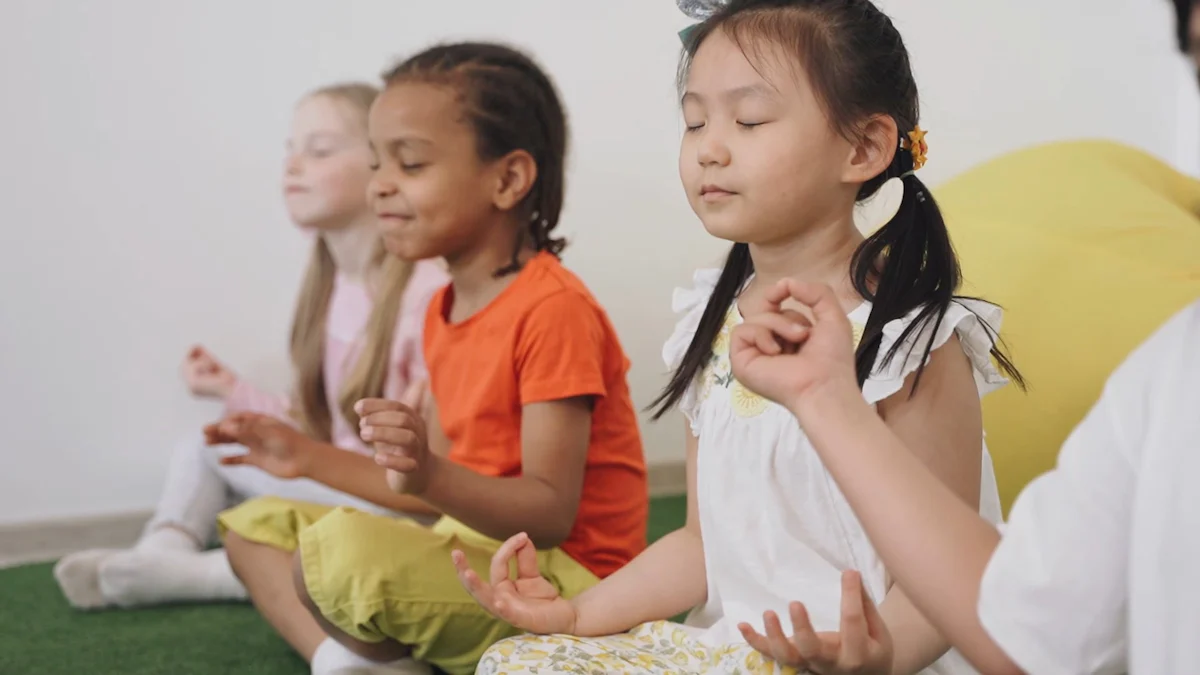
Discover the benefits of yoga for your children!
Image Source: Pexels
Yoga has captured the attention of many parents looking for enriching activities for their children. But what is yoga for children? This ancient practice is not only popular among adults, but it is also gaining ground among the little ones. Why? Because yoga offers a space where children can explore their bodies and minds in a fun and safe way. Physical activity is crucial during childhood, and yoga provides a unique way to combine movement and mental well-being. By practicing yoga, children develop flexibility, strength, and greater self-awareness, which helps them face challenges with confidence and joy.
What is Yoga for Children?
Yoga for children is an adapted practice that allows young children to explore their bodies and minds in a playful and safe way. Unlike yoga for adults, the approach here is more dynamic and fun, incorporating games and activities that capture children's attention.
Definition and Basic Concepts
Yoga for children focuses on teaching postures (asanas) and breathing techniques in an accessible and entertaining way. Children learn through stories and games, making the practice engaging and stimulating.
History and Origin of Yoga for Children
Yoga has its roots in ancient India, but its adaptation for children is a more recent phenomenon. This version of yoga has been developed to meet the specific needs of children, helping them channel their energy and develop physical and emotional skills.
Differences with Yoga for Adults
While yoga for adults often focuses on meditation and introspection, yoga for children incorporates elements of play and creativity. Sessions are shorter and designed to maintain children's interest, fostering a positive and fun learning environment.
General Benefits
Yoga for children offers a wide range of benefits that impact both their physical and emotional development.
Impact on Physical Development
Yoga improves flexibility, strength, and balance in children. Through specific postures, children strengthen their muscles and improve their coordination. This not only contributes to their physical development but also helps them adopt healthy postural habits.
Influence on Emotional Well-being
Yoga teaches children relaxation and breathing techniques that are essential for managing stress and anxiety. By practicing yoga, children develop greater self-awareness and self-esteem. This practice fosters a positive body image and helps them connect with their emotions, promoting self-confidence.
"Yoga is an excellent activity for integrating emotional, cognitive, and creative aspects in children. It helps awaken multiple intelligences, making them more creative, happy, and free."
Yoga for children is not only a physical activity but also a powerful tool for the holistic development of young children. By incorporating yoga into your children's lives, you're giving them a solid foundation for a healthy and balanced future.
Physical Benefits of Yoga for Children
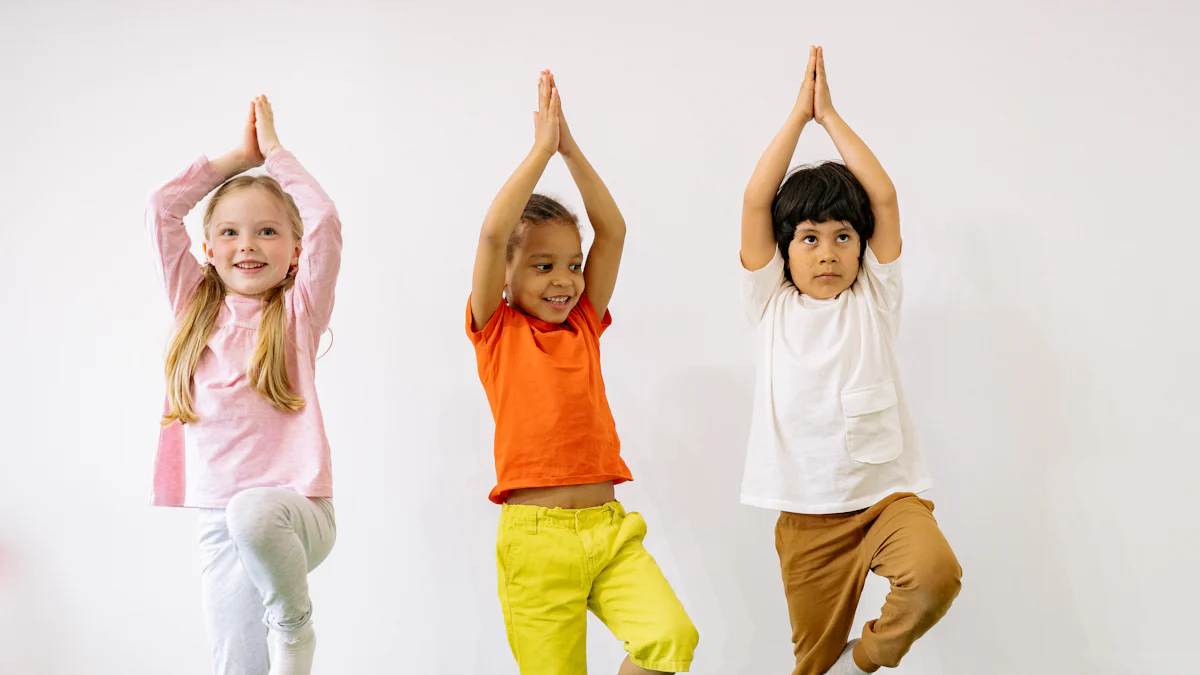
Image Source: pexels
Yoga is a powerful tool for children's physical development. By practicing yoga, children not only have fun, but they also strengthen their bodies and improve their overall health. Discovering what yoga for children is will allow you to understand how this practice can transform your children's lives.
Improved Flexibility and Strength
Yoga for children focuses on exercises that promote flexibility and strength. Through specific postures, children learn to stretch their muscles safely and effectively. This flexibility not only improves their performance in other physical activities but also prevents injuries.
Exercises that Promote Flexibility
Yoga postures, such as Downward-Facing Dog or Cat-Cow, are ideal for stretching and lengthening muscles. These postures help children develop greater elasticity, which is essential for their growth and physical development. By practicing regularly, children experience a noticeable improvement in their flexibility.
Muscle Strengthening Through Postures
Yoga also strengthens children's muscles. Poses like Warrior or Tree pose require children to maintain their balance, which strengthens their core muscles and limbs. This muscle strengthening contributes to better posture and a stronger, more resilient body.
Developing Coordination and Balance
Yoga for children is an excellent way to improve coordination and balance. By learning about children's yoga, you'll discover how these skills are fundamental to their physical and emotional development.
Poses that Improve Balance
Balancing poses, such as Tree or Eagle pose, teach children to concentrate and maintain a stable body. These poses not only improve their physical balance but also foster concentration and focus—essential skills for their daily lives.
Activities that Promote Coordination
Yoga incorporates activities that challenge children's coordination. Yoga games and sequences of postures help children synchronize their movements, improving their hand-eye coordination and their ability to perform complex tasks. This improved coordination translates into better performance in sports and school activities.
"Yoga is a practice that integrates the body and mind, promoting balanced physical and emotional development in children."
By understanding what yoga for children is and its physical benefits, you can offer your children an activity that is not only fun but also fundamental to their overall well-being. Yoga is an investment in their future health and happiness.
Mental and Emotional Benefits
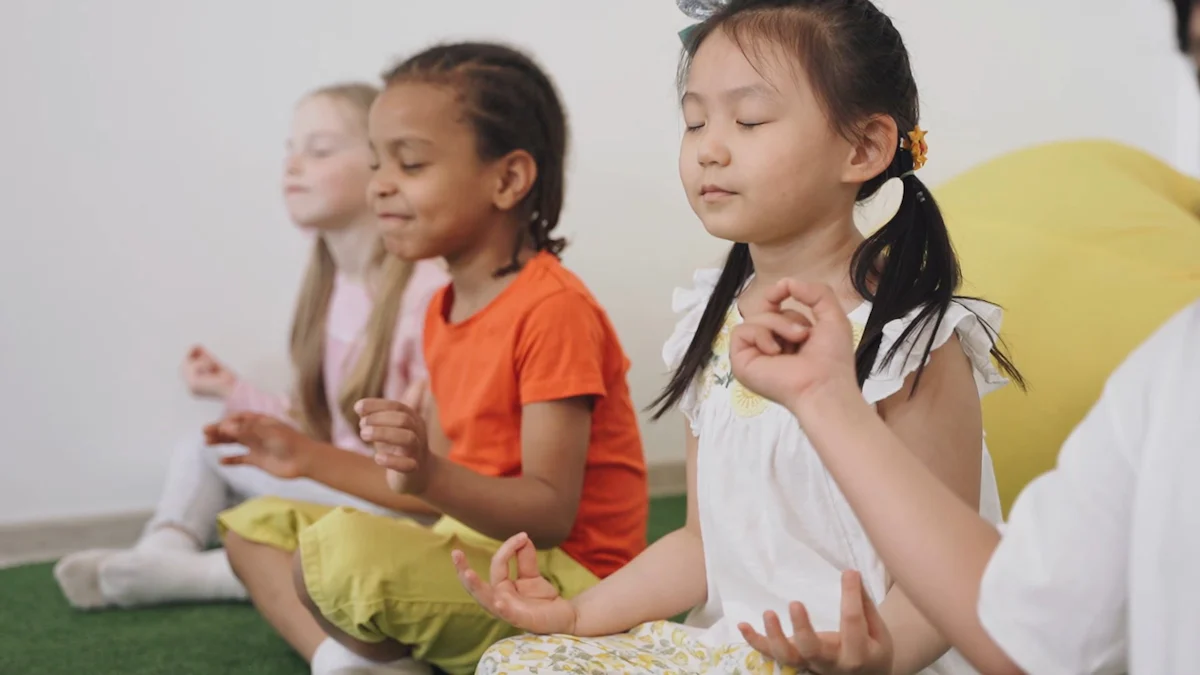
Image Source: pexels
Yoga not only strengthens your children's bodies, but it also nourishes their minds and emotions. By understanding what yoga for children is, you'll discover how this practice can transform their mental and emotional well-being.
Stress and Anxiety Reduction
Stress and anxiety aren't exclusive to adults. Children also face emotional challenges. Yoga offers effective tools to help them manage these emotions.
Breathing Techniques for Calm
Breathing techniques are fundamental in yoga. Teaching your children to breathe deeply can be life-changing. Deep abdominal breathing, known as "blowing out the candles," is a simple technique that children can easily learn. Sportium experts emphasize that these techniques are suitable for children, helping them find calm in stressful moments.
Guided Meditation for Children
Guided meditation is another powerful tool. Through stories and visualizations, children can learn to relax and concentrate. Timebooks experts point out that relaxation can reduce hyperactivity and improve concentration in children with ADHD. Meditation not only reduces stress but also fosters a sense of inner peace.
Fostering Concentration and Attention
Yoga improves concentration and attention, essential skills for academic and personal success. By understanding what yoga for children is, you'll see how these practices can benefit your kids.
Mindfulness Exercises
Mindfulness teaches children to be present in the moment. Through simple exercises, such as paying attention to their breathing or the sounds around them, children develop greater awareness of themselves and their surroundings. UOC Experts state that mindfulness improves memory, attention, and learning, making children more aware of their emotions.
Mindfulness Games
Mindfulness games are a fun way to practice mindfulness. Activities like the "silence game" or the "sensory treasure hunt" help children concentrate and improve their attention. These games are not only entertaining, but they also strengthen their ability to focus on important tasks.
"Yoga is a powerful tool for children's mental and emotional development. It teaches them to manage their emotions and concentrate on what truly matters."
By integrating yoga into your children's lives, you are providing them with valuable skills to face the world with confidence and serenity. Discovering what yoga for children is is the first step toward a more balanced and happy future.
Implementing Yoga in Children's Daily Lives
Incorporating yoga into your children's daily routine can be a transformative experience. It not only provides them with tools for physical and emotional well-being, but also teaches them valuable life skills. Here's how you can integrate yoga into their daily lives.
How to Introduce Yoga at Home
Creating a conducive environment for yoga at home is the first step for your children to enjoy this practice.
Creating a Yoga Space
Dedicate a corner of your home exclusively to yoga. You don't need much space, just a quiet place where your children can concentrate. Place a yoga mat and some cushions for added comfort. You can add elements that inspire calm, such as plants or scented candles. This space will become a sanctuary where your children can relax and connect with themselves.
Daily Yoga Routines
Establishing a daily yoga routine can be very beneficial. Start with short sessions of 10 to 15 minutes and gradually increase the time. You can include simple poses and breathing techniques that your children enjoy. Consistency is key. Practicing yoga every day, even for a short time, can make a big difference to their overall well-being.
Yoga at School and Extracurricular Activities
Yoga can also be part of your children's school life and extracurricular activities, extending its benefits to other environments.
School Yoga Programs
Many schools are incorporating yoga programs into their curriculum. These programs not only improve children's physical health but also have a positive impact on their academic performance and behavior. Amalia Gordóvil points out that yoga in schools can improve mood, reduce anxiety, and enhance children's memory. Consider speaking with your children's teachers about the possibility of implementing yoga at their school.
Yoga Classes for Children in the Community
Look for yoga classes for children in your community. These classes offer a social environment where your children can learn and practice yoga with other children. García-Conde mentions that children who regularly attend yoga classes experience an increase in self-esteem and an improvement in their overall physical fitness. Participating in these classes can be an excellent way to complement home practice and foster new friendships.
"Yoga is not only a physical activity, but a powerful tool for the holistic development of young children. By incorporating yoga into your children's lives, you are giving them a solid foundation for a healthy and balanced future."
By integrating yoga into your children's daily lives, you are giving them an invaluable gift that will accompany them throughout their lives.
Yoga for children offers a wide range of benefits that positively impact their physical, mental, and emotional development. By practicing yoga, your children improve their flexibility, strength, and balance, while also developing concentration and stress management skills.
Consider integrating yoga as a regular activity in your children's lives. This practice will not only provide them with physical well-being but will also foster their self-esteem and creativity.
We invite you to try a children's yoga class and discover how this discipline can transform your little ones' lives, giving them a healthier and more balanced future.
See also
Complete Guide to Kids' Yoga Routine
Explore the Benefits of Paddleboard Yoga
Explore the Yoga Styles That Suit You

Written by
Maria Yogalife
Maria | Yoga & Wellness Writer at YogaLife.World Maria is a passionate yoga and wellness writer at YogaLife.World, dedicated to sharing knowledge, inspiration, and practical guidance for a healthier, more balanced lifestyle. Through her articles, she explores yoga practices, meditation, mindfulness, holistic wellness, and the transformative benefits of mindful living. With an accessible and inspiring approach, Maria helps readers of all levels discover new practices, deepen their understanding of yoga, and bring greater balance, awareness, and well-being into their everyday lives.
Visit website


