
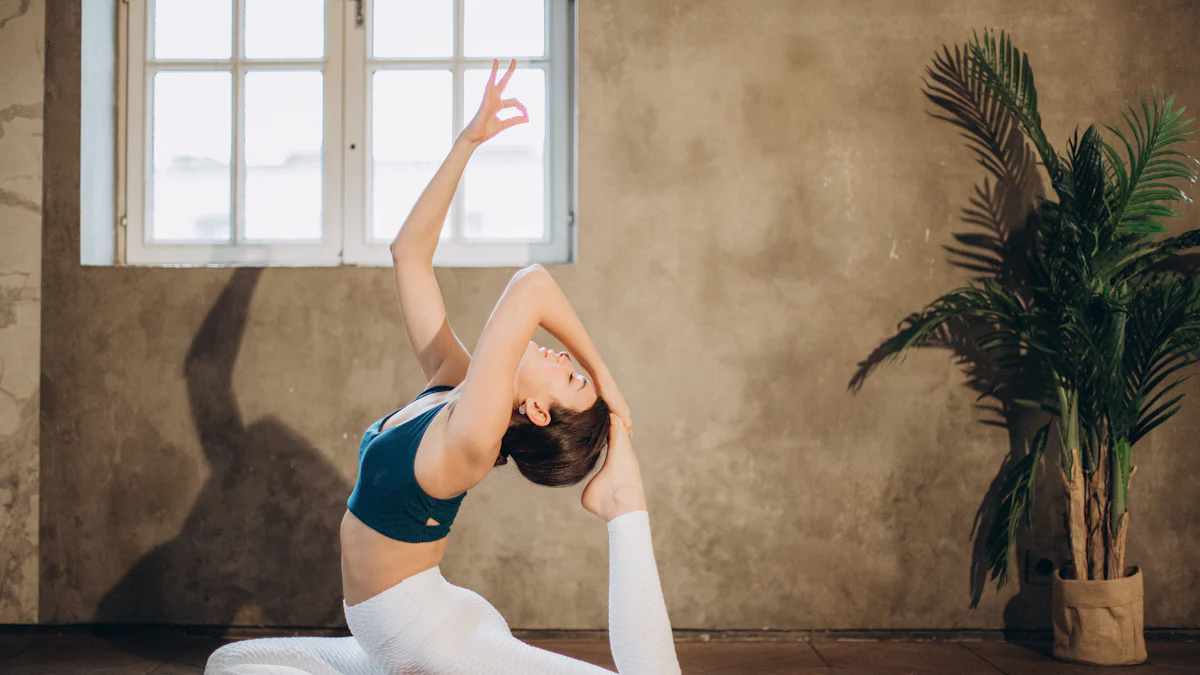
Discover the types of yoga that best suit you!
Image Source: Pexels
Yoga has gained popularity worldwide, with over 300 million practitioners in 2022. This growth reflects its ability to improve both physical and mental well-being. Choosing the right type of yoga is crucial to maximizing its benefits. Each style offers something unique, from the dynamism of Ashtanga to the serenity of Yin. By exploring the different types of yoga, you can find the one that best suits your personal needs and goals. Practicing yoga not only strengthens the body but also calms the mind, promoting holistic balance.
Types of Yoga According to Your Activity Level
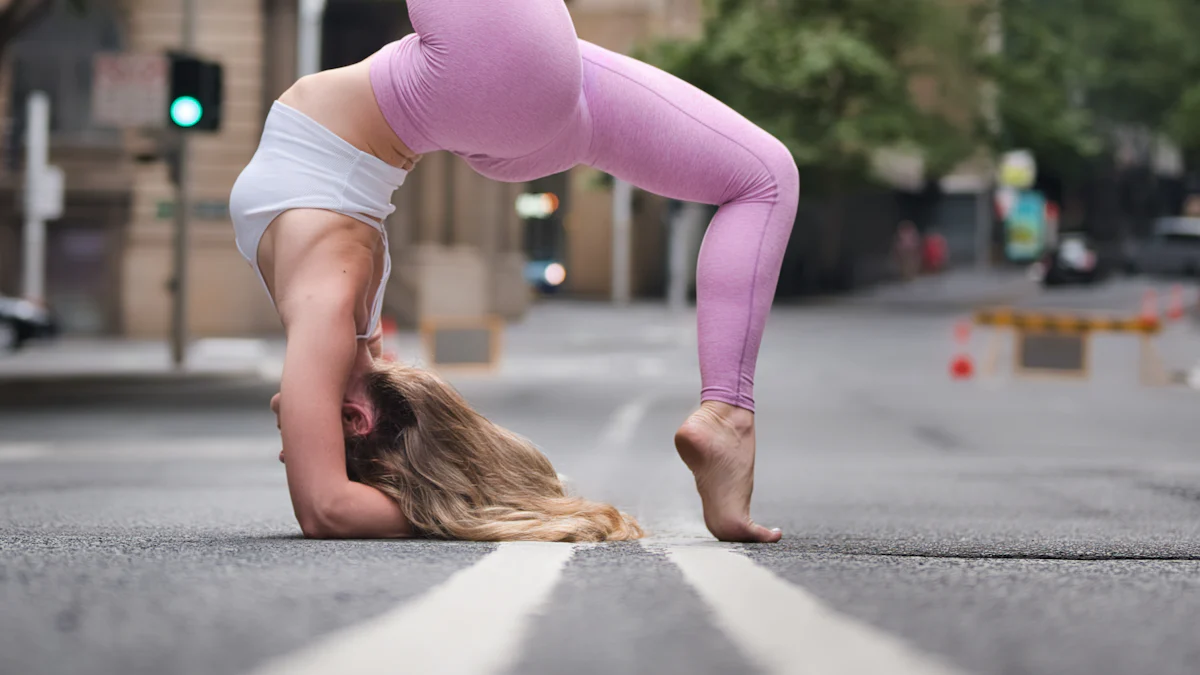
Image Source: pexels
Yoga offers a variety of styles that adapt to different activity levels. By knowing what types of yoga are available, you can choose the one that best suits your needs and preferences.
Dynamic Yoga
Dynamic yoga is ideal if you're looking for a vigorous practice that combines movement and breath. This type of yoga improves endurance and muscle strength.
Ashtanga Yoga
Ashtanga Yoga follows a fixed sequence of postures performed in a flowing manner. This style is perfect if you enjoy a structured routine. Regular Ashtanga practice can increase your flexibility and tone your body. Furthermore, studies have shown that yoga, including Ashtanga, can reduce stress and improve cardiovascular health.
Vinyasa Yoga
Vinyasa Yoga is characterized by the synchronization of breath with movement. Each pose flows into the next, creating a continuous and dynamic practice. This style is excellent for improving coordination and concentration. Practicing Vinyasa regularly can help you release tension and improve your mental well-being.
Gentle Yoga
If you prefer a more tranquil practice, gentle yoga is an excellent option. This type of yoga focuses on relaxation and the mind-body connection.
Hatha Yoga
Hatha Yoga is one of the most traditional forms of yoga. It focuses on basic postures and breathing techniques. This style is ideal for beginners who want to learn the fundamentals of yoga. Practicing Hatha Yoga can improve your flexibility and reduce anxiety, as supported by the World Health Organization.
Yin Yoga
Yin Yoga is a slow-paced style that focuses on deep stretching and muscle relaxation. Postures are held for several minutes, allowing for a deeper connection with the body. This type of yoga is beneficial for releasing accumulated stress and improving flexibility. Practicing Yin Yoga can be especially helpful for those seeking a more meditative approach.
By exploring the different types of yoga, you can find the style that best suits your physical and emotional needs. Both dynamic and gentle yoga offer unique benefits that can improve your quality of life.
Types of Yoga with a Spiritual Focus
Yoga not only focuses on physical well-being but also offers practices that delve into spirituality. These yoga styles allow you to explore a deeper connection with yourself and the universe.
Kundalini Yoga
Kundalini Yoga is a spiritual discipline that seeks to awaken kundalini energy, represented as a coiled serpent at the base of the spine. This style combines postures, breathwork, chanting, and meditation to elevate consciousness.
Characteristics and Benefits
-
Awakening of Kundalini Energy: Through repeated movements and dynamic breathing techniques, Kundalini Yoga seeks to release this spiritual energy.
-
Incorporation of Mantras and Meditation: Mantras and meditation are key elements that help you achieve a state of inner peace.
-
Emotional and Mental Balance: Practicing Kundalini Yoga regularly can improve your emotional and mental balance, promoting a sense of overall well-being.
"Kundalini Yoga perfectly combines asanas with pranayama, mudras, bandhas, and chanting, among other movements." - Yoga Experts
Bhakti Yoga
Bhakti Yoga focuses on devotion and unconditional love for the divine. This style fosters a spiritual connection through worship and mantra chanting.
Characteristics and Benefits
-
Devotion and Unconditional Love: Bhakti Yoga invites you to cultivate a loving and devoted relationship with the divine, which can bring peace and happiness to your life.
-
Chanting and Worship Practice: Through mantra chanting and worship, you can experience a profound spiritual connection.
-
Personal Transformation: This style of yoga promotes personal transformation by fostering compassion and love for others.
By exploring the different types of yoga, you can discover practices that not only strengthen your body but also nourish your spirit. Both Kundalini and Bhakti Yoga offer paths to greater awareness and spiritual connection.
Types of Yoga for Specific Benefits
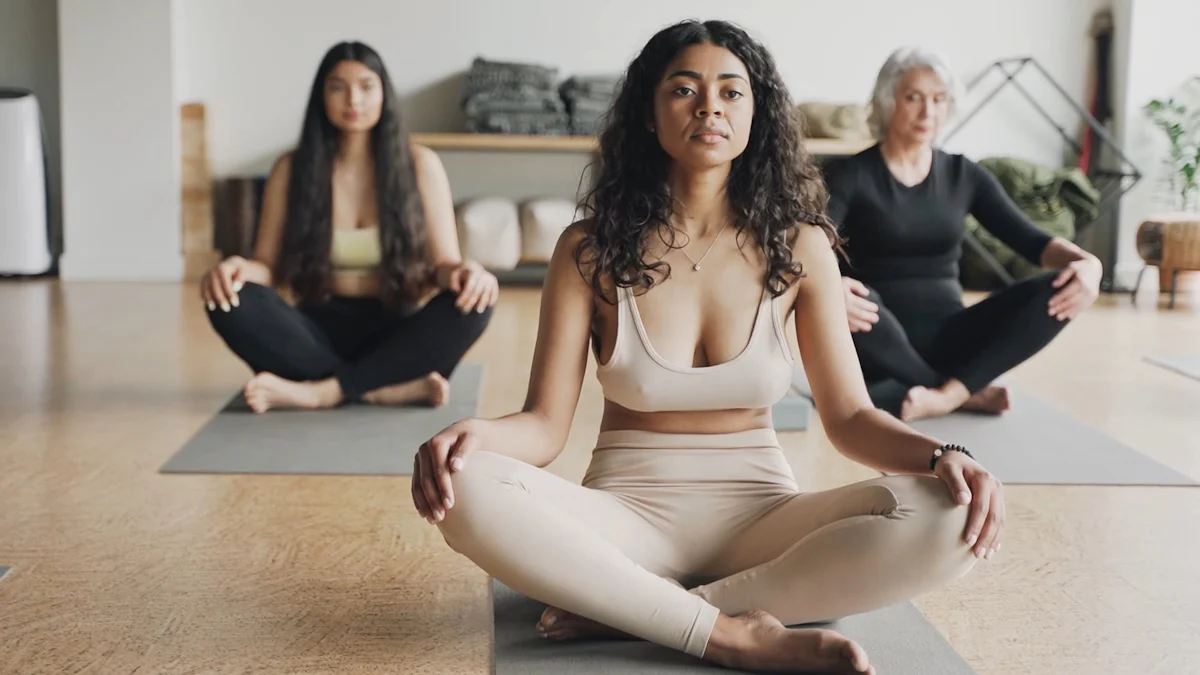
Image Source: pexels
Yoga offers styles that cater to specific needs, such as improving flexibility or promoting relaxation. By learning about the different types of yoga, you can choose the one that best suits your personal goals.
Yoga for Flexibility
Iyengar Yoga
Iyengar Yoga focuses on the precise alignment of the postures. It uses props such as blocks and straps to help you hold the poses correctly. This detailed approach is ideal if you are looking to improve your flexibility. A study on improving flexibility through yoga demonstrated that practicing certain postures can significantly increase the body's flexibility. By practicing Iyengar Yoga, you can experience greater range of motion and improved posture. This style is perfect for those who want a meticulous and safe approach to their yoga practice.
Yoga for Relaxation
Restorative Yoga
Restorative Yoga focuses on deep relaxation and the body's recovery. Postures are held for extended periods, allowing the body to fully relax. This style is ideal if you are looking to reduce stress and promote a state of calm. A study on relaxation through yoga showed that deep breathing and meditation techniques can lower cortisol levels, the stress hormone. Practicing Restorative Yoga regularly can help you release accumulated tension and improve your emotional well-being. This type of yoga is perfect for those seeking a gentle and restorative approach.
By exploring the different types of yoga available, you can find practices that align with your specific needs. Both Iyengar and Restorative Yoga offer unique benefits that can improve your quality of life and overall well-being.
Considerations When Choosing a Type of Yoga
Choosing the right type of yoga can make a big difference in your experience and the benefits you receive. Here are some important considerations to help you make the best decision.
Personal Goals
Your personal goals play a crucial role in selecting a yoga style. Reflect on what you hope to achieve through your practice.
Improving Physical Health
If your primary goal is to improve physical health, look for styles that strengthen the body and increase flexibility. Ashtanga and Vinyasa Yoga are dynamic options that can help tone muscles and improve stamina. According to surveys, many people choose these styles for their ability to provide a complete physical workout.
Spiritual Growth
For those seeking spiritual growth, Kundalini and Bhakti Yoga offer practices that deepen spiritual connection. These styles incorporate meditation and mantras, which can help you achieve a state of inner peace and emotional balance. Surveys have shown that those who practice these styles often experience a greater connection with their inner selves.
Health Conditions
Your current health status should also influence your choice of yoga. Consider any medical conditions you may have.
Previous Injuries
If you have had previous injuries, it is important to choose a style that is safe and won't aggravate your problems. Iyengar Yoga, with its focus on alignment and the use of props, can be an excellent option. This style allows you to adapt the poses to your needs, minimizing the risk of injury.
Chronic Conditions
For those with chronic conditions, such as arthritis or back problems, Restorative Yoga can offer relief. This style focuses on relaxation and recovery, allowing the body to heal effortlessly. Surveys indicate that many people with chronic conditions find restorative yoga an effective way to manage pain and improve their quality of life.
By considering these factors, you can find the type of yoga that best suits your needs and goals. Remember that yoga is a personal practice, and the most important thing is that you feel comfortable and satisfied with your choice.
Tips for Beginners
Choosing the Right Equipment
Selecting the right yoga mat is essential for a comfortable and safe practice. There are several types of mats, each with unique characteristics that cater to different needs.
-
Jute Mat: Natural and biodegradable, it offers a non-slip surface with good grip, even when wet.
-
Cork Mat: Sustainable and antimicrobial, it provides natural cushioning and insulation.
-
Cotton and Hemp Yoga Mat: Eco-friendly and absorbent, ideal for those seeking a soft texture and good cushioning for their joints.
-
Microfiber Yoga Mat: Lightweight and quick-drying, perfect for those who sweat a lot during practice.
-
EVA Mat: Flexible and durable, with excellent shock absorption properties.
-
Recycled Neoprene Mat: Eco-friendly and durable, it offers excellent cushioning and moisture resistance.
-
Natural Rubber and PU Mat: Popular among environmentally conscious yogis, it provides good grip and is easy to clean.
-
PVC Yoga Mat: Lightweight and easy to carry, ideal for taking to yoga classes.
When choosing a mat, consider your personal needs and the type of yoga you will be practicing. A good mat can enhance your experience and help you maintain balance and stability during poses.
Preparing for Your First Class
Before attending your first yoga class, it's important to know what to expect so you feel more comfortable and confident.
What to Expect
-
Class Atmosphere: Yoga classes are usually calm and relaxing. Participants are expected to respect the space and remain silent during the practice.
-
Instructor Instructions: The instructor will lead the class, providing clear instructions on how to perform each pose. Listen carefully and follow their guidance.
-
Basic Poses: In your first class, you will learn basic poses that are fundamental to yoga. Don't worry if you can't perform them perfectly at first; regular practice will help you improve.
-
Breathing and Relaxation: Breathing is a crucial part of yoga. You will learn breathing techniques that will help you relax and focus during the practice.
-
Appropriate Clothing: Wear comfortable clothing that allows you to move freely. Avoid clothing that is too tight or too loose, as this may interfere with your movements.
-
Hydration: Bring a water bottle to stay hydrated, especially if you practice more dynamic styles of yoga.
By preparing properly for your first class, you can enjoy the experience and begin your yoga journey with confidence. Remember that yoga is a personal practice, and the most important thing is that you feel good about yourself as you learn and grow.
Exploring different types of yoga allows you to discover which one best suits your needs and goals. Each style offers unique benefits, from the vigor of Ashtanga to the serenity of Yin. Trying various styles will help you find the one that resonates with you. As someone shared: "I took my first Ashtanga Mysore class and knew it was the style for me." Follow your intuition and experiment with different practices. This way, you can find the path that brings you balance and well-being in your daily life.
See also
Choosing the best yoga studio for you
Explore the benefits of SUP Yoga

Written by
Maria Yogalife
Maria | Yoga & Wellness Writer at YogaLife.World Maria is a passionate yoga and wellness writer at YogaLife.World, dedicated to sharing knowledge, inspiration, and practical guidance for a healthier, more balanced lifestyle. Through her articles, she explores yoga practices, meditation, mindfulness, holistic wellness, and the transformative benefits of mindful living. With an accessible and inspiring approach, Maria helps readers of all levels discover new practices, deepen their understanding of yoga, and bring greater balance, awareness, and well-being into their everyday lives.
Visit website


