
Image Source: pexels
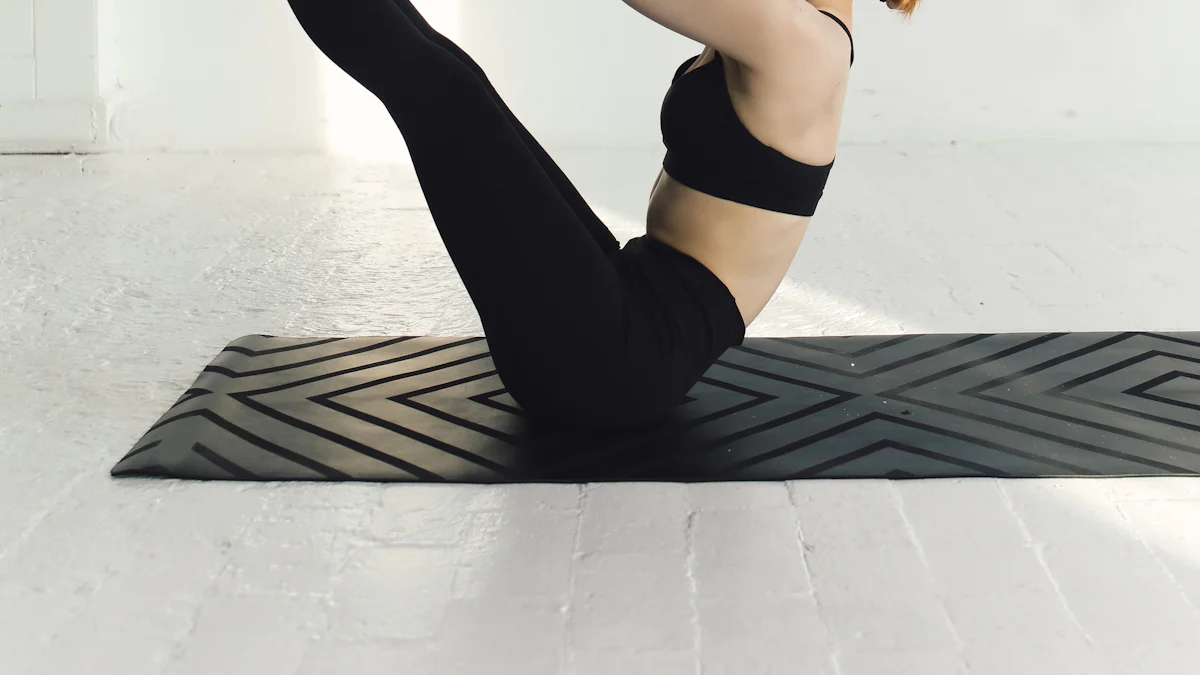
Choosing the right yoga style is crucial for beginners. With so many types of yoga available, finding the one that best suits your needs can make all the difference in your experience. Yoga offers general benefits such as improved flexibility, increased strength, and reduced stress. In addition, practicing yoga regularly can help you find mental and physical balance. Are you ready to begin your yoga journey? Discover the different kinds of yoga and find the one that inspires you to keep going!
Hatha Yoga
Image Source: pexels
Description
Hatha Yoga is one of the most popular and accessible types of yoga for beginners. It focuses on physical postures and breathing techniques, allowing you to connect your body and mind harmoniously. This style of yoga is ideal if you are looking for a more relaxed and controlled practice. Síclo Editorial Team, yoga experts, emphasize that Hatha Yoga is perfect for those who want to learn about the benefits of yoga from its foundations.
Benefits for Beginners
Hatha Yoga offers numerous benefits, especially if you're just starting your yoga journey. Here are some of the most notable:
-
Improved Flexibility: The gentle, sustained postures will help you increase your range of motion.
-
Increased Strength: Although it's a slower style, the postures require you to use your muscles, which strengthens your body.
-
Stress Reduction: The combination of breath and movement helps you relax and release accumulated tension.
-
Mind-Body Connection: It allows you to develop greater body and mind awareness.
Tips for Getting Started
If you decide to try Hatha Yoga, here are some tips to get you off to a good start:
-
Find a Good Instructor: Look for classes led by certified instructors who can guide you through the postures and correct your alignment.
-
Don't Rush: Take your time to learn each posture. Patience is key in this type of yoga.
-
Listen to your body: Pay attention to how you feel during the practice. If something doesn't feel right, adjust the pose or rest.
-
Practice regularly: Consistency is important. Try to practice at least twice a week to see improvements.
-
Keep an open mind: Each session is an opportunity to learn something new about yourself.
Hatha Yoga is just one of the many types of yoga you can explore. Each style has its own characteristics and benefits, so don't hesitate to try different types of yoga until you find the one that suits you best.
Vinyasa Yoga
Description
Vinyasa Yoga, also known as flow yoga, is a dynamic style that connects the poses smoothly and in coordination with the breath. This type of yoga offers a more active and energetic experience, ideal for those seeking a faster pace in their practice. Each movement is synchronized with an inhalation or exhalation, creating a continuous sequence that resembles a dance. This practice not only improves strength and flexibility but also promotes concentration and presence in the moment.
Benefits for Beginners
Vinyasa Yoga offers numerous benefits, especially for those just starting out:
-
Reduced Stress and Anxiety: A study published in the American Journal of Pharmaceutical Education found that college students who participated in a six-week Vinyasa Yoga program experienced a significant reduction in their stress and anxiety levels.
-
Improved Cardiovascular Fitness: According to the Journal of Sports Medicine and Physical Fitness, Vinyasa Yoga improves cardiovascular fitness, promotes weight loss, and encourages moderate physical activity.
-
Strengthening of the Cardiovascular and Lymphatic Systems: Regular practice of Vinyasa Yoga improves the functioning of these systems, contributing to better overall health.
-
Tips for Getting Started
If you decide to venture into the world of Vinyasa Yoga, here are some tips to get you started with confidence:
-
Start with beginner classes: Look for classes specifically designed for beginners. This will help you become familiar with the basic sequences and postures.
-
Pay attention to your breath: Breath is key in Vinyasa Yoga. Try to synchronize each movement with your breath to maintain the flow.
-
Don't compare yourself to others: Everyone has their own pace and level of flexibility. Focus on your personal progress and enjoy the process.
-
Use props if needed: Don't hesitate to use blocks or straps to make some postures easier. These props can help you maintain proper alignment.
-
Be consistent: Regular practice is essential to see improvement. Try to practice at least two or three times a week.
Vinyasa Yoga is an excellent option for those looking for a more dynamic and challenging practice. Over time, you'll discover how this form of yoga not only strengthens your body but also calms your mind.
Iyengar Yoga
Description
Iyengar Yoga focuses on the precise alignment of the body and the correct execution of the postures. This style was developed by B.K.S. Iyengar, who introduced the use of props such as blocks, straps, and ropes to help practitioners achieve proper alignment. This methodology allows anyone, regardless of their flexibility level or physical condition, to practice yoga safely and effectively. Focusing on alignment not only improves posture but also helps prevent injuries and maximize the benefits of each pose.
Benefits for Beginners
Iyengar Yoga offers numerous benefits, especially for those beginning their yoga journey:
-
Precise Alignment: You will learn to align your body correctly, which is essential for preventing injuries and improving posture.
-
Use of Props: Blocks, straps, and other props make the practice easier, allowing you to perform poses that might otherwise be difficult.
-
Development of Concentration: Attention to detail in each pose fosters concentration and body awareness.
-
Improved Flexibility and Strength: While the focus is on alignment, you will also work on improving your flexibility and muscle strength.
-
Accessibility: This style is ideal for people of all ages and fitness levels, as it adapts to individual needs.
Tips for Getting Started
If you decide to explore Iyengar Yoga, here are some tips to get you started with confidence:
-
Find a certified instructor: Make sure your instructor is certified in Iyengar Yoga to receive proper and safe instruction.
-
Familiarize yourself with the props: Learn how to use blocks, straps, and other props to enhance your practice and make the poses easier.
-
Focus on alignment: Pay attention to the instructor's instructions on the alignment of each pose. This is key in Iyengar Yoga.
-
Be patient: Accuracy takes time. Don't rush and allow your body to adapt to the new poses.
-
Practice regularly: Consistency is essential to see improvement. Aim to practice at least twice a week.
Iyengar Yoga is an excellent option for those seeking a detailed and accessible practice. Over time, you'll discover how this approach not only improves your posture but also strengthens your body and calms your mind.
Kundalini Yoga
Image Source: pexels
Description
Kundalini Yoga, also known as the Yoga of Awareness, focuses on raising your self-awareness and offering you [a Kundalini Yoga is an experience of your highest consciousness. This style of yoga combines physical postures, breathing techniques, meditation, and mantra chanting. Its goal is to unlock the kundalini energy that resides at the base of your spine. By practicing Kundalini Yoga, you immerse yourself in an experience that transcends the physical, leading you to a state of physical, mental, and emotional energetic balance. As experts say, the best way to understand Kundalini Yoga is to experience it for yourself.
[https://yogainternational.com/es/article/view/kundalini-yoga/?srsltid=AfmBOopb1BWCblEcFlcalnuH3ZtoYFU4r6lN07jYhLSBLZzJd_rzyIMw] ### Benefits for Beginners
Kundalini Yoga offers a number of unique benefits that can be especially valuable for beginners:
-
Spiritual Elevation: Regular practice helps you connect with your inner self and elevate your spirit.
-
Improved Energy Balance: By unlocking kundalini energy, you can experience physical, mental, and emotional balance.
-
Increased Self-Awareness: It allows you to develop greater awareness of yourself and your surroundings.
-
Stress Reduction: Breathing and meditation techniques help calm the mind and reduce stress.
-
Strengthening of the Nervous System: Kriyas and meditations strengthen your nervous system, improving your resilience to stress.
Tips for Getting Started
If you decide to venture into Kundalini Yoga, here are some tips to get you started with confidence:
-
Find an experienced instructor: Look for classes led by experienced Kundalini Yoga instructors to receive proper guidance.
-
Keep an open mind: This style of yoga may be different from what you're used to. Allow yourself to experience it without judgment.
-
Practice mindful breathing: Breath is fundamental in Kundalini Yoga. Focus on your breath to maximize the benefits.
-
Be consistent: Regular practice is key to experiencing the benefits. Aim to practice at least twice a week.
-
Use mantras: Don't hesitate to incorporate mantra chanting into your practice. These can help you center yourself and raise your vibration.
Kundalini Yoga is a powerful practice that can transform your life. Over time, you will discover how this style of yoga not only strengthens your body but also nourishes your spirit and elevates your consciousness.
Ashtanga Yoga
Description
Ashtanga Yoga is a vigorous and structured style that follows a specific sequence of postures. This method was popularized by K. Pattabhi Jois and is based on the teachings of T. Krishnamacharya. In Ashtanga, each posture flows into the next through fluid movements synchronized with the breath. This approach not only strengthens the body but also improves concentration and discipline. It is often considered a physical challenge but also offers a profound spiritual connection.
Benefits for Beginners
Ashtanga Yoga may seem intimidating at first, but it offers numerous benefits for beginners:
-
Strength and Flexibility Development: The repetitive sequences strengthen muscles and increase flexibility.
-
Improved Concentration: Regular practice fosters mindfulness and focus.
-
Discipline and Commitment: The structure of Ashtanga helps develop a disciplined routine.
-
Mind-Body Connection: Synchronizing breath with movement promotes greater body awareness.
-
Stress Reduction: Intense, focused practice helps release tension and calm the mind.
Tips for Getting Started
If you decide to embark on the Ashtanga Yoga journey, here are some tips to get you started with confidence:
-
Start with a Guided Class: Look for beginner classes where an experienced instructor can guide you through the sequences.
-
Learn Ujjayi Breathing: This breathing technique is fundamental in Ashtanga. Practice inhaling and exhaling deeply through your nose.
-
Be patient with yourself: Ashtanga can be challenging. Allow yourself to progress at your own pace and celebrate every small achievement.
-
Practice regularly: Consistency is key. Aim to practice at least three times a week to see improvement.
-
Listen to your body: Pay attention to your body's signals. If you feel pain, adjust your posture or rest.
Ashtanga Yoga is a powerful practice that can transform both your body and mind. Over time, you will discover how this style not only strengthens you physically but also offers a profound spiritual connection.
Bikram Yoga
Description
Bikram Yoga, also known as Hot Yoga, is practiced in a room heated to 40-42°C (104-108°F). This style follows a fixed sequence of 26 postures and two breathing exercises. The high temperature not only makes you sweat but also helps warm your muscles, allowing you to stretch more deeply and safely. In addition, the heat facilitates the elimination of toxins through sweat, contributing to a feeling of cleanliness and renewal. Practicing Bikram Yoga can be physically challenging, but it also offers a unique opportunity to improve your flexibility and stamina.
Benefits for Beginners
Bikram Yoga offers a number of benefits that may be especially appealing to beginners:
-
Toxin Elimination: Intense sweating helps detoxify the body, eliminating impurities and improving skin health.
-
Improved Flexibility: The heat allows muscles to relax and stretch more easily, increasing your range of motion.
-
Calorie Burning: Practicing in a warm environment speeds up your metabolism, helping you burn more calories and lose weight.
-
Stress Reduction: The combination of heat and postures can help release accumulated tension, promoting a sense of calm and well-being.
-
Muscle Strengthening: Specific postures tone and strengthen muscles, improving your overall fitness.
-
Tips for Getting Started
If you decide to try Bikram Yoga, here are some tips to get you started with confidence:
-
Stay Hydrated: Drink plenty of water before and after class to compensate for fluid loss through sweat.
-
Wear Lightweight Clothing: Opt for breathable, lightweight clothing that allows you to move comfortably and doesn't trap heat.
-
Listen to Your Body: Pay attention to how you feel during the practice. If you feel dizzy or weak, rest and breathe deeply.
-
Arrive Early: Get used to the heat of the room before class begins. This will help you adjust to the environment more easily.
-
Be Consistent: Regular practice is key to experiencing the benefits of Bikram Yoga. Aim to attend classes at least twice a week.
Bikram Yoga is a unique experience that can transform your body and mind. Over time, you'll discover how this style not only improves your physical condition but also offers a profound sense of well-being and balance.
Yin Yoga
Description
Yin Yoga focuses on passive postures held for extended periods. This style of yoga aims to work the deep connective tissues, such as ligaments, bones, and joints. Unlike other more dynamic styles, Yin Yoga invites you to relax and let gravity do its work. This practice is primarily performed on the floor and focuses on meditation and mindful breathing. By holding the postures for longer periods, you can experience a deep sense of calm and relaxation.
Benefits for Beginners
Yin Yoga offers numerous benefits, especially if you are just beginning your yoga journey:
-
Increased Flexibility: By holding postures for several minutes, the connective tissues are stretched and strengthened, improving your overall flexibility.
-
Improved Joint Health: Passive postures help lubricate the joints, reducing the risk of injury as you age.
-
Stress Reduction: The slow, meditative practice of Yin Yoga promotes deep relaxation, helping to calm the mind and release tension.
-
Energy Balance: By working with the body's meridians, Yin Yoga helps balance internal energy, promoting a sense of well-being.
-
Body Awareness: It allows you to develop a greater connection with your body and a deeper understanding of your physical limits.
-
Tips for Getting Started
If you decide to explore Yin Yoga, here are some tips to get you started with confidence:
-
Find a quiet space: Practice in a place where you can relax without distractions. A calm environment enhances the Yin Yoga experience.
-
Use props: Don't hesitate to use blocks, cushions, or blankets to support your body in the poses. These props will help you hold the poses comfortably.
-
Be patient: Holding poses for several minutes can be challenging at first. Allow yourself to feel the sensations without judgment.
-
Focus on your breath: Mindful breathing is key in Yin Yoga. Inhale and exhale deeply to maintain calm and focus.
-
Practice regularly: Consistency is essential to experiencing the benefits of Yin Yoga. Try to practice at least once a week.
Yin Yoga is a transformative practice that can enrich both your body and mind. Over time, you'll discover how this style of yoga not only improves your flexibility but also offers a profound sense of peace and balance.
Exploring different styles of yoga allows you to discover which one best suits your needs and preferences. Each style offers unique benefits, from improving flexibility to reducing stress. Don't limit yourself to just one type; try several and find the one that inspires you most. Remember, yoga is a personal journey. Begin with confidence, listen to your body, and enjoy the process. Your physical and mental well-being will thank you!
See also
Essential Yoga Poses for Beginners
Seven Easy Yoga Poses to Relieve Stress
Basic Yoga Poses to Start Today

Written by
Maria Yogalife
Maria | Yoga & Wellness Writer at YogaLife.World Maria is a passionate yoga and wellness writer at YogaLife.World, dedicated to sharing knowledge, inspiration, and practical guidance for a healthier, more balanced lifestyle. Through her articles, she explores yoga practices, meditation, mindfulness, holistic wellness, and the transformative benefits of mindful living. With an accessible and inspiring approach, Maria helps readers of all levels discover new practices, deepen their understanding of yoga, and bring greater balance, awareness, and well-being into their everyday lives.
Visit website


