
Image Source: pexels
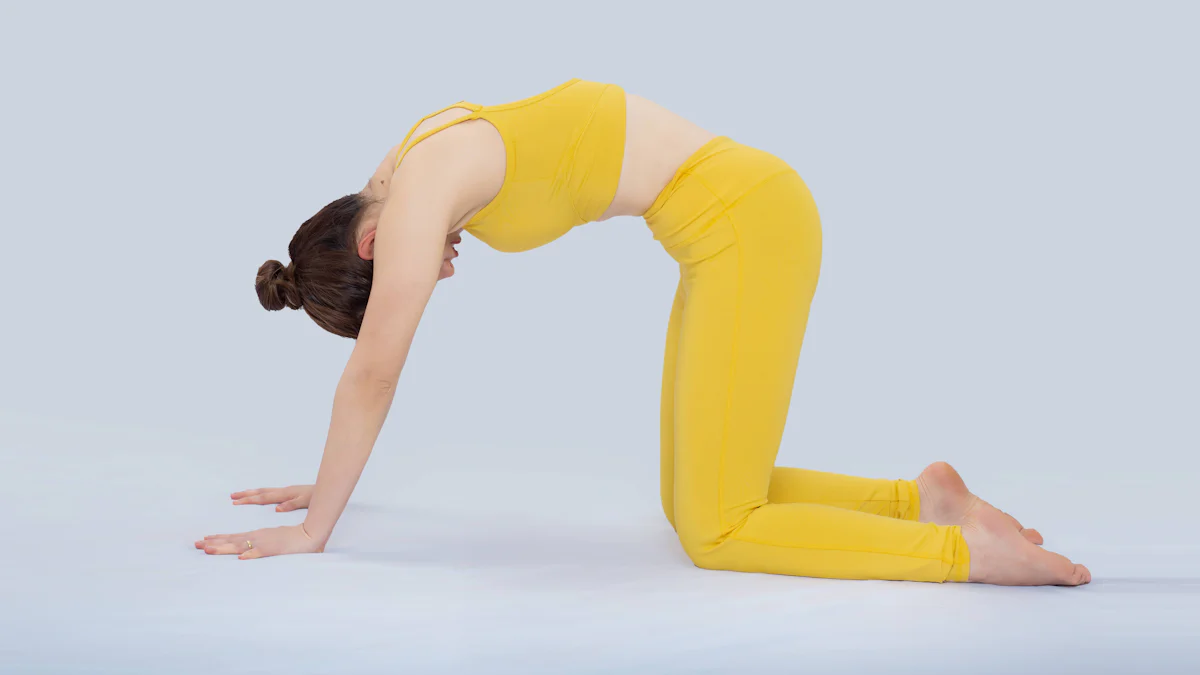
Have you ever wondered what the essential yoga moves are for beginners? Starting with basic poses is crucial. These poses help you build a solid foundation. They allow you to develop strength, balance, and flexibility safely. They also prepare you to advance in your yoga practice. By mastering these yoga moves, you'll feel more confident and comfortable on your path to physical and mental well-being. It's the first step toward a healthier, more balanced life!
Benefits of Yoga for Beginners
Physical Benefits
Yoga offers numerous physical benefits that you can experience right from the start. By practicing regularly, you'll notice an improvement in your flexibility. Yoga poses stretch and strengthen your muscles, helping you move with greater ease. Yoga also improves your posture. By properly aligning your body, you reduce your risk of back and neck pain.
Another physical benefit is increased strength. Although yoga may seem gentle, many poses require you to support your own weight. This effectively strengthens your muscles. Yoga can also improve your balance. Standing poses, such as the tree pose, teach you to maintain stability, which is essential for preventing falls.
Mental Benefits
Yoga not only benefits your body but also your mind. Practicing yoga regularly can reduce stress. By focusing on your breath and the poses, you disconnect from daily worries. This helps you find a state of calm and relaxation.
In addition, yoga improves concentration. By keeping your attention on each movement, you train your mind to focus better on other areas of your life. Yoga also fosters self-awareness. By connecting with your body and mind, you develop a greater understanding of yourself and your emotions.
Finally, yoga can increase your sense of well-being. By combining physical and mental benefits, you feel more balanced and at peace with yourself. This contributes to a happier and healthier life.
Preparing for Practice
Necessary Equipment
To begin your yoga practice, you need a few basic items. Don't worry, you don't need to invest a lot. Here's a list of the essentials:
-
Yoga Mat: Provides a comfortable, non-slip surface. It helps you maintain your balance and protects your joints.
-
Comfortable Clothing: Opt for clothing that allows you to move freely. Choose breathable fabrics to keep you cool.
-
Yoga Blocks: Useful for improving alignment and making certain poses easier. They are especially beneficial for beginners.
-
Yoga Strap: Helps you achieve and maintain poses that require flexibility. It's an excellent tool for progressing safely.
With these elements, you'll be ready to begin your yoga practice with confidence.
Suitable Space
The place where you practice yoga influences your experience. Look for a quiet, distraction-free space. Here are some tips for creating a conducive environment:
-
Sufficient Space: Make sure you have room to move around freely. You can practice in a room or outdoors.
-
Soft Lighting: Natural light is ideal, but if that's not possible, use soft lighting to create a relaxing atmosphere.
-
Suitable Temperature: Keep the space at a comfortable temperature. Not too cold and not too hot.
-
Minimal Decoration: A clear environment helps maintain concentration. Avoid excessive objects that might distract you.
A suitable space will allow you to immerse yourself in your practice and enjoy its benefits.
Right Mindset
The mindset you bring to yoga is crucial. Here are some guidelines for cultivating the right attitude:
-
Patience: Progress in yoga takes time. Don't get frustrated if you don't achieve a pose immediately. Consistent practice is key.
-
Acceptance: Accept your current limitations. Every body is different, and yoga is a personal journey.
-
Mindfulness: Focus on the present moment. Let go of worries and concentrate on your breath and movements.
-
Commitment: Establish a regular practice schedule. Consistency will help you see improvements and enjoy yoga more.
With the right mindset, your yoga practice will become an enriching and transformative experience.
Essential Yoga Movements
Image Source: pexels
Mountain Pose (Tadasana)
Mountain Pose, or Tadasana, is the starting point for many yoga movements. It helps you establish a solid foundation and improve your posture. To perform it, stand with your feet together and your arms at your sides. Keep your weight evenly distributed on both feet. Lengthen your spine and relax your shoulders. Imagine a string pulling the top of your head toward the sky. This pose teaches you to be present and connect with your breath. Practicing Tadasana regularly improves your balance and prepares you for more advanced poses.
Downward-Facing Dog Pose (Adho Mukha Svanasana)
Downward-Facing Dog, also known as Adho Mukha Svanasana, is one of the most popular yoga poses. This pose strengthens the arms and legs while stretching the spine. Begin on all fours. Lift your hips toward the ceiling, forming an inverted "V" with your body. Keep your hands and feet firmly on the floor. Relax your head between your arms and look down at your legs. This pose relieves tension in the back and improves circulation. It is also excellent for calming the mind and reducing stress.
Warrior I Pose (Virabhadrasana I)
Warrior I Pose, or Virabhadrasana I, is a powerful pose that increases strength and focus. To perform it, step forward with your right foot, keeping your left foot back. Bend your right knee while keeping your left leg straight. Raise your arms overhead, palms facing each other. Keep your gaze forward and feel the energy flow through your body. This pose strengthens your legs and improves stability. It also helps you develop confidence and determination in your yoga practice.
Tree Pose (Vrksasana)
The Tree Pose, or Vrksasana, is a yoga movement that challenges your balance and concentration. To begin, stand upright with your feet together. Then, bring your right foot to the inside of your left thigh. If you find this difficult, you can place your foot on your calf, but avoid your knee. Bring your palms together in front of your chest in prayer position. Fix your gaze on a single point to maintain your balance. This pose strengthens your legs and improves stability. It also helps you develop a sense of calm and focus. Practicing the Tree Pose regularly will allow you to feel more centered and confident in your yoga practice.
Child's Pose (Balasana)
Child's Pose, also known as Balasana, is a yoga movement that offers deep and relaxing rest. Begin by kneeling on the floor. Then, sit back on your heels and extend your arms forward, lowering your torso until your forehead touches the floor. Keep your arms extended or place them along your sides. This pose relieves tension in the back and shoulders. It also promotes relaxation and introspection. It is ideal for resting between more demanding poses. By incorporating Balasana into your practice, you will find a haven of tranquility and renewal.
Tips for a Safe Practice
Recommendations to Avoid Injuries
Practicing yoga safely is essential to enjoying its benefits without risk. Here are some recommendations to avoid injuries:
-
Listen to your body: Pay attention to the signals your body sends you. If you feel pain, stop and adjust the pose. Yoga shouldn't cause pain, only slight discomfort when stretching.
-
Warm up properly: Before starting your practice, do a gentle warm-up. This prepares your muscles and joints for exercise, reducing the risk of injury.
-
Use props: Don't hesitate to use blocks, straps, or cushions. These props help you maintain proper alignment and perform the poses more comfortably.
-
Gradual progression: Don't attempt advanced poses right away. Start with the basics and progress at your own pace. Patience is key to avoiding injury.
-
Consult a professional: If you have any medical condition or previous injury, consult a certified yoga instructor. They can guide you on safe adaptations for your practice.
Improving Technique
Improving your yoga technique will allow you to enjoy the practice more and achieve better results. Here are some tips:
-
Focus on your breath: Breathing is essential in yoga. Inhale and exhale deeply, synchronizing your breath with the movements. This helps you stay calm and improves concentration.
-
Maintain alignment: Make sure your body is properly aligned in each pose. This not only prevents injuries but also maximizes the benefits of each movement.
-
Practice regularly: Consistency is key to improving in yoga. Set a regular schedule and commit to practicing, even if it's just for a few minutes a day.
-
Watch the experts: Watch videos or attend classes with experienced instructors. Observe how they perform the poses and try to replicate their technique.
-
Be aware of your limits: Don't compare yourself to others. Every body is unique and progresses at its own pace. Accept your limitations and work on overcoming them little by little.
By following these tips, you can enjoy a safe and effective yoga practice, improving both your technique and your overall well-being.
In summary, you've learned about essential yoga movements for beginners. These poses not only improve your strength and flexibility but also promote mental well-being. By integrating these practices into your daily routine, you'll experience a positive transformation in your life.
"Yoga is the practice of quieting the mind." - Patanjali
Start today. Dedicate a few minutes each day to these poses. You'll notice how your body and mind feel more balanced and at peace. The path to a healthier life is within your reach!
See also
Basic Yoga Poses for Beginners
Three Easy Yoga Poses for Beginners
Introduction to Restorative Yoga Poses

Written by
Maria Yogalife
Maria | Yoga & Wellness Writer at YogaLife.World Maria is a passionate yoga and wellness writer at YogaLife.World, dedicated to sharing knowledge, inspiration, and practical guidance for a healthier, more balanced lifestyle. Through her articles, she explores yoga practices, meditation, mindfulness, holistic wellness, and the transformative benefits of mindful living. With an accessible and inspiring approach, Maria helps readers of all levels discover new practices, deepen their understanding of yoga, and bring greater balance, awareness, and well-being into their everyday lives.
Visit website


