
Guide to Coloring Yoga Poses with Children
Image Source: pexels
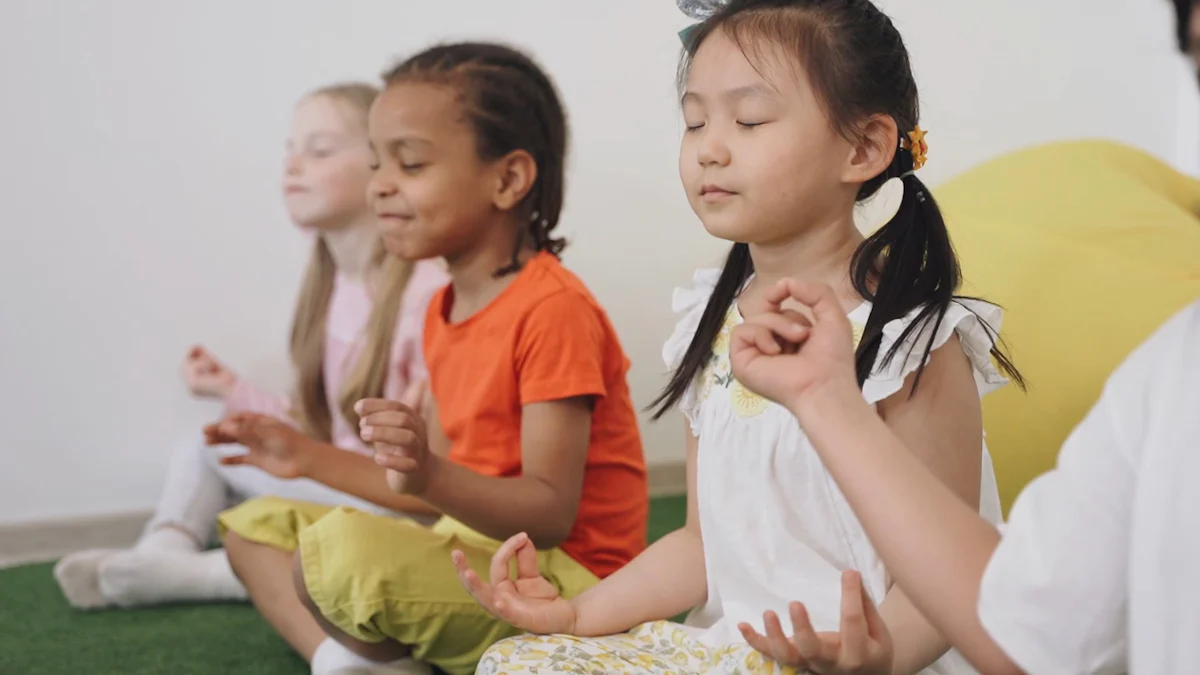
The combination of yoga and art offers a unique way to stimulate creativity and well-being in children. By using yoga poses to color, little ones not only have fun but also learn about the asanas in a visual and practical way. This activity helps them develop artistic skills while becoming familiar with the poses. Furthermore, yoga improves attention, memory, and self-esteem, and reduces anxiety. Thus, by integrating art and yoga, you foster a positive and enriching learning environment for children.
Benefits of Yoga for Children
Yoga offers numerous benefits for children, helping them grow in a healthy and balanced way. Let's explore how this practice can positively impact their physical, mental, and emotional development.
Physical Development
Yoga is an excellent way to improve children's physical health. Here's how:
Improved Flexibility
Yoga includes a variety of postures that stretch and strengthen muscles. By practicing regularly, children can increase their flexibility, which helps them prevent injuries and move more easily. Good flexibility also contributes to better posture and body alignment.
Muscle Strengthening
Yoga poses also require children to use their own body weight to build strength. This not only strengthens muscles but also improves endurance and balance. A strong and balanced body is essential for overall physical well-being.
Mental Development
Yoga benefits not only the body but also the mind. Here's how:
Increased Concentration
During yoga practice, children learn to focus on their breathing and the poses. This mindfulness can improve their ability to concentrate in other areas of their lives, such as at school or during extracurricular activities. Concentration is a valuable skill that will help them throughout their lives.
Stress Reduction
Yoga teaches children relaxation techniques and mindful breathing. These tools are effective in reducing stress and anxiety, allowing them to better manage difficult situations. A child who knows how to relax can face challenges with more calm and confidence.
Emotional Development
The impact of yoga on children's emotional well-being is significant. Here's why:
Fostering Self-Esteem
Practicing yoga helps children feel more self-assured. By mastering new postures and techniques, they experience a sense of accomplishment that boosts their self-esteem. Self-confidence is essential for healthy emotional development.
Promoting Calm
Yoga promotes a state of calm and relaxation. Children who practice yoga regularly tend to be calmer and more emotionally balanced. This inner peace allows them to interact more positively with others and face the world with a serene attitude.
A substantial body of research has shown that yoga can improve attention, memory, self-esteem, academic performance, and classroom behavior, and can even reduce anxiety and stress in children.
Incorporating yoga into children's lives is an investment in their overall well-being. Are you ready to try it with them?
How to Introduce Yoga to Children
Introducing yoga to children can be an enriching and fun experience. Here are some ideas for doing it effectively.
Creating an Engaging Environment
To motivate children to practice yoga, it's important to create an environment that is appealing and welcoming.
Suitable Space
Choose a spacious and safe area where children can move freely. Make sure the area is free of obstacles and has a comfortable surface, such as a yoga mat or rug. A clean and tidy environment helps children concentrate better during practice.
Colorful Materials
Use colorful and eye-catching materials to capture children's attention. You can include brightly colored yoga mats, cushions, and yoga blocks. You can also decorate the space with illustrations of yoga poses or inspirational images. Vibrant colors and attractive visuals make yoga more exciting for little ones.
Games and Activities
Yoga can be even more fun if you combine it with games and creative activities.
Incorporating Stories
Tell stories while children practice yoga. You can tell stories that include characters performing yoga poses, such as animals or superheroes. This not only makes the practice more entertaining but also fosters imagination and empathy in children. During practice, listening to stories helps develop compassion and empathy in children.
Using Music
Music can transform the yoga experience into something magical. Choose soft, relaxing melodies to accompany your yoga sessions. You can also use children's songs that include instructions for yoga poses. Music helps children relax and focus better on their breathing and movements.
"Yoga teaches children relaxation techniques, such as deep breathing and meditation, which can help them reduce stress and anxiety and improve their ability to relax."
By introducing yoga to children in a creative and engaging way, you not only promote their physical well-being but also their emotional and mental development. Try these ideas and see how children enjoy and benefit from this wonderful practice!
Yoga Pose Coloring Activities
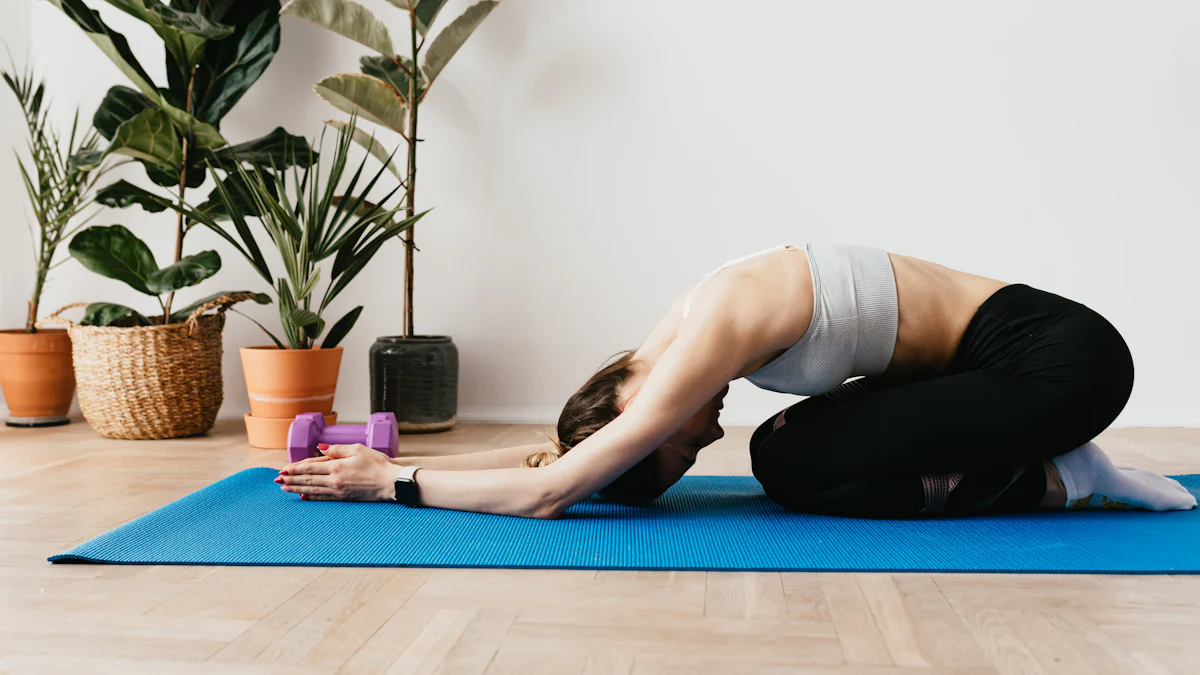
Image Source: pexels
Coloring yoga poses is an activity that combines art and exercise, allowing children to explore their creativity while learning about asanas. This activity is not only fun, but it also helps children become familiar with yoga poses in a visual and practical way.
Selecting Poses
Choosing the right poses to color is essential to maintain children's interest and suit their abilities.
Basic Poses
Start with simple poses that children can easily recognize and perform. Some basic poses include Tree Pose, Downward-Facing Dog, and Warrior Pose. These poses are ideal for introducing children to yoga, as they are easy to understand and color. Additionally, these poses help improve children's flexibility and balance.
Advanced Poses
As children become familiar with the basic poses, you can introduce more advanced poses. Some options include Bridge Pose, Bow Pose, and Crow Pose. These poses challenge children to develop their strength and concentration. Coloring these advanced poses can be a great way to motivate children to try new asanas and push their limits.
Coloring Techniques
Using different coloring techniques can make the activity more engaging and stimulating for children.
Using Different Materials
Incorporate a variety of coloring materials, such as colored pencils, crayons, watercolors, and markers. Each material offers a different experience and allows children to experiment with textures and effects. For example, watercolors can create a soft and relaxing effect, while markers can provide vibrant and defined colors. By offering a variety of materials, you encourage exploration and creativity in children.
Stimulating Creativity
Encourage children to use their imagination when coloring yoga poses. You can suggest they invent stories about the poses or combine them with elements of nature, such as animals or landscapes. This activity not only stimulates creativity but also helps children express their emotions through art. By allowing them to personalize their drawings, you give them the opportunity to develop their own artistic style and strengthen their self-esteem.
Coloring mandalas can help children manage and better understand their emotions. Instead of verbally expressing their feelings, many children express themselves through colors and art.
Incorporating yoga pose coloring activities into children's routines is a great way to combine art and exercise. This practice not only enhances their artistic skills but also teaches them about yoga in a fun and accessible way. Give these activities a try and see how much children enjoy and benefit from them!
Additional Resources
To enrich the yoga and coloring experience with children, you can explore a variety of additional resources. These materials not only complement the activities but also offer new ways to learn about and enjoy yoga.
Free Downloads
There are numerous online resources you can download for free to support your yoga practice with children.
Coloring Pages
You can find yoga pose coloring pages on various websites. These pages are a great way to introduce children to yoga in a fun and visual way. By coloring, children not only learn about the poses but also develop their creativity and artistic skills.
Yoga Guides for Kids
Yoga guides for kids offer simple, visual instructions on how to perform different poses. These guides may include colorful illustrations and step-by-step explanations, making it easy for children to follow the instructions and practice yoga safely and effectively.
Books and Apps
In addition to downloadable resources, books and apps can be valuable tools for teaching yoga to children.
Book Recommendations
There are books specifically designed for children that combine stories with yoga poses. These books not only teach yoga but also encourage reading and imagination. Some recommended titles include stories that integrate yoga poses with exciting characters and adventures.
Interactive Apps
Interactive apps offer a modern and engaging way to learn yoga. Many apps include videos, games, and activities that guide children through yoga poses in a fun way. These apps can be a great way to keep children interested and motivated to practice yoga regularly.
Anonymous: "Yoga for children provides various benefits, both physical and emotional, which have been proven through scientific studies. Learning to relax and practice mindful breathing through yoga helps them channel their energy, manage difficult situations, and increase confidence and self-esteem."
Exploring these additional resources can enrich children's yoga experience, helping them develop physical, mental, and emotional skills in a fun and accessible way. Give them a try and see how much children enjoy and benefit from them!
Coloring yoga poses with children is an activity that offers numerous benefits. It not only improves their flexibility and strength, but also fosters concentration and self-esteem. By integrating these activities into their daily routine, you help children develop essential physical and emotional skills. Parents and educators are encouraged to incorporate these practices to promote holistic well-being. By doing so, you not only enrich their cognitive development, but you also provide them with tools to cope with stress in a healthy way. Encourage them to explore the world of yoga!
See also
Complete Guide to a Children's Yoga Routine
Instructions for Healing Yoga Poses for Beginners
Explore the Benefits of Yoga for Your Little Ones



