
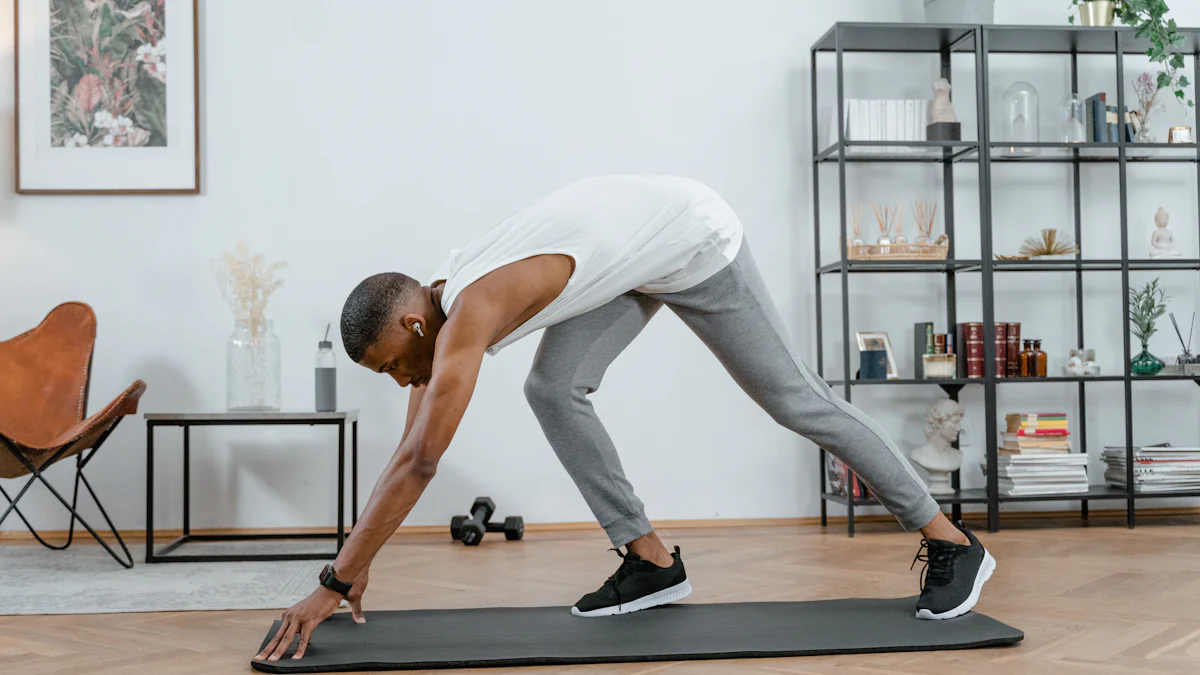
10 practical tips to get started with yoga
Image Source: pexels
Yoga is a great way to bring your body and mind into balance. For beginners, yoga offers countless benefits. It helps you not only to improve your flexibility and strength, but also to reduce stress. Research shows that 85% of yoga practitioners experience lower stress levels. If you want to start practicing yoga, this can help you relax better and improve your overall well-being. With the right tips, you take the first steps towards a healthier lifestyle. ## Key Insights
-
Choose a yoga style that suits you, such as Hatha for beginners or Yin for relaxation, and try out different styles to discover what appeals to you most.
-
Find a good yoga teacher who is experienced and helps you learn at your own pace. Trial classes are a great way to explore different teachers and styles.
-
Create a comfortable practice space, whether at home or in a studio, and ensure you have the right equipment such as a yoga mat and blocks to enhance your experience.
-
Start with a regular routine of two to three times a week; even short sessions of ten to fifteen minutes can make a big difference.
-
Be patient and kind to yourself; yoga is a personal journey, and it is normal to experience frustrations. Focus on your own growth and enjoy the process.
-
Use online resources such as apps and videos to support your yoga practice and join online communities for extra motivation and inspiration. * Set clear goals for your yoga practice and find a yoga buddy to practice with, which can increase your motivation and enjoyment of the practice.
Choose the right yoga style
Different styles of yoga
Yoga has many different styles. Each style has its own focus and benefits. Here are some popular yoga styles you might consider:
-
Hatha yoga: This is a great choice for beginners. Hatha yoga emphasizes basic postures and breathing techniques. You learn the fundamentals of yoga in a calm environment.
-
Kundalini yoga: This style combines physical exercises with meditation and breathing. The goal is to increase your energy and expand your awareness.
-
Yin yoga: Yin yoga is a slow and meditative style. You hold the postures longer, which helps to improve flexibility and calm the mind.
-
Power yoga: This is a dynamic and intensive style. Power yoga offers both physical and mental benefits. It helps you build strength and improve your endurance.
What suits you?
When choosing a yoga style, it is important to look at what suits you. Think about your goals and what you hope to achieve with yoga. Do you want more flexibility, strength, or relaxation?
Try out different styles to discover what appeals to you most. Many studios offer trial classes. This gives you the chance to experience different styles without immediately committing to a long-term membership.
Don't forget that yoga is accessible to everyone. You don't have to be flexible to start. Yoga actually helps you become more flexible as you practice. Take the time to discover which style suits you best. This makes your start with yoga much more enjoyable and effective.
Find a good teacher
Where to look
A good teacher can make a world of difference in your yoga journey. Start by looking for yoga studios in your area. Many studios offer trial classes. This gives you the chance to try out different teachers and styles without immediately committing to a membership.
Additionally, you can look online. Platforms like YouTube have countless yoga channels. Look for instructors with good reviews and a style that appeals to you. Social media is also a great place to discover yoga teachers. Follow them and see if their approach suits you.
What to ask
Once you have found a teacher, ask questions to see if they are a good fit for you. Here are some suggestions:
What is your experience? Ask about their background and how long they have been teaching. This gives you an idea of their expertise. * What style of yoga do you teach? Ensure that their style aligns with what you are looking for.
-
How do you handle beginners? A good teacher understands that everyone learns at their own pace. They must be patient and help you find your own way.
-
What are your expectations of students? This helps you understand what to expect and how best to learn.
Remember that yoga is not a competition. As an expert once said:
"Yoga is not about competition with other yogis, the only competition you enter into is with yourself, your own ego-mind."
Choose a teacher who encourages you to be yourself and follow your own path. This makes your experience much more valuable and enjoyable. ## Create a comfortable space

Image Source: pexels
At home or in the studio?
When starting yoga, it is important to create a comfortable space. You can choose to practice at home or go to a studio. Both options have their advantages.
Practicing at home offers you the freedom to create your own environment. You can arrange the space however you want. Ensure a quiet place where you can concentrate. Light some candles or play soft music to create a relaxed atmosphere.
Practicing in a studio also has its charm. You meet other yogis and learn from an experienced teacher. The studio often offers an inspiring environment that can motivate you to practice regularly.
Choose the option that suits you best. Try both out and see where you feel most comfortable.
Essential Supplies
Make sure you have the right supplies for your yoga practice. This makes your experience much more enjoyable. Here are some essential items you might want to consider:
Yoga Mat: A good yoga mat provides cushioning and support for your body. It also prevents you from slipping during your exercises. Choose a mat that feels comfortable and offers sufficient grip. * Yoga blocks: These are ideal for beginners. They provide extra support for certain postures and make it easier to modify the poses. Yoga blocks allow you to make your exercises more accessible.
-
Yoga towel: If you sweat easily, a yoga towel can help prevent slipping. This towel is small and can lie next to you while you practice.
-
Yoga props: Think of yoga bolsters and yoga straps. These aids make your yoga exercises more comfortable and help you maintain proper alignment. With these essentials, you create a pleasant and supportive environment for your yoga practice. Take the time to set up your space and ensure you have everything at hand. This makes it easier to focus on your exercises and your breathing.
Start a routine
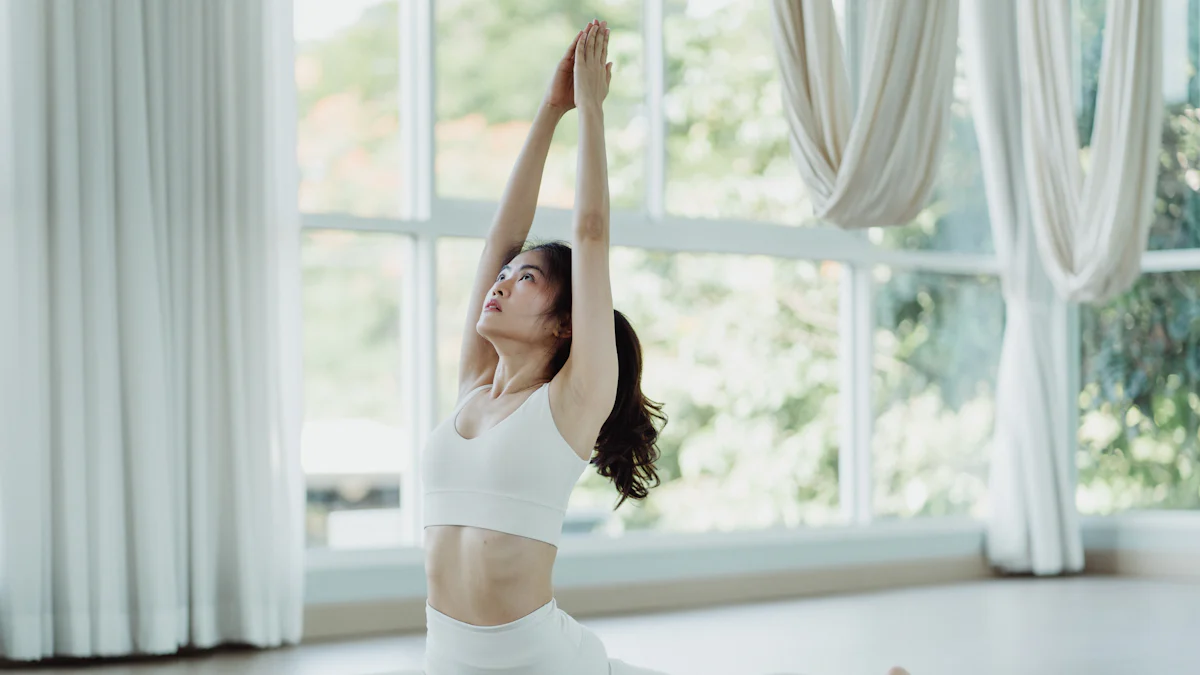
Image Source: pexels
How often to practice
A good routine helps you stay consistent with yoga. Try to practice at least two to three times a week. This gives your body the chance to get used to the postures and techniques. Regular practice helps you experience the benefits of yoga, such as increased flexibility and reduced stress.
When you are just starting out, building a regular routine can seem overwhelming. Start small. Even ten to fifteen minutes per session can make a big difference. As you become more familiar with the exercises, you can gradually increase the duration and frequency.
Tips for building a routine:
-
Schedule your sessions: Put specific times in your calendar. This makes it easier to stick to your routine.
-
Be flexible: If you can't practice one time, don't be too hard on yourself. Find another time of day to make up for it.
-
Listen to your body: If you are tired, it is better to do a shorter session or schedule a rest day. ### Time of Day
The time of day you practice yoga can influence your experience. Many people find it pleasant to practice in the morning. This helps you start the day energetically. A short morning session can refresh your mind and prepare you for the challenges of the day.
Others prefer the evening. This can help you shake off the stress of the day. A quiet yoga session before bedtime can help you relax better and promote a good night's sleep.
Consider these tips when choosing a time:
-
Try different times: Experiment with morning and evening practice to see what works best for you.
-
Create a ritual: Make your yoga session a regular part of your day. This can help turn it into a habit.
-
Be consistent: Try to practice at the same time. This helps you build a routine and makes it easier to stay motivated. By building a routine and choosing a suitable time, you take the first steps toward yoga. This helps you experience the benefits of yoga and improve your well-being.
Be patient and kind to yourself
Don't expect perfection
When you start yoga, don't expect to be perfect right away. Everyone has their own pace, and that is perfectly fine. Yoga is not a competition. It is about your personal growth and development. Do not compare yourself to others. Every body is different, and the same applies to the way you perform the poses.
Remember: Yoga is about the process, not the end result. Focus on what you feel in your body and mind. Enjoy the journey and be proud of every step you take.
Dealing with frustrations
Frustrations may arise, especially when learning new poses or when your body doesn't do what you want. This is completely normal. When you experience these moments, try the following tips:
-
Breathe deeply in and out: Breathing helps you relax and calm your thoughts. Take a moment to center your breath.
-
Remind yourself of your goals: Why did you start yoga? Think about the benefits you want to achieve, such as more relaxation or flexibility.
-
Be kind to yourself: Give yourself the space to learn and grow. Everyone makes mistakes. This is an opportunity to learn and become stronger.
"Yoga can be blissful. It offers awareness of muscle tension and helps you relax."
When you encounter these frustrations, know that you are not alone. Many yoga practitioners experience this. It is part of the journey. Stay positive and give yourself time to grow. Yoga is a process of self-discovery, and that takes time. By being patient and kind to yourself, you make your yoga practice not only more enjoyable but also more effective. You learn to listen to your body and mind, which leads to a deeper connection with yourself.
Use online resources
Videos and apps
Online resources make starting yoga even easier. You will find countless videos and apps that guide you through your exercises. A popular choice is the Down Dog app. This app is accessible and offers a great ‘Intro to Yoga’ course. You learn the basics of yoga step by step.
With Down Dog, you can spend a ten minutes on yoga every morning or evening. The app regularly changes exercises, allowing you to always try something new. This makes it easier to stay motivated. You can discover and try out different forms of yoga, which makes it fun and accessible. Here are some benefits of using videos and apps:
-
Flexibility: Practice wherever and whenever you want.
-
Variety: Discover different styles and levels.
-
Accessibility: Ideal for beginners who want to feel at ease.
Online communities
In addition to videos and apps, online communities are a great way to support your yoga journey. Join forums or social media groups where other yoga practitioners gather. Here you can share experiences, ask questions, and get tips from others who are also starting yoga.
A community offers you the chance to:
-
Find support: You are not alone. Others understand what you are going through.
-
Get inspiration: Read stories from others and let yourself be motivated by their progress.
-
Make friends: Connect with people who share the same interests. By using online resources and communities, you make your yoga practice not only easier but also more fun. You learn from others and stay motivated to keep going. So what are you waiting for? Dive into the world of online yoga and discover what it can mean for you!
Stay motivated
Set goals
Setting goals helps you stay focused during your yoga journey. Start by determining what you want to achieve. Do you want more flexibility, strength, or perhaps to reduce stress? Write down your goals. This makes them tangible and gives you something to work towards.
Here are some tips for setting effective goals:
-
Be specific: Instead of saying "I want to get better at yoga," say "I want to be able to perform the downward dog pose perfectly within three months."
-
Make it measurable: Determine how you can track your progress. This can be done by the number of times you practice per week or by tracking your improvements in poses.
-
Set realistic goals: Ensure that your goals are achievable. Start small and build up slowly. This prevents frustration and helps you stay motivated.
-
Set a time limit: Give yourself a deadline. This creates a sense of urgency and helps you stay focused.
By setting goals, you give yourself direction. This makes it easier to stay motivated and see your progress.
Find a yoga buddy
A yoga buddy can give your motivation a significant boost. Practicing together makes yoga more fun and less lonely. You can encourage each other and hold each other accountable. This helps you stay consistent.
Here are some ways to find a yoga buddy:
-
Ask friends or family: There may be people in your area who are also interested in yoga. Invite them to practice together.
-
Join a yoga group: Many studios offer group classes. This is a great way to meet new people who share the same interests.
-
Use social media: Look for local yoga groups on platforms like Facebook or Instagram. Here you can find like-minded people and perhaps even make a yoga friend.
Practicing yoga together not only offers social interaction, but it can also strengthen your commitment to the practice. You learn from each other and share experiences. This makes the journey to yoga even more valuable.
Listen to your body
Recognize your limits
During your yoga practice, it is crucial to listen to your body. Every body is unique and has its own limits. When you assume a pose, check if it is comfortable. Do you feel tension or pain? Then it is time to stop or adjust the pose.
Yoga is not a competition. It is not about how well you perform a pose, but about how you feel. Recognize your limits and respect them. This prevents injuries and helps you practice safely.
"Yoga is about the process, not the end result."
By recognizing your limits, you give yourself the space to grow. This leads to a better connection with your body and mind. Regular practice can help you better understand and push your limits.
Adjust your exercises
If you notice that a certain pose doesn't feel right, adjust it. Use props such as yoga blocks or a bolster to make your exercises more accessible. This makes it easier to maintain proper alignment and prevents overstraining your muscles.
Here are some tips for adjusting your exercises:
-
Change the pose: If a pose is too intense, try a milder variation. For example, if you struggle with the full downward dog, try a child's pose.
-
Take breaks: Do you feel tired or overwhelmed? Take a moment to breathe and relax. This helps you recharge.
-
Listen to your breath: Your breathing provides a lot of information about how you feel. If your breathing is shallow or rushed, take the time to slow down and relax. By adapting your exercises, you make yoga more accessible and enjoyable. This promotes not only your physical well-being but also your mental health. Regular practice can lead to a reduction in stress and anxiety. Studies show that yoga lowers the production of the stress hormone cortisol and improves overall mental health.
So, listen to your body and adjust your exercises where necessary. This makes your yoga journey not only safer but also much more fun!
Explore complementary practices
Meditation and breathing
Meditation and breathing techniques are a valuable addition to your yoga practice. These practices help you calm your mind and improve your focus. By meditating regularly, you will notice that your stress levels decrease and your mental clarity increases.
Try a simple breathing exercise. Sit comfortably and close your eyes. Breathe deeply in through your nose, hold for a moment, and exhale slowly through your mouth. Repeat this for a few minutes. You will notice that your heart rate slows down and you feel more relaxed.
Studies show that slow, rhythmic breathing not only lowers your heart rate but also has a positive influence on your overall health. This can even reduce the risk of heart disease. Meditation also promotes heart health and helps you cope better with stress.
"Yoga reduces stress, anxiety, and depression by lowering cortisol levels."
By integrating meditation and breathing techniques into your routine, you enhance the benefits of yoga. You learn to listen better to your body and mind. This leads to a deeper connection with yourself.
Healthy Lifestyle
A healthy lifestyle goes hand in hand with yoga. What you eat, how you sleep, and how you move daily influence your yoga practice. Ensure a balanced diet with plenty of vegetables, fruit, whole grains, and protein. This gives you the energy you need for your yoga sessions.
Additionally, sufficient sleep is crucial. A good night's rest helps you recover your body and refresh your mind. Try to maintain a regular sleep schedule. This promotes not only your overall health but also your performance on the yoga mat.
Also, do not forget to drink enough water. Hydration plays an important role in your well-being. It helps you maintain your energy levels and supports your body during exercises.
By embracing a healthy lifestyle, you enhance the benefits of yoga. You feel better, both physically and mentally. This makes your yoga practice not only more effective but also more enjoyable. So, start exploring these complementary practices today and see how they can enrich your yoga journey!
Make it fun
Vary your routine
Yoga should be fun! By varying your routine, you keep motivation high. Try out different styles and poses. This keeps your mind sharp and your body active. Here are some ideas to refresh your routine:
-
Try new styles: Go for a Yin yoga class if you normally do Hatha. Or try an online Power yoga class. Each style offers unique benefits and challenges.
-
Change your location: Practice outdoors in nature. The fresh air and the sound of birds can enrich your experience. Or have a yoga session in your living room with a few friends.
-
Add music: Create a playlist with your favorite songs. Music can help you get in the right mood and make your practice more enjoyable. * Experiment with duration: Practice a short ten-minute session once. Or go for a longer one-hour session. This keeps your practice dynamic and interesting.
By varying your practice, you discover what you enjoy and what works best for you. This makes your yoga journey not only more effective but also much more enjoyable.
Share your experiences
Share your experiences with yoga! This can help you stay connected with others and boost your motivation. Talk to friends, family, or join online communities. Here are some ways to share your experiences:
-
Social media: Post photos or videos of your yoga sessions. Use hashtags such as #yogaforbeginners or #yogajourney. This can inspire others and encourage you to keep going.
-
Blog or vlog: Start a blog or vlog about your yoga journey. Write about your challenges, successes, and what you are learning. This helps you organize your thoughts and inspire others. * Yoga Groups: Join local yoga groups or online forums. Here you can share experiences, ask questions, and get tips from other yoga practitioners.
"Yoga is an ancient tradition that helps you stay closer to yourself."
By sharing your experiences, you create a supportive community. This makes yoga not only a personal journey but also a social experience. So, make it fun and share your yoga story!
Yoga offers you countless benefits, from improved flexibility to lower stress levels. Remember the key tips: choose the right yoga style, find a good teacher, and listen to your body. Start yoga today and discover how it can enrich your life. Don't be afraid to experiment and have fun. Share your experiences with others and inspire them to start practicing yoga as well. Together, you can embark on this beautiful journey!
FAQ
What should you pay attention to when starting yoga?
When you start yoga, pay close attention to the poses. These postures form an important part of yoga. Every pose helps you become aware of your body. Remember that your breathing is crucial in this process. As soon as you lose your breath, your thoughts quickly wander. Therefore, always try to stay focused on your breath. This strengthens the connection with yourself.
How do you choose the right yoga style?
Yoga has many different styles. Each style has its own focus and benefits. Feel which style suits you best. Try out different styles and see what appeals to you. Be open and curious. This makes your yoga journey much more enjoyable and effective.
What are the benefits of yoga for beginners?
Yoga offers countless benefits, especially for beginners. You improve your flexibility, strength, and balance. Additionally, yoga helps you reduce stress and calm your mind. Regular practice can improve your overall well-being. This makes yoga a valuable addition to your life.
How often should you practice yoga?
Try to practice at least two to three times a week. This helps your body get used to the poses. Start small; even ten to fifteen minutes per session can make a big difference. As you become more comfortable, you can increase the duration and frequency.
Is yoga suitable for everyone?
Yes, yoga is accessible to everyone, regardless of your age or fitness level. You don't need to be flexible to start. In fact, yoga helps you become more flexible as you practice. It is all about your personal growth and development.
How do you find a good yoga teacher?
Look for yoga studios in your area. Many studios offer trial classes. This gives you the chance to try out different teachers and styles. Ask about their experience and how they handle beginners. A good teacher understands that everyone learns at their own pace.
What are the essential requirements for yoga? You don't need much for yoga. A good yoga mat is essential. It provides cushioning and support. Yoga blocks and a yoga towel can also be useful. These aids make your exercises more accessible and comfortable.
How do you deal with frustrations during yoga?
Frustrations are normal, especially when learning new poses. When you experience these moments, breathe deeply in and out. This helps you to relax. Remind yourself of your goals and be kind to yourself. Yoga is a process of self-discovery.
How can you stay motivated?
Set clear goals for yourself. This helps you stay focused. Also, find a yoga buddy. Practicing together makes yoga more fun and less lonely. Share your experiences with others. This creates a supportive community.
What are complementary practices besides yoga?
Meditation and breathing techniques are valuable additions. These practices help you to calm your mind and improve your focus. A healthy lifestyle, with a balanced diet and sufficient sleep, enhances the benefits of yoga. ## See also
Simple Steps For Beginners To Start Yoga
Easy Ways To Master Yoga Poses
Practicing Yoga Poses Effectively Step-by-Step



