
Image Source: pexels
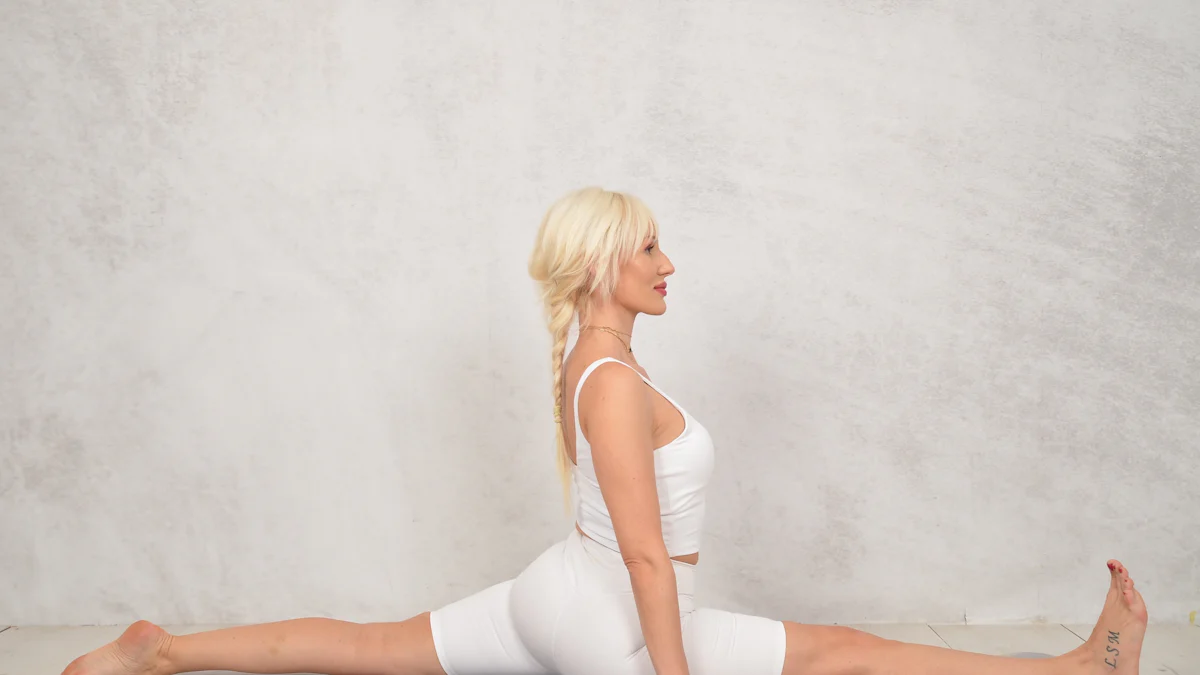
Yoga and Pilates are popular practices that have captured the attention of millions of people worldwide. While yoga focuses on the mind-body connection and spirituality, Pilates focuses on strengthening the core and improving posture. Choosing between these practices can significantly influence your personal well-being. If you're wondering which is better, yoga or Pilates, consider your personal goals and lifestyle. Both disciplines offer unique benefits, and finding the one that suits you best can transform your physical and mental health.
Origins and History
History of Yoga
Origins in India
Yoga has its roots in ancient India, where it originated more than 4,000 years ago. This ancient practice developed as a path to spiritual enlightenment and a profound connection between body and mind. In its beginnings, Indian sages used yoga to achieve a state of inner peace and balance. Throughout the centuries, yoga has maintained its essence but has evolved to adapt to the needs of people in different eras and cultures.
Evolution Through the Centuries
Over time, yoga spread beyond the borders of India. In the 20th century, it became popular in the West, where new techniques and styles were integrated. Today, yoga is practiced worldwide, offering a variety of styles ranging from Hatha Yoga, which focuses on physical postures, to Kundalini Yoga, which emphasizes spiritual energy. This evolution has allowed yoga to adapt to modern needs, maintaining its relevance and appeal.
History of Pilates
Created by Joseph Pilates
Pilates is a more recent discipline compared to yoga. It was created by Joseph Pilates in the early 20th century. Joseph, a fitness and health enthusiast, developed this method during World War I. His goal was to help wounded soldiers regain their strength and mobility. He used his knowledge of gymnastics, yoga, and martial arts to create an exercise system that strengthened the body holistically.
Development in the 20th Century
After the war, Joseph Pilates brought his method to New York, where he opened his first studio. His focus on core strengthening and posture improvement attracted dancers and athletes. Over time, Pilates became a popular practice for people of all ages and fitness levels. Today, Pilates is practiced worldwide, using both mat exercises and specialized equipment like the reformer. This evolution has allowed Pilates to remain an effective option for improving strength and flexibility.
Goals and Philosophy
Goals of Yoga
Mind-Body Connection
Yoga invites you to explore a deep connection between your mind and your body. Through postures, known as asanas, and breathing techniques, called pranayama, you can achieve a state of balance and harmony. This practice not only improves your physical flexibility but also helps you cultivate greater self-awareness. By focusing on each movement and breath, you can experience a sense of calm and mental clarity.
Focus on Meditation and Spirituality
Yoga goes beyond the physical. It focuses on meditation and spirituality, offering a path to mindful relaxation. By practicing yoga, you can reduce stress and anxiety levels, finding refuge amidst the daily chaos. The philosophy of yoga seeks a balance between body, mind, and spirit, promoting a spiritual connection that can enrich your daily life. If you're looking for a practice that helps you find inner peace, yoga may be the ideal option for you.
Pilates Goals
Core Strengthening
Pilates focuses on core strengthening, which means it intensely works the muscles of the abdomen, back, and pelvis. This practice helps you develop a solid foundation that improves your stability and balance. By strengthening your core, you can improve your performance in other physical activities and reduce the risk of injury. Pilates is an excellent option if you're looking to tone your body and increase your muscle strength.
Improved Posture and Flexibility
In addition to strengthening the core, Pilates also focuses on improving posture and flexibility. Through controlled and precise exercises, you can properly align your body and increase your range of motion. This not only helps you move more easily but can also relieve accumulated pain and tension. If you want to improve your posture and enjoy a more flexible body, Pilates may be the right practice for you.
Health Benefits
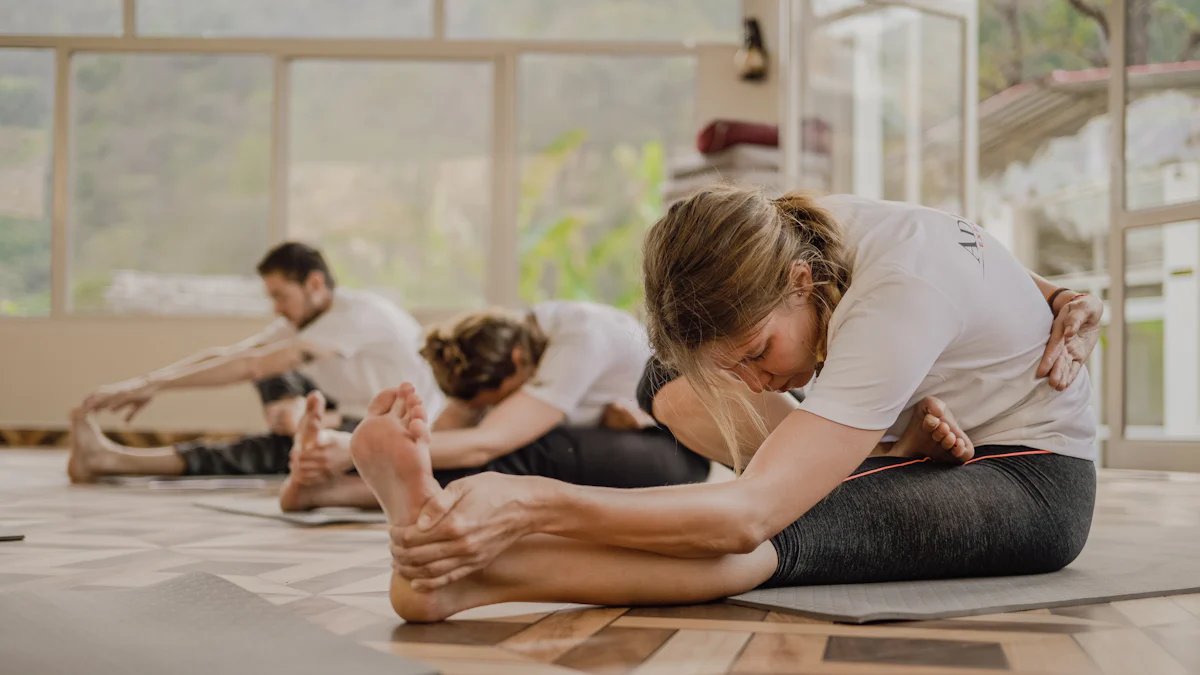
Image Source: unsplash
Benefits of Yoga
Stress Reduction
Yoga is a powerful tool for combating stress. When you practice yoga, you immerse yourself in a state of conscious relaxation. Meditation and breathing techniques help calm your mind and reduce anxiety. This focus on mental tranquility not only decreases stress but also improves your emotional well-being. By dedicating time to these practices, you can find refuge amidst the daily chaos.
Increased Flexibility
Yoga is also known for improving flexibility. Through asanas, or postures, you stretch and strengthen your muscles. Over time, you'll notice an increase in your range of motion and greater elasticity in your body. This flexibility not only helps you move more easily but also prevents injuries and improves your posture. Practicing yoga regularly allows you to enjoy a more agile and healthy body.
Benefits of Pilates
Improved Muscle Strength
Pilates focuses on muscle strengthening, especially in the core. By performing Pilates exercises, you intensely work the muscles of your abdomen, back, and pelvis. This practice helps you develop a solid foundation that improves your stability and balance. Over time, you will notice an increase in your muscle strength, allowing you to perform other physical activities with greater ease and effectiveness.
Injury Prevention
In addition to strengthening muscles, Pilates is excellent for preventing injuries. The controlled and precise exercises improve your posture and body alignment. By strengthening your core and improving flexibility, you reduce the risk of injury in daily life and during sports activities. Practicing Pilates regularly helps you maintain a strong and resilient body, ready to face any physical challenge.
Techniques and Practices
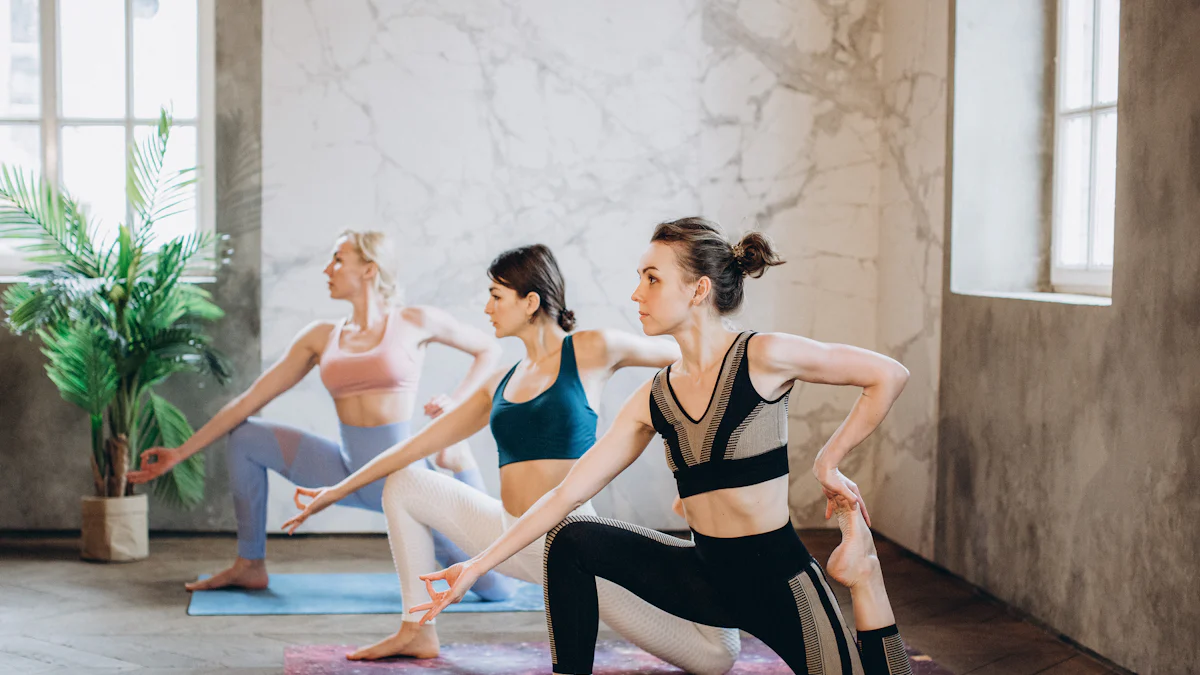
Image Source: pexels
Yoga Techniques
Asanas (Postures)
In yoga, asanas or postures are fundamental. These postures not only improve your flexibility, but also strengthen your muscles and increase your balance. When practicing asanas, you work with your own body weight, allowing you to develop strength and endurance. You can also use props such as blocks or straps to facilitate certain poses and make them more accessible. The asanas invite you to explore your body and mind, promoting a deeper connection with yourself.
Pranayama (Breathing)
Pranayama is the practice of controlled breathing in yoga. Through different breathing techniques, you can calm your mind and reduce stress. Pranayama helps increase your lung capacity and improve the flow of energy in your body. By focusing on your breath, you can achieve a state of relaxation and mental clarity. This practice is essential for those seeking a deeper connection between body and mind.
Pilates Techniques
Floor Exercises
In Pilates, floor exercises are a crucial part of the practice. These exercises focus on strengthening the core, intensely working the muscles of the abdomen, back, and pelvis. By performing controlled and precise movements, you improve your stability and balance. Floor exercises allow you to tone your body and increase muscle strength without the need for complex equipment. This practice is ideal for those who want to improve their posture and prevent injuries.
Using Equipment Like the Reformer
Pilates also includes the use of specialized equipment, such as the reformer. This apparatus allows you to perform a variety of exercises that strengthen and stretch your muscles. Using the reformer adds resistance to your movements, which intensifies muscle work and improves your flexibility. You can also use other accessories such as rings, exercise balls, and weights to diversify your practice. This equipment makes Pilates a challenging and effective option for improving your fitness.
Which is Better, Yoga or Pilates?
Choosing between yoga and Pilates may seem complicated, but by considering certain factors, you can make a more informed decision. Both offer unique benefits, and the choice depends on your personal needs and preferences.
Factors to Consider
Personal Fitness Goals
First, think about your fitness goals. If you're looking to improve your flexibility and find a balance between body and mind, yoga might be the ideal option. Yoga not only works the body but also incorporates meditation and a philosophy of life that can help you reduce stress and anxiety. On the other hand, if your goal is to strengthen your core and improve your posture, Pilates is an excellent choice. Experts at Corpora Pilates highlight that Pilates focuses on deep strength and body control, which can improve your posture and overall fitness.
Lifestyle Preferences
Your lifestyle also plays an important role. If you prefer a practice that includes a spiritual and relaxation component, yoga may be more suitable. Yoga invites you to explore a deeper connection with yourself through meditation and mindful breathing. On the other hand, if you're looking for a more physical activity that helps you focus and improve your daily energy, Pilates might be what you need. Joseph Pilates, the creator of this discipline, called it "Contrology," emphasizing control over the body.
Tips for Choosing
Try Both Practices
One of the best ways to decide is to try both practices. Attend a few yoga and Pilates classes to experience how each feels. Observe how your body and mind respond to each practice. This will give you a clear idea of which one best suits your needs and preferences.
Consult a Healthcare Professional
Before making a final decision, consider consulting with a healthcare professional or a certified instructor. They can offer guidance based on your physical condition and personal goals. An expert can help you identify which practice can offer the greatest benefits for your overall well-being.
Ultimately, the question "What's better, yoga or Pilates?" is up to you. Both practices have much to offer, and the right choice is the one that makes you feel good both physically and mentally.
When deciding between yoga and Pilates, it's important to consider the key differences and similarities.
-
Differences:
-
Yoga focuses on the mind-body-spirit connection, promoting relaxation and mental well-being.
Pilates focuses on muscle toning and posture improvement, without a spiritual component.
Similarities:
Both practices improve flexibility and strength, and contribute to better posture.
To make an informed decision, try both disciplines and consult with a healthcare professional. This way, you can choose the practice that best suits your needs and personal goals.
See also
Explore the yoga styles that suit you
Guide to choosing the ideal yoga studio for you
Tips to improve your yoga routine

Written by
Maria Yogalife
Maria | Yoga & Wellness Writer at YogaLife.World Maria is a passionate yoga and wellness writer at YogaLife.World, dedicated to sharing knowledge, inspiration, and practical guidance for a healthier, more balanced lifestyle. Through her articles, she explores yoga practices, meditation, mindfulness, holistic wellness, and the transformative benefits of mindful living. With an accessible and inspiring approach, Maria helps readers of all levels discover new practices, deepen their understanding of yoga, and bring greater balance, awareness, and well-being into their everyday lives.
Visit website


