
Image Source: unsplash
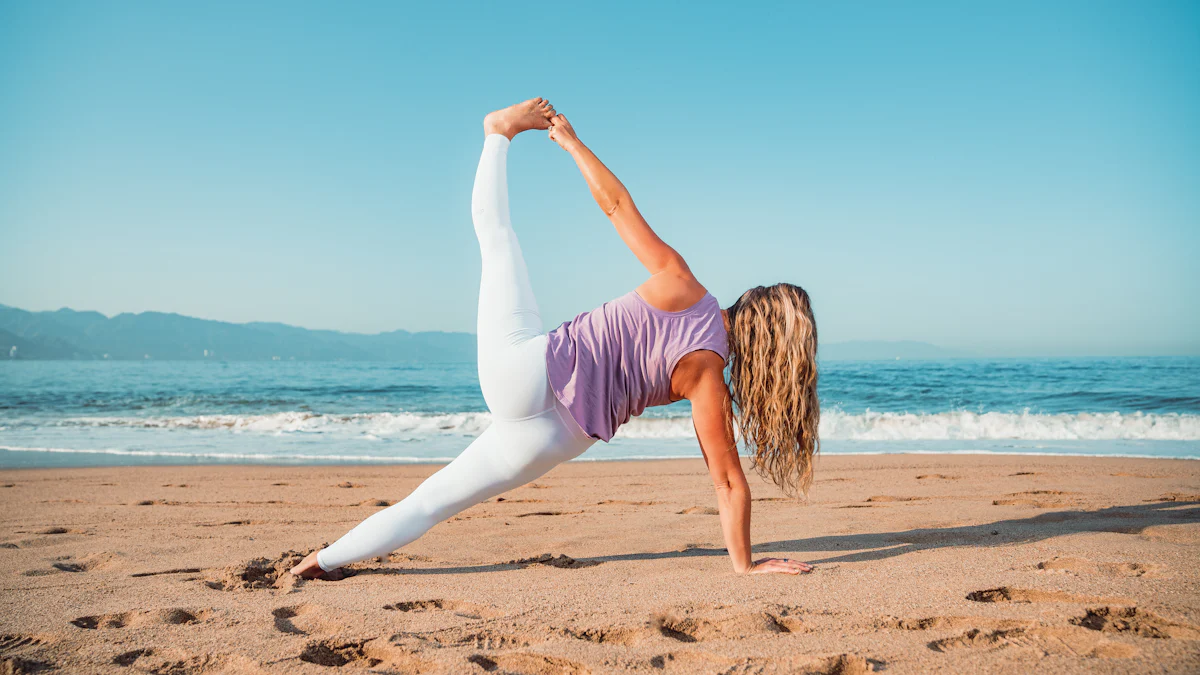
Somatic yoga offers a unique approach to well-being by strengthening the connection between body and mind. This form of yoga focuses on body awareness and helps you to reduce stress and improve your flexibility. The importance of well-being cannot be overestimated. It influences your physical and mental health, and somatic yoga can play a crucial role in this. This blog invites you to discover the benefits of somatic yoga and experience how it can strengthen your well-being. Also discover how you can benefit from free somatic yoga to start your journey.
What is Somatic Yoga?
Origin and History
Somatic yoga originated in the 20th century. This unique form of yoga combines Eastern and Western traditions. Thomas Hanna played a crucial role in the development of somatic yoga. He introduced the concept of somatic movements, which are aimed at improving body awareness. Another influential figure was Moshe Feldenkrais, who contributed to the spread of somatic techniques. Their work laid the foundation for what we now know as somatic yoga.
Principles of Somatic Yoga
Body Awareness
In somatic yoga, everything revolves around awareness of your body. You learn to listen to the signals your body gives. This awareness helps you recognize and release tension. By practicing regularly, you develop a deeper connection with your body. This leads to improved flexibility and a greater sense of well-being.
Connection between Body and Mind
Somatic yoga strengthens the connection between body and mind. By paying attention to your breathing and movements, you create a harmonious balance. This connection helps you reduce stress and calm your mind. You experience a sense of inner peace and clarity. Somatic yoga invites you to explore and strengthen this connection, thereby improving your well-being on all levels.
Benefits of Somatic Yoga for Well-being
Physical Benefits
Improved Flexibility
You will notice that your flexibility improves significantly through somatic yoga. This practice focuses on gentle movements that make your muscles and joints more supple. By practicing regularly, you can challenge your body in a safe way and increase your range of motion. This leads to greater freedom of movement in your daily activities.
Reduction of Pain and Tension
Somatic yoga is particularly effective in reducing chronic pain and tension. By moving consciously and getting to know your body, you can address the causes of discomfort. Research shows that somatic yoga helps improve muscle coordination and relieve tension. You will notice that your body relaxes and your pain decreases, contributing to an overall sense of well-being.
Mental Benefits
Stress Reduction
Stress can have a major impact on your life, but somatic yoga offers a powerful way to deal with it. By focusing on breathing and movement, you can calm your mind and reduce stress. This practice helps you achieve a sense of inner peace. You will find that you are better able to handle stressful situations and maintain a positive mindset.
Improved Concentration
In addition to stress reduction, somatic yoga also improves your concentration. By focusing your attention on your body and breathing, you train your mind to stay focused. This increased level of concentration can carry over into other aspects of your life, such as work or studies. You will notice that you are more productive and better able to achieve your goals.
Techniques and Exercises in Somatic Yoga
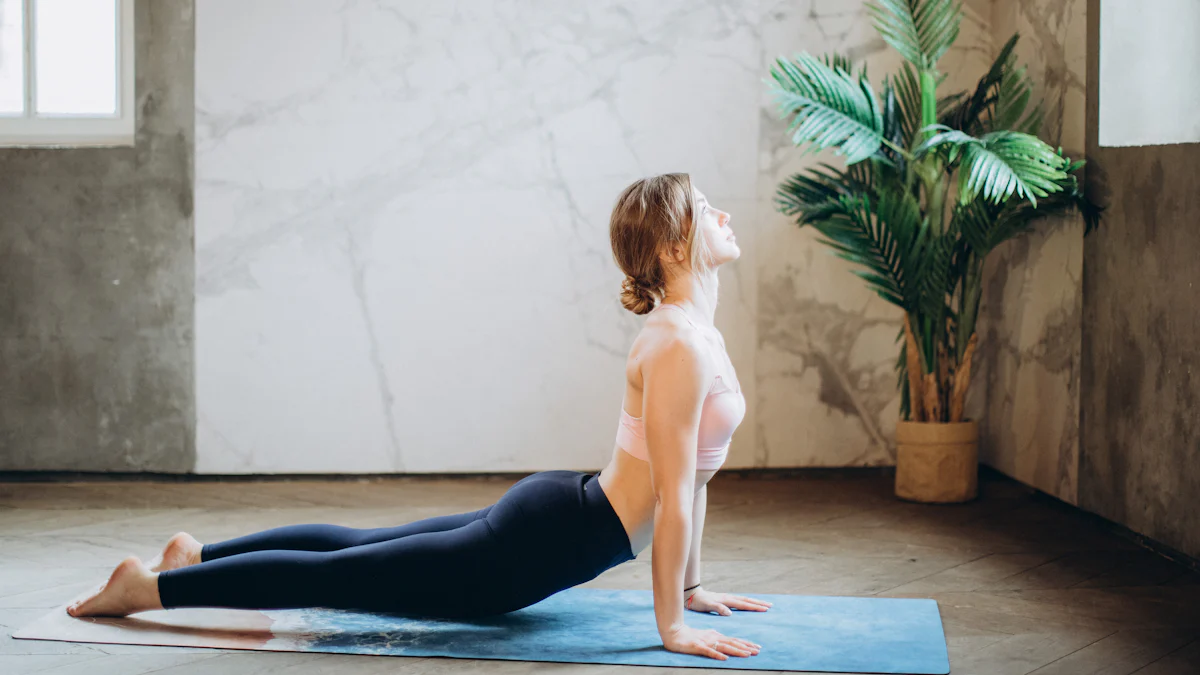
Image Source: pexels
Basic Movements
Breathing Techniques
Breathing plays a crucial role in somatic yoga. You learn to breathe consciously to calm your body and mind. Begin by inhaling deeply through your nose, filling your lungs completely, and exhaling slowly through your mouth. This technique helps you release tension and focus your mind. Try to spend a few minutes every day on these breathing exercises. You will notice that your stress level drops and you feel more relaxed.
Body Awareness Exercises
Body awareness is the core of somatic yoga. By paying attention to how your body moves, you develop a deeper understanding of your physical self. Start with simple movements such as slowly turning your head or lifting your arms. Feel every muscle you use and note any tension. These exercises help you to understand your body better and reduce tension. Regular practice leads to a greater sense of well-being and flexibility.
Advanced Practices
Integration of Meditation
Meditation forms an important part of somatic yoga. It helps you to calm your mind and make a deeper connection with your body. Begin in a comfortable seated position and close your eyes. Focus on your breathing and let thoughts drift by without holding on to them. This meditative state promotes inner peace and clarity. By integrating meditation into your yoga practice, you strengthen the connection between body and mind.
Deep Relaxation Techniques
Deep relaxation techniques in somatic yoga help you to fully relax and let go of stress. Lie down in a comfortable position and close your eyes. Begin by tensing and relaxing every muscle group, from your toes to your head. This progressive relaxation technique helps you recognize and release tension. You will notice that your body relaxes and your mind calms down. These techniques promote a sense of well-being and help you sleep better. ## How to Integrate Somatic Yoga into Your Daily Routine
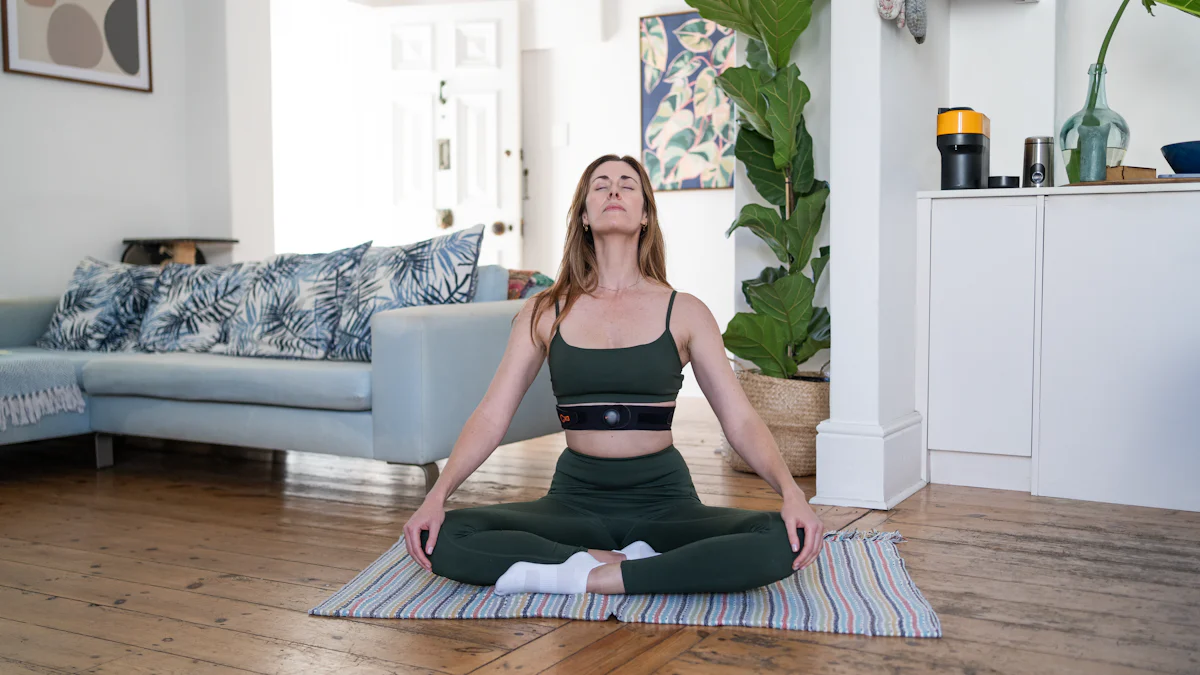
Image Source: unsplash
Integrating somatic yoga into your daily routine can be a transformative experience. It helps you develop a deeper connection with your body and improve your well-being. Here are some practical tips and recommended exercises to get you started.
Practical Tips
Creating Time and Space
-
Choose a quiet spot: Find a place in your home where you feel comfortable and undisturbed. This could be a corner of your living room or a special space you have set up for yoga. 2. Schedule your sessions: Choose a fixed time of day for your somatic yoga. This can be in the morning to start your day calmly, or in the evening to relax after a busy day.
-
Minimize distractions: Ensure your phone is turned off and that you will not be disturbed. This helps you to be fully present during your practice.
Regularity and discipline
-
Start with 2-3 times per week: For beginners, it is recommended to start somatic yoga sessions 2-3 times per week. This helps your body adapt to the new movements without overexertion.
-
Listen to your body: Somatic yoga is designed to be gentle. Listen to your body and practice at a pace that feels good to you. As you become more comfortable, you can increase the frequency.
-
Stay consistent: Regularity is the key to success. Try to stick to your planned sessions, even if you can only spare a few minutes a day.
Recommended Exercises for Beginners
Simple Poses
-
Cat-Cow Stretch: Begin on your hands and knees. Inhale as you arch your back down and lift your head (Cow). Exhale as you arch your back up and bring your chin to your chest (Cat). This movement helps to reduce tension in your back and mobilize your spine.
-
Child's Pose: Sit on your knees and bend forward, stretching your arms out in front of you. This pose promotes relaxation and helps you deepen your breathing.
Daily Rituals
-
Morning Breathing: Start your day with a few minutes of deep breathing. Breathe slowly in through your nose and out through your mouth. This helps you calm your mind and prepare for the day.
-
Evening Relaxation: End your day with a short relaxation exercise. Lie down, close your eyes, and focus on relaxing every muscle group in your body. This exercise helps you release stress and sleep better.
By incorporating these tips and exercises into your daily routine, you can fully experience the benefits of somatic yoga. You will notice that you are more relaxed, can concentrate better, and experience a greater sense of well-being. Start today and discover the positive impact of somatic yoga on your life.
Frequently Asked Questions about Somatic Yoga
Is somatic yoga suitable for everyone?
Somatic yoga offers an accessible and gentle approach to physical exercise. It is designed to support people of all ages and levels. You can adapt somatic yoga to your specific needs and capabilities. #### Modifications for Different Levels
-
Beginner: If you are new to yoga, start with simple movements. Focus on breathing and body awareness. This foundation helps you build a strong base.
-
Advanced: For those with more experience, somatic yoga offers advanced techniques. These techniques deepen your practice and strengthen the connection between body and mind.
-
Physical Limitations: Somatic yoga is particularly suitable for people with physical limitations. By emphasizing gentle movements and awareness, you can practice safely without overstraining your body.
Contraindications and Precautions
Although somatic yoga is generally safe, there are some precautions:
-
Consult a Doctor: If you have health problems, consult a doctor first. This ensures that you can practice safely.
-
Listen to Your Body: Do not force movements that feel uncomfortable. Somatic yoga encourages you to listen to your body and stay within your limits.
How does somatic yoga differ from other forms of yoga?
Somatic yoga distinguishes itself through its unique approach to movement and awareness. It offers a different experience than traditional forms of yoga.
Unique features
-
Body awareness: Somatic yoga emphasizes feeling and understanding your body. This heightened awareness helps you recognize and release tension.
-
Gentle movements: Unlike the rigorous asanas of traditional yoga, somatic yoga focuses on gentle, flowing movements. This approach makes it more accessible to people seeking physical rehabilitation.
-
Mindfulness: Somatic yoga integrates mindfulness into every movement. This fosters a deeper connection between body and mind and helps reduce stress.
Comparison with traditional yoga
-
Physical benefits: Both forms of yoga improve flexibility and strength. However, somatic yoga is particularly effective in addressing chronic tension and pain.
-
Mental benefits: Traditional yoga offers profound tools for spiritual growth. Somatic yoga focuses more on emotional regulation and stress reduction.
-
Accessibility: Somatic yoga is often more accessible to beginners and people with physical limitations. Traditional yoga offers a more comprehensive journey toward holistic well-being.
"Both somatic yoga and traditional yoga offer significant physical and mental benefits, although their methods and effects vary." - Not found
By understanding these differences, you can make an informed choice about which form of yoga suits you best. Somatic yoga offers a unique opportunity to improve your well-being through body awareness and gentle movements.
Free Somatic Yoga: Accessibility and Benefits
What is free somatic yoga?
Free somatic yoga offers a wonderful opportunity to experience the benefits of somatic yoga without financial barriers. These free resources make it possible for everyone to access the healing power of somatic yoga, regardless of their budget.
Availability of free resources
You can find a wealth of free resources online to guide you in your somatic yoga practice. Many platforms offer videos, podcasts, and written instructions that help you learn the basics of somatic yoga. These resources are often created by experienced yoga teachers who want to share their knowledge and passion with a wider audience.
Benefits of free access
Free access to somatic yoga allows you to learn and practice at your own pace. You can experiment with different techniques and discover what suits you best. Moreover, it offers the opportunity to explore without pressure or obligations. This makes it easier to build a regular practice and integrate the benefits of somatic yoga into your daily life.
How to find free somatic yoga?
Finding free somatic yoga is easier than you think. There are several ways to access these valuable resources.
Online platforms and communities
-
YouTube: Many yoga teachers share free videos on YouTube. Look for channels that focus on somatic yoga and subscribe to stay up to date with new content.
-
Social media: Follow yoga teachers and communities on platforms such as Instagram and Facebook. They often share free classes, tips, and inspiration.
-
Podcasts: Listen to podcasts that focus on somatic yoga. These often offer in-depth conversations and guided exercises that you can follow. #### Local workshops and events
-
Community centers: Many community centers offer free or affordable yoga classes. Inquire about somatic yoga classes in your neighborhood.
-
Events: Keep an eye on local events, such as yoga festivals or open days at yoga studios. These often offer free classes to welcome new participants.
By using these resources, you can fully utilize the benefits of free somatic yoga. You will notice that you are more relaxed, better able to handle stress, and experience a deeper sense of well-being. Start your journey today and discover the positive impact of somatic yoga on your life.
Somatic yoga offers you a loving relationship with your body. It strengthens your well-being by reducing stress and improving your flexibility. You discover a deeper connection between body and mind. This practice invites you to expand your awareness and live your life to the fullest. Try somatic yoga and experience the benefits for yourself. Be inspired to explore and practice further. Take yoga from the mat into the rest of your life and discover the positive impact on your well-being. ## See also
Explore How Somatic Yoga Promotes Weight Loss
How Yoga Can Strengthen the Mobility of Seniors
Somatic Yoga: Authentic Weight Loss Experiences

Written by
Maria Yogalife
Maria | Yoga & Wellness Writer at YogaLife.World Maria is a passionate yoga and wellness writer at YogaLife.World, dedicated to sharing knowledge, inspiration, and practical guidance for a healthier, more balanced lifestyle. Through her articles, she explores yoga practices, meditation, mindfulness, holistic wellness, and the transformative benefits of mindful living. With an accessible and inspiring approach, Maria helps readers of all levels discover new practices, deepen their understanding of yoga, and bring greater balance, awareness, and well-being into their everyday lives.
Visit website


