
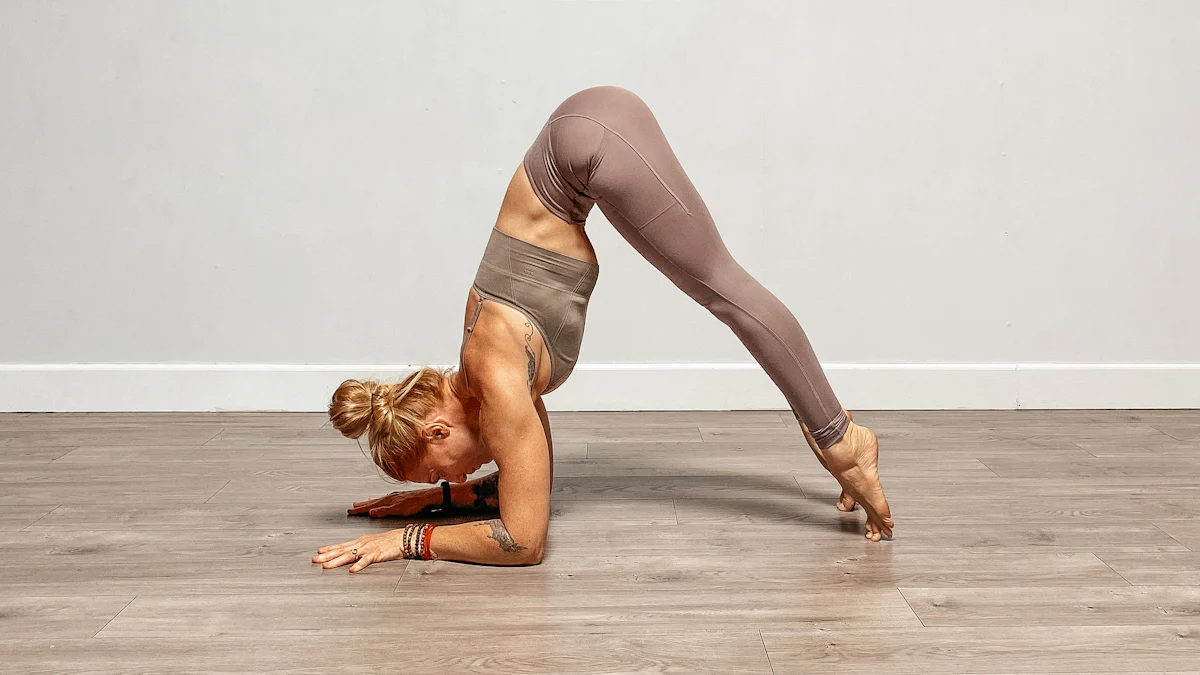
Image Source: unsplash
Yoga poses are essential for improving your physical and mental well-being. Practicing yoga regularly can reduce anxiety by up to 40% and decrease depression by 50% in just three months. Furthermore, yoga promotes concentration and memory, helping you to manage stress effectively. Among the various postures, the pose in Figure 4 stands out for its ability to strengthen the legs and core, while improving focus and mental calm. By incorporating yoga poses from Figure 4 into your routine, you can experience a positive transformation in your overall health.
Types of Yoga Poses
Balancing Poses
Description of balancing poses like Tree Pose (Vrksasana)
The Tree Pose, also known as Vrksasana, invites you to stand on one leg while placing the opposite foot on your inner thigh. Keep your hands together in prayer position in front of your chest. This pose requires concentration and stability, as it challenges you to maintain your balance on one foot.
Benefits of balancing poses for improving concentration and stability
Balancing poses, such as Tree Pose, strengthen the muscles of the foot and ankle. According to a study published in Sport.es, these poses significantly improve balance and stability. With regular practice, you will notice an increase in your ability to concentrate and greater physical stability.
Standing Poses
Description of Standing Poses like Mountain Pose (Tadasana)
Mountain Pose, or Tadasana, is the foundation for many other yoga poses. In this pose, you stand upright with your feet together and your arms at your sides. Make sure to distribute your weight evenly on both feet and align your spine.
Benefits of Standing Poses for Strengthening Legs and Improving Posture
Standing poses, such as Tadasana, strengthen the legs and improve overall posture. By maintaining proper alignment, these poses help develop a solid and stable base. They also strengthen the leg muscles, which contributes to better posture and balance.
Floor Poses
Description of Floor Poses like Child's Pose (Balasana)
Child's Pose, or Balasana, is a resting pose performed on the floor. You kneel and sit back on your heels, then lean forward until your forehead touches the floor. Your arms can be extended forward or at your sides.
Benefits of Floor Poses for Relaxation and Back Stretching
Floor poses, such as Balasana (Child's Pose), offer a space for deep relaxation and back stretching. According to a study by the Boston Medical Center, yoga is as effective as physical therapy for treating lower back pain. By practicing these poses, you can relieve tension in your lower back and promote a sense of calm and well-being.
Forward Bend Poses
Description of Forward Bend Poses such as Paschimottanasana (Seated Forward Bend)
The Seated Forward Bend, also known as Paschimottanasana, invites you to sit with your legs extended forward. Bend your torso toward your legs, trying to touch your toes with your hands. This pose requires you to keep your back straight while bending, which helps stretch the muscles in your back and legs.
Benefits of Forward Bends for Increased Spinal Flexibility
Forward bends, such as the Seated Forward Bend, are excellent for increasing spinal flexibility. By practicing this pose, you stretch the muscles in your back and legs, which contributes to greater flexibility and mobility. Additionally, these poses can help relieve tension in the lower back, promoting a sense of relaxation and well-being.
Backbends
Description of backbends like Upward-Facing Dog (Urdhva Mukha Svanasana)
The Upward-Facing Dog pose, or Urdhva Mukha Svanasana, involves lying face down and lifting your torso while placing your hands on the floor. Extend your arms and lift your chest toward the ceiling, keeping your legs straight and your feet on the floor. This pose opens the chest and stretches the front of the body.
Benefits of backbends for opening the chest and improving breathing
Backbends, like Upward-Facing Dog, are ideal for opening the chest and improving breathing. By practicing this pose, you expand your rib cage, which facilitates deeper and more efficient breathing. Additionally, these poses strengthen the back muscles and improve overall posture, contributing to better body alignment.
Inverted Poses
Description of Inverted Poses like Shoulder Stand (Sarvangasana)
The Shoulder Stand, also known as Sarvangasana, invites you to lift your legs and torso toward the ceiling while keeping your shoulders on the floor. Keep your hands on your lower back to support your body in this inverted position. This pose requires balance and control, as you are inverting the body's natural position.
Benefits of Inverted Poses for Improving Circulation and Concentration
Inverted poses, like Shoulder Stand, offer numerous health benefits. By inverting your body, you improve blood circulation, which can help reduce swelling in the legs and promote better brain oxygenation. Additionally, these poses require concentration and focus, which can improve your attention span and mental clarity.
Figure 4 Yoga Pose
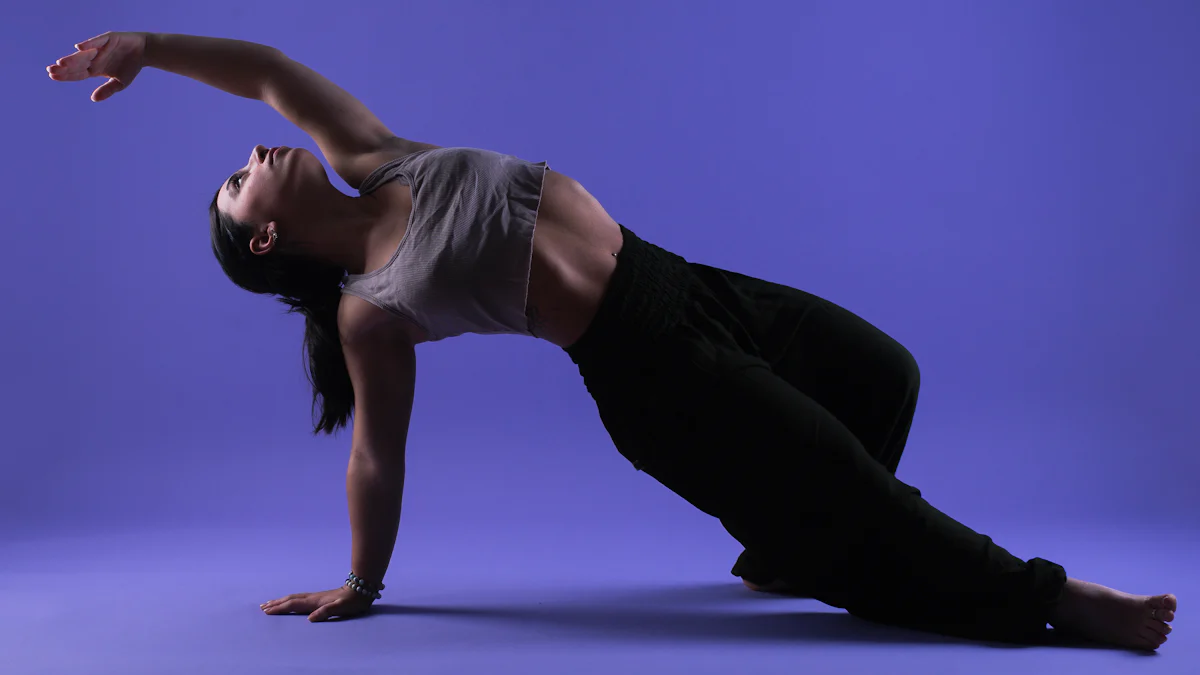
Image Source: unsplash
Pose Description
Sanskrit Name: Eka Pada Utkatasana
The Figure 4 yoga pose, known in Sanskrit as Eka Pada Utkatasana, is a variation of the Chair Pose. This pose challenges your balance and strength, as it requires you to hold a semi-squat position while crossing one foot over the opposite thigh.
Instructions for the Figure-4 Yoga Pose
-
Start standing with your feet together and arms at your sides.
-
Bend your knees slightly and lift your right foot, crossing it over your left thigh.
-
Bend your left knee as if you were sitting in an imaginary chair.
-
Maintain your balance by bringing your hands to the center of your chest in prayer position.
-
Breathe deeply and hold the pose for 5 to 10 breaths.
-
Return to the starting position and repeat with the other leg.
Benefits of the Pose
Physical benefits such as strengthening the legs and core
Practicing Figure-4 yoga poses strengthens the legs and core. By balancing on one leg, you intensely work your leg, gluteal, and abdominal muscles. This pose also improves flexibility in your groin and quadriceps, contributing to a stronger, more toned body.
Mental Benefits such as Improved Focus and Calm
4-leg yoga poses not only benefit the body but also the mind. By concentrating on maintaining your balance, you improve your focus and attention. This pose promotes mental calm, helping you reduce stress and anxiety. Regular practice can lead to greater mental clarity and a general sense of well-being.
Precautions and Contraindications
Precautions to Take to Avoid Injury
When performing 4-leg yoga poses, it is important to take certain precautions to avoid injury. Be sure to warm up properly before practicing and listen to your body. If you feel pain in your knees or back, adjust the pose or use a wall for support.
Contraindications for Certain Conditions Such as Knee Injuries
People with knee injuries should be cautious when practicing this pose. If you have knee problems, consult a healthcare professional before attempting Figure 4 yoga poses. It is also advisable to avoid this pose if you have severe balance problems or recent leg injuries.
Yoga poses are fundamental for improving your physical and mental well-being. Practicing yoga regularly strengthens the body and calms the mind. The Figure 4 pose, in particular, offers unique benefits. Yoga experts highlight its ability to work specific muscles, improving balance and concentration. By incorporating Figure 4 yoga poses into your routine, you not only strengthen your legs and core, but also cultivate a more focused and calm mind. Give it a try and discover the benefits for yourself!
See also
Basic Yoga Poses Guide for Beginners
Guide to Mastering Mountain Pose in Yoga
Restorative Yoga Poses Guide for Beginners

Written by
Maria Yogalife
Maria | Yoga & Wellness Writer at YogaLife.World Maria is a passionate yoga and wellness writer at YogaLife.World, dedicated to sharing knowledge, inspiration, and practical guidance for a healthier, more balanced lifestyle. Through her articles, she explores yoga practices, meditation, mindfulness, holistic wellness, and the transformative benefits of mindful living. With an accessible and inspiring approach, Maria helps readers of all levels discover new practices, deepen their understanding of yoga, and bring greater balance, awareness, and well-being into their everyday lives.
Visit website


