
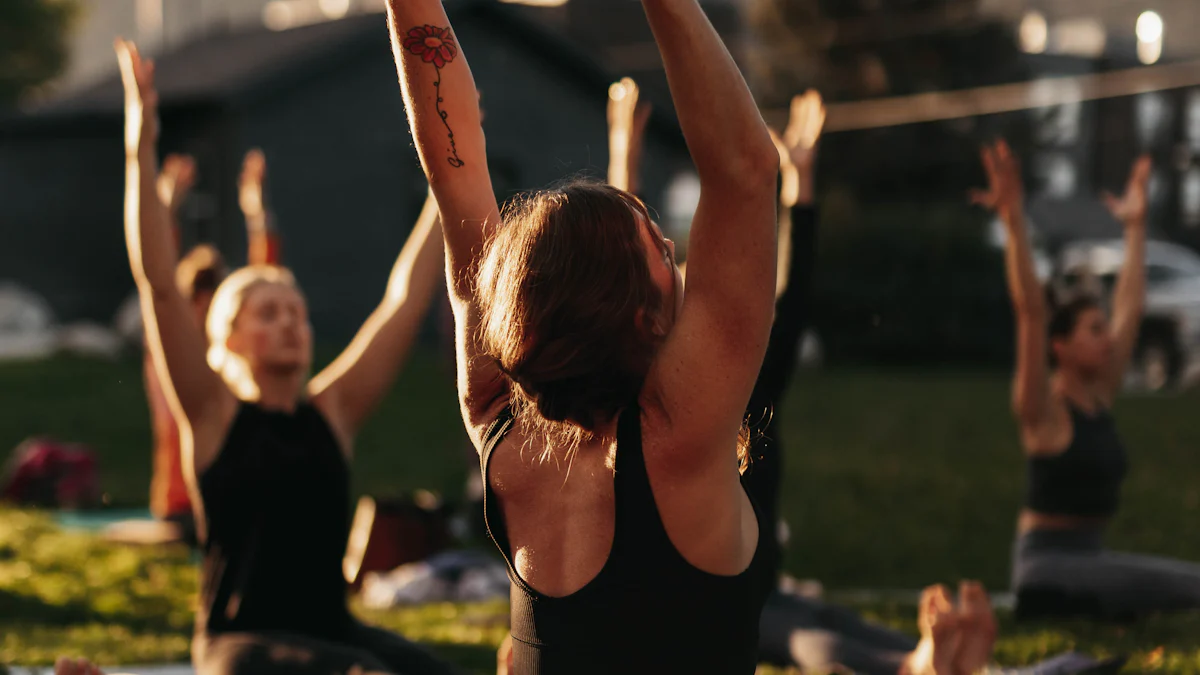
Guide to Choosing the Best Yoga Retreat in France
Image Source: unsplash
Choosing the right yoga retreat in France is essential for enriching your practice. With a 300% increase in the number of practitioners over the last decade, yoga is attracting more and more French people. Approximately 10 million of them have tried yoga at least once in the last three years. France offers a multitude of options for yoga retreats, ranging from nature retreats to urban workshops. You can therefore find a setting that inspires you and meets your personal needs.
General Considerations for a Yoga Retreat
Choosing the Location
Proximity and Accessibility
When choosing a yoga retreat, location plays a crucial role. You should assess how close the retreat is to your home or place of stay. A yoga retreat in Paris offers easy access thanks to the many available transportation options. However, if you prefer a more tranquil setting, consider retreats in other parts of France. These retreats, often located in picturesque regions, allow you to fully immerse yourself in nature.
Environment and Natural Setting
The environment of the yoga retreat greatly influences your experience. A natural setting, such as the mountains or countryside, can promote relaxation and concentration. Yoga retreats in France often offer retreats in enchanting locations, far from the hustle and bustle of the city. These environments help you recharge and reconnect with yourself. Choose a setting that inspires you and meets your personal expectations.
Workshop Duration
Short vs. Long Workshops
The duration of a yoga workshop is another important factor to consider. Workshops in France generally range from a few days to a week. Longer workshops, around a week, allow for a deeper immersion in the practice of yoga. On the other hand, shorter retreats, lasting 2 to 5 days, are better suited to those with busy schedules. Consider the duration that best fits your needs and availability.
Flexible Dates
Flexible dates are essential to ensure the yoga retreat fits well into your schedule. Some retreats offer sessions throughout the year, allowing you to choose the dates that work best for you. This flexibility helps you plan your participation without stress. Be sure to check availability before committing.
Yoga Styles Offered in a Yoga Retreat
Yoga Styles Offered in a Yoga Retreat
Image Source: unsplash
Popular Types of Yoga
Yoga retreats in France offer a variety of styles to suit your preferences and needs. Here are some of the most popular types of yoga you might encounter at a yoga retreat.
Hatha Yoga
Hatha Yoga is often considered the most accessible form of yoga for beginners. It focuses on physical postures (asanas) and breathing techniques (pranayama). This style helps you improve your balance, flexibility, and strength. A study from Temple University showed that practicing Iyengar yoga, a form of Hatha Yoga, improves balance in women over 65. Participating in a Hatha Yoga retreat can therefore be beneficial for your physical and mental health.
Vinyasa Yoga
Vinyasa Yoga is dynamic and fluid, connecting each movement to the breath. This style is ideal if you enjoy fast-paced and varied sequences. It allows you to develop your endurance and concentration. A Vinyasa Yoga retreat offers you the opportunity to immerse yourself in an energizing practice that stimulates your body and calms your mind.
Ashtanga Yoga
Ashtanga Yoga follows a series of specific postures in a precise order. This style is intense and demanding, perfect for those seeking a physical challenge. It improves strength, flexibility, and discipline. An Ashtanga yoga retreat allows you to progress in your practice thanks to a rigorous and repetitive structure.
Adapted to your level
Yoga retreats in France are adapted to all levels of practice, whether you are a beginner or advanced. Here's how these retreats can meet your specific needs.
Beginner
If you are a beginner, choose a yoga retreat that offers classes for beginners. These retreats teach you the basics of yoga, allowing you to become familiar with the postures and breathing techniques. You will learn to listen to your body and progress at your own pace.
Intermediate
For intermediate practitioners, a yoga retreat offers the opportunity to deepen your practice. You explore more complex postures and develop a better understanding of the philosophical aspects of yoga. These retreats help you build confidence and refine your skills.
Advanced
Yoga retreats for advanced practitioners push you to your limits. You'll explore advanced sequences and deeper meditation techniques. These retreats allow you to refine your practice and reach a higher level of mastery and understanding of yoga.
By choosing the right yoga retreat, you can enrich your practice and enjoy the many benefits of yoga, such as improved muscle tone, balance, and flexibility, as well as reduced stress and anxiety.
Choosing an Instructor for Your Yoga Retreat
Choosing the right instructor is crucial to maximizing the benefits of your yoga retreat. A good instructor guides you, inspires you, and helps you progress in your practice. Here are some things to consider when choosing the ideal instructor.
Experience and Qualifications
Recognized Certification
When choosing an instructor for your yoga retreat, ensure they hold a recognized certification. This certification guarantees that the instructor has undergone rigorous training and is qualified to teach yoga. A certified instructor knows the proper techniques and can help you avoid injuries. Check the instructor's affiliations with recognized yoga organizations to ensure the quality of their teaching.
Years of Experience
The instructor's experience plays a significant role in the quality of your yoga retreat. An instructor with several years of experience has likely taught various levels of practitioners and can tailor their classes to your specific needs. Lisa Donnadieu, a yoga expert, emphasizes the importance of experience, mentioning that an instructor with more than 3,500 hours of teaching experience can offer enriching and varied classes. An experienced instructor knows how to create a positive and motivating learning environment.
Teaching Philosophy
Traditional Approach
Some instructors take a traditional approach to teaching yoga. This approach emphasizes classical techniques and ancient yoga philosophies. If you are looking for an authentic and spiritual experience, an instructor with a traditional approach may be the right choice for your yoga retreat. These instructors often incorporate meditation and breathwork practices into their classes, helping you develop a deeper connection with yourself.
Modern Approach
Other instructors prefer a modern approach, incorporating contemporary elements into their teaching. This approach may include innovative yoga styles and current wellness techniques. If you are open to exploring new methods and want a dynamic experience, an instructor with a modern approach can enrich your yoga retreat. Lisa Donnadieu mentions that modern classes can include playful workshops like "partner yoga" or "wall yoga," offering a unique and stimulating experience.
By choosing an instructor who matches your expectations and practice style, you can get the most out of your yoga retreat. Whether you prefer a traditional or modern approach, the important thing is to find an instructor who inspires you and guides you on your personal journey.
Additional Activities During a Yoga Retreat
Additional Activities During a Yoga Retreat
Image Source: unsplash
Participating in a yoga retreat in France isn't limited to practicing asanas. You can enrich your experience with additional activities that promote well-being and cultural discovery.
Well-being and Relaxation
Yoga retreats often include well-being-focused activities to help you relax and recharge.
Meditation
Meditation is an essential practice for achieving a state of inner calm. You can participate in guided meditation sessions that help you refocus and calm your mind. Participants have often expressed their gratitude for these moments of tranquility. One participant shared:
"Exactly what I needed: a fabulous break, disconnected, in a small group, intense, both through the practice of yoga and meditation, and through what each of these moments stirs within us."
Massages
Massages are another popular activity during yoga retreats. They allow you to release muscle tension and promote relaxation. Massages perfectly complement the practice of yoga by offering you a moment of deep relaxation. One testimonial highlights the importance of these treatments:
"The reflexology session with Magali, the organized hike with a picnic worthy of Michelin-starred chefs!!!"
Cultural Activities
Yoga retreats in France also offer opportunities to explore the local culture through various activities.
Local Excursions
Local excursions allow you to discover the surrounding area and immerse yourself in the regional culture. You can participate in hikes, visit historical sites, or explore local markets. These outings enrich your stay by offering a different perspective. One participant appreciated:
"I met some very wonderful people among both the instructors and the other participants. I stepped out of my comfort zone with kindness and support…"
Art Workshops
Art workshops are an excellent way to stimulate your creativity. You can participate in painting, pottery, or other art sessions. These workshops allow you to express your creativity while relaxing. One testimonial highlights the diversity of activities:
"Thanks to the diversity of activities offered, we were able to experience letting go in very different ways."
By integrating these additional activities into your yoga retreat, you enrich your experience and discover new ways to relax and connect with yourself and others.
To choose the best yoga retreat in France, several criteria are essential. Here is a summary of key points to consider:
-
Type of yoga: Identify the style that suits you, whether it's Hatha, Vinyasa, or Ashtanga.
-
Duration and location: Choose a workshop that fits your schedule and geographical preferences.
-
Skill level: Make sure the workshop matches your level, whether you are a beginner, intermediate, or advanced practitioner.
-
Choosing an Instructor: Select a teacher whose experience and teaching philosophy inspire you.
By defining your personal expectations, you can select a workshop that will enrich your practice and meet your specific needs.
See also
Tips for finding the best yoga retreats in France
Guide to choosing the best yoga mat
Tips for choosing the perfect yoga outfit for women

Written by
Maria Yogalife
Maria | Yoga & Wellness Writer at YogaLife.World Maria is a passionate yoga and wellness writer at YogaLife.World, dedicated to sharing knowledge, inspiration, and practical guidance for a healthier, more balanced lifestyle. Through her articles, she explores yoga practices, meditation, mindfulness, holistic wellness, and the transformative benefits of mindful living. With an accessible and inspiring approach, Maria helps readers of all levels discover new practices, deepen their understanding of yoga, and bring greater balance, awareness, and well-being into their everyday lives.
Visit website


