
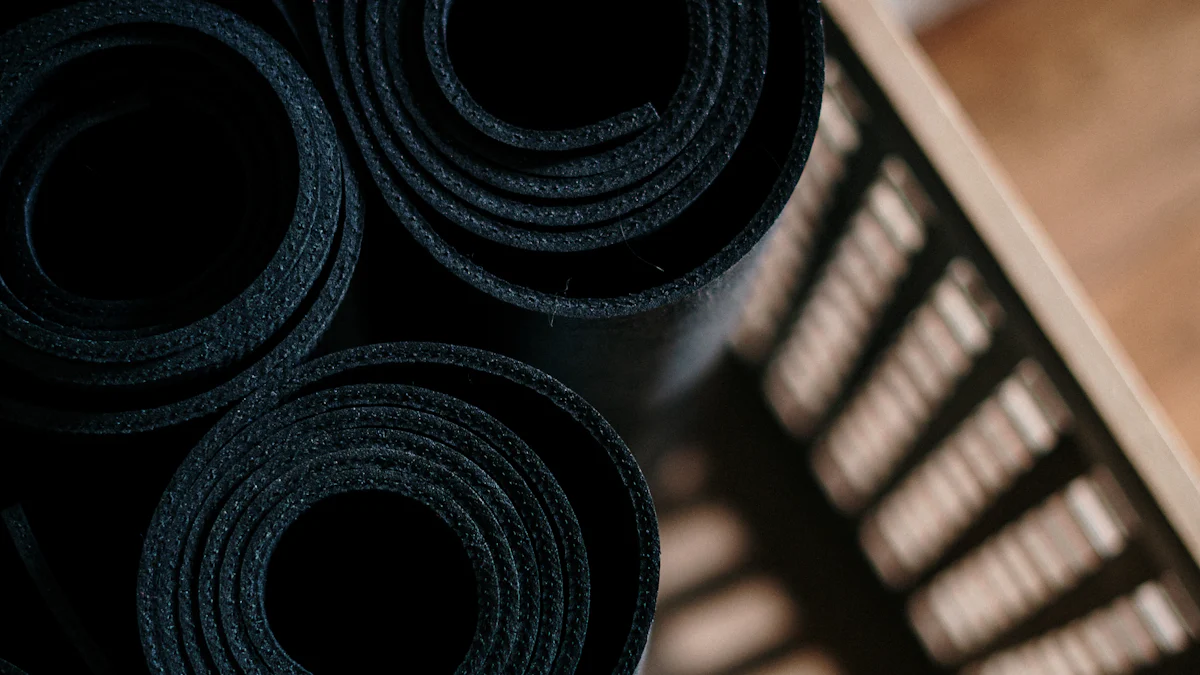
Complete Guide to Choosing the Right Yoga Mat
Image Source: pexels
Choosing the right yoga mat is essential to maximizing the benefits of your practice. A suitable mat offers comfort and stability, allowing you to fully focus on your poses. Yoga improves balance, flexibility, and reduces stress, making it a beneficial activity for everyone, from young children to seniors. To get the most out of these benefits, it's crucial to consider factors such as the thickness, grip, and material of your mat. These elements directly influence your experience and progress in your yoga practice.
Understanding Your Personal Needs
Type of Yoga Practiced
Gentle Yoga
When practicing a gentle style of yoga, such as Hatha or Yin Yoga, you need a mat that offers optimal comfort. The poses are often held for longer periods, which requires adequate support to prevent joint pain. A thick mat, generally between 4 and 6 mm, can provide the necessary comfort. Wool or cork mats are also good options for these practices, as they provide a warm and soft feel.
Dynamic Yoga
For more dynamic yoga styles, such as Ashtanga or Vinyasa, grip and stability are paramount. You need to choose a mat that won't slip, even when you're sweating. Natural rubber mats are often recommended for their excellent grip. A thinner mat, around 3 to 4 mm, may also be preferable for these practices, as it provides better grounding and greater stability in standing poses.
Frequency of Use
Daily Use
If you practice yoga daily, investing in a high-quality mat is essential. You need a durable mat that can withstand wear and tear. Materials like natural rubber or TPE are not only durable but also environmentally friendly. A mat with a closed-cell surface can be more hygienic, as it prevents sweat and bacteria from penetrating.
Occasional Use
For occasional use, you can opt for a more economical mat. However, it's always important to choose a mat that offers a good balance between comfort and grip. Even if you only practice once or twice a week, a quality mat will allow you to fully enjoy each session. PVC mats can be an affordable option while still offering good grip for less frequent practice.
Yoga Mat Selection Criteria
Image Source: pexels
Thickness and Comfort
Thin Mat
A thin mat, usually 3 to 4 mm thick, is ideal for experienced yogis. It offers excellent stability, especially for standing poses. This type of yoga mat allows for better contact with the floor, which improves balance. Thin mats are also lighter, making them easier to carry. However, they offer less cushioning, which can be uncomfortable for extended practice on hard surfaces.
Thick Mats
Thick mats, ranging from 4 to 6 mm, are ideal for those seeking more comfort. They are perfect for gentler practices like Hatha or Yin Yoga. A thick mat offers better cushioning, thus protecting your joints. However, it may be less stable for balancing poses. It is important to choose a yoga mat that balances comfort and stability according to your needs.
Materials and Durability
PVC Mats
PVC mats are popular for their affordability and durability. They offer good grip, even for dynamic practices. However, they are not the most environmentally friendly option. For those looking for an economical and easy-to-maintain yoga mat, PVC remains a viable choice. Regular cleaning with warm water and mild soap is all that's needed to keep them clean.
Natural Rubber Yoga Mats
Natural rubber yoga mats are an excellent choice for those who prioritize the environment. They offer exceptional grip, even during intense perspiration. These yoga mats are made without PVC or harmful substances, making them safe for your practice. While they may be heavier, their durability and comfort make them a worthwhile investment. Brands like Jade Harmony offer high-quality options.
Grip and Stability
Non-Slip Surface
A non-slip surface is crucial to prevent slipping during poses. Yoga mats with good grip allow you to maintain your poses securely. Materials like natural rubber or TPE often offer the best non-slip surfaces. Make sure your mat remains stable, even when you sweat.
Stability on Different Floors
The stability of your yoga mat should be evaluated on different types of flooring. Whether you practice on hardwood, carpet, or tile, your mat should stay in place. Natural rubber mats are often textured to provide good traction on all surfaces. This ensures you can focus on your practice without worrying about slipping.
Budget Considerations
When choosing a yoga mat, budget plays a crucial role. You should assess your needs and priorities to make an informed choice.
Budget Yoga Mats
Affordable Options
For beginners or those who practice yoga occasionally, budget yoga mats are a viable option. These mats, often made of PVC, offer good grip and are easy to care for. You can find affordable models that meet your needs without compromising on quality. Budget mats are ideal for those who want to explore yoga without immediately investing in expensive equipment.
Value for Money
Even with a limited budget, it's possible to find mats that offer excellent value for money. Look for mats that combine durability and comfort at a reasonable price. Materials like TPE can offer an eco-friendly and affordable alternative. By choosing wisely, you can get a mat that will support your practice without breaking the bank.
Investing in a Premium Yoga Mat
Long-Term Benefits
Investing in a premium yoga mat may seem expensive at first, but the long-term benefits are numerous. These mats are often made with high-quality materials, offering exceptional durability. A premium mat can withstand heavy use and maintain its non-slip properties and comfort for years. This allows you to enjoy an optimal yoga experience without having to replace your mat frequently.
Recommended Brands
If you're ready to invest in a superior yoga mat, some brands stand out for their excellence. Lululemon, for example, offers mats designed to deliver unparalleled performance. These models incorporate advanced technologies, such as innovative padding and exceptional grip. While they are more expensive, the quality and durability of these mats justify the investment.
Care and Longevity
Image Source: pexels
Cleaning and Maintenance
Cleaning Methods
To keep your yoga mat in good condition, you should clean it regularly. Use a soft cloth dampened with warm water and mild soap to wipe the surface. Avoid harsh chemicals that could damage the material. For a deeper clean, you can soak the mat in a bathtub filled with warm water and a little white vinegar. Rinse it thoroughly and let it air dry.
Cleaning Frequency
The frequency of cleaning depends on your usage. If you practice daily, clean your mat at least once a week. For occasional use, monthly cleaning is sufficient. Always ensure your mat is completely dry before rolling it up to prevent mold growth.
Storage and Transport
Storage Solutions
To extend the life of your mat, store it properly. Avoid leaving it rolled up in damp places or in direct sunlight. Use a storage bag to protect it from dust and UV rays. A bag with adjustable straps also makes it easier to carry.
Ease of Transport
If you frequently travel with your mat, choose a lightweight and compact model. Thin mats are generally easier to transport. Look for mats that roll up easily and come with a carrying strap. This allows you to take it anywhere effortlessly, whether for a studio class or an outdoor session.
To choose the right yoga mat, you need to consider several essential criteria. Here's a summary of the key points:
-
Thickness and Comfort: Opt for a mat between 3 and 6 mm thick, depending on your practice. A thicker mat offers more comfort, while a thinner mat provides better stability.
-
Materials and Grip: Materials like natural rubber offer excellent grip. Choose based on your environmental and durability preferences.
-
Budget and Quality: Invest in a quality yoga mat for a better long-term experience. Even on a budget, you can find options that offer good value.
In conclusion, assess your personal needs to make an informed choice. A good yoga mat enhances your practice by providing comfort and stability.
See also
Tips for choosing the perfect women's yoga outfit
Review of the Best Yoga Mats for Kids in 2024

Written by
Maria Yogalife
Maria | Yoga & Wellness Writer at YogaLife.World Maria is a passionate yoga and wellness writer at YogaLife.World, dedicated to sharing knowledge, inspiration, and practical guidance for a healthier, more balanced lifestyle. Through her articles, she explores yoga practices, meditation, mindfulness, holistic wellness, and the transformative benefits of mindful living. With an accessible and inspiring approach, Maria helps readers of all levels discover new practices, deepen their understanding of yoga, and bring greater balance, awareness, and well-being into their everyday lives.
Visit website


