
Image Source: pexels
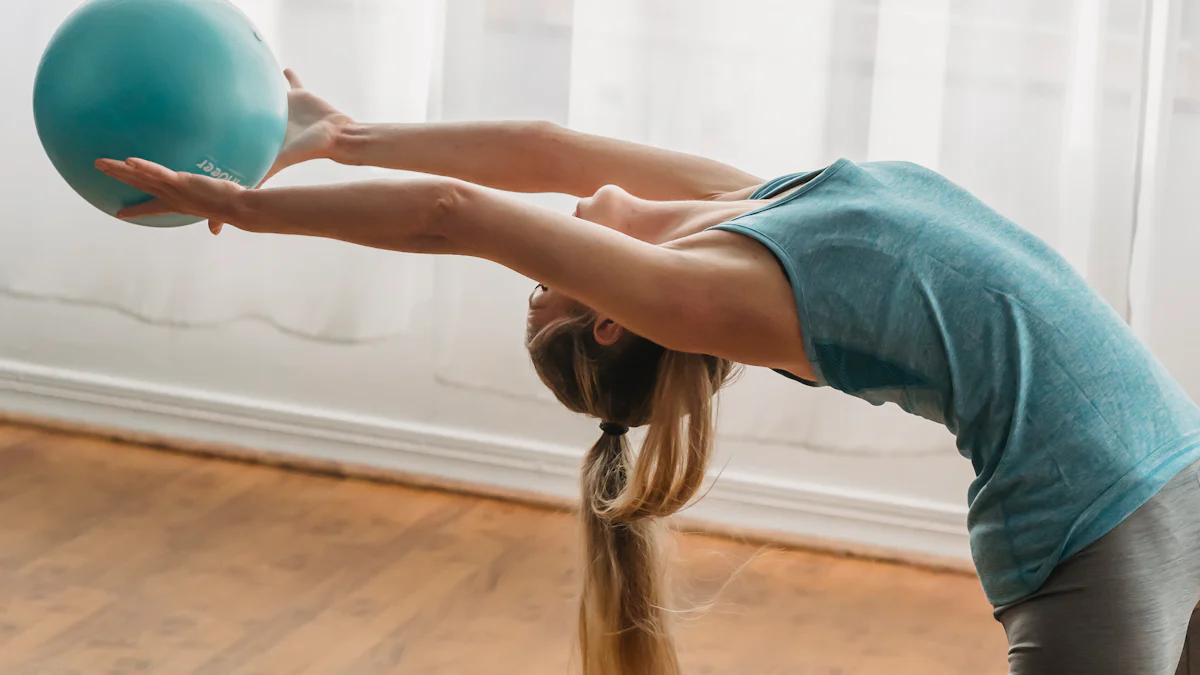
Choosing the right yoga equipment is crucial for enhancing your practice and aligning it with your personal needs and values. Well-selected equipment not only optimizes your experience but can also help reduce stress and anxiety. In fact, 80% of people who practice yoga regularly report a decrease in their stress levels. Consider aspects such as the type of yoga you practice and the sustainability of the equipment. These factors not only affect your physical well-being but also your connection with the environment and your commitment to a healthy lifestyle.
Key Criteria for Selecting Yoga Equipment
Choosing the right yoga equipment can make a big difference in your practice. Here are some key criteria to consider:
Investment Level
Your budget directly influences the quality and durability of the yoga equipment you can purchase. There are affordable options that meet the basics, but if you're looking for a more complete experience, investing in higher-quality products can be beneficial. For example, a natural rubber yoga mat is a sustainable and durable option, although it may be more expensive. This type of mat is biodegradable and offers excellent grip, ideal for those looking for an eco-friendly and long-lasting product.
Frequency of Use
The frequency with which you practice yoga should also guide your choice of yoga equipment. If you practice daily, you'll need products that can withstand constant use. A cork yoga mat could be a good option, as it's hypoallergenic and has antifungal and antibacterial properties, making it very hygienic. However, if you only practice occasionally, you could opt for more basic materials that are suitable for less intensive use.
Type of Yoga Practiced
The type of yoga you practice determines the type of yoga equipment you need. For gentler styles of yoga, a thicker mat can provide the necessary comfort. On the other hand, for practices like hot yoga, where perspiration is high, a thin, non-slip mat is essential. These mats are usually made of absorbent materials like microfiber, with a rubber base to improve grip even when wet.
By considering these criteria, you can select the yoga equipment that best suits your needs and lifestyle, ensuring a more effective and enjoyable practice.
Personal Values
Your personal values play a crucial role when choosing yoga equipment. Opting for products that reflect your principles can enrich your practice and strengthen your connection with yoga. Here are some important considerations:
-
Sustainability: If you are concerned about the environment, look for eco-friendly yoga equipment. For example, a natural rubber mat is an excellent choice. This material is sustainably sourced and biodegradable. It also offers exceptional grip, which improves stability during practice. However, keep in mind that natural rubber can be heavier and is not suitable for people with latex allergies.
-
Ethics and Social Responsibility: Consider the social impact of the products you buy. Some brands are committed to fair trade practices and ethical production. By choosing yoga equipment from these brands, you support communities and workers who are treated fairly.
-
Health and Well-being: Your health is paramount. Opt for yoga equipment that is safe and non-toxic. A cork mat is a hypoallergenic option and has antifungal and antibacterial properties. While not ideal for very humid environments, its non-slip surface provides safety during practice.
-
Minimalism and Simplicity: If you prefer a minimalist approach, choose yoga equipment that is versatile and easy to maintain. A thin, non-slip mat can be ideal for those seeking simplicity without compromising functionality. These mats are lightweight and easy to transport, perfect for those who practice in different locations.
By considering your personal values when selecting yoga equipment, you not only enhance your practice but also contribute to a more conscious and responsible world. Every choice you make reflects your commitment to a healthy and sustainable lifestyle.
Choosing a Yoga Mat
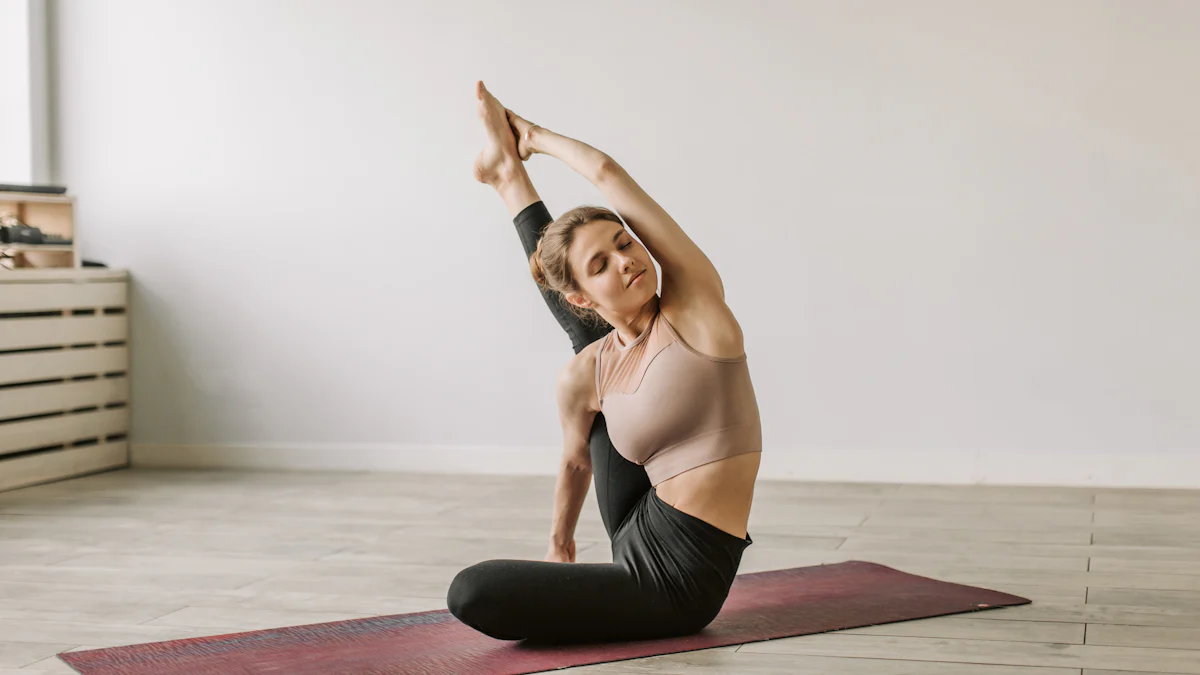
Image Source: pexels
Choosing the right mat is fundamental to your yoga practice. This yoga equipment not only provides physical support but also reflects your personal values and your commitment to well-being.
Materials and Textures
When selecting a mat, the material is crucial. The most common materials include PVC, natural rubber, and TPE. Each has unique characteristics. PVC is durable and inexpensive, but it is not biodegradable. Natural rubber, on the other hand, is a sustainable option and offers excellent grip. However, it can be heavier and is not suitable for people with latex allergies. TPE is a more eco-friendly alternative to PVC and offers a good combination of durability and sustainability.
The texture of the mat also influences your practice. A rougher texture provides better grip, ideal for yoga styles that require stability. Mats with specific textures improve grip and prevent slipping, which is essential for maintaining stability in poses.
Thickness and Size
The thickness of the mat directly affects comfort and support. Thicker mats, up to 6 mm, offer greater cushioning, which is beneficial for gentle practices or for those with sensitive joints. However, a thinner mat, 3 to 4 mm thick, provides a closer connection to the ground, which may be preferable for more dynamic yoga styles.
Size is also important. Make sure the mat is long and wide enough to accommodate your body in different poses. A standard mat is approximately 173 cm long and 61 cm wide, but larger options are available for those who need them.
Ease of Transport
If you plan to take your mat to classes or practice in different locations, ease of transport is a key factor. Travel mats are thinner and lighter, making them ideal for carrying with you. Look for mats that roll up easily and include a carrying strap or bag. This not only makes transport easier but also protects the mat from damage.
By considering these aspects, you can choose the yoga equipment that best suits your needs and lifestyle. Remember that every choice you make reflects your personal values and your commitment to a healthy and sustainable lifestyle.
Other Important Accessories
Image Source: pexels
In addition to your yoga mat, other accessories can significantly enhance your yoga practice. These items not only provide physical support but can also help you deepen your poses and improve your alignment.
Yoga Blocks
Yoga blocks are versatile tools that can help you achieve more challenging poses or maintain proper alignment. They are available in different materials, such as foam, cork, and wood. Foam blocks are lightweight and inexpensive, ideal for beginners. However, cork blocks offer greater stability and are more environmentally friendly. These blocks are durable and provide good support, making them suitable for more intense practices.
Yoga Straps
Yoga straps are essential for improving flexibility and achieving poses that would otherwise be difficult. You can use them to stretch and lengthen your muscles, which helps prevent injuries. Straps are usually made of cotton or synthetic materials. Cotton straps are soft and comfortable, while synthetic ones can be more durable. When choosing a strap, make sure it has a sturdy buckle to adjust the length to your needs.
Appropriate Yoga Clothing
The clothing you wear during yoga practice should be comfortable and allow freedom of movement. Opt for breathable, moisture-wicking fabrics, such as cotton or technical materials. These fabrics help keep you dry and comfortable during your practice. Avoid clothing that is too tight or has uncomfortable seams that could restrict your movement. Also, consider the sustainability of the materials. Some brands offer yoga clothing made from recycled or sustainable materials, reflecting a commitment to the environment.
By incorporating these accessories into your practice, you can enhance your yoga experience and progress on your path to physical and mental well-being. Remember that every choice you make, from blocks to clothing, reflects your personal values and your commitment to a healthy and mindful lifestyle.
Tips for Buying and Maintaining Equipment
Where to Buy
Finding the right place to buy your yoga equipment is essential to ensure the quality and durability of the products. Here are some recommendations:
-
Specialty Yoga Stores: These stores typically offer a wide range of high-quality products. You can find everything from mats to clothing and accessories specifically designed for yoga. In addition, the staff is usually knowledgeable and can advise you on the best options for your needs.
-
Online Stores: Platforms like Amazon or online yoga retailers offer a wide variety of products. The advantage of online shopping is the convenience and the ability to compare prices and read reviews from other users. However, be sure to check the seller's reputation and return policies before making a purchase.
-
Yoga Fairs and Events: These events are an excellent opportunity to discover new brands and products. You can also try products before buying them and often get special discounts.
-
Sustainable Brands: If sustainability is one of your personal values, look for brands committed to eco-friendly practices. Many of these brands offer products made from recycled or biodegradable materials, such as natural rubber yoga mats.
Equipment Maintenance
Proper care of your yoga equipment prolongs its lifespan and ensures a safe and hygienic practice. Here are some tips to keep your equipment in top condition:
-
Yoga Mats: Clean your mat regularly with a damp cloth and a mild cleaner. Avoid harsh chemicals that can damage the material. If your mat is made of natural rubber, avoid prolonged exposure to sunlight to prevent deterioration.
-
Yoga Blocks: Foam blocks are easy to clean with a damp cloth. Cork blocks may require a little more care; clean them with a dry cloth and avoid excessive moisture to maintain their integrity.
-
Yoga Clothing: Wash your yoga clothing in cold water with a mild detergent to preserve the colors and elasticity. Avoid using fabric softener, as it can affect the breathability of the fabrics.
-
Yoga Straps: Hand wash them or use a gentle cycle in the washing machine. Make sure to dry them completely before storing to prevent mold.
-
Maintaining your yoga equipment in good condition not only enhances your practice experience but also reflects your commitment to a mindful and responsible lifestyle.
Choosing the perfect yoga equipment requires attention to several key aspects. Consider your budget, frequency of use, and the type of yoga you practice. Personalize your choice according to your personal values, such as sustainability and ethics. This not only improves your practice but also reinforces your commitment to a mindful lifestyle.
"Yoga practice is a personal journey; choose equipment that accompanies you every step of the way."
Ultimately, enjoy a more fulfilling practice by selecting equipment that aligns with your needs and principles.
See also
How to Choose the Best Yoga Pants for Women
Steps to Finding Your Ideal Yoga Studio

Written by
Maria Yogalife
Maria | Yoga & Wellness Writer at YogaLife.World Maria is a passionate yoga and wellness writer at YogaLife.World, dedicated to sharing knowledge, inspiration, and practical guidance for a healthier, more balanced lifestyle. Through her articles, she explores yoga practices, meditation, mindfulness, holistic wellness, and the transformative benefits of mindful living. With an accessible and inspiring approach, Maria helps readers of all levels discover new practices, deepen their understanding of yoga, and bring greater balance, awareness, and well-being into their everyday lives.
Visit website


