
Image Source: pexels
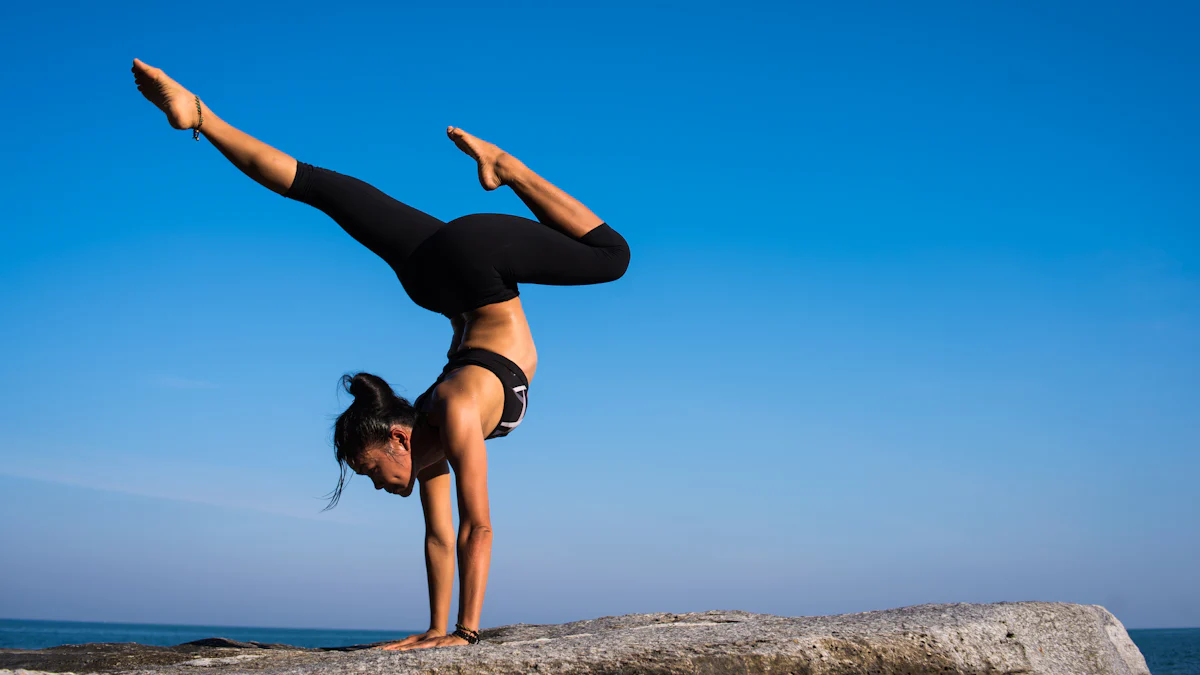
Yoga is an ancient practice that offers numerous benefits for physical and mental health. By practicing yoga, you can experience improvements in flexibility, strength, and balance. Furthermore, yoga acts as a powerful antidote to loneliness and lifts your spirits, as 43% of practitioners seek a boost of happiness. Knowing each yoga pose and its name allows you to deepen your practice, ensuring correct and safe execution. This not only improves your physical well-being but also enriches your emotional and mental experience.
Types of Yoga
Hatha Yoga
Main Characteristics
Hatha Yoga is one of the most traditional and accessible styles. It focuses on body alignment and controlled breathing. Postures are held for extended periods, allowing for greater concentration and connection with the body. This type of yoga is ideal for beginners, as it introduces basic postures in a slow and mindful way.
Specific Benefits
Practicing Hatha Yoga improves flexibility and muscle strength. It also helps reduce stress and anxiety, promoting a state of mental calm. According to studies, yoga can improve brain health and the function of neurotransmitters such as serotonin, contributing to emotional and mental well-being.
Vinyasa Yoga
Main Characteristics
Vinyasa Yoga is characterized by its fluidity and dynamism. The postures flow seamlessly into one another, synchronizing movement with the breath. This style of yoga is more vigorous and can be considered a cardiovascular exercise, as it raises the heart rate and improves endurance.
Specific Benefits
Vinyasa Yoga strengthens the cardiovascular system and improves coordination and balance. Furthermore, as a more intense practice, it helps release accumulated tension and improve concentration. Regular Vinyasa practice may lower blood pressure and improve brain network connectivity, according to research.
Other Types of Yoga
Ashtanga Yoga: Characteristics and Benefits
Ashtanga Yoga is a structured and challenging style. It is based on a fixed series of postures performed in a specific order. This type of yoga requires discipline and commitment, as each session follows the same sequence. The benefits of Ashtanga include a significant increase in strength and flexibility, as well as improved concentration and mental clarity.
Kundalini Yoga: Characteristics and Benefits
Kundalini Yoga focuses on internal energy and spirituality. It combines physical postures, breathing techniques, mantras, and meditation. This style of yoga seeks to awaken kundalini energy, which is said to reside at the base of the spine. The benefits of Kundalini include heightened spiritual awareness, stress reduction, and a sense of inner peace. Furthermore, studies have shown that yoga can reduce anxiety and increase emotional and social well-being.
Yoga Poses and Their Names
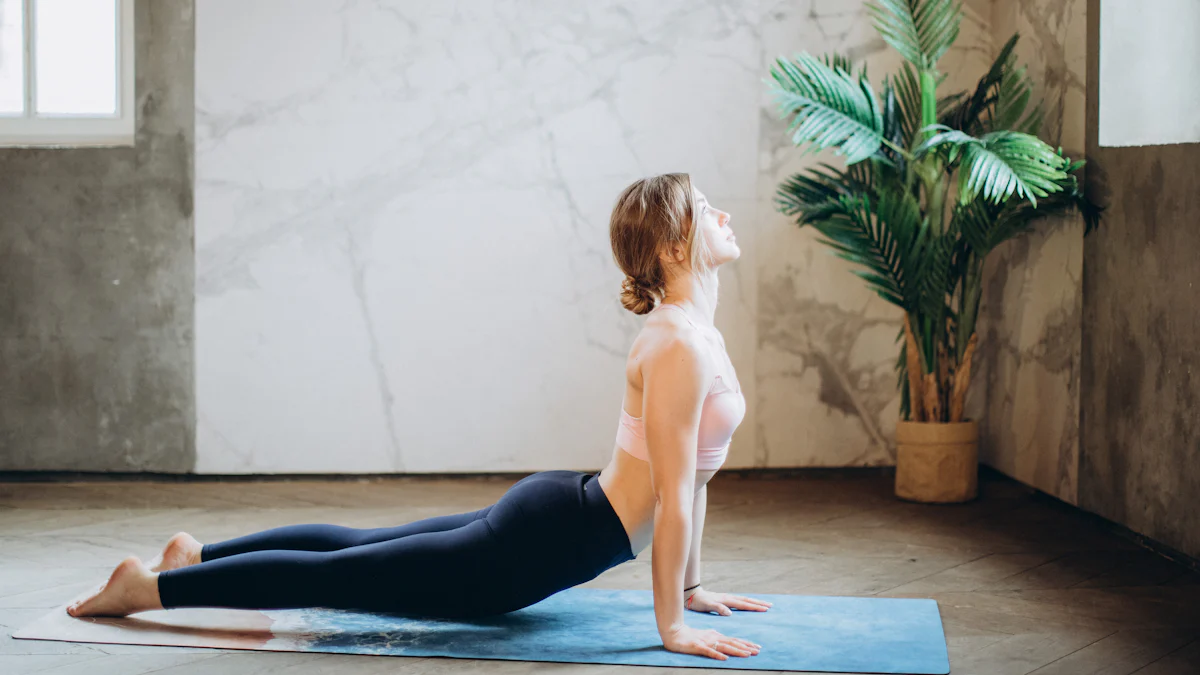
Image Source: pexels
Knowledge of each yoga pose and its name is essential for an effective and safe practice. By familiarizing yourself with these poses, you can improve your technique and obtain maximum physical and mental benefits.
Standing Poses
Standing poses are fundamental in yoga. They help improve balance and stability, strengthening the legs and core.
Tadasana (Mountain Pose)
Tadasana, or Mountain Pose, is the foundation of many other yoga poses. When practicing it, you focus on the alignment of the body from the feet to the head. This yoga pose and its name reflect the stability and strength of a mountain. To perform it, stand with your feet together, distribute your weight evenly, and lengthen your spine. Keep your arms at your sides and breathe deeply. This pose improves posture and promotes concentration.
Virabhadrasana I (Warrior I)
Virabhadrasana I, known as Warrior I, is a powerful pose that strengthens the legs and opens the chest. By practicing this yoga pose and its name, you connect with the energy and courage of a warrior. To perform this pose, step forward with your right foot, bend your knee, and extend your arms overhead. Keep your hips aligned forward and breathe deeply. This pose improves stamina and concentration.
Seated Poses
Seated poses are ideal for meditation and relaxation. They help calm the mind and improve hip and spinal flexibility.
Sukhasana (Easy Pose)
Sukhasana, or Easy Pose, is a classic meditation pose. By sitting in this yoga pose, you can experience a sense of calm and inner peace. Sit cross-legged, keep your back straight, and place your hands on your knees. Close your eyes and breathe deeply. This pose is excellent for meditation and introspection.
Padmasana (Lotus Pose)
Padmasana, or Lotus Pose, is an advanced pose that symbolizes purity and enlightenment. By practicing this yoga pose and learning its name, you connect with the tradition and spirituality of yoga. Sit cross-legged, placing each foot on the opposite thigh. Keep your back straight and your hands in mudra on your knees. This pose improves hip flexibility and promotes deep meditation.
Backbends
Backbends are energizing poses that open the chest and strengthen the back. They help improve posture and release accumulated tension.
Bhujangasana (Cobra Pose)
Bhujangasana, or Cobra Pose, is a backbend that strengthens the back and opens the chest. By practicing this yoga pose and learning its name, you connect with the energy and vitality of a cobra. Lie face down, place your hands under your shoulders, and lift your chest while keeping your elbows close to your body. This pose improves spinal flexibility and relieves stress.
Upward-Facing Dog (Urdhva Mukha Svanasana)
Upward-Facing Dog (Urdhva Mukha Svanasana) is a yoga pose that strengthens the arms and opens the chest. Practicing this yoga pose and its name reflects a sense of openness and expansion. Lie face down, place your hands under your shoulders, and lift your body while keeping your legs straight. This pose improves posture and increases energy.
Twists
Twists in yoga are poses that help detoxify the body and improve spinal flexibility. Practicing these poses can bring a sense of release and renewal.
Half Spinal Twist (Ardha Matsyendrasana)
Half Spinal Twist (Ardha Matsyendrasana) is a yoga pose, and its name reflects its connection to the tradition and history of yoga. To perform it, sit with your legs extended, bend your right knee, and place your right foot next to your left thigh. Twist your torso to the right, placing your left elbow on the outside of your right knee. This pose improves digestion and relieves tension in the back.
Marichyasana III
Marichyasana III is a twisting pose that strengthens the spine and improves mobility. By practicing this yoga pose and understanding its name, you connect with your inner energy and concentration. Sit with one leg extended and the other bent, twist your torso toward the bent leg, and place your elbow on the outside of your knee. This pose helps release toxins and improves circulation.
Inversions
Inversions are poses that reverse blood flow, providing unique benefits for the body and mind. By practicing these poses, you can experience a sense of calm and mental clarity.
Sirsasana (Headstand)
Sirsasana, or headstand, is a yoga pose, and its name symbolizes balance and stability. To perform this pose, place your forearms on the floor, interlace your fingers, and rest the crown of your head on the floor. Lift your legs upward, keeping your body aligned. This posture improves blood circulation and increases concentration.
Shoulderstand (Sarvangasana)
Sarvangasana, or Shoulderstand, is an inversion pose that strengthens the neck and shoulders. By practicing this yoga pose and its names, you experience a sense of balance and serenity. Lie on your back, lift your legs and torso, and place your hands on your lower back. This pose improves thyroid function and promotes relaxation.
Yoga, with its essential components of muscle stretching, breath control, and meditation, offers significant health benefits. Although evidence is limited, studies suggest that these practices can improve physical and mental well-being.
Pose Details
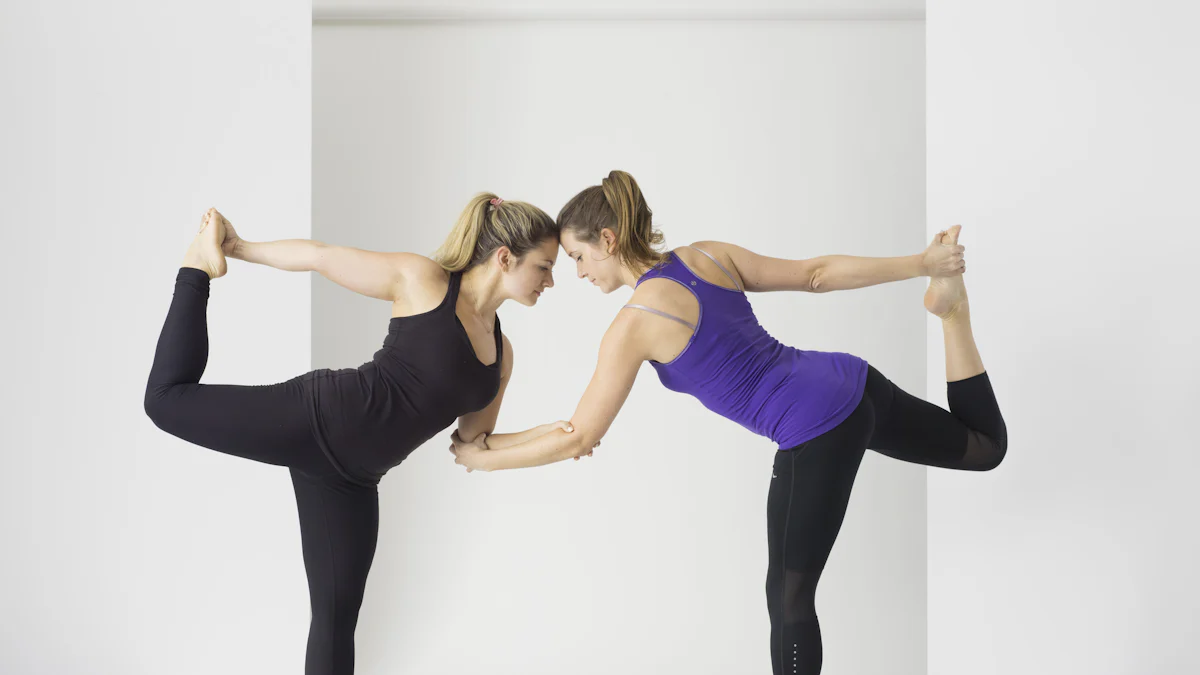
Image Source: unsplash
How to Perform Each Pose
Step-by-Step Instructions
To perform each yoga pose correctly, follow these detailed instructions:
- Tadasana (Mountain Pose):
-
Stand with your feet together and distribute your weight evenly.
-
Lengthen your spine and relax your shoulders.
-
Keep your arms at your sides and breathe deeply.
- Virabhadrasana I (Warrior I):
-
Step forward with your right foot.
-
Bend your right knee and extend your arms overhead.
-
Make sure your hips are aligned forward.
- Sukhasana (Easy Pose):
-
Sit cross-legged with your back straight.
-
Place your hands on your knees and close your eyes.
-
Breathe deeply and relax.
Tips for Beginners
-
Listen to your body: Don't force any pose. If you feel pain, stop and adjust your position.
-
Use props: Blocks and straps can help you maintain balance and alignment.
-
Practice regularly: Consistency is key to improving in yoga. Dedicate at least 10 minutes a day.
Benefits of Each Pose
Physical Benefits
-
Tadasana: Improves posture and strengthens leg muscles.
-
Virabhadrasana I: Strengthens legs and improves hip flexibility.
-
Sukhasana: Increases hip flexibility and relieves back tension.
Mental Benefits
-
Tadasana: Promotes concentration and mental calm.
-
Virabhadrasana I: Increases confidence and determination.
-
Sukhasana: Facilitates meditation and reduces stress.
Contraindications
General Precautions
-
Consult a doctor: Before beginning any yoga practice, especially if you have pre-existing medical conditions.
-
Avoid overexertion: Listen to your body and don't push yourself beyond your limits.
Specific Situations to Avoid
-
Recent Injuries: Avoid poses that could aggravate back, knee, or neck injuries.
-
Pregnancy: Consult a prenatal yoga instructor to adapt the poses to your needs.
Muscle Groups Involved
When practicing yoga, you work different muscle groups that contribute to improving your strength, flexibility, and balance. Knowing the primary and secondary muscles involved in each pose helps you better understand how yoga benefits your body.
Primary Muscles
- Tadasana (Mountain Pose):
-
Quadriceps: These muscles on the front of the thigh are activated to keep the legs straight and stable.
-
Core Muscles: These include the abdominal and lower back muscles, which help maintain an upright and balanced posture.
- Virabhadrasana I (Warrior I):
-
Glutes: Activated to stabilize the pelvis and provide strength to the pose.
-
Chest muscles: Help open the chest and keep the arms raised.
- Sukhasana (Easy Pose):
-
Back muscles: Keep the spine straight and support the seated posture.
-
Hip flexors: Allow the legs to cross comfortably.
Secondary Muscles
- Tadasana (Mountain Pose):
-
Muscles of the feet and ankles: Help maintain balance and stability.
-
Trapezius muscles: Contribute to relaxing the shoulders and lengthening the neck.
- Virabhadrasana I (Warrior I):
-
Hamstrings: Provide stability to the back leg.
-
Deltoids: Help keep the arms raised and aligned.
- Sukhasana (Easy Pose):
-
Neck Muscles: Help keep the head upright and aligned with the spine.
-
Shoulder Muscles: Contribute to relaxing the arms and maintaining a comfortable posture.
By understanding which muscles are activated in each pose, you can adjust your practice to focus on specific areas that need strengthening or flexibility. This not only improves your technique but also prevents injuries and maximizes the benefits of yoga.
Practicing yoga offers a unique opportunity to improve both your physical and mental health. By integrating yoga into your daily life, you can experience greater flexibility, strength, and balance. Yoga also helps reduce stress and find a state of mental calm. To begin, dedicate a few minutes each day to practicing basic poses like Tadasana or Sukhasana. Remember that consistency is key. Over time, you'll notice how yoga transforms your overall well-being, allowing you to live a fuller and more mindful life.
See also
Restorative Yoga Poses Guide for Beginners
Guide to Coloring Yoga Poses with Children
Complete Guide to a Kids' Yoga Routine

Written by
Maria Yogalife
Maria | Yoga & Wellness Writer at YogaLife.World Maria is a passionate yoga and wellness writer at YogaLife.World, dedicated to sharing knowledge, inspiration, and practical guidance for a healthier, more balanced lifestyle. Through her articles, she explores yoga practices, meditation, mindfulness, holistic wellness, and the transformative benefits of mindful living. With an accessible and inspiring approach, Maria helps readers of all levels discover new practices, deepen their understanding of yoga, and bring greater balance, awareness, and well-being into their everyday lives.
Visit website


