
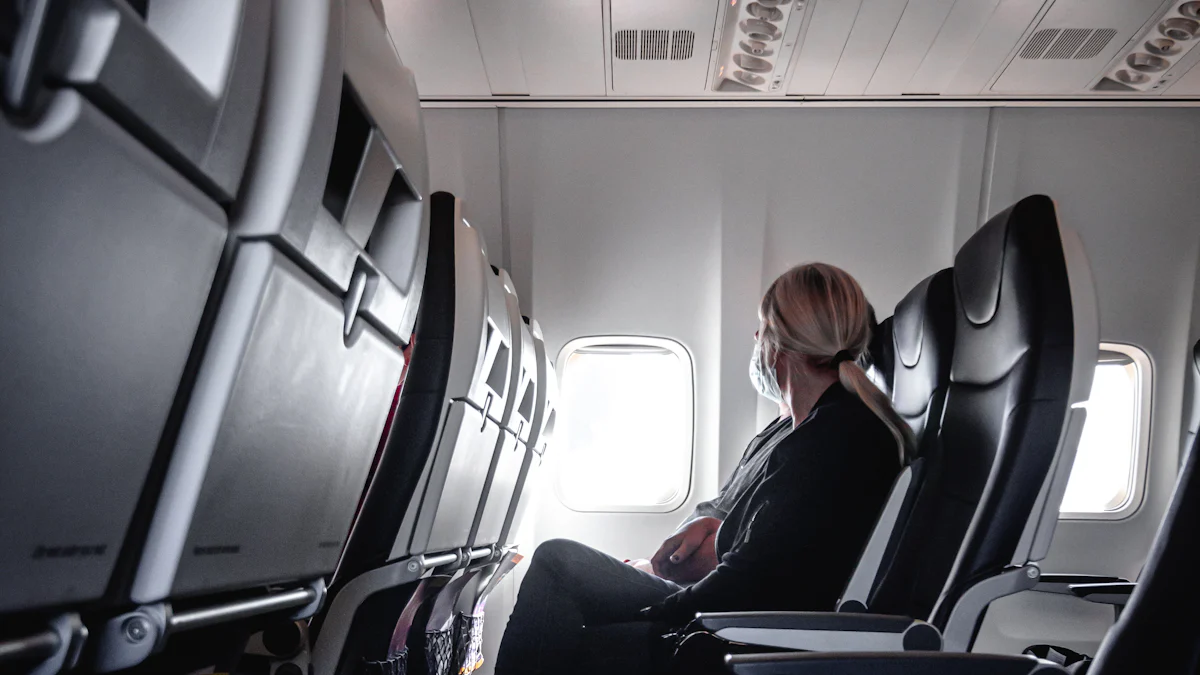
Image Source: unsplash
Air travel can be stressful and tiring, but yoga on a plane is a great way to stay healthy and relaxed during the flight. Performing simple yoga exercises like twists and stretches helps relax muscles and improve circulation. Research shows that regular yoga practice reduces stress and improves well-being. With airplane yoga, you can enjoy peace and comfort even at an altitude of 10,000 meters. Discover five ways to help you incorporate yoga into your journey.
Preparing for airplane yoga
Choosing the right seat
Finding a space to exercise
During a flight, finding a suitable space to exercise can be a challenge. However, it's worth finding a seat that allows you to move freely. If possible, choose an aisle seat. This will give you more space to stretch and exercise. You can also take advantage of the moment when other passengers stand up to stretch their legs. This is the perfect time for a short yoga session.
Tips for Choosing a Seat
Choosing the right seat is crucial for your comfort when practicing yoga on a plane. Try to avoid window seats, which restrict movement. Aisle seats offer more freedom and easier access. If possible, book a seat in the front of the plane, where there is usually more legroom.
Essential Accessories
Using a Pillow or Blanket
A pillow or blanket can be invaluable when practicing yoga on a plane. A pillow can support your back or neck, making your practice more comfortable. A blanket can also be used as a yoga mat, providing an extra layer of protection and comfort. A Non-slip yoga towel is also a great alternative, as it is lightweight and easy to pack.
Water and Hydration
It's important to stay hydrated during a flight. Remember to always carry a bottle of water with you. Drinking water regularly helps you stay hydrated, which is crucial for your health and well-being. Moisturizing your skin is also important, so it's worth carrying a moisturizer to keep your skin in good condition during a long flight.
Breathing Exercises
Breathing Techniques
Diaphragmatic Breathing
Diaphragmatic breathing is one of the simplest and most effective breathing techniques you can practice on a plane. Sit comfortably, close your eyes, and focus on your breathing. Inhale deeply through your nose, allowing your belly to rise, and then exhale slowly through your mouth. This technique helps increase lung capacity and improve blood circulation. Regularly practicing diaphragmatic breathing can also support lung health (https://pulsmedycyny.pl/medycyna/choroby-ukladu-oddechowego/joga-i-cwiczenia-oddechowe-polaczone-z-treningiem-aerobowym-dobre-dla-chorych-na-astme-badanie/), which is especially beneficial for people with asthma.
Mindfulness Breathing
Mindfulness breathing is a technique that involves fully focusing on each inhalation and exhalation. Sit up straight, close your eyes, and concentrate on the rhythm of your breathing. Notice how the air moves in and out of your body. This practice helps reduce stress and improves concentration. Research shows that regulating your breathing can lower cortisol levels (https://gazetakrakowska.pl/oddychanie-pudelkowe-to-swietna-technika-relaksacyjna-wystarczy-5-powtorzen-aby-sie-uspokoic-i-nabrac-energii/ar/c14-18192921), the stress hormone, contributing to a better mood.
Benefits of Breathing Exercises
Stress Reduction
Breathing exercises are an excellent tool for reducing stress during a flight. Deep, controlled breathing helps calm your mind and body. This can help you feel more relaxed and focused. Research indicates that breathing techniques can help with hyperventilation (https://www.poradnikzdrowie.pl/zdrowie/uklad-oddechowy/hiperwentylacja-przyczyny-zbyt-szybkiego-glebokiego-oddechu-aa-ebzg-5QH6-LW4i.html), which is especially helpful in stressful situations.
Improving Concentration
Regularly practicing breathing exercises can significantly improve your concentration. Focusing on your breathing helps calm your mind and increase your ability to focus on the task at hand. This is especially important on long flights, when it's easy to get distracted. Yoga and meditation, including breathing techniques, can enhance quality of life and well-being, making them an ideal travel companion. Stretching and Mobility
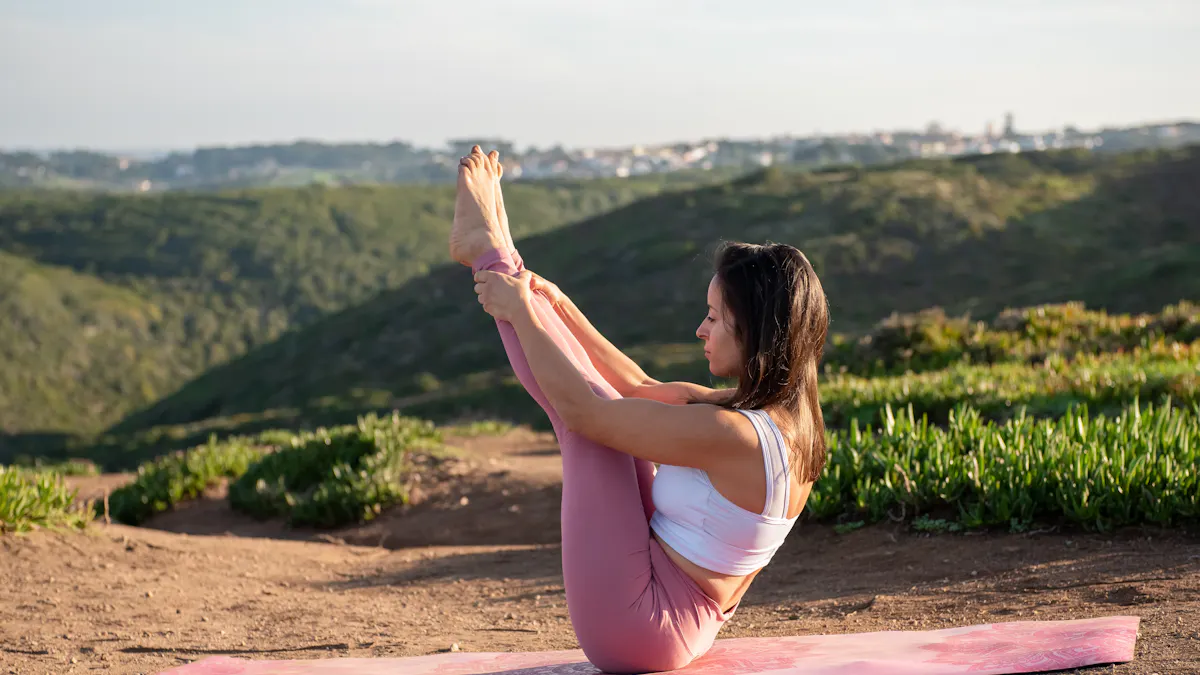
Image Source: pexels
Simple Stretches
Neck and Shoulder Stretches
During a long flight, your muscles can become tense, especially around your neck and shoulders. To prevent this, do some simple stretches. Sit comfortably, lower your shoulders, and gently tilt your head to the side, holding the position for a few seconds. Then repeat on the other side. You can also raise your arms up and then lower them to release tension. These exercises will help strengthen your muscles and improve your posture.
Leg and Back Stretches
Sitting for long periods can lead to stiff legs and back. To prevent this, try a few simple stretches. Straighten one leg in front of you, then gently lean forward, trying to touch your toes. Repeat with the other leg. You can also gently twist your torso to stretch your back. These exercises will not only improve your mobility but also help reduce tension around the sciatic nerve.
Circulation Exercises
Foot Circulation
During a flight, it's important to maintain good blood circulation, especially in the lower body. Foot circulation is a simple exercise you can do in your seat. Lift one foot and make circular movements in one direction, then the other. Repeat with the other foot. Regularly practicing this exercise will help prevent swelling and improve blood circulation.
Wrist Circulation
Don't forget about your wrists either. They can become stiff during a flight, especially if you're using electronic devices. To prevent this, perform wrist circulation. Raise your arms in front of you and rotate your wrists in one direction, then the other. This simple exercise will help maintain flexibility and prevent arm fatigue.
Regularly practicing these exercises will not only improve your mobility but also strengthen your leg muscles, arms, and abdominal muscles, which are crucial for maintaining good posture and concentration during a flight.
Meditation and Relaxation

Image Source: unsplash
During a flight, meditation and relaxation can become your best friends. They help you maintain calm and balance, even in the confined space of an airplane.
Meditation Techniques
Mindfulness Meditation
Mindfulness meditation is an excellent way to focus on the present moment. Sit comfortably, close your eyes, and concentrate on your breathing. Notice how the air moves in and out of your body. If your thoughts start to wander, gently bring your attention back to your breath. This technique helps reduce stress and improves concentration, which is especially useful during long flights.
Visualization
Visualization is another effective meditation technique. Imagine a place that you associate with relaxation and peace. It could be a beach, a forest, or your favorite room in the house. Focus on the details of that place—the sounds, smells, and colors. Visualization helps relax your mind and body, which is invaluable when traveling.
Relaxing on a Plane
Listening to Relaxing Music
Relaxing music can do wonders for your well-being. Prepare a playlist of your favorite songs that help you unwind. Listening to music during a flight can help you block out the noise of the plane and create your own comfort zone. Music influences your mood and can help reduce stress.
Using an Eye Mask
An eye mask is a simple yet effective way to relax. It helps block out light and external stimuli, making it easier to fall asleep or meditate. With an eye mask, you can create a small oasis of peace, even on a crowded plane. It's an excellent tool for improving sleep quality and relaxing while traveling.
A yoga expert emphasizes that meditation and relaxation can stimulate the Ajna (third eye) chakra and the Sahasrara (crown) chakra, leading to a calm mind and body. It's worth devoting some time to these practices to feel better during your flight.
Practical Tips
Time and Frequency of Exercise
When to Practice
During a flight, choosing the right time for yoga exercises can significantly impact their effectiveness. It's best to practice when the plane has reached cruising altitude and passengers can move freely around the cabin. This allows for more space and peace. Avoid exercising during takeoff and landing, as you'll need to remain in your seat with your seatbelt fastened.
How often to exercise
Regularity is key to an effective yoga practice on a plane. Try to practice every one to two hours to keep your body moving and prevent muscle stiffness. Short stretching and breathing sessions can be just as effective as longer practices. Remember that even a few minutes of exercise can bring relief and improve your well-being.
Adapting your exercises to flight conditions
Considering turbulence
Turbulence can occur during flights, making it difficult to practice. During these times, focus on breathing techniques and meditation, which you can do while seated. Yoga teachers at the International Transit Lounge recommend focusing on calming your body down and relaxing your muscles in these situations. Once the turbulence subsides, you can return to more dynamic exercises.
Respect for Fellow Passengers
When practicing yoga on a plane, it's important to be considerate of other passengers. Try not to disturb your fellow passengers and avoid taking up too much space. Choose exercises that can be performed in a confined space, such as neck stretches or foot circles. Passengers often emphasize that respect for others is crucial for everyone to enjoy a comfortable journey.
A US airport spokesperson notes that some airports, such as San Francisco International Airport, offer dedicated yoga rooms, which demonstrates the growing demand for such amenities. However, on a plane, you must adapt to the conditions and consider the comfort of other travelers.
In summary, yoga on a plane is an excellent way to stay healthy and relaxed while traveling. With the five simple techniques we've discussed, you can enjoy peace and comfort even at an altitude of 10,000 meters. Try these exercises on your next flight and discover how they can improve your well-being.
Kasia Izdebska emphasizes that yoga is not just about physical exercise, but also about "going deep within yourself" and understanding the need for a balance between work and rest. This approach can be especially valuable during long journeys.
We encourage you to incorporate yoga into your journey to experience its many health and relaxation benefits. See also
Quick Start to a Boho Yoga Practice
Preparing for Yoga with Birjoo Mehta

Written by
Maria Yogalife
Maria | Yoga & Wellness Writer at YogaLife.World Maria is a passionate yoga and wellness writer at YogaLife.World, dedicated to sharing knowledge, inspiration, and practical guidance for a healthier, more balanced lifestyle. Through her articles, she explores yoga practices, meditation, mindfulness, holistic wellness, and the transformative benefits of mindful living. With an accessible and inspiring approach, Maria helps readers of all levels discover new practices, deepen their understanding of yoga, and bring greater balance, awareness, and well-being into their everyday lives.
Visit website


