
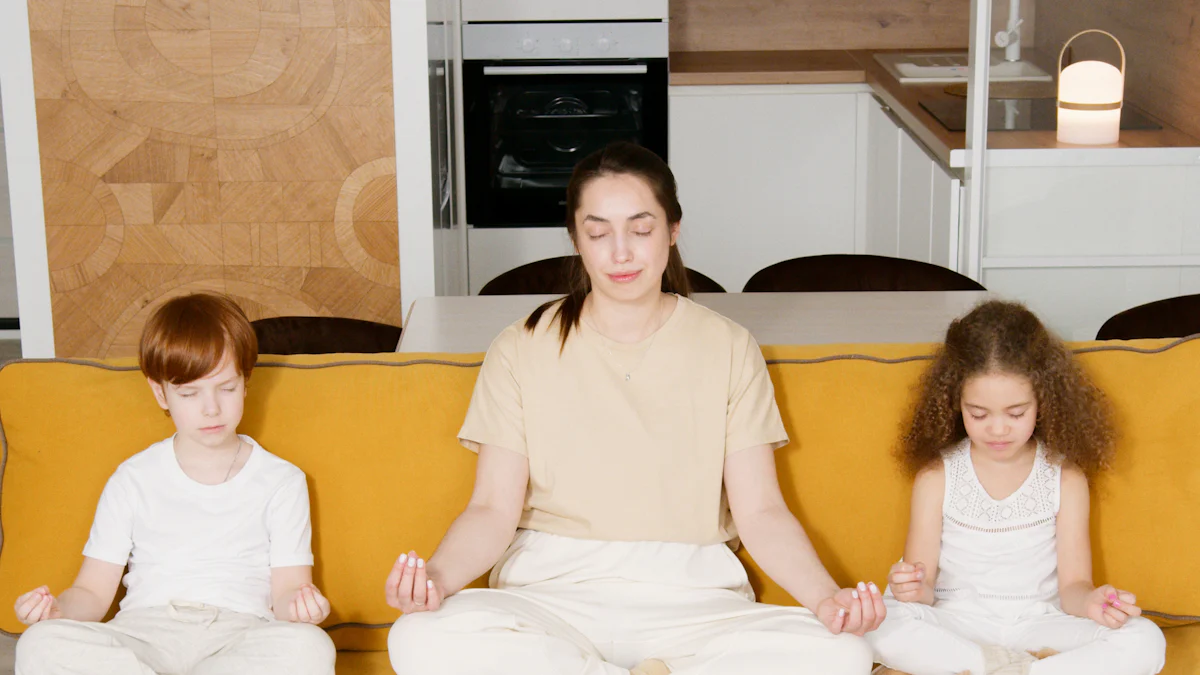
How yoga supports children's development
Image Source: pexels
Yoga with children is not only fun, but also a powerful tool supporting physical and mental development. Thanks to regular exercise, children gain better concentration, balance, and strength](https://joga-abc.pl/joga-dla-dzieci-w-wieku-szkolnym/). Yoga helps them cope with stress and build self-confidence (https://psychiatraplus.pl/wplyw-jogi-na-objawy-wystepujace-w-adhd/). In children's daily lives, yoga becomes a source of peace and harmony. This practice teaches them patience and self-awareness, which is crucial for their emotional development. Introducing yoga into the lives of young children is an investment in their health and future. ## Benefits of Yoga for Children
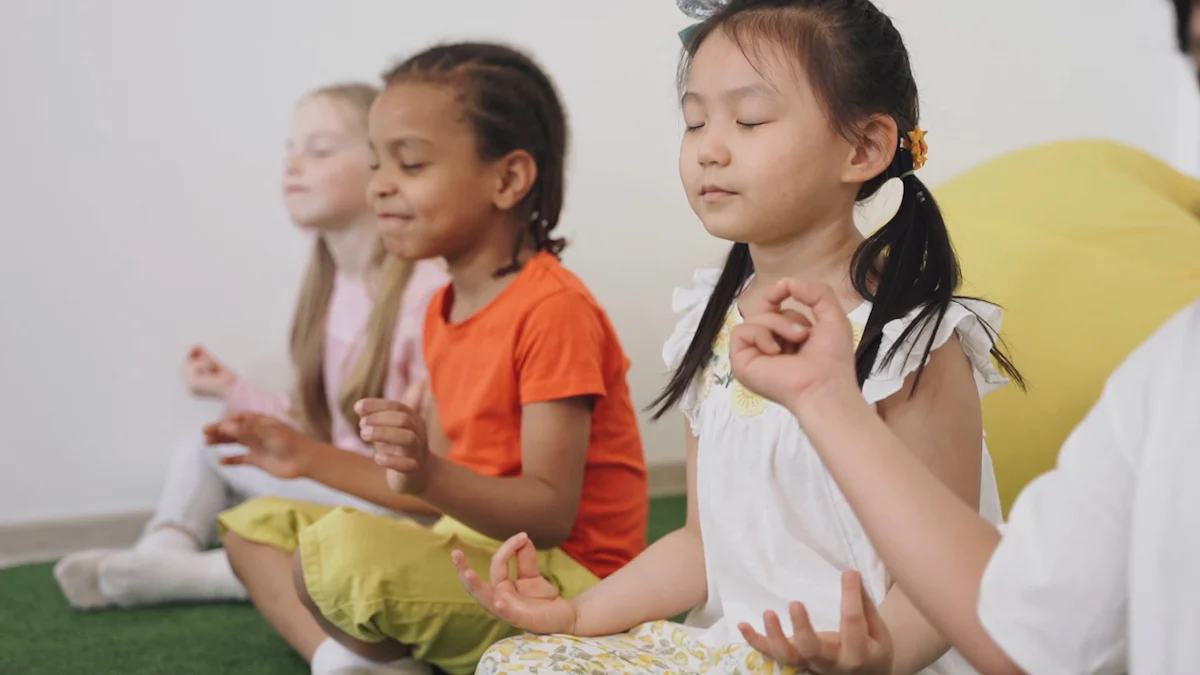
Image Source: pexels
Improved Concentration and Attention
Yoga with children is an excellent way to develop concentration skills. Children who regularly participate in yoga classes learn to focus on the tasks at hand. This allows them to better cope with distractions.
Focus-boosting exercises
Exercises such as the tree pose and warrior pose help children maintain balance and focus on one point. These simple poses require concentration, which translates into better academic performance and daily responsibilities.
Impact on academic performance
Research shows that children who practice yoga achieve better academic results. The improved concentration and memory resulting from regular practice translates into better understanding of the material and more effective learning.
Stress reduction and emotional support
Yoga with children is also an effective method for stress reduction. Children learn relaxation techniques that help them cope with emotions and tension.
Relaxation techniques
Breathing techniques, such as abdominal breathing, help children achieve a state of calm. Regular practice of these techniques allows for better emotional management and stress reduction.
Building Self-Confidence
Yoga supports children's emotional development (https://joga-joga.pl/pl119/teksty697/dzieci_i_joga_patrycja_gawlinska) by building their self-confidence. By achieving higher levels of difficulty in exercises, children gain confidence in their own abilities and learn that they can overcome challenges.
Physical Development and Creativity
Yoga with Children supports physical development (https://uwaznoscwedukacji.pl/joga-dla-dzieci-jaki-ma-wplyw-na-rozwoj-malucha/), strengthening muscles and improving flexibility. Children discover different ways of moving, which stimulates their creativity.
Muscle Strengthening and Flexibility
Poses such as Downward-Facing Dog and Cobra help build muscle strength and flexibility. Regular exercise improves posture and motor coordination.
Stimulating Imagination Through Play
Yoga for Children is also fun. Exercises can be introduced in the form of games, which makes children eager to participate. This allows them to develop their imagination and creativity, discovering new ways to spend their free time.
How to organize a yoga class with children
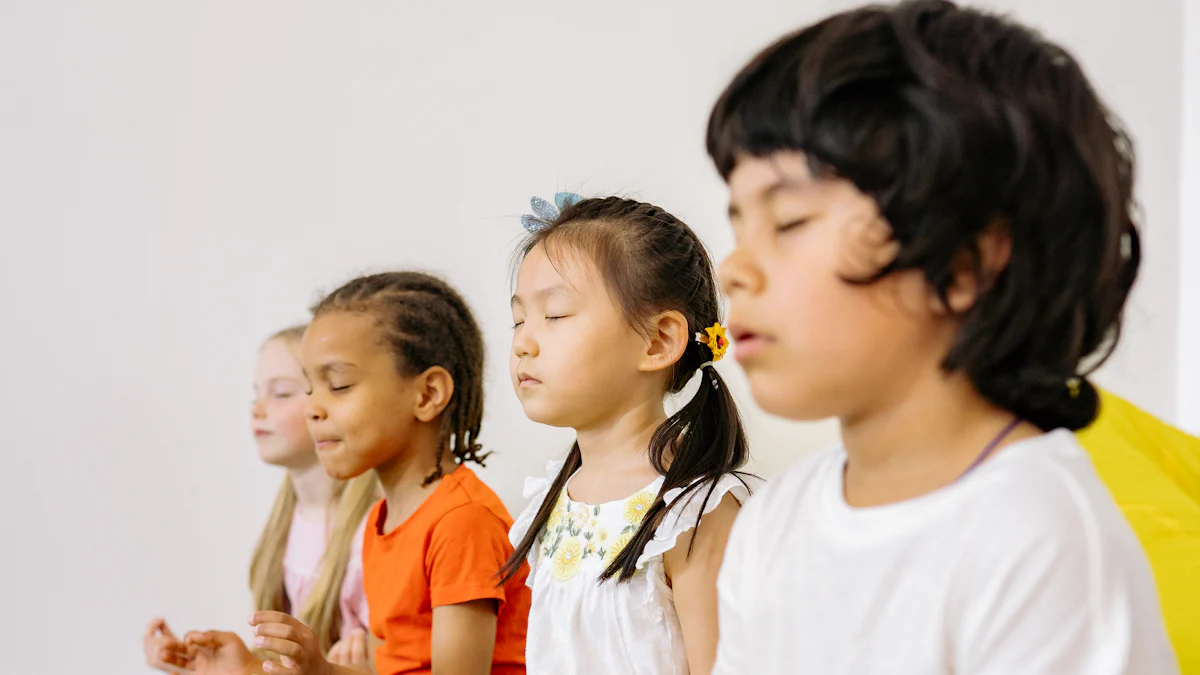
Image Source: pexels
Organizing a yoga class with children requires proper preparation to provide a safe and inspiring environment for children to learn and play. This allows them to fully benefit from the practice of yoga, developing both body and mind.
Preparing the space and materials
Choosing the right location
Choosing a location for practicing yoga with children is crucial. It should be spacious, bright, and quiet, allowing children to focus on the exercises. Avoid places with a lot of distractions. Emilia Burkiewicz, a children's yoga teacher, emphasizes that the right environment promotes breath awareness (https://emiliaburkiewicz.com/2022/12/30/joga-dla-dzieci/) and improves overall body fitness.
Essential Accessories
For yoga classes with children, you'll need yoga mats to ensure comfort and safety during the exercises. You can also use yoga blocks, straps, and blankets to help children perform more advanced poses. Egaga.pl, a specialist in children's yoga, suggests that classic yoga exercises combined with games and activities can be very helpful in children's psychophysical development.
Examples of Games and Exercises
Movement Games with Yoga Elements
Introducing playful elements into yoga classes with children makes them more engaging. You can organize movement games that combine yoga elements, such as "animal yoga," where children imitate the movements of various animals while performing yoga poses. These types of activities not only develop motor coordination but also stimulate children's imagination.
Breathing Exercises for Children
Breathing exercises are an integral part of yoga with children. Learning proper breathing, such as abdominal breathing, helps children achieve a state of calm and relaxation. Uwaznoscwedukacji.pl indicates that family yoga, in which both children and adults participate, can strengthen family bonds and improve communication.
"Yoga shapes in children valuable attitudes and a way of acting consistent with its philosophy." - Sensonauka.pl
Differences between Yoga for Children and Adults
Teaching Approach
Age-appropriate Methods
When teaching yoga classes for children, you need to adapt your teaching methods to their age. Children need simple instructions and dynamic exercises that capture their attention. Unlike adults, children learn through play and movement. Therefore, it's important to introduce playful elements that help them understand and remember yoga poses. This not only helps children develop their physical skills but also learn to self-regulate their emotions through breathing.
The Importance of Play in Learning
Play plays a key role in children's learning of yoga. Through play, children learn to recognize and accept differences among themselves. Incorporating playful elements into yoga classes makes children more willing to participate in the exercises and more engaged in learning new poses. Play becomes a bridge that connects learning with pleasure, which is invaluable in the educational process.
Goals and Expectations
Focus on Personal Development
Yoga for Children focuses on personal development. Children learn how to manage emotions and build self-confidence. Each new pose they master strengthens their self-confidence. Children gain not only physical strength but also emotional strength, which is crucial for their development. Yoga becomes a tool for them to discover themselves and their potential.
Differences in Exercise Intensity
The intensity of exercises in yoga for children differs from that for adults. Children need shorter and more dynamic sessions that allow them to maintain attention and engagement. Exercises should be adapted to their energy levels and physical abilities. This allows children to fully benefit from yoga practice, developing both body and mind.
Yoga for children is not just exercise but also a way to develop life skills. With regular practice, children gain calmness, self-confidence, and better concentration. Research shows that children who practice yoga have better spatial memory (https://www.literka.pl/produkt/joga-dla-dzieci-szkolenie?srsltid=AfmBOoo1_IqOWzro6hrVg-7GN7saaNxy38fre_RklUlTKNSGSr83zOTW) and are more composed in school.
"Serenity, inner peace, self-confidence, and developing concentration skills are the most important benefits that children gain from practicing yoga from an early age."
We encourage you to introduce yoga into your children's lives. It's an investment in their health and future. Parents and teachers can start with simple exercises that children can do at home or at school. Remember that yoga is also fun, fostering creativity and teamwork.
See also
How to Introduce Yoga to Children from an Early Age
How to Start Yoga with Children at Home
How Yoga Can Help with Weight Loss



