
The historical origin of yoga and its transformation through time
Image Source: unsplash
Yoga, an ancient practice, has transcended borders and cultures, becoming an essential tool for physical, mental, and spiritual well-being. Currently, more than 5.6 million people in Spain practice it weekly, representing 12% of the population. This global phenomenon invites us to reflect on the origins of yoga and how its historical roots have shaped its essence. From its origins in ancient India, yoga has sought the union of body, mind, and spirit, promoting a balanced and meaningful life.
Key Points
-
Yoga has deep roots in ancient India, where the connection between body, mind, and spirit was sought.
-
The Vedas and Upanishads are fundamental texts that established the philosophical and practical foundations of yoga, promoting introspection and meditation.
-
The Bhagavad Gita introduces three paths of yoga: Karma (action), Bhakti (devotion), and Jnana (knowledge), adapting to different personalities and needs.
-
Patanjali systematized yoga in the Yoga Sutras, presenting a structured approach through the eight limbs of Ashtanga Yoga, which guide one toward self-realization.
-
- Yoga evolved during the post-classical period, integrating physical and energetic practices, which led to the emergence of Hatha Yoga as an accessible and dynamic form.
-
Today, yoga has diversified into styles ranging from traditional to fitness yoga, adapting to modern needs and promoting holistic well-being.
-
Regular yoga practice not only improves physical health but also reduces stress and promotes a state of calm and emotional balance.
-
Where Yoga Comes From: Its Origins in the Pre-Vedic and Vedic Periods
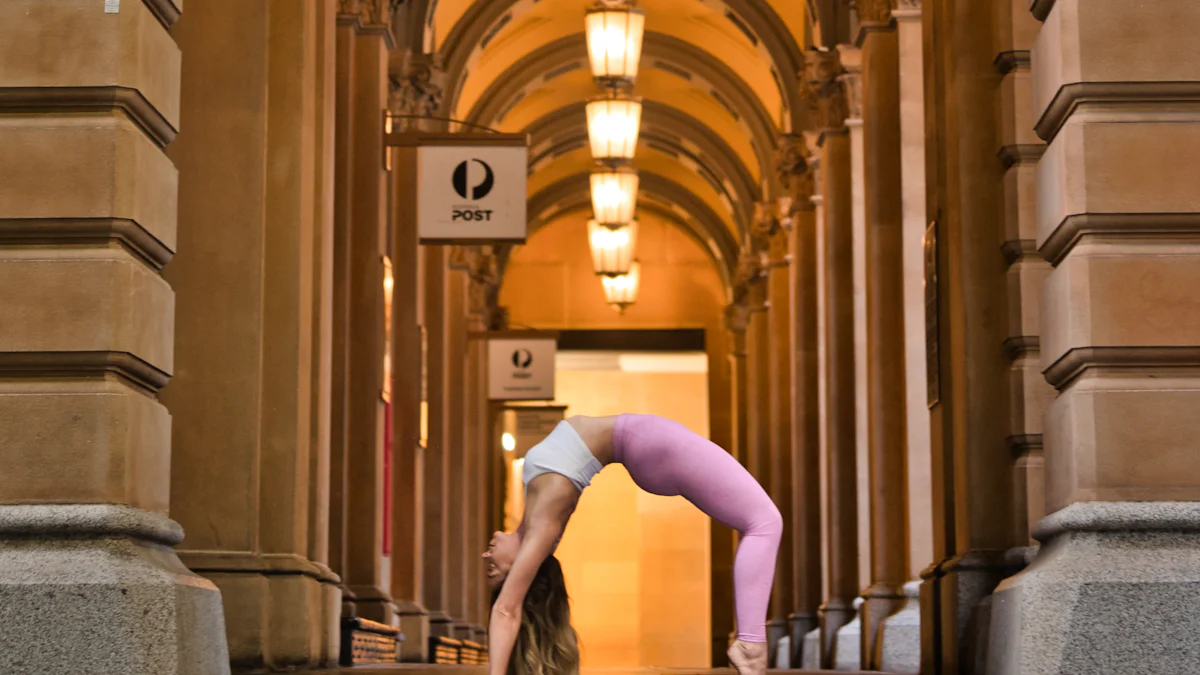
Image Source: pexels
The Cultural and Spiritual Context of Ancient India
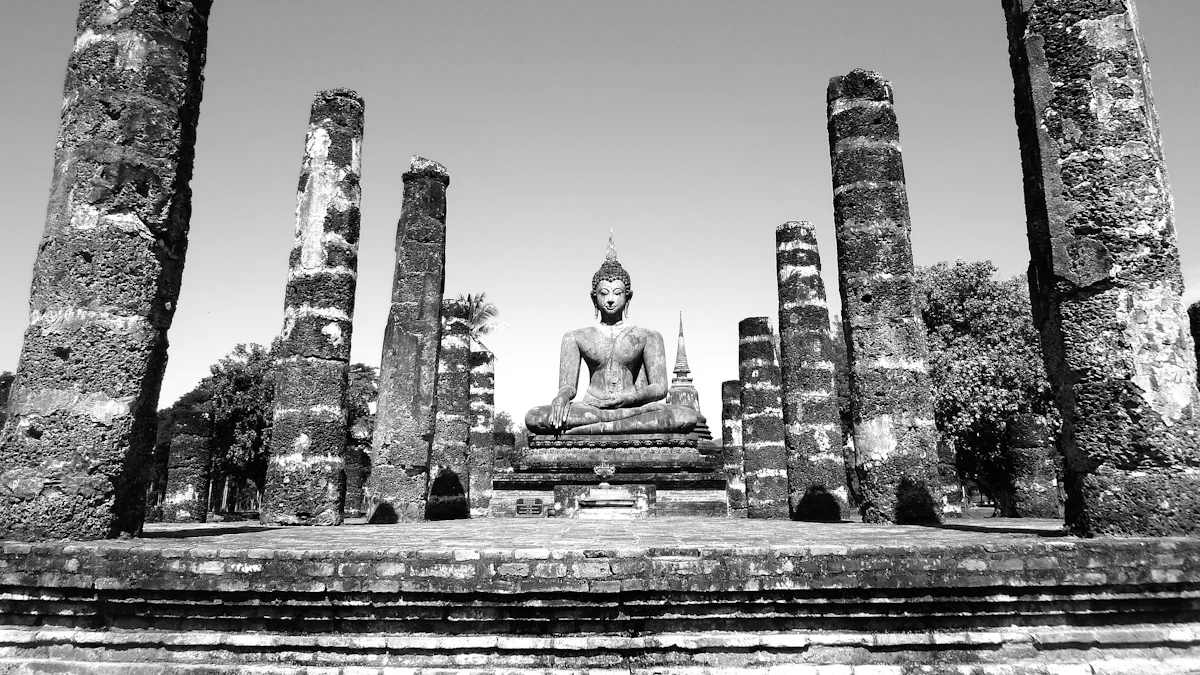
Yoga has its roots in ancient India, a place where spirituality and philosophy were an integral part of daily life. During the Pre-Vedic and Vedic periods, spiritual practices sought to connect human beings with the divine and understand the purpose of existence. The Vedas, considered the oldest texts of Indian literature, contain the earliest references to yoga. These texts, written more than 3,000 years ago, compile hymns and rituals that reflect a profound connection between humankind and the universe.
The First References to Yoga in the Vedas
The Vedas describe yoga as a form of unity, a concept that transcends the physical to encompass the spiritual. In these texts, yoga appears linked to ritual practices that sought to harmonize the body and mind with cosmic forces. For example, Vedic hymns mention techniques of meditation and breath control, elements that would later become fundamental pillars of yoga. These practices not only had a spiritual purpose but also helped individuals achieve a state of inner balance.
The Connection Between Yoga and Vedic Spiritual Rituals
Vedic rituals, known as yajnas, included chants and ceremonies that required concentration and discipline. These ceremonies not only honored the deities but also promoted introspection and connection with the universe. Yoga, in this context, was understood as a tool to achieve that connection. The Vedas established the theoretical foundations of yoga, defining it as a means to unite the individual self with ultimate reality.
Yoga in the Upanishads
Over time, yoga evolved into a more introspective and philosophical practice, as reflected in the Upanishads. These texts, which are part of the Vedas, delve into the nature of being and the relationship between the individual and the universe. The Upanishads introduced key concepts that transformed yoga into a more structured and reflective discipline.
The Transition to a More Introspective and Philosophical Practice
The Upanishads marked a significant shift in the practice of yoga. While the Vedas focused on external rituals, the Upanishads promoted introspection as a path to ultimate truth. Instead of relying on ceremonies, practitioners began to focus on meditation and self-knowledge. This introspective approach allowed yoga to become a tool for exploring the nature of being and achieving spiritual enlightenment.
Key Concepts like 'Atman' and 'Brahman'
The Upanishads introduced fundamental terms like Atman and Brahman, which represent the transcendent self and ultimate reality, respectively. According to these texts, yoga is the means to unite the Atman with the Brahman, thus achieving spiritual liberation. This philosophical approach gave yoga a solid foundation and a defined form, establishing its purpose as a practice that transcends the physical to reach the spiritual.
"The Self can only be known through Union (Yoga)," the Upanishads affirm, highlighting the importance of yoga as a path to self-realization.
The Upanishads not only enriched the understanding of yoga but also transformed it into a discipline that combines theory and practice. This legacy continues to be an essential part of yoga philosophy today.
The Development of Yoga in the Pre-Classical Period
The pre-classical period marked a crucial moment in the evolution of yoga, where philosophical teachings and practices were consolidated, laying the foundation for its subsequent development. During this stage, epic texts such as the Mahabharata and the Bhagavad Gita played a fundamental role in integrating spiritual and ethical concepts into the practice of yoga. Furthermore, the first schools emerged, diversifying the teachings and methods and expanding their scope and depth.
The Influence of Epic Texts such as the Mahabharata and the Bhagavad Gita
The epic texts of ancient India not only narrate heroic stories but also contain profound philosophical reflections. The Mahabharata, one of the world's longest literary works, includes the Bhagavad Gita, a dialogue between Prince Arjuna and the god Krishna. This text is considered an essential guide for understanding the purpose of yoga and its application in daily life.
The Bhagavad Gita as a Practical and Philosophical Guide to Yoga
The Bhagavad Gita presents yoga as a path to self-realization and inner harmony. Krishna, in his dialogue with Arjuna, explains how yoga can help overcome doubts and inner conflicts. This text not only addresses physical practice but also delves into philosophical and spiritual aspects.
“Yoga is skill in action,” states the Bhagavad Gita, emphasizing the importance of acting with awareness and detachment.
The Bhagavad Gita offers practical teachings that guide individuals toward a balanced life. Its lessons range from meditation to ethics, providing a comprehensive view of yoga as a tool for facing life's challenges.
The Three Paths of Yoga: Karma, Bhakti, and Jnana
The Bhagavad Gita introduces three main paths of yoga, each suited to different temperaments and needs:
-
Karma Yoga: The yoga of selfless action. It teaches how to perform tasks without attachment to the results, promoting discipline and service.
-
Bhakti Yoga: The yoga of devotion. It fosters an emotional and spiritual connection with the divine through love and surrender.
-
Jnana Yoga: The yoga of knowledge. It focuses on the search for truth and wisdom through study and introspection.
These three paths reflect the diversity of yoga and its ability to adapt to different contexts and personalities. Together, they offer a holistic approach that combines action, devotion, and knowledge.
The Emergence of the First Yoga Schools
During the pre-classical period, yoga began to be institutionalized through the creation of schools that systematized its teachings. These institutions played a key role in the transmission of knowledge and the diversification of practices.
The Diversification of Practices and Teachings
The first yoga schools developed specific methods to achieve union between body, mind, and spirit. These teachings were passed down from teacher to student, ensuring the preservation of traditions. Each school contributed its unique approach, enriching the practice of yoga with new techniques and perspectives.
Diversification allowed yoga to adapt to different needs and goals. Some schools emphasized meditation and mental control, while others focused on physical and breathing practices. This process of specialization contributed to the expansion of yoga and its evolution as a holistic discipline.
Classical Yoga and the Yoga Sutras of Patanjali
Patanjali's Systematization of Yoga
In the history of yoga, Patanjali occupies a central place as the author of the Yoga Sutras, a text that marked a turning point in the practice and philosophy of yoga. This document, written around the 3rd century BCE, compiled and organized existing knowledge about yoga, transforming it into a structured and accessible system. The Yoga Sutras not only defined yoga as a philosophical doctrine, but also established a clear path to self-realization.
The Eight Steps of Yoga (Ashtanga Yoga)
Patanjali introduced the concept of Ashtanga Yoga, known as the "eight-step yoga." This system offers a practical guide to achieving spiritual enlightenment (samadhi). The eight steps include:
-
Yama: Ethical principles such as non-violence and truthfulness.
-
Niyama: Personal discipline, including purity and self-observation.
-
Asana: Physical postures that prepare the body for meditation.
-
Pranayama: Breath control to balance vital energy.
-
Pratyahara: Withdrawal of the senses to focus the mind inward.
-
Dharana: Concentration on a single point or thought.
-
Dhyana: Deep and continuous meditation.
-
Samadhi: A state of union with ultimate reality.
This holistic approach combines physical, mental, and spiritual aspects, offering a complete path for those seeking to understand the origins of yoga and how it can transform life.
The Importance of the Yoga Sutras as a Foundational Text
The Yoga Sutras are divided into four chapters, each dedicated to a specific aspect of yoga: practice, discipline, spiritual powers, and liberation. This text became a universal reference for all schools of yoga, solidifying its relevance throughout the centuries.
"Yoga is the cessation of the fluctuations of the mind," Patanjali states in the Yoga Sutras, highlighting the importance of mental control as the foundation of the practice.
The clarity and depth of this text have kept it relevant, serving as a guide for both beginners and advanced practitioners.
The Focus on Meditation and Mental Control
Patanjali emphasized meditation and mental control as fundamental pillars of yoga. According to the Yoga Sutras, the mind must be disciplined to achieve a state of inner peace and spiritual connection. This approach reflects the essence of classical yoga, which prioritizes introspection over external practices.
The Pursuit of Spiritual Liberation (Moksha)
The ultimate goal of yoga, according to Patanjali, is spiritual liberation, or moksha. This state is attained when the practitioner transcends the limitations of the ego and experiences union with the universe. The eight limbs of Ashtanga Yoga guide the individual toward this goal, offering practical tools to overcome mental and emotional obstacles.
The pursuit of moksha represents not only a spiritual ideal but also a path to holistic well-being. By integrating meditation and mind control, classical yoga provides an effective methodology for achieving inner harmony and personal fulfillment.
The Post-Classical Period and the Diversification of Yoga
The post-classical period marked a stage of significant transformation in the history of yoga. During this period, traditional practices diversified and evolved, integrating new philosophical and physical influences. This process led to more accessible and practical forms of yoga, laying the groundwork for its global expansion.
The Influence of Tantra on Yoga
Tantra played a crucial role in the evolution of post-classical yoga. This philosophical and spiritual movement, which emerged in medieval India, introduced a more inclusive and experiential view of spirituality. Unlike earlier traditions, Tantra emphasized the importance of the body as a vehicle for achieving enlightenment.
The Incorporation of Physical and Energetic Practices
Tantra promoted the integration of physical and energetic practices into yoga. These techniques sought to awaken the latent energy known as Kundalini, symbolically represented as a serpent coiled at the base of the spine. To achieve this goal, practitioners developed specific methods, such as physical postures (asanas), breathing exercises (pranayama), and visualization techniques.
The emphasis on the body and energy transformed yoga into a more dynamic and accessible discipline. These innovations directly influenced the development of Hatha Yoga, one of the best-known and most widely practiced forms today.
The Emergence of Hatha Yoga
Hatha Yoga emerged as a branch of yoga deeply influenced by Tantra. Texts such as the Hatha Yoga Pradipika, written in the 15th century, systematized these practices and presented them as a path to self-realization. This Sanskrit manual became a fundamental reference, describing physical postures, breathing techniques, and purification methods.
The Nath, a medieval community of yogis, played a key role in the spread of Hatha Yoga. They developed practices that prioritized physical postures and the control of vital energy (prana). These innovations made yoga more accessible to a wider audience, marking a turning point in its history.
"Hatha Yoga is not only a physical practice, but a path to harmony between body and mind," according to the Hatha Yoga Pradipika.
The Expansion of Schools and Traditions
The post-classical period also witnessed the expansion of yoga schools and traditions. This process allowed the teachings to adapt to different cultural contexts and individual needs, fostering greater diversity in practices.
The Evolution Toward More Accessible and Practical Practices
Post-classical yoga schools began to develop more practical and accessible approaches. These institutions focused on adapting traditional teachings to the needs of practitioners, incorporating physical, mental, and spiritual elements. This inclusive approach allowed yoga to expand beyond religious and philosophical circles, reaching a wider audience.
The diversification of traditions also fostered the creation of unique styles, each with its own emphasis and methodology. Some schools prioritized meditation and mental control, while others focused on physical postures and breathwork. This variety enriched the practice of yoga, offering multiple paths to well-being and self-realization.
The post-classical period solidified yoga as a holistic and versatile discipline. The influence of Tantra and the emergence of Hatha Yoga marked a significant shift, transforming yoga into a practice that combines the physical, energetic, and spiritual. This legacy continues to be an essential part of modern practice, reflecting the richness and diversity of its history.
The Transition to Modern Yoga

Image Source: pexels
The Arrival of Yoga in the West
The Influence of Key Figures like Swami Vivekananda
Yoga began to spread to the West in the late 19th century, thanks to visionary figures like Swami Vivekananda. This Hindu monk played a crucial role in introducing yoga to Western audiences. During the Parliament of the World's Religions in Chicago in 1893, Vivekananda presented yoga as a universal philosophy that transcends cultural and religious barriers. His charisma and clarity in explaining complex concepts captured the attention of intellectuals and spiritual seekers.
"Yoga is not just a practice, but a way of life that unites the individual with the universe," Vivekananda stated in his lectures.
Through his lectures and books, Vivekananda emphasized the importance of Raja Yoga, which focuses on meditation and mind control. His philosophical and spiritual approach resonated deeply in the West, laying the groundwork for the acceptance of yoga as a holistic discipline.
The Popularization of Yoga in the 20th Century
The 20th century marked a surge in the popularity of yoga in the West. Figures like Indra Devi, known as the "First Lady of Yoga," brought yoga to a wider audience. Indra Devi opened studios in countries such as the United States and Mexico, where she taught physical postures (asanas) and breathing techniques (pranayama). Her practical and accessible approach appealed to people of all ages and walks of life.
Furthermore, teachers like B.K.S. Iyengar and Pattabhi Jois introduced specific styles such as Iyengar Yoga and Ashtanga Yoga. These methods emphasized precision in postures and the connection between movement and breath. The arrival of these teachers in the West solidified yoga as a physical and spiritual practice, adapted to modern needs.
The Transformation of Yoga into a Global Discipline
The Integration of Physical, Mental, and Spiritual Elements
Modern yoga is characterized by its holistic approach, which combines physical, mental, and spiritual aspects. Physical postures, which were secondary in their origins, became a central component of the practice. This is due, in part, to the influence of texts such as the Hatha Yoga Pradipika and the adaptation of traditional teachings for a Western audience.
The book The Body of Yoga (https://yoganidra.com.mx/2020/08/12/la-evolucion-del-yoga-de-la-filosofia-y-la-practica-de-asanas/): The Origins of Modern Postural Practice, written by Mark Singleton, analyzes how modern postural yoga evolved to meet the demands of a society seeking physical and mental well-being. According to Singleton, this transformation allowed yoga to become a global phenomenon, accessible to people from different cultures and backgrounds.
"Modern yoga seeks not only flexibility of the body, but also clarity of mind and connection with the spirit," Singleton notes in his work.
The Influence of Western Culture on its Practice
Western culture played a significant role in the transformation of yoga. The incorporation of elements such as music, marketing, and group classes made yoga more appealing to a diverse audience. Furthermore, modern science began to support the benefits of yoga, increasing its credibility and acceptance.
Scientific studies have shown that yoga improves physical health, reduces stress, and promotes emotional well-being. This led hospitals, businesses, and schools to adopt yoga as part of their health and personal development programs. The influence of Western culture also fostered the creation of innovative styles, such as Power Yoga and Yoga Fitness, which focus on physical conditioning.
Modern yoga, though transformed, retains its spiritual essence. Its ability to adapt to different cultural contexts and individual needs has made it a truly global discipline, one that continues to evolve while honoring its historical roots.
Yoga Today
The Diversity of Styles and Approaches
From Traditional Yoga to Yoga Fitness
Yoga today encompasses a wide variety of styles and approaches, adapted to the needs and preferences of practitioners. From traditional forms like Hatha Yoga and Raja Yoga, which prioritize meditation and spiritual connection, to modern modalities like Yoga Fitness, which focuses on physical conditioning, the practice has evolved to meet different goals.
Yoga Fitness, for example, combines dynamic postures with cardiovascular exercises, appealing to those seeking to improve their strength and flexibility. On the other hand, styles like Yin Yoga offer a more tranquil experience, ideal for those who wish to relax and reduce stress. This diversity has allowed yoga to become an accessible practice for people of all ages and experience levels.
According to a recent market analysis, the rise of online yoga courses has significantly contributed to the global expansion of yoga. This reflects people's inclination toward practices that promote both physical and spiritual health.
Yoga's Adaptation to Modern Needs
Yoga has demonstrated a remarkable ability to adapt to the demands of contemporary life. In a world marked by stress and busy schedules, yoga has become a practical tool for finding balance. Many people turn to short yoga sessions at home or at work, taking advantage of digital platforms that offer personalized classes.
Furthermore, yoga has been integrated into corporate wellness programs and health centers, where it is used to improve the quality of life of employees and patients. This flexibility has allowed yoga to maintain its relevance, even in a modern context where time is a limited resource.
The Relevance of Yoga as a Wellness Tool
Physical, Mental, and Emotional Benefits
Yoga not only improves physical fitness but also has a profound impact on mental and emotional health. Recent studies have shown that yoga can significantly reduce stress levels, improve sleep quality, and increase concentration. A study published in Frontiers in Psychology revealed that 70% of participants experienced significant improvements in their quality of life after practicing yoga for six months.
The physical benefits include increased flexibility, muscle strength, and balance. For older adults, yoga has proven especially helpful in maintaining mobility and preventing falls. Furthermore, breathing and meditation techniques help regulate emotions, promoting a state of calm and overall well-being.
"Yoga not only strengthens the body, but also calms the mind and uplifts the spirit," say numerous practitioners who have integrated this discipline into their daily lives.
Its Role in Finding Balance in Contemporary Life
In a fast-paced world, yoga has become a refuge for those seeking balance and purpose. Regular practice allows people to disconnect from external distractions and reconnect with their inner selves. This is especially valuable in modern life, where stress and anxiety are common problems.
In Spain, more than 5.6 million people practice yoga weekly, representing 12% of the population. This figure reflects how yoga has gained popularity as a tool for managing the demands of contemporary life. Whether through a group class in a studio or an individual session at home, yoga offers a space for introspection and self-care.
Yoga today is not only a physical practice but also a philosophy of life that helps people find harmony amidst chaos. Its ability to adapt and evolve ensures that it will continue to be an essential tool for well-being in the years to come.
Yoga has traveled a fascinating path from its spiritual roots in ancient India to become a global practice. Throughout the centuries, it has maintained its essence while adapting to the changing needs of each era. This balance between tradition and modernity makes it a timeless and constantly evolving discipline.
Appreciating its history allows us to practice it with greater awareness and respect. Understanding its transformation helps us appreciate its depth. Yoga is not only a tool for personal well-being but also a bridge to collective balance. Exploring this practice invites us to discover a path to self-realization and harmony.
See also
The History and Evolution of Yoga Through Time
Explore the History and Ancient Origins of Yoga
Reveal the Mystical Origin of Yoga and Its Meaning
The Ancient Story Behind International Yoga Day
Exploring the Historical Richness of Siddha Yoga Dham in Mexico



