

Image Source: unsplash
Yoga, an ancient practice originating in India, has captured global attention for its many benefits. But what exactly is yoga? It's a discipline that seeks to unite body, mind, and spirit. Today, yoga has become an essential tool for improving physical and emotional health. In the United States, nearly 36 million people practice yoga regularly, while in Spain, 12.03% of the population practices it at least once a week. This growing popularity reflects its importance in modern culture, where stress and the pursuit of well-being are commonplace.
The Meaning of Yoga
Yoga: What is it?
Etymological Definition
The term "yoga" comes from the Sanskrit word "yog," which means "to unite" or "to connect." This etymological definition reflects the essence of yoga: the union of body, mind, and spirit. By practicing yoga, you embark on a journey toward personal integration, seeking to harmonize the different aspects of your being.
Modern Interpretations
Today, yoga is interpreted in various ways. For some, it is a form of physical exercise that improves flexibility and strength. For others, it is a spiritual practice that promotes meditation and inner peace. In any case, yoga adapts to your needs, offering a path to holistic well-being. The diversity of approaches allows each person to find their own definition of what yoga is.
Purpose of Yoga
Balance Between Body, Mind, and Spirit
The main purpose of yoga is to achieve a balance between body, mind, and spirit. By practicing yoga, you connect with yourself, finding a state of harmony and inner peace. This practice helps you develop greater awareness of your body and mind, allowing you to live more fully and consciously.
Connection Between Breath, Body, and Mind
The connection between breath, body, and mind is fundamental in yoga. Through breathing techniques and physical postures, yoga teaches you to synchronize your breath with your movements. This connection allows you to reach a state of calm and concentration, improving your ability to cope with stress and daily challenges. By integrating breath into your practice, you discover a powerful tool for self-knowledge and self-realization.
History of Yoga
Antiquity of Yoga
Origins in the Vedic Period
Yoga has its roots in ancient India, with over 5,000 years of history. The first records of yoga appear in the Vedas, sacred texts dating back more than 3,500 years. In these texts, yoga is mentioned as a spiritual and philosophical practice. During the Vedic period, sages developed meditation techniques and physical postures to achieve a state of union with the divine. This practice was not limited to meditation alone, but also included rituals and chants that sought connection with the universe.
Evolution Through the Centuries
Over the centuries, yoga has evolved significantly. In the 2nd century CE, the practice of yoga began to spread beyond India. During the 16th and 18th centuries, Western texts were translated, introducing new practices and adaptations. In the 19th century, yoga became popular in the West, especially thanks to Swami Vivekananda, who traveled to the United States in 1893 to share the teachings of yoga. Since then, yoga has continued to evolve, adapting to the needs and preferences of each culture.
Yoga in the doctrines of Hinduism
Ancient texts that mention yoga
Yoga is one of the six orthodox doctrines of Hinduism, known as darshanas. Ancient texts, such as the Upanishads and the Bhagavad Gita, mention yoga as a path to enlightenment and spiritual liberation. Patanjali's Yoga Sutras, written around 400 CE, are one of the most influential texts in yoga philosophy. This text describes yoga as an eight-step system that guides the practitioner toward self-realization.
Influence on Other Religions and Philosophies
Yoga has not only influenced Hinduism but has also left its mark on other religions and philosophies. Buddhism and Jainism have incorporated yoga practices into their teachings, adapting them to their own beliefs and spiritual goals. In the West, yoga has transformed into a practice that combines physical, mental, and spiritual elements, attracting people from diverse cultures and religions. This global influence has given rise to a variety of styles and approaches, each with its own interpretation of yoga.
Types of Yoga
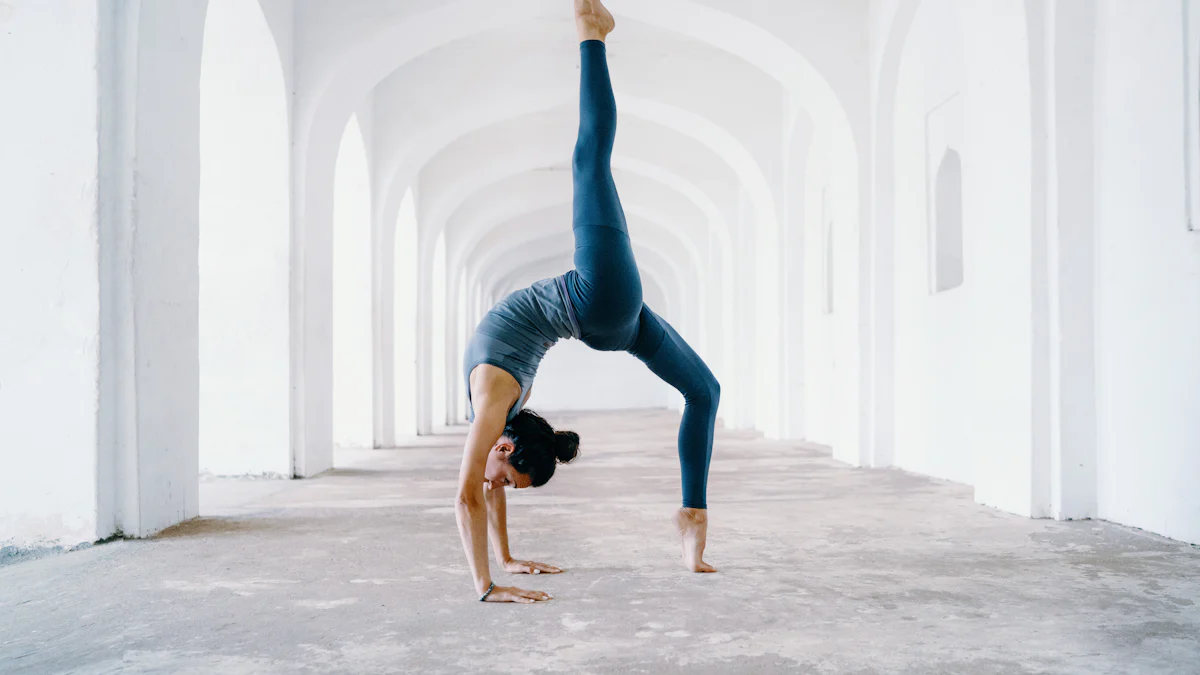
Image Source: unsplash
Yoga is a diverse practice that adapts to different needs and goals. There are several types of yoga, each with its own particular focus. Below, we'll explore some of the most well-known styles.
Physical Yoga
Physical yoga focuses on postures and body movement. This type of yoga is ideal if you're looking to improve your flexibility, strength, and balance.
Hatha Yoga
Hatha yoga is one of the most popular styles. It focuses on physical postures and breathing techniques. Practicing Hatha yoga helps you improve flexibility and strength. In addition, it's an excellent way to reduce stress and calm the mind. Hatha yoga sessions are typically slower, allowing you to focus on alignment and breathing.
Ashtanga Yoga
Ashtanga yoga is more dynamic and vigorous. It consists of a series of postures performed in a specific order. This style of yoga is ideal if you're looking for a physical challenge. Practicing Ashtanga yoga improves endurance and muscle strength. It also promotes concentration and discipline, as it requires following a fixed sequence of postures.
Mental and Spiritual Yoga
Mental and spiritual yoga focuses on meditation and inner development. This type of yoga is perfect if you want to explore the deeper aspects of what yoga is.
Raja Yoga
Raja yoga, known as the "royal path," focuses on meditation and mind control. Practicing Raja yoga helps you achieve a state of inner peace and mental clarity. This style of yoga is ideal if you are looking to improve your concentration and emotional self-regulation. Through meditation, you can reduce stress and anxiety, thus improving your emotional well-being.
Bhakti Yoga
Bhakti yoga is the yoga of devotion. It focuses on love and surrender to the divine. Practicing Bhakti yoga allows you to connect with your emotions and develop a sense of belonging and purpose. This style of yoga is ideal if you are seeking a deeper spiritual connection. Through chanting and rituals, you can experience a sense of unity and inner peace.
Scientific research has shown that the regular practice of yoga, whether physical or mental, has a significant impact on physical and mental health. It improves flexibility, reduces stress, and strengthens the immune system. In addition, yoga helps calm the mind and improve sleep quality, contributing to a better quality of life.
Benefits of Yoga
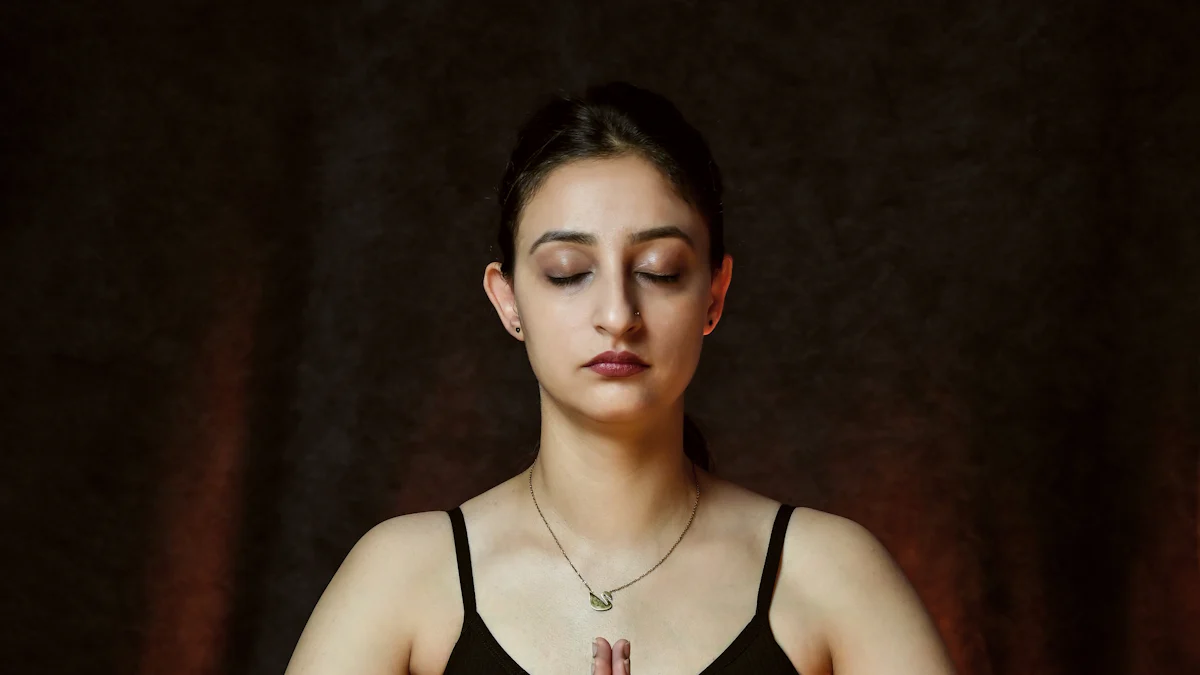
Image Source: unsplash
Yoga offers a wide range of benefits that impact both the body and the mind. By practicing yoga, you not only improve your physical health but also strengthen your mental and emotional well-being. Below, we explore how yoga can transform your life.
Physical Benefits
Improved Flexibility and Strength
Yoga is known for its ability to improve flexibility and strength. By performing yoga postures, you stretch and strengthen your muscles, which increases your range of motion and prevents injuries. Regular yoga practice helps you develop greater muscular endurance, which is essential for maintaining a healthy and active body. Yoga also improves joint mobility, facilitating a greater range of motion.
Pain Reduction and Posture Improvement
Yoga is also effective in reducing chronic pain and improving posture. Many people experience relief from back and neck pain by incorporating yoga into their daily routine. Yoga postures strengthen core muscles and align the spine, contributing to better posture. By improving your posture, you reduce tension in your body and minimize the risk of injury.
Mental and Emotional Benefits
Stress and Anxiety Reduction
Yoga is a powerful tool for reducing stress and anxiety. Through breathing and meditation techniques, yoga calms the mind and lowers levels of cortisol, the stress hormone. Practicing yoga regularly helps you face stressful situations with greater serenity and clarity. In addition, yoga promotes a sense of overall well-being, contributing to a better quality of life.
Improved Concentration and Mental Clarity
Yoga not only benefits the body but also improves concentration and mental clarity. By practicing yoga, you train your mind to focus and be present in the moment. This practice enhances cognitive performance and decision-making, increasing your ability to solve problems effectively. Furthermore, yoga fosters self-acceptance and self-esteem, helping you face challenges with confidence.
In short, yoga is a holistic practice that offers numerous physical and mental benefits. By incorporating yoga into your life, you discover what yoga is and how it can transform your overall well-being. Whether you're looking to improve your flexibility, reduce stress, or increase your mental clarity, yoga provides you with the tools you need to achieve it.
Yoga in Modern Life
Yoga has transcended borders and become a global practice. Its ability to adapt to different cultures and lifestyles has made it popular worldwide. Below, we explore how yoga has become integrated into modern life and its impact on health and well-being.
Global Popularity of Yoga
Yoga in the West
In the West, yoga has gained immense popularity. Many people practice it as a form of physical and mental exercise. In countries like the United States and Spain, millions of people have adopted yoga as part of their daily routine. This practice not only improves physical health but also offers a space for meditation and self-awareness. By practicing yoga, you discover a powerful tool for coping with the stress and demands of modern life.
Yoga as a Lifestyle
Yoga is not just a series of postures; it is a lifestyle. By incorporating yoga into your daily life, you adopt a philosophy that promotes inner peace and balance. Practicing yoga helps you live more mindfully, paying attention to your thoughts and emotions. This practice teaches you to find calm amidst chaos, as expressed by Gwyneth Paltrow:
"Yoga provided me with a way to find calm amidst chaos. It helped me focus and better manage the pressures of my career and personal life."
Impact of Yoga on Health and Well-being
Testimonials and Recent Studies
Numerous studies have demonstrated the benefits of yoga for physical and mental health. Regular yoga practice improves flexibility, reduces stress, and strengthens the immune system. Furthermore, yoga helps to calm the mind and improve sleep quality. B.K.S. Iyengar, a renowned yoga master, stated:
"Yoga teaches us to heal what we do not need to endure and to endure what cannot be healed."
This holistic approach to well-being has led many people to integrate yoga into their daily lives.
Yoga as a Tool for Self-Knowledge
Yoga is a powerful tool for self-knowledge. By practicing yoga, you connect with yourself on a deeper level. This practice allows you to explore your thoughts and emotions, fostering a deeper understanding of who you are. By integrating yoga into your life, you discover a path to self-realization and personal growth. Yoga teaches you to live in the present, accepting each moment with gratitude and serenity.
Yoga remains relevant in the modern world. Its ability to improve both physical and mental well-being makes it a valuable practice. By practicing yoga, you strengthen your body and cultivate a mind-body connection that reduces anxiety. Breathing and meditation techniques improve your concentration and promote a state of calm.
"Yoga not only strengthens the body, but also nourishes the mind and spirit."
We invite you to explore and practice yoga. Discover how it can transform your life and offer you a path to inner peace and self-knowledge.
See also
The Impact of Yoga on Adult Film Production
Alo Yoga Review: Is It Worth It?

Written by
Maria Yogalife
Maria | Yoga & Wellness Writer at YogaLife.World Maria is a passionate yoga and wellness writer at YogaLife.World, dedicated to sharing knowledge, inspiration, and practical guidance for a healthier, more balanced lifestyle. Through her articles, she explores yoga practices, meditation, mindfulness, holistic wellness, and the transformative benefits of mindful living. With an accessible and inspiring approach, Maria helps readers of all levels discover new practices, deepen their understanding of yoga, and bring greater balance, awareness, and well-being into their everyday lives.
Visit website


