
Yoga and Pilates: Discover the Key Differences
Image Source: pexels
When it comes to physical and mental well-being, two disciplines emerge as protagonists: yoga and Pilates. Both offer unique benefits, but it's essential to understand the difference between yoga and Pilates to choose the one that best suits your needs. Yoga, with a thousand-year history, focuses on the harmony between mind and body, while Pilates, developed in the 20th century by Joseph Pilates, focuses on core strengthening and stability. Knowing these differences will help you make an informed choice for your wellness journey.
Definitions and Historical Context
What is Yoga?
Origins and Philosophy
Yoga has deep roots dating back approximately 5,000 years ago in India**. This ancient discipline focuses on the union of mind, body, and spirit. Through the combination of physical exercises, breathing techniques, and meditation, yoga aims to improve endurance, flexibility, and balance. It also helps reduce stress and anxiety, promoting better sleep quality. Yoga philosophy is based on awareness of breathing and the practice of being present in the present moment, inducing the mind to a state of calm to access the noblest meditative states.
Main Yoga Styles
Yoga represents a vast sea of possibilities, with varying approaches depending on the different schools. Among the main yoga styles are:
-
Hatha Yoga: Focuses on physical postures and breathing techniques.
-
Vinyasa Yoga: Known for its fluid and dynamic sequences.
-
Ashtanga Yoga: A rigorous and structured practice.
-
Bikram Yoga: Performed in a heated room to promote flexibility.
-
Kundalini Yoga: Focuses on spiritual energy and meditation.
What is Pilates?
History and Development
Pilates is a more recent discipline, developed in the first half of the 20th century by Joseph Pilates. Initially conceived as a rehabilitation practice, Pilates has evolved into a training method that focuses primarily on core strengthening and stability. Joseph Pilates created a neuromuscular exercise program that, while yogic in inspiration, is distinguished by its more physical and less spiritual approach.
Fundamental Principles of Pilates
Pilates focuses on several fundamental principles that guide the practice:
-
Concentration: Every movement requires attention and precision.
-
Control: Control of movement is essential to avoid injury.
-
Centering: The core is the center of strength and stability.
-
Fluidity: Movements must be performed fluidly and continuously.
-
Precision: Each exercise must be performed with precision.
-
Breathing: Breathing helps improve movement control.
These disciplines, while sharing some similarities, offer distinct approaches to physical and mental well-being. Understanding their origins and principles will help you choose the one best suited to your needs.
Similarities Between Yoga and Pilates
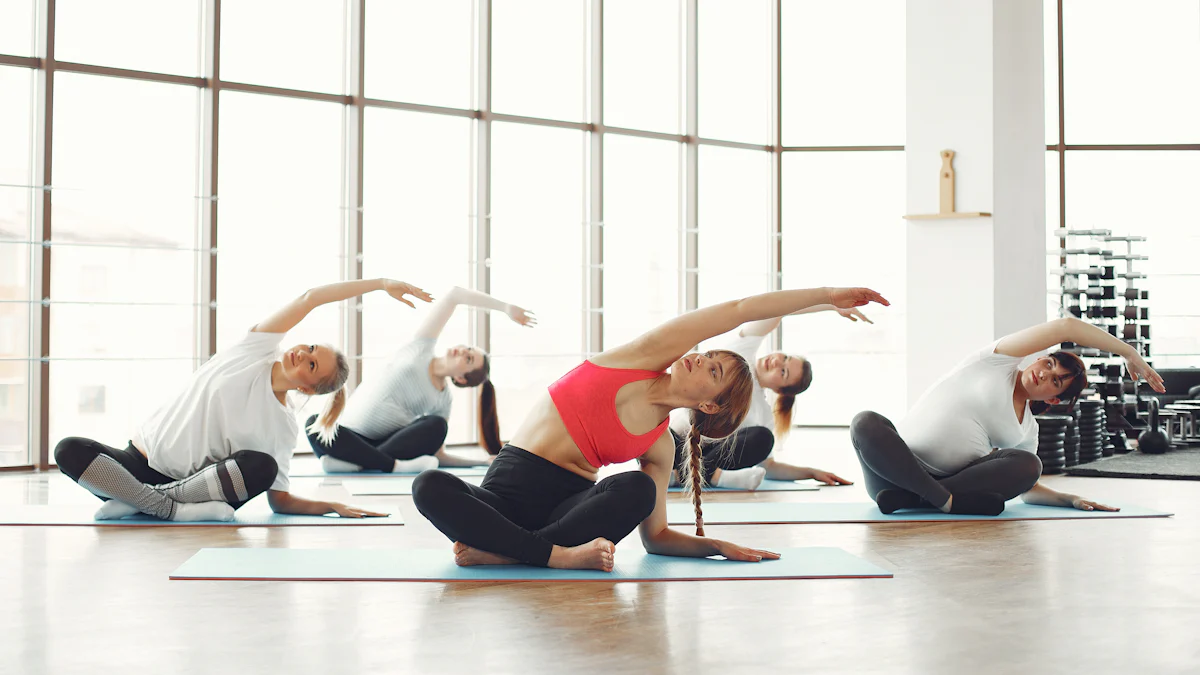
Image Source: pexels
Physical Benefits
Both yoga and Pilates offer significant physical benefits that can improve your overall well-being.
Improved Flexibility
Yoga is known for its poses that stretch and strengthen muscles, improving flexibility. Pilates also contributes to this aspect, although it focuses more on strengthening the core. With consistent practice, you'll notice an increase in your range of motion and greater muscle elasticity.
Muscle Strengthening
Pilates is particularly effective at strengthening the core muscles, but yoga also contributes to muscle strengthening through poses that require balance and endurance. Both practices help tone the body, improving posture and stability.
Mental Benefits
Beyond the physical benefits, yoga and Pilates also offer significant benefits for your mental health.
Stress Reduction
Yoga is renowned for its ability to reduce stress through breathing techniques and meditation. Pilates, with its focus on concentration and movement control, also helps calm the mind and reduce anxiety. Both practices offer a moment of respite from the daily grind, promoting a sense of calm and well-being.
Increased Concentration
Regular yoga and Pilates practice improves your ability to concentrate. Yoga, through meditation and breath awareness, teaches you to focus on the present moment. Pilates, with its emphasis on control and precision, requires attention and presence of mind. These aspects help you develop a greater ability to concentrate in your daily life.
In short, both Yoga and Pilates offer a combination of physical and mental benefits that can improve your quality of life. By choosing to practice one or both, you can enjoy a stronger, more flexible body and a calmer, more focused mind.
Key Differences
Image Source: unsplash
Approach and Philosophy
Yoga as a Spiritual Practice
Yoga is distinguished by its holistic approach, which integrates body, mind, and spirit. This discipline is not limited to physical exercises, but also includes breathing techniques and meditation. Yoga invites you to explore your inner self, promoting inner harmony and the mind-body-spirit connection. Through yoga practice, you can achieve a state of calm and awareness, improving your overall quality of life.
Pilates as a Physical Training Method
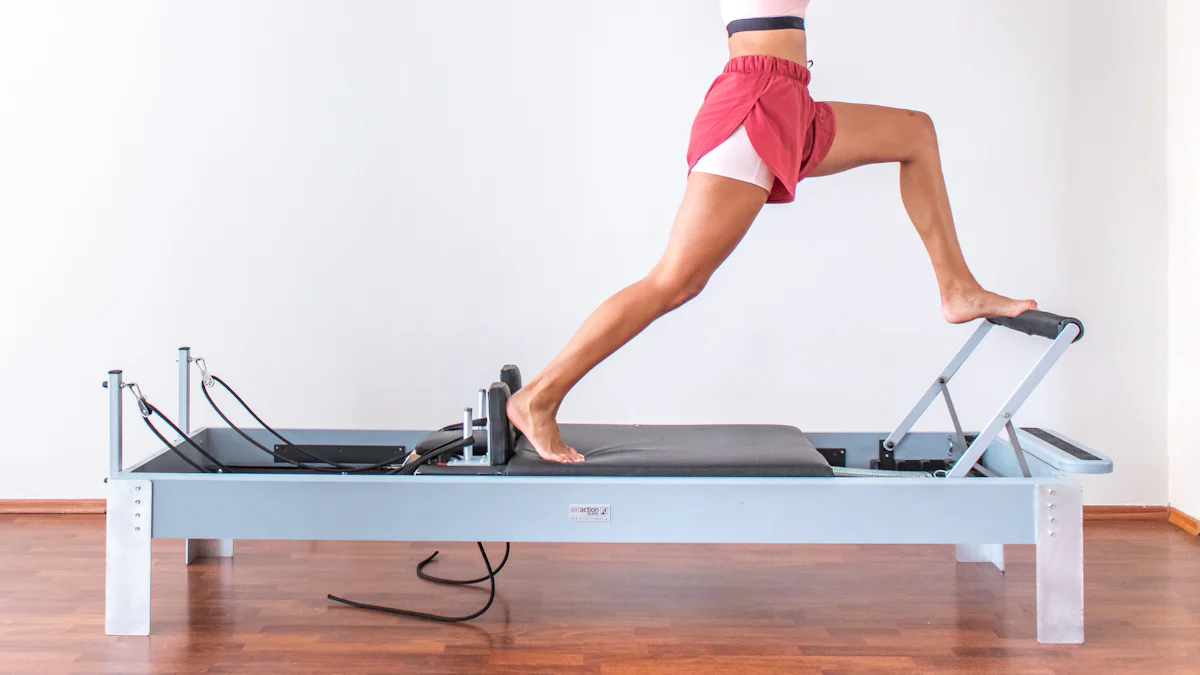
Pilates, on the other hand, focuses primarily on physical strengthening and core stability. This discipline was developed to improve physical endurance and spinal health. Pilates exercises require a high level of control and precision, helping you develop correct posture and greater muscle strength. Pilates often uses equipment such as resistance bands and soft balls to intensify the workout and improve fitness.
Techniques and Movements
Yoga Sequences
Yoga sequences are characterized by slow, flowing movements. Each pose, or asana, is held for an extended period of time, allowing you to focus on breathing and body awareness. This practice helps improve flexibility and relax the mind. Yoga offers a wide range of styles, each with its own unique characteristics, but all share the goal of promoting balance between body and mind.
Pilates Exercises
Pilates exercises, on the other hand, follow a faster pace and focus on the repetition of low-impact movements. These exercises aim to strengthen core muscles and improve body stability. Pilates emphasizes movement control and precision, helping you develop greater body awareness. The use of specific Pilates equipment can further intensify the workout, offering a complete fitness experience.
In short, the difference between yoga and Pilates lies primarily in the approach and techniques used. While yoga offers a spiritual and meditative experience, Pilates focuses on improving physical strength and stability. Both disciplines have their own unique benefits, and understanding these differences will help you choose the one that best suits your personal needs.
How to Choose Between Yoga and Pilates
Personal Goals
Focus on Flexibility or Strength
When choosing between yoga and Pilates, consider your personal goals. If you want to improve flexibility, yoga may be the right choice. Its poses, or asanas, stretch the muscles and increase the body's elasticity. Conversely, if your goal is to strengthen your core muscles, Pilates offers targeted exercises that improve strength and stability.
Interest in Meditation or Fitness
Also consider your interest in meditation or fitness. Yoga integrates breathing techniques and meditation, promoting balance between mind and body. If you're looking for a spiritual and meditative experience, yoga might meet your expectations. On the other hand, Pilates focuses on fitness and movement control, ideal for those seeking a more dynamic physical workout.
Practical Tips
Try Both
To make an informed choice, try both. Taking a yoga and a Pilates class will allow you to experience the differences firsthand. Observe how your body and mind react to each practice. This experience will help you understand which discipline best suits your needs and personal preferences.
Consult a Qualified Instructor
Another practical tip is to consult a qualified instructor. Fitness and Wellness experts can offer valuable guidance, helping you identify which discipline best suits your goals. An experienced instructor can also customize classes based on your abilities and needs, ensuring a safe and effective learning experience.
"Yoga and Pilates are two disciplines that are often considered equivalent, due to their Eastern inspiration and relaxation-based approach." - admin, Fitness and Wellness expert
In short, the choice between yoga and Pilates depends on your personal goals and preferences. Consider your flexibility, strength, and interest in meditation or fitness, and don't hesitate to try both. With the support of a qualified instructor, you can embark on a wellness journey that meets your needs.
Additional Resources
Recommended Apps
To enhance your yoga and Pilates practice, you can take advantage of some apps that offer personalized programs and detailed guides.
Yoga App
-
Daily Yoga: Yoga for Weight Loss: This app guides you through a personalized journey, tailoring workouts to your needs. You can choose from different types of workouts and fitness levels. The Workout section allows you to select your preferred practice, while the search bar makes it easy to access the content you're looking for.
-
Yoga Studio: Offers a wide range of HD video classes, with detailed instructions for each pose. You can create your own personalized workout program and track your progress over time.
Pilates App
-
Pilates Anytime: This app offers Pilates classes for all levels, from beginners to experts. You can choose from a variety of styles and intensities, with the option of taking classes led by expert instructors.
-
5 Minute Pilates: Ideal for those short on time, this app offers Pilates exercises you can complete in just five minutes. Perfect for integrating short workout sessions into your daily routine.
Readings and Newsletters
To deepen your knowledge of Yoga and Pilates, you can consult books and guides that offer a deeper understanding of the disciplines.
Yoga Books
-
"Yoga and Pilates Books": A collection of works by great masters and modern teachers. These books offer a comprehensive overview of the techniques and benefits of Yoga, helping you improve your personal practice.
-
"Yoga: The Complete Guide": This book explores the basic movements of yoga, helping you realign your body and calm your mind. It's an excellent resource for anyone who wants to deepen their yoga practice.
Pilates Guides
-
"Pilates: Your Strength Belt": This guide teaches you how to use Pilates to strengthen your back and core. It offers detailed exercises you can follow at home, adapting them to your energy level and progress.
-
"Differences Between Yoga and Pilates": A book that explores the differences between these two disciplines, helping you choose the one that's right for you. It includes expert advice for improving your quality of life through yoga and Pilates.
These resources will provide you with valuable tools to enrich your experience and get the most out of your yoga and Pilates workouts.
Knowing the difference between yoga and Pilates allows you to informedly choose the discipline that best suits your needs. Both offer physical and mental benefits, but with [different approaches and philosophies. Yoga focuses on harmony between mind and body, while Pilates emphasizes physical strengthening and core stability. Despite cultural and origin differences, the similarities between yoga and Pilates transcend these barriers, offering integrated well-being. We invite you to explore both disciplines to discover which resonates best with your personal wellness journey.
See also
Tips for Choosing the Best Yoga App
Explore Goat Yoga: A Unique Wellness Experience
Discover Forest Yoga: Definition and Methods

Written by
Maria Yogalife
Maria | Yoga & Wellness Writer at YogaLife.World Maria is a passionate yoga and wellness writer at YogaLife.World, dedicated to sharing knowledge, inspiration, and practical guidance for a healthier, more balanced lifestyle. Through her articles, she explores yoga practices, meditation, mindfulness, holistic wellness, and the transformative benefits of mindful living. With an accessible and inspiring approach, Maria helps readers of all levels discover new practices, deepen their understanding of yoga, and bring greater balance, awareness, and well-being into their everyday lives.
Visit website


