
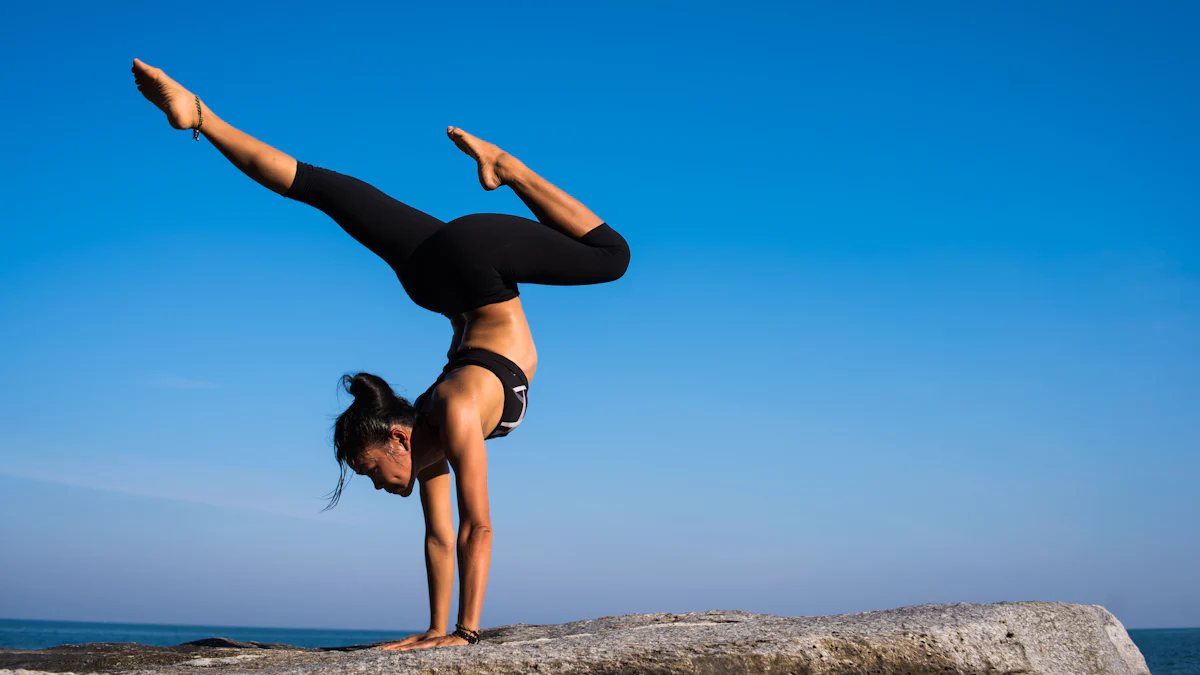
Yoga at the Olympic Games: A new discipline on the horizon
 Maria Yogalife
Yoga at the Olympic Games: A New Discipline on the Horizon
Image Source: Pexels
Yoga, a practice with a history spanning millennia, could soon make its debut at the Olympic Games. You've surely noticed the growing importance of yoga in the world of sports. In France, for example, the number of practitioners has more than tripled in ten years. *Nearly 10.7 million French people have practiced yoga in the last three years. This popularity raises the question of its potential as an Olympic discipline. This article aims to explore the feasibility and implications of including yoga in the Olympic Games, a perspective that could transform the perception of this practice.
History of Yoga and the Olympic Games
Origins of Yoga
Ancient History and Development
Yoga has its roots in ancient India, where it has been practiced for thousands of years. You can imagine sages and ascetics meditating in the forests, seeking harmony between body and mind. This practice has evolved over the centuries, incorporating philosophical and spiritual elements. Ancient texts, such as Patanjali's Yoga Sutras, codified the principles of yoga, making it accessible to a wider audience.
Modern Evolution and Global Popularity
In the 20th century, yoga crossed the borders of India and spread throughout the world. You may have noticed yoga studios in almost every major city, a testament to its growing popularity. In 1989, the World Yoga Championships in Montevideo marked a turning point, demonstrating that yoga could also be a competitive discipline. Today, organizations like USA Yoga are working to have yoga asana recognized as an Olympic sport, highlighting its potential as a competitive discipline.
History of the Olympic Games
Evolution of Sports Disciplines
Since their revival in 1896, the Olympic Games have constantly evolved to include new disciplines. You can see how sports like snowboarding and BMX have found their place alongside traditional events. This evolution reflects the Games' desire to remain relevant and adapt to global sporting trends.
Criteria for Inclusion of New Disciplines
For a new discipline to be included in the Olympic Games, it must meet certain criteria. The sport must be practiced in many countries and have a recognized international federation. Yoga, with its global popularity and growing recognition as a sport, could well meet these conditions. In India, yogasana is already recognized as a competitive sport, which strengthens its potential for future inclusion in the Olympic Games.
Yoga at the Olympics: An Emerging Sport
Yoga at the Olympics: An Emerging Sport
Image Source: unsplash
Existing Yoga Competitions
For over thirty years, yoga competitions have been held around the world. You can watch international tournaments where participants demonstrate their mastery of the postures. These events attract yogis from various countries, each seeking to prove their excellence in this discipline. However, these competitions have drawn criticism. Some yoga practitioners believe that the competitive aspect contradicts the spiritual values of the practice. You might wonder if yoga, traditionally focused on inner harmony, can adapt to a competitive format.
International Tournaments
International yoga tournaments take place in several countries. You can see participants performing complex poses, which are then judged by a panel of judges. These competitions highlight the participants' flexibility, strength, and balance. The rules vary, but the goal remains the same: to demonstrate mastery of the asanas. You might be surprised by the diversity of styles and approaches presented at these events.
Rules and Judging Criteria
Yoga competitions follow specific rules. You should know that judges evaluate participants on the precision of their poses, alignment, and fluidity of movement. Each pose has precise judging criteria, and participants must adhere to them to achieve good scores. You might find it interesting that these criteria aim to maintain the integrity of the practice while introducing an element of competition.
Benefits of Yoga as a Sport
Yoga offers numerous benefits as a sport. You can experience its physical and mental advantages, which make it a unique discipline.
Physical and Mental Benefits
Yoga improves flexibility, strength, and endurance. You may also experience stress reduction and improved concentration. These benefits make yoga a complete practice, beneficial for both body and mind. You might be surprised at how much yoga can transform your overall well-being.
Accessibility and Diversity
Yoga is accessible to everyone, regardless of age or fitness level. You can practice yoga at home, in a studio, or even outdoors. This accessibility makes it an inclusive discipline, attracting a diverse range of practitioners. You might appreciate the variety of yoga styles, each offering a unique approach to achieving inner harmony.
Debates Surrounding the Inclusion of Yoga
Arguments in Favor
Promoting Health and Well-being
Yoga offers numerous health benefits. You can improve your flexibility, strength, and endurance through this practice. Sara Lazar, a researcher at Massachusetts General Hospital, has demonstrated that yoga positively influences the brain, body, and genes. A 20-minute yoga session improves cognitive function, attention, and memory. Therefore, you can see that yoga is not just physical exercise but also contributes to your mental well-being.
Growing Global Popularity
Yoga is experiencing unprecedented global popularity. You can practice it in almost every country, and the number of practitioners continues to grow. This popularity testifies to yoga's universal appeal. You might think that its inclusion in the Olympic Games would reflect this global trend and attract a diverse audience. Yoga, as an Olympic discipline, could promote values of peace and harmony internationally.
Arguments Against
Non-Competitive Nature of Yoga
Yoga, by its very nature, is not a competition. You focus on inner harmony and personal balance rather than winning. Some purists believe that turning yoga into a competitive sport would betray its core values. You might wonder if yoga can truly adapt to a competitive format without losing its spiritual essence.
Complexity of Performance Evaluation
Evaluating performance in yoga is challenging. You must understand that each pose has specific criteria, but interpretation can vary. Judges must assess precision, alignment, and fluidity of movement. This complexity makes establishing universal standards difficult. You might question the feasibility of a fair and equitable evaluation in an Olympic context.
Implications of Yoga's Inclusion in the Olympic Games
Implications of Yoga's Inclusion in the Olympic Games
Image Source: pexels
Impact on the Yoga Community
Changes in the Perception of Yoga
You could observe a significant shift in the perception of yoga if it were to become an Olympic discipline. Traditionally, yoga focuses on inner harmony and personal well-being. However, its inclusion in the Olympic Games could transform it into a practice more focused on physical performance. You might find that this evolution attracts new followers, but it could also spark debate among purists. Some might fear that the spiritual essence of yoga is being lost in the pursuit of medals and sporting recognition.
Opportunities for Practitioners
The inclusion of yoga in the Olympic Games would offer new opportunities for practitioners. You could see yogis from around the world preparing to represent their countries on the international stage. This recognition could encourage more people to engage in yoga practice, drawn by the possibility of participating in high-level competitions. Furthermore, you could benefit from greater visibility and increased support for yoga programs, which could strengthen the global yoga community.
Impact on the Olympic Games
Diversification of Disciplines
The addition of yoga to the Olympic Games would contribute to diversifying the sporting disciplines. You might notice that this inclusion enriches the Olympic program by introducing a practice that combines physical and mental well-being. Yoga, with its varied postures and health benefits, would bring a new dimension to the Games. You might also find that this diversification reflects the evolution of global sports trends, where well-being and mental health are playing an increasingly important role.
Attracting a New Audience
The inclusion of yoga could attract a new audience to the Olympic Games. You might see spectators interested in yoga following the competitions with enthusiasm. This new audience could include people who were not previously interested in traditional sports. You might also find that yoga, as an Olympic discipline, promotes values of peace and harmony, thus attracting a diverse and engaged audience.
Future Perspectives
Possible Evolution of Yoga as a Sport
Innovations and Adaptations
You could see yoga evolve with innovations that make it more suitable for a sporting format. Competitions could incorporate modern elements while respecting traditions. For example, the introduction of new categories based on diverse yoga styles could enrich the competitive experience. You might also see adaptations to the rules to better assess performance, taking into account the precision and fluidity of movements.
The benefits of yoga for the body and mind are well documented. You can see that yoga improves flexibility, strengthens muscles, and promotes mental health. These benefits could be highlighted to promote yoga as a complete and beneficial sport. You might be interested in research showing that yoga improves balance, energy flow, and breathing technique—crucial elements for athletes.
Role of Sports Federations
Sports federations play a key role in the development of yoga as a sport. You might see these organizations working toward the official recognition of yoga as a sporting discipline. They could develop training programs for judges and coaches, ensuring fair and well-organized competitions. You might also see efforts to standardize the rules and judging criteria, facilitating the integration of yoga into international sporting events.
Scenarios for Inclusion in the Olympic Games
Recognition Process
For yoga to be included in the Olympic Games, a rigorous recognition process is necessary. This process involves the creation of a recognized international federation, which establishes clear rules and organizes regular competitions. You might see efforts to demonstrate yoga's global popularity and its potential as a competitive sport. This process could take time, but it is essential to ensure successful inclusion.
Forecasts for Future Editions
You might wonder when yoga could make its debut at the Olympic Games. While this remains uncertain, optimistic forecasts suggest possible inclusion by 2036. You could see initiatives to promote yoga at future editions, with demonstrations and events alongside the official competitions. These efforts could raise awareness among the public and decision-makers, paving the way for official recognition of yoga as an Olympic discipline.
You have explored the various aspects of yoga's inclusion in the Olympic Games. You have discovered its history, its benefits as a sport, and the debates it sparks. The future of yoga at the Olympics remains uncertain, but you can imagine a world where this ancient discipline finds its place among Olympic sports. You are invited to reflect on and debate this fascinating question. Yoga, with its spiritual values, could enrich the Olympic program while also generating discussions about its competitive nature.
Written by
Maria Yogalife
Maria | Yoga & Wellness Writer at YogaLife.World Maria is a passionate yoga and wellness writer at YogaLife.World, dedicated to sharing knowledge, inspiration, and practical guidance for a healthier, more balanced lifestyle. Through her articles, she explores yoga practices, meditation, mindfulness, holistic wellness, and the transformative benefits of mindful living. With an accessible and inspiring approach, Maria helps readers of all levels discover new practices, deepen their understanding of yoga, and bring greater balance, awareness, and well-being into their everyday lives.
Visit website


